Milk and Transportation – Some more daily life

First, Happy Thanksgiving!! We hope everyone had a lovely turkey day. Our Thursday was a “regular” day here. Alex told some friends it was Thanksgiving, and they proceeded to walk around the classroom, shaking hands with friends, and saying, “Happy Thanksgiving.” Pretty funny.

So this post continues the theme of bits of daily life. I promised one on milk. Then I’ll turn to transportation.

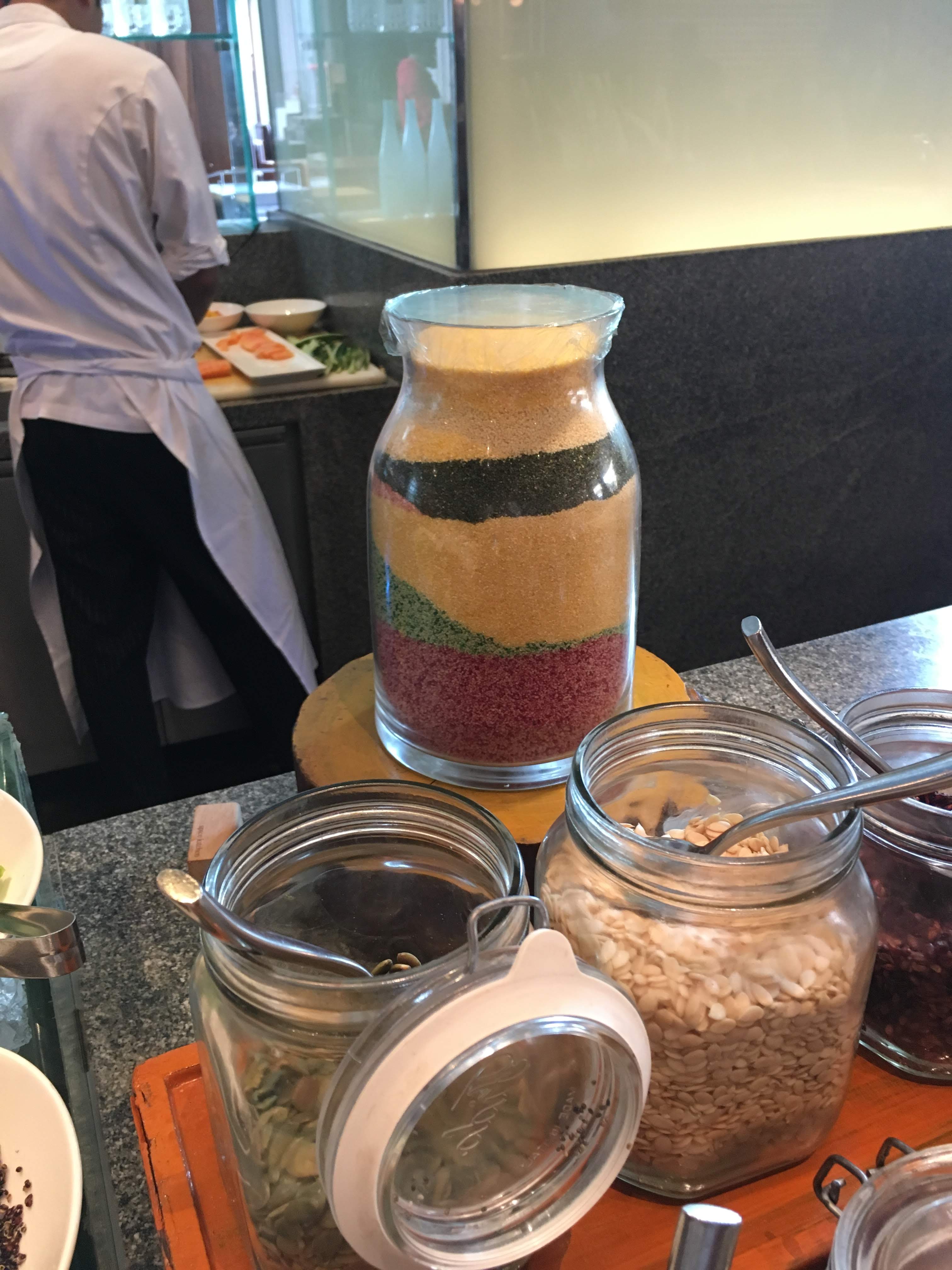
Every morning around 8am, our doorbell rings. It’s our landlord/neighbor and they hand us 500 mL of milk in a “milk pot.” This milk is warm (!), as it came from a cow just an hour or two before. It never ceases to amaze me.
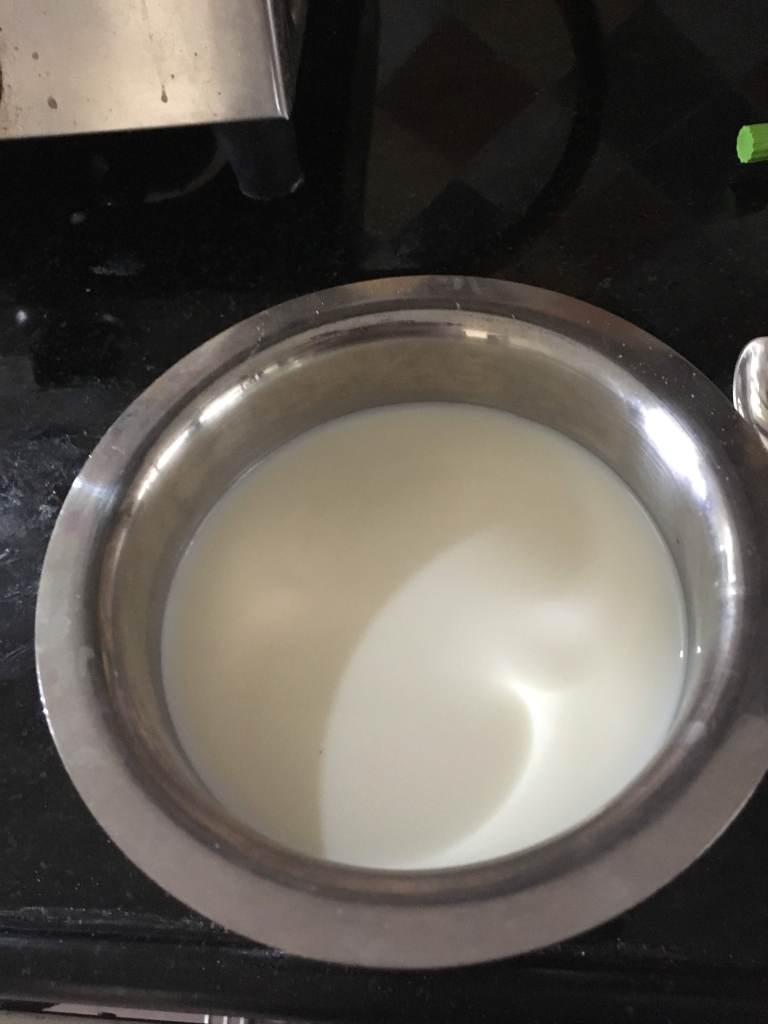
They still have their farm house – which next year will be the site of some more Nanded City apartments – and either from there, or a neighbor’s, they get milk every morning and share some with us. Ours is probably extra fresh, but in general, milk around here is quite fresh. As part of this, you really can only get whole milk.
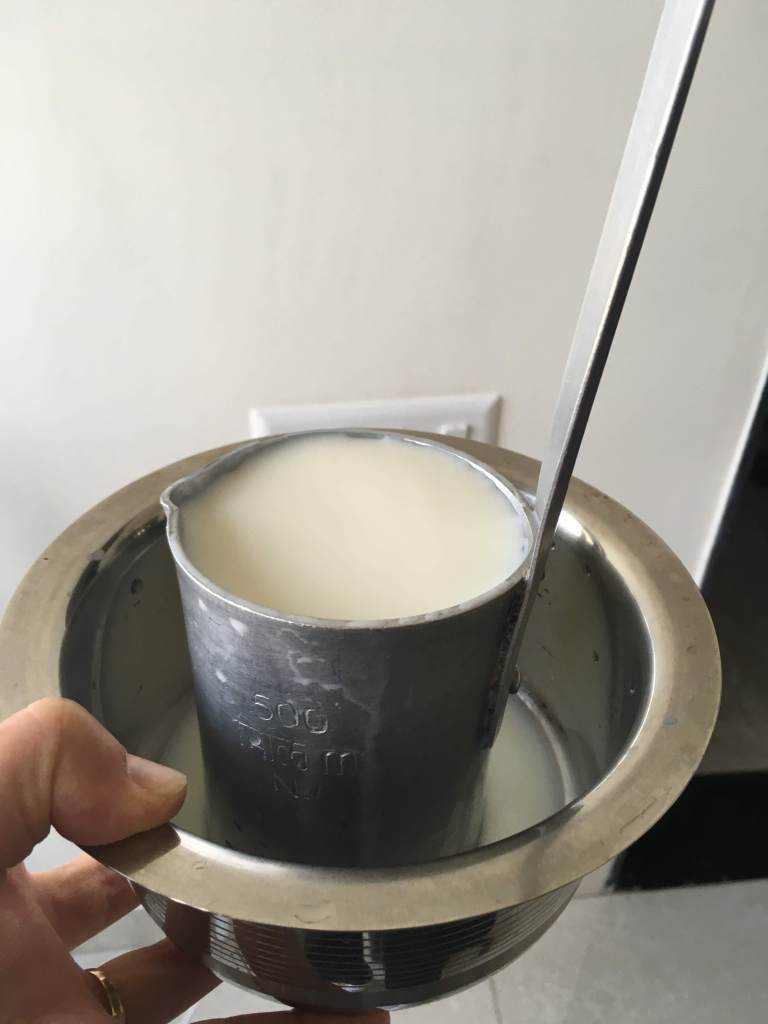
In the elevators in the morning, you’ll see the milk delivery guys (yes, all men from what I can tell) bringing up pouches or pails of milk — just like delivering newspapers.

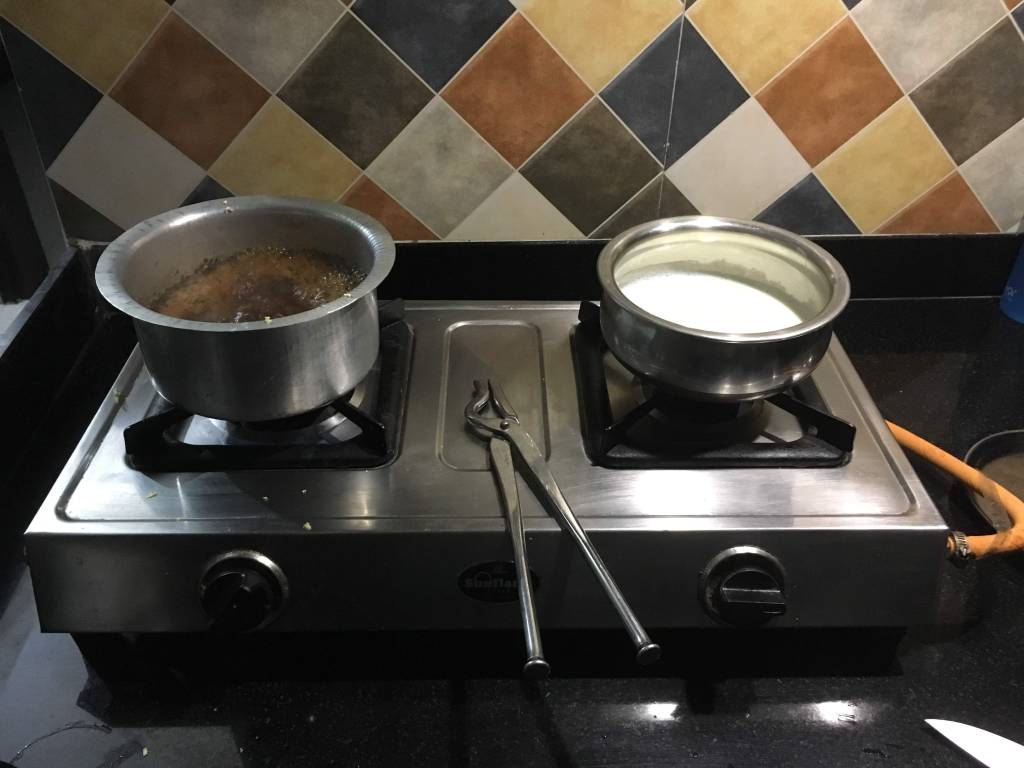
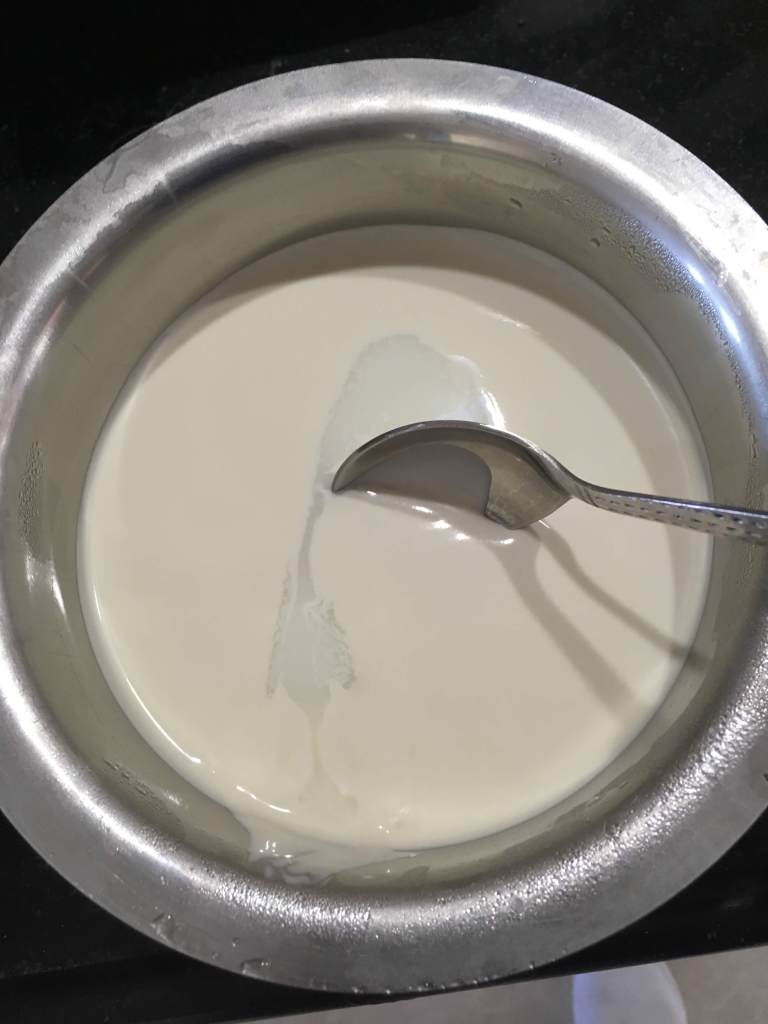
It’s not pasteurized or homogenized. So, you have to heat it yourself before drinking. As for homogenizing – not really something you can do at home, so the milk will separate a bit.

In addition to cow milk, buffalo milk is very common here. As Parag and I will attest, it makes the best coffee! It’s creamier (aka with more fat!) than cows’ milk.

The day often then starts with cha (Indian tea). Cereal isn’t really a thing, so milk isn’t used for that. Milk is also used to make ghee (rich, clarified butter) and Indian sweets. Yum!

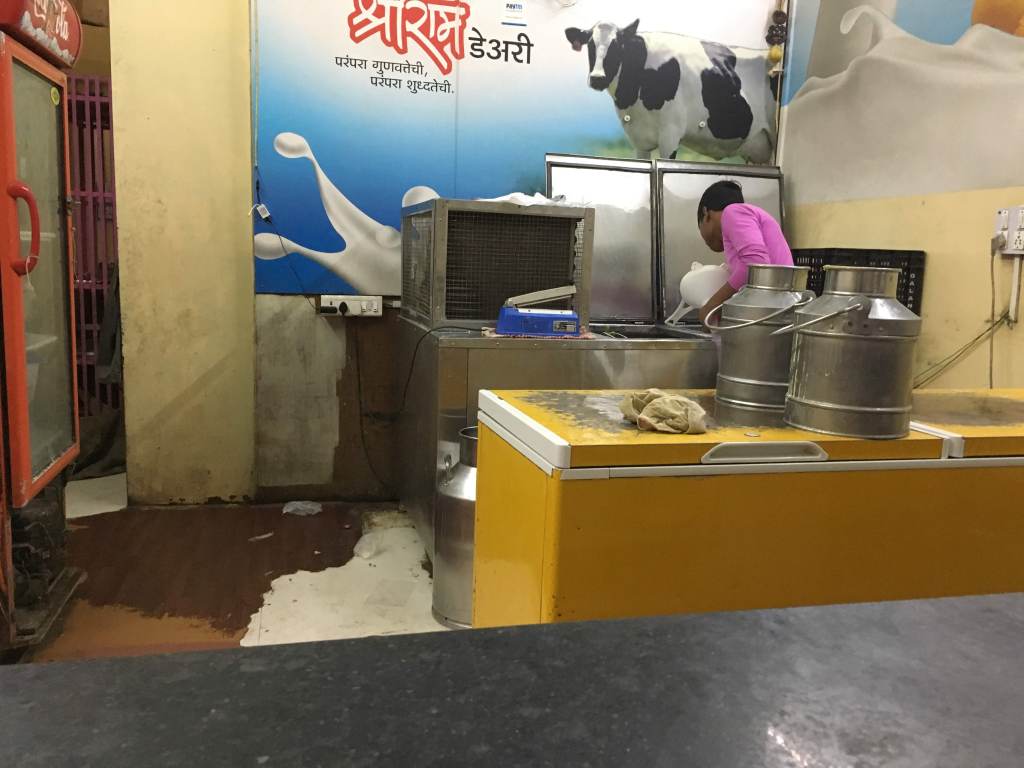
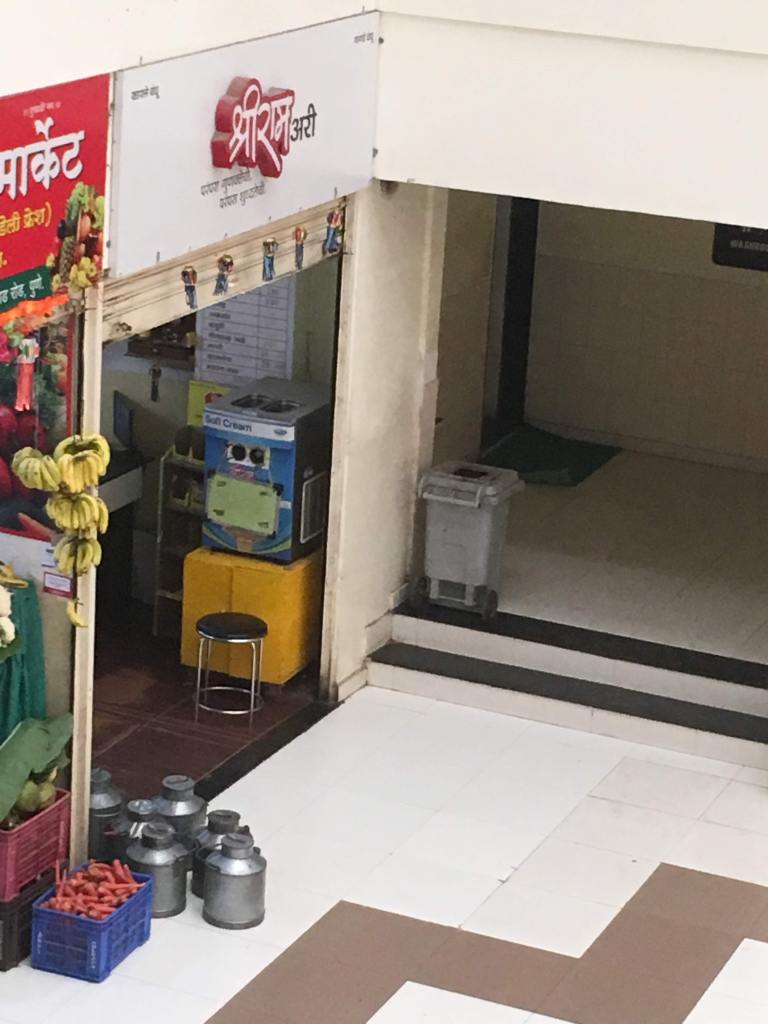
And you can buy milk in a store or at a dairy shop which is the equivalent of a vegetable stand for dairy products. They have milk (cow and buffalo), yogurt, buttermilk, and eggs usually. You can buy 1 liter of milk for about 46 rupees – which is about 65 cents.

This is the dairy store we sometimes go to in our “Destination Center” shopping area.
At the grocery store, the milk has been pasteurized, and it comes in a plastic pouch.
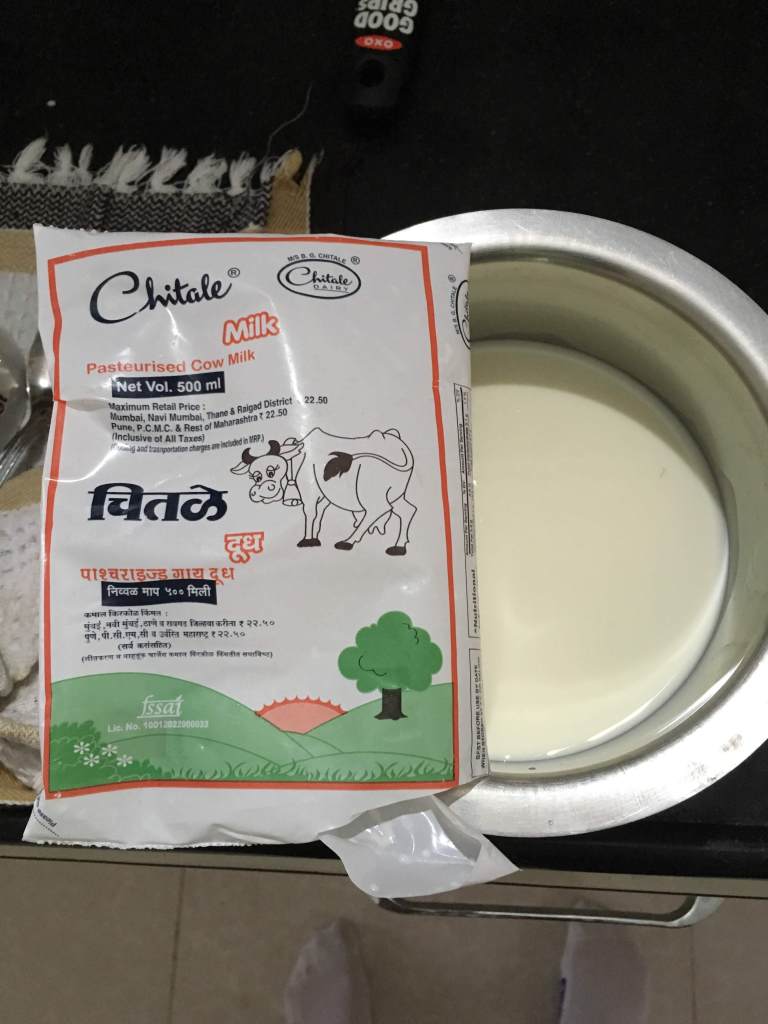
Cow’s Milk from the Grocery Store

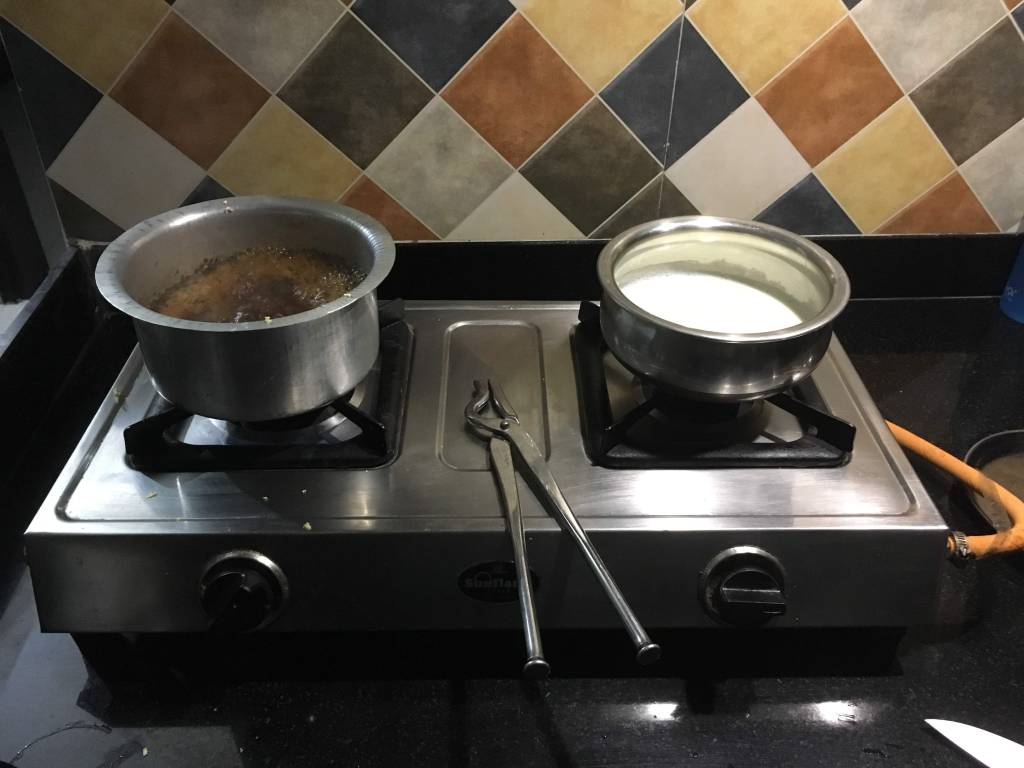
For boiling/pasteurizing the milk, there’s a separate “milk pot” that’s not used for other cooking. Apparently traces of some of the spices used in food will be left behind and can curdle the milk.

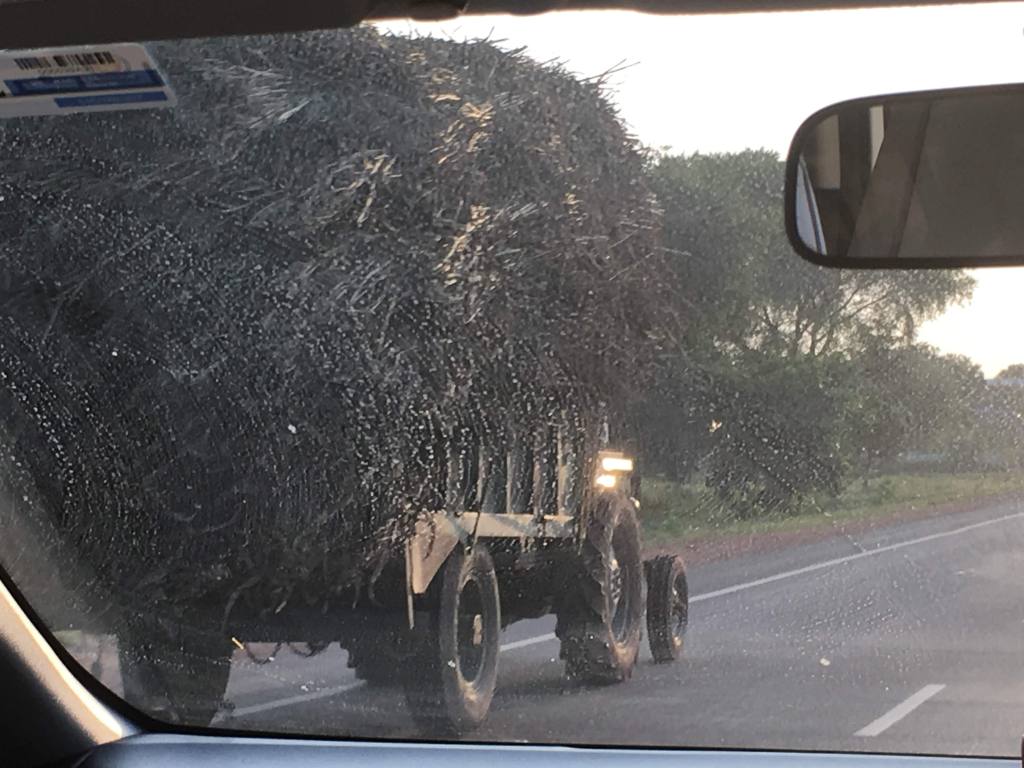
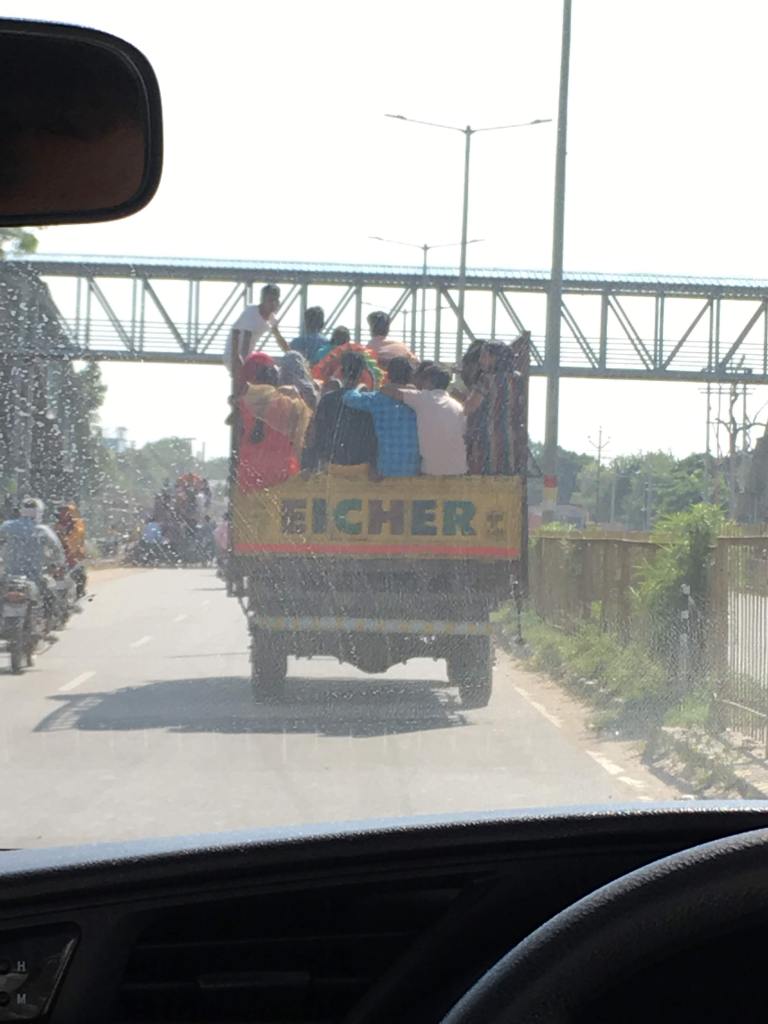
And it’s a bit of a non sequitur, but I thought I’d include transportation in this post. Thinking about how milk gets moved around the countryside is my link…

First, as I’m sure you’re all aware, the roads are CROWDED. We’ve been in traffic a couple times when the locals (whoever we’re in the car with) have proclaimed, “We’re lucky, no traffic today. ” Invariably, it looks like heavy traffic to us!
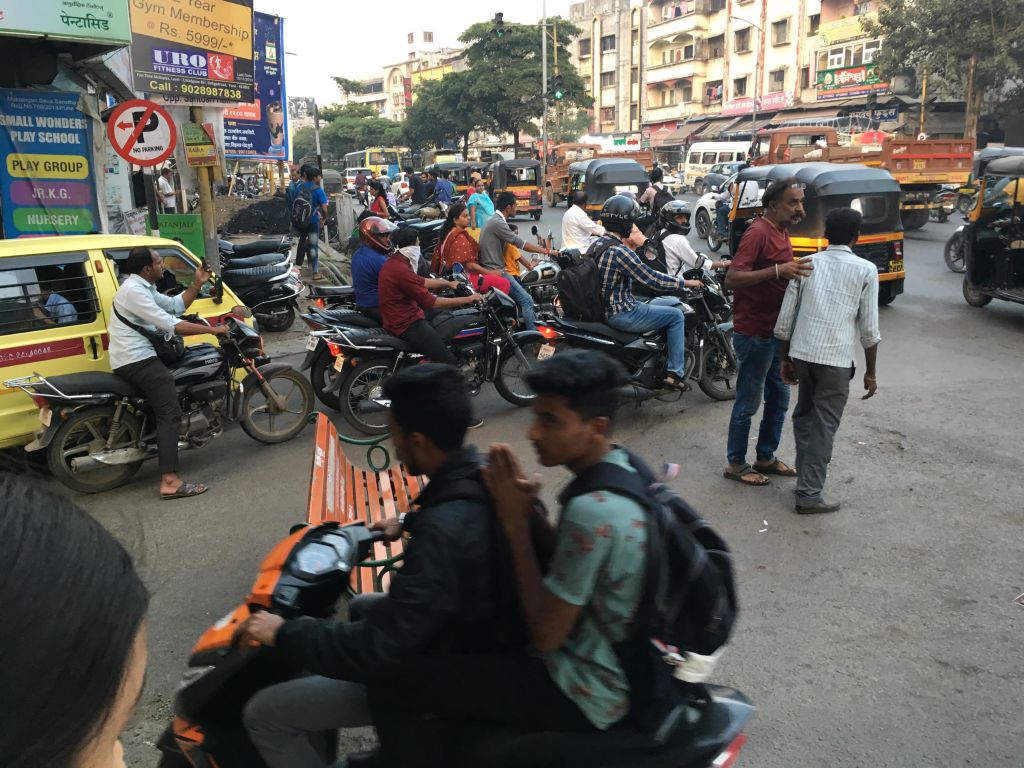
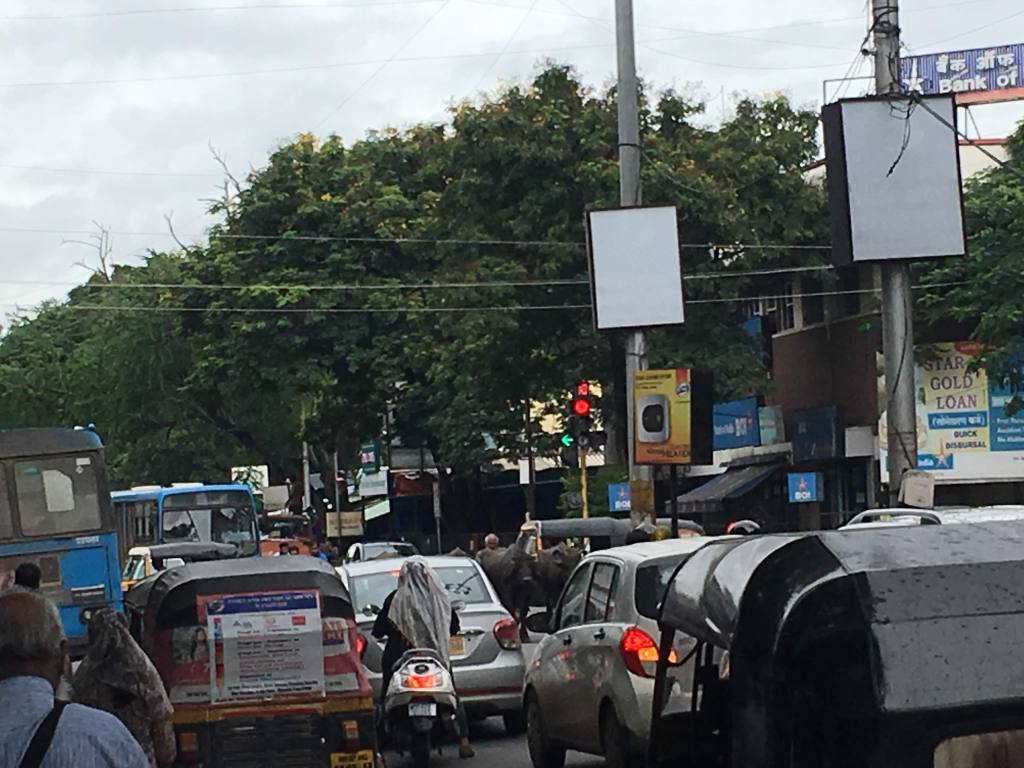
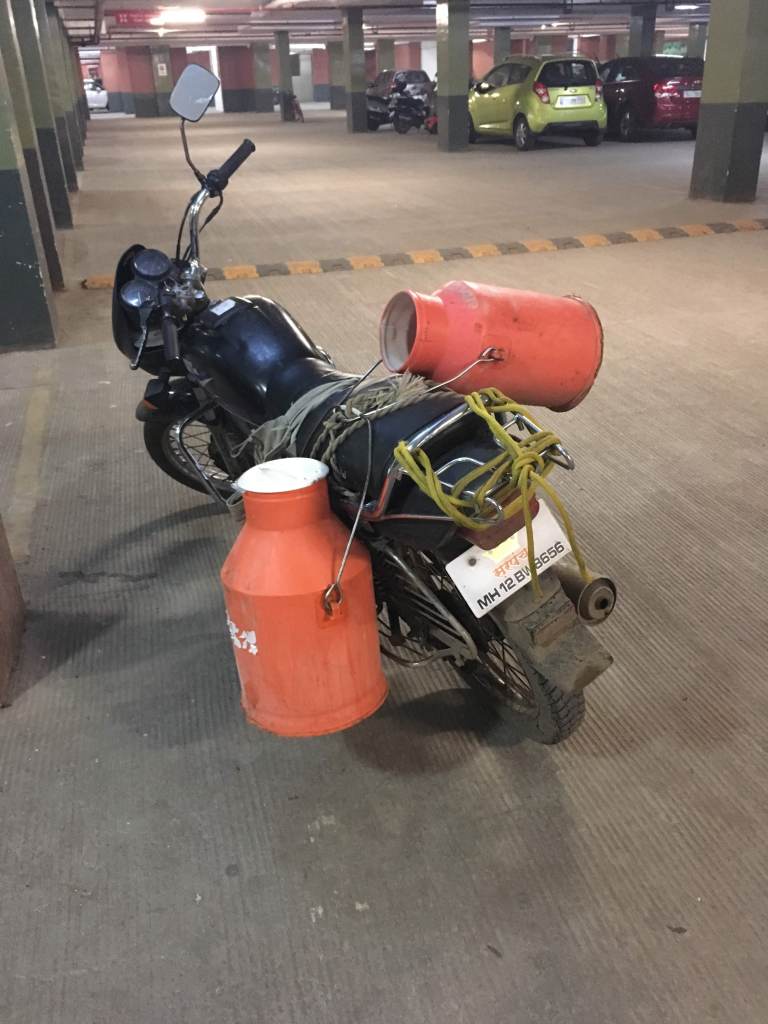
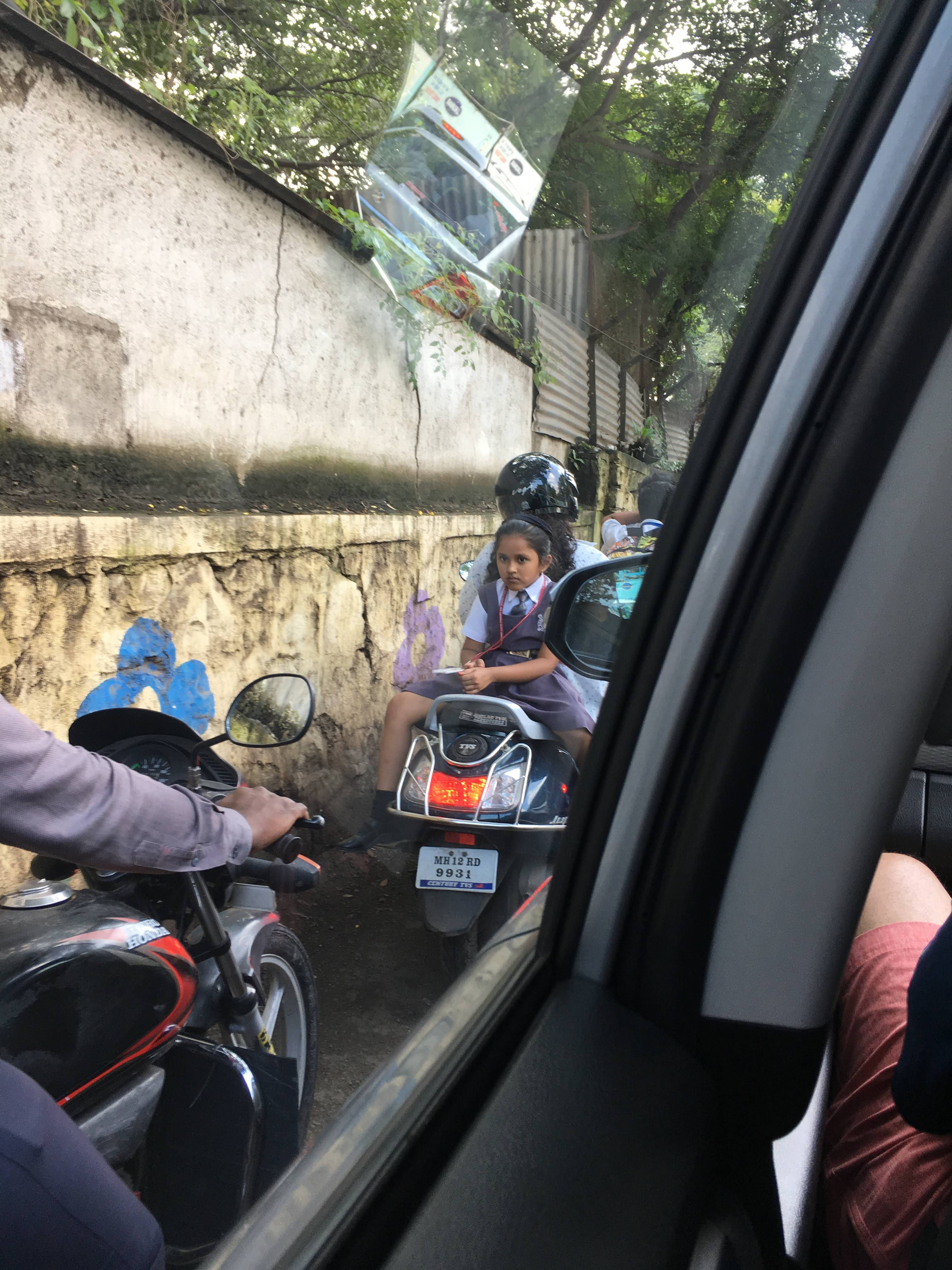
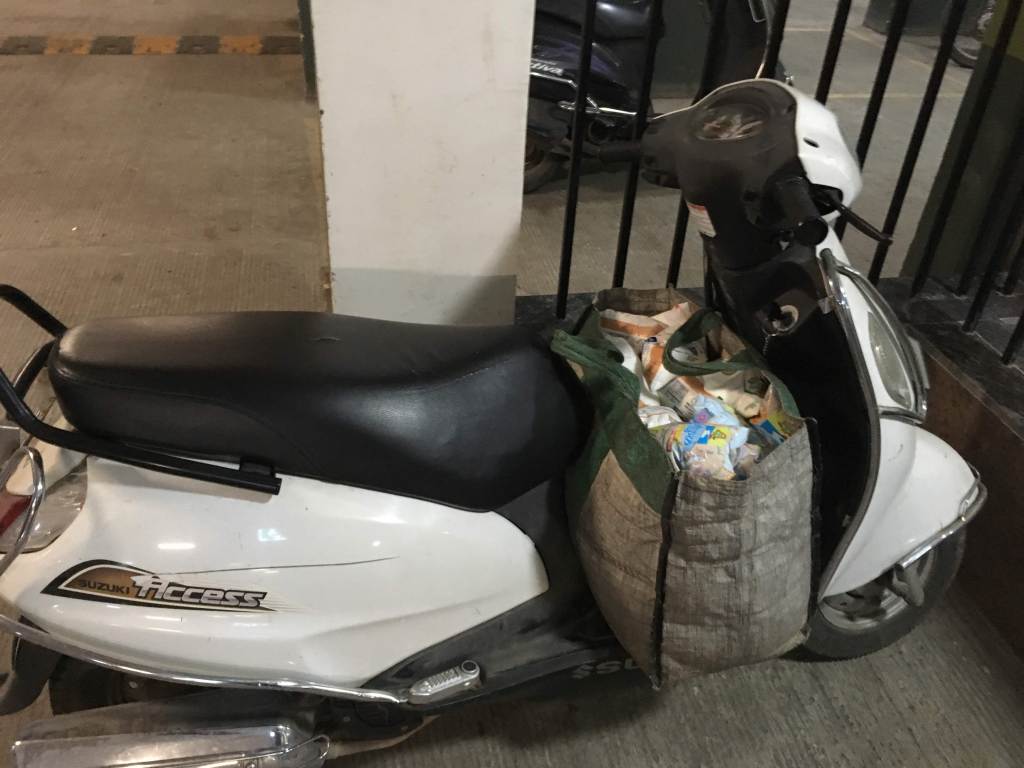
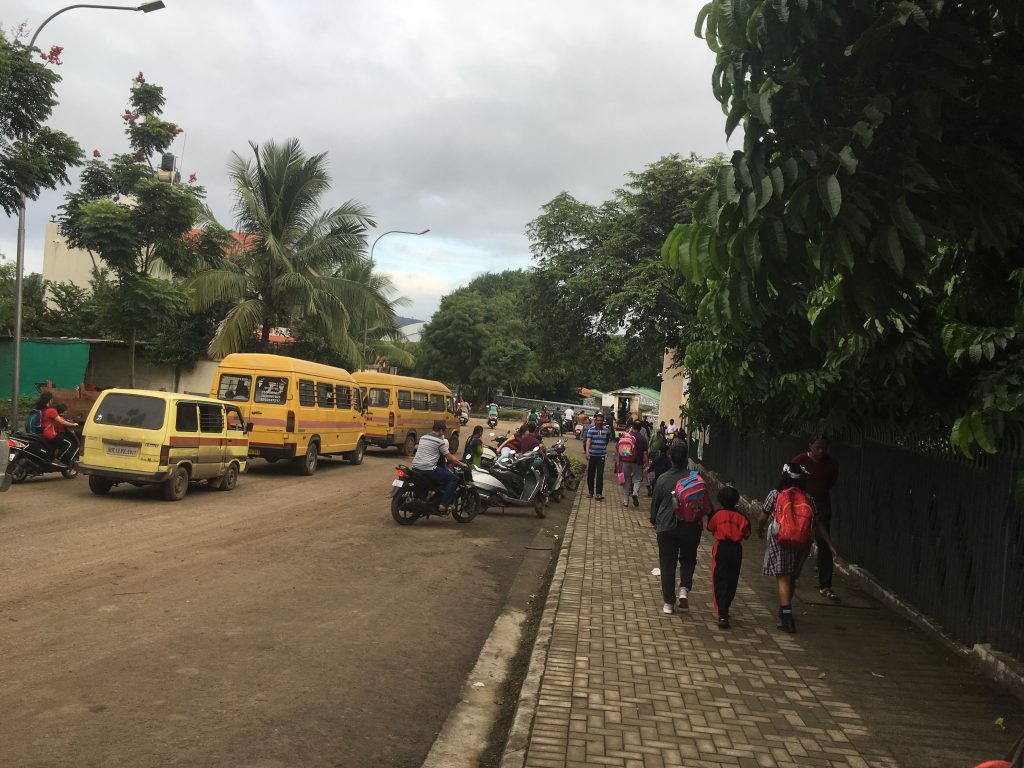
Scooters and motorcycles are abundant here. They’re how things (like the milk above) move around. Dozens of parents drop kids off at school by scooter.
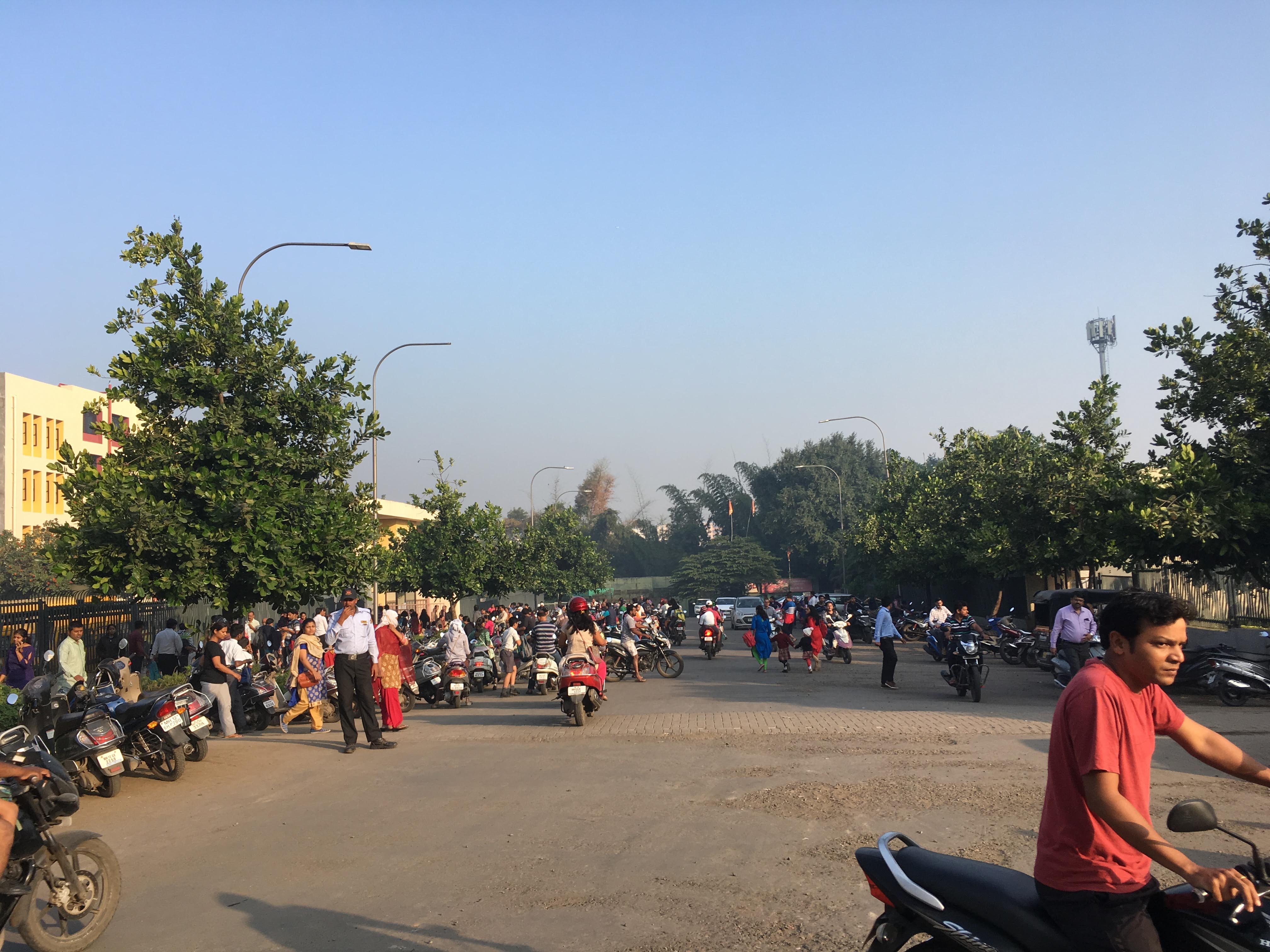
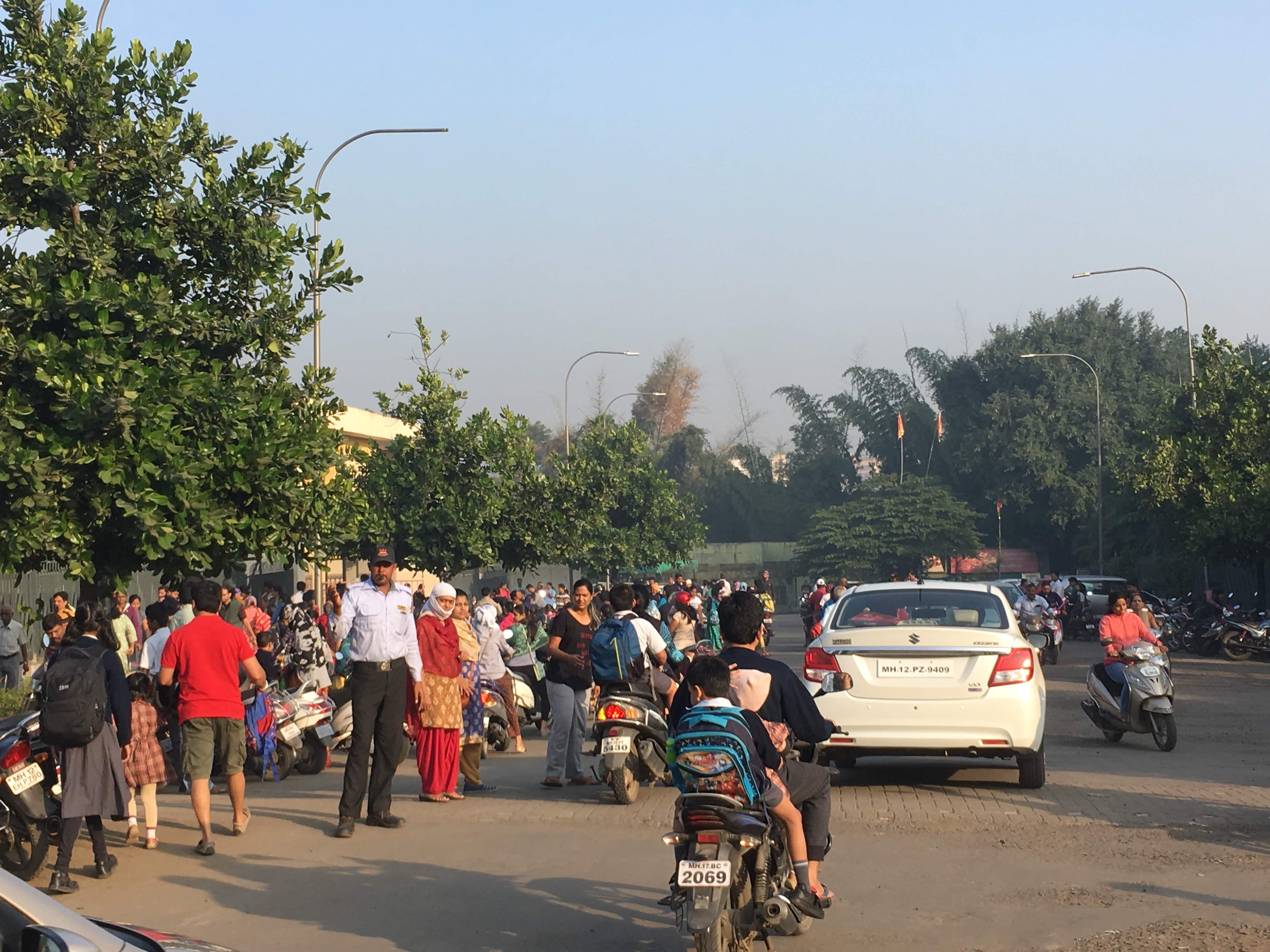
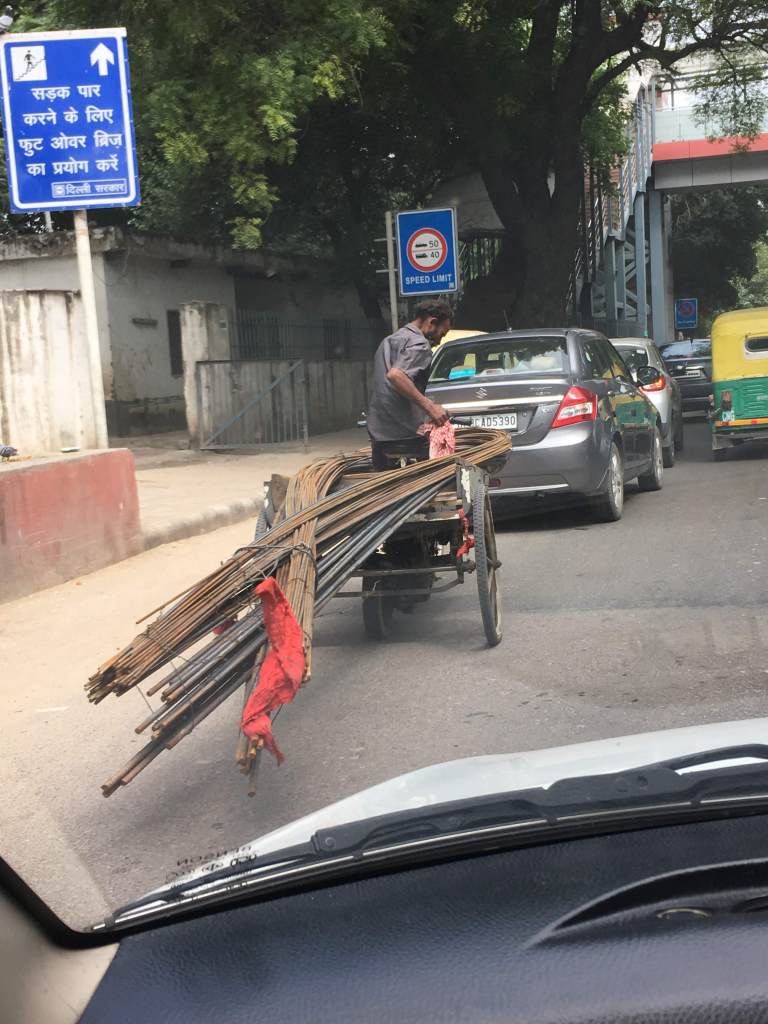
We’ve seen people carrying packages, groceries, ladders, sugar cane stalks, windows, clothing… You name it…. Oh right, and pizza!
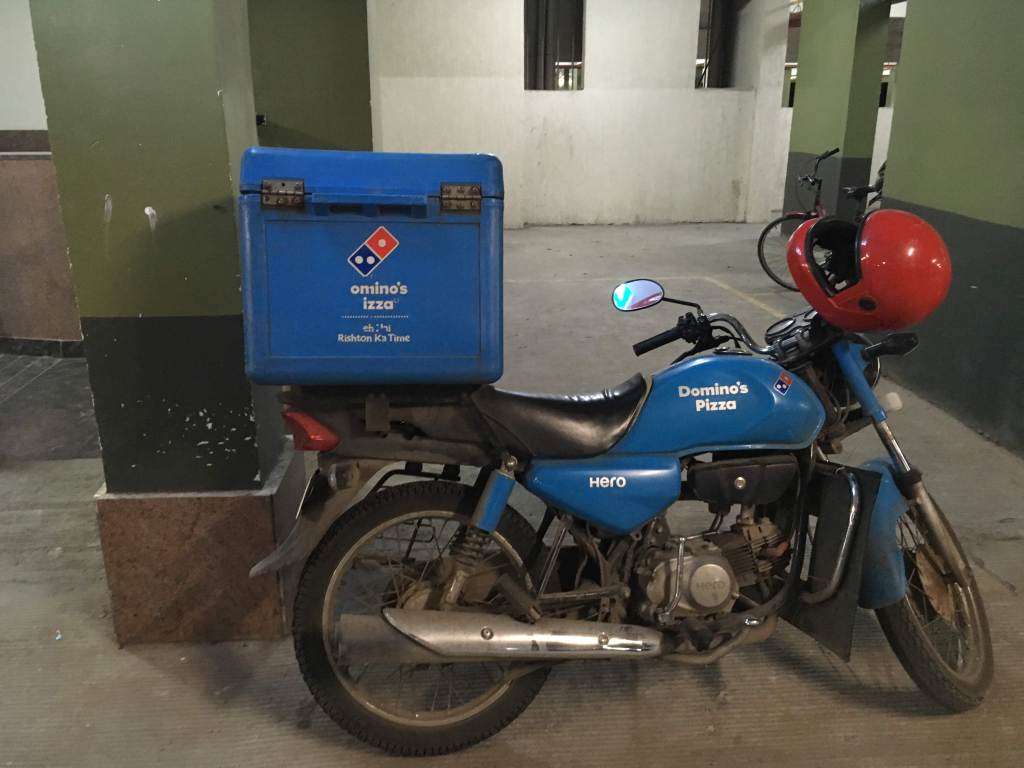
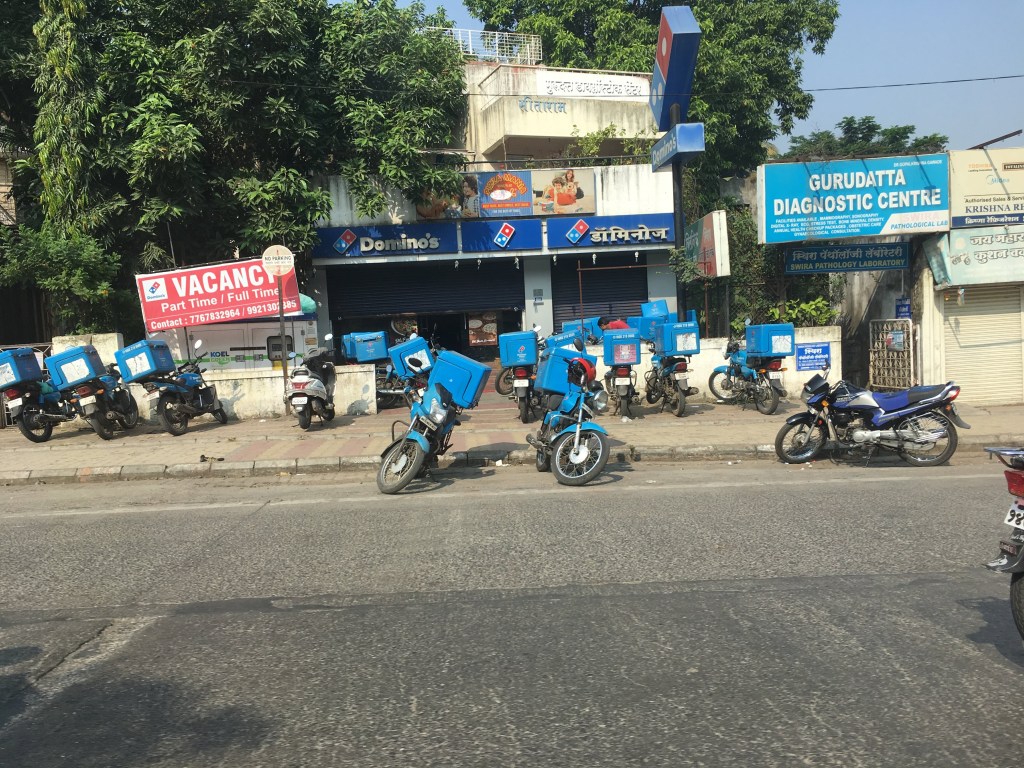
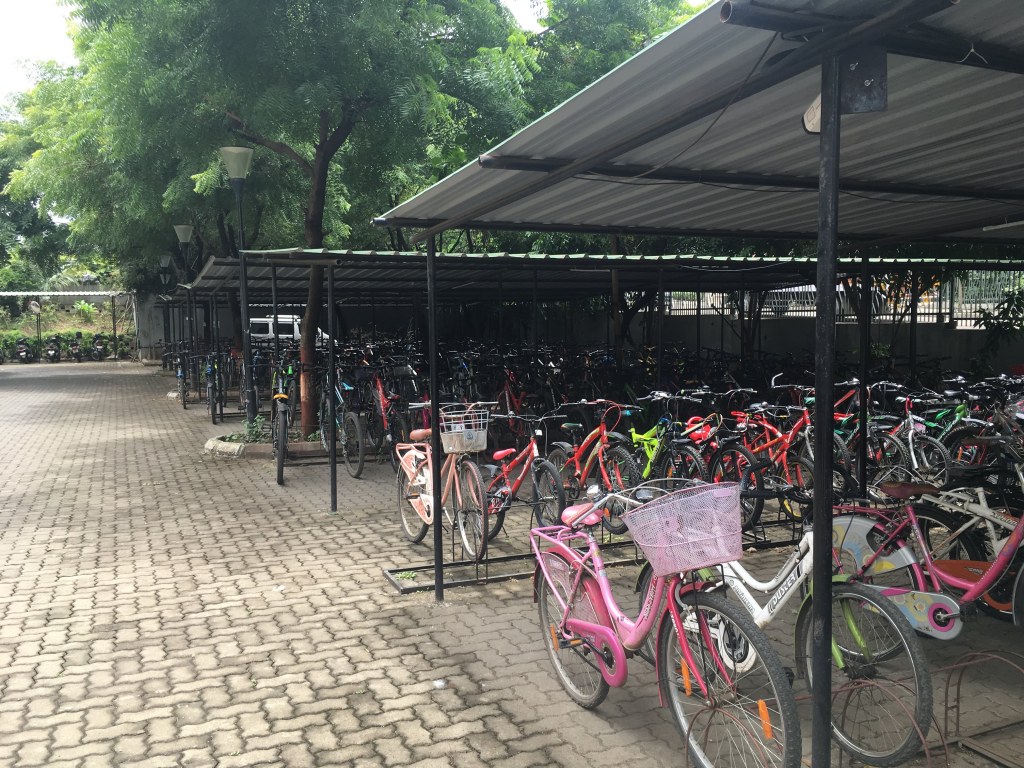
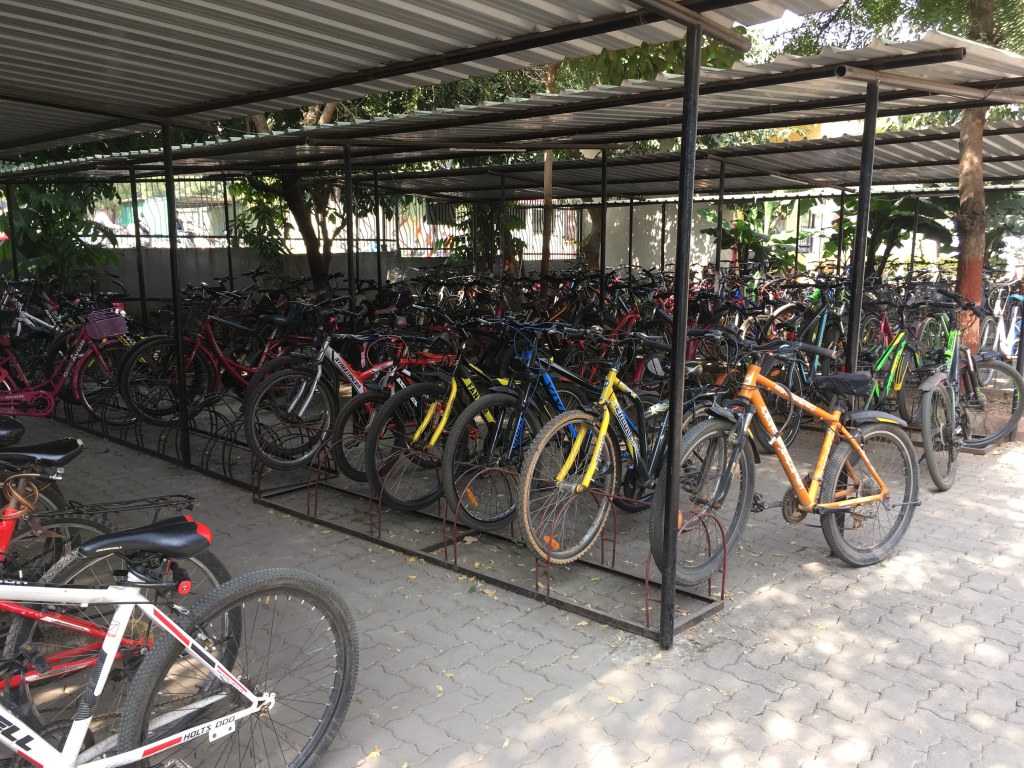
Bikes are also a common way to get around, and to school.
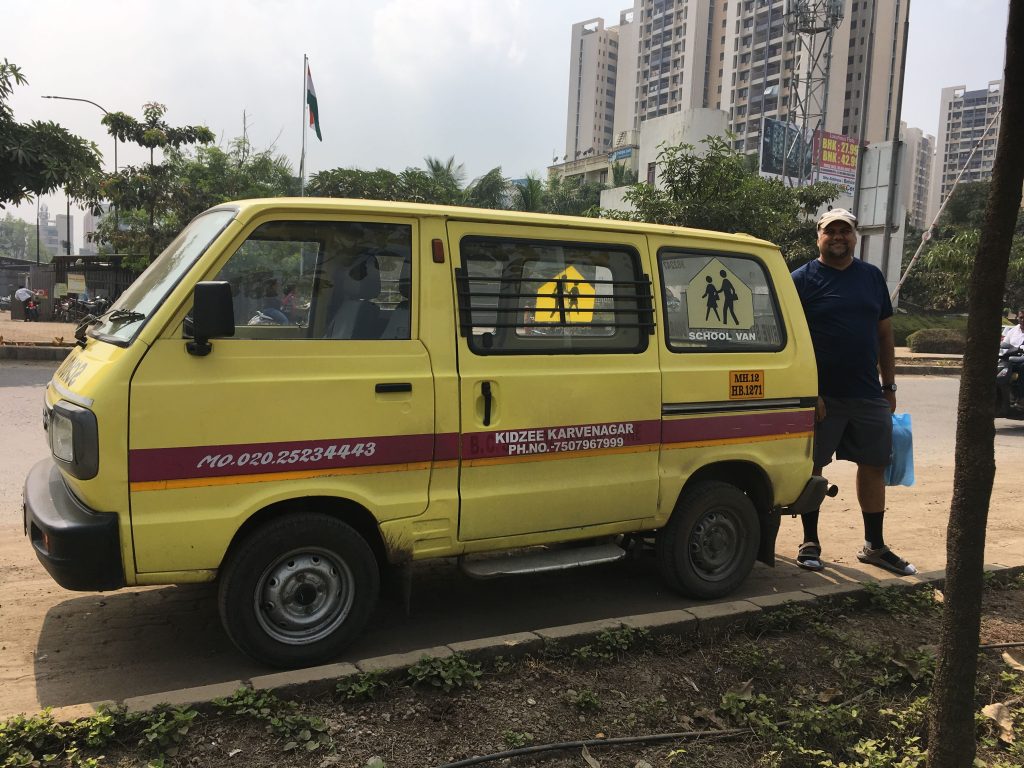
And to round out the school transport options, there are lots of busses of course. Here, MANY more people fit in one bus. Here’s one of my favorite images – the bus with the backpacks on top.
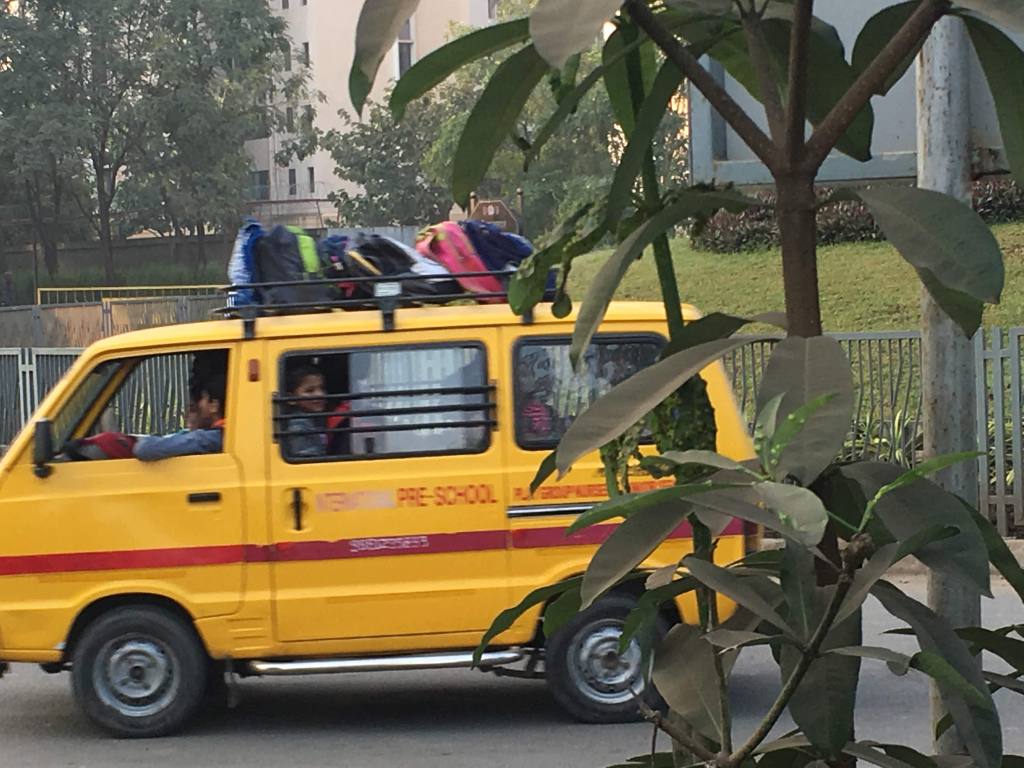
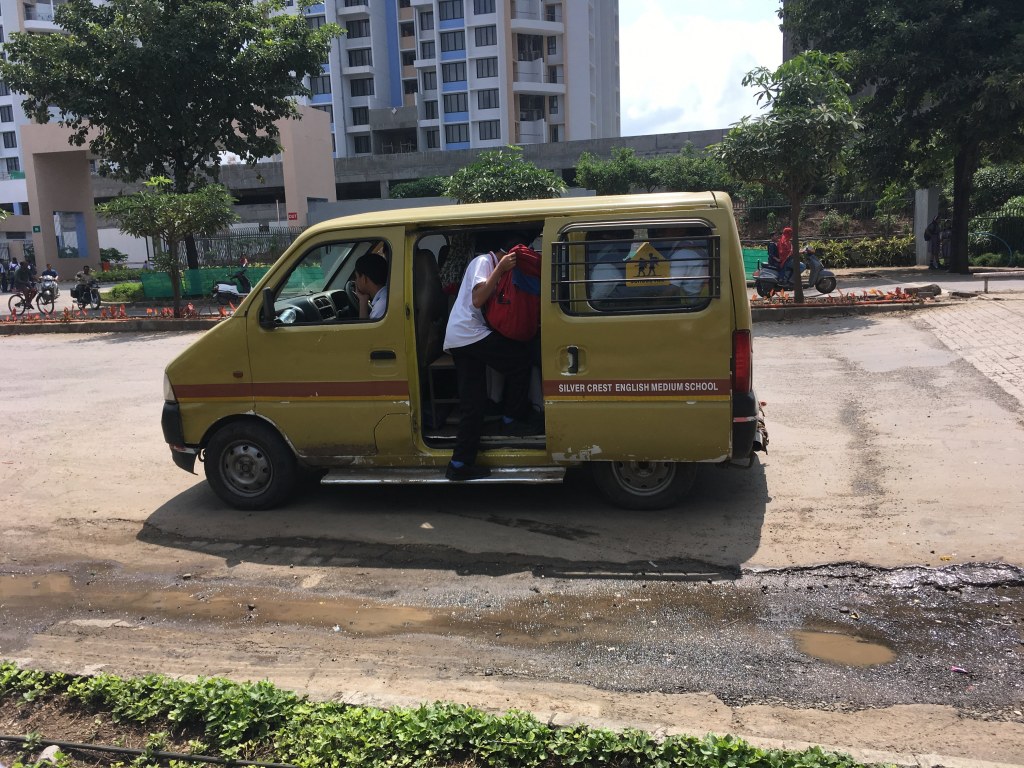
You might also notice the kids riding in the front seat.

Not for the faint of heart, but kids regularly standing on scooters, or sitting behind – even sideways and backwards. I even saw a baby in a bjorn while the mom was driving the scooter! Helmets are not regularly worn. (That said, we did see a great sign that said, “If you have a head, you need a helmut.”)
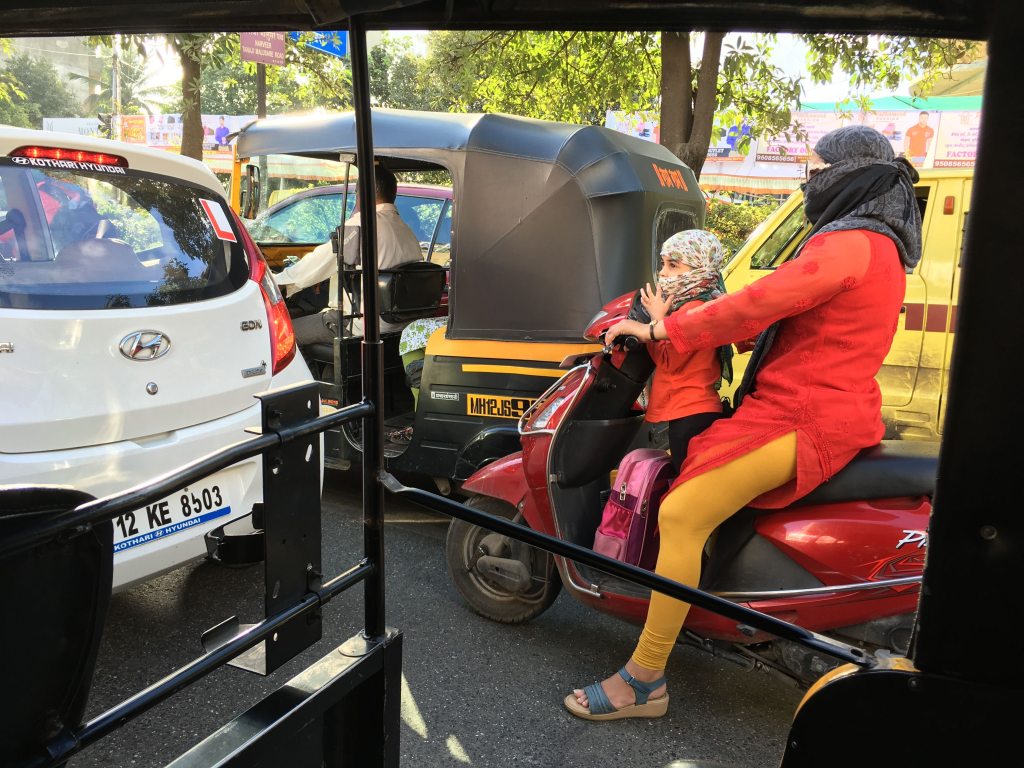
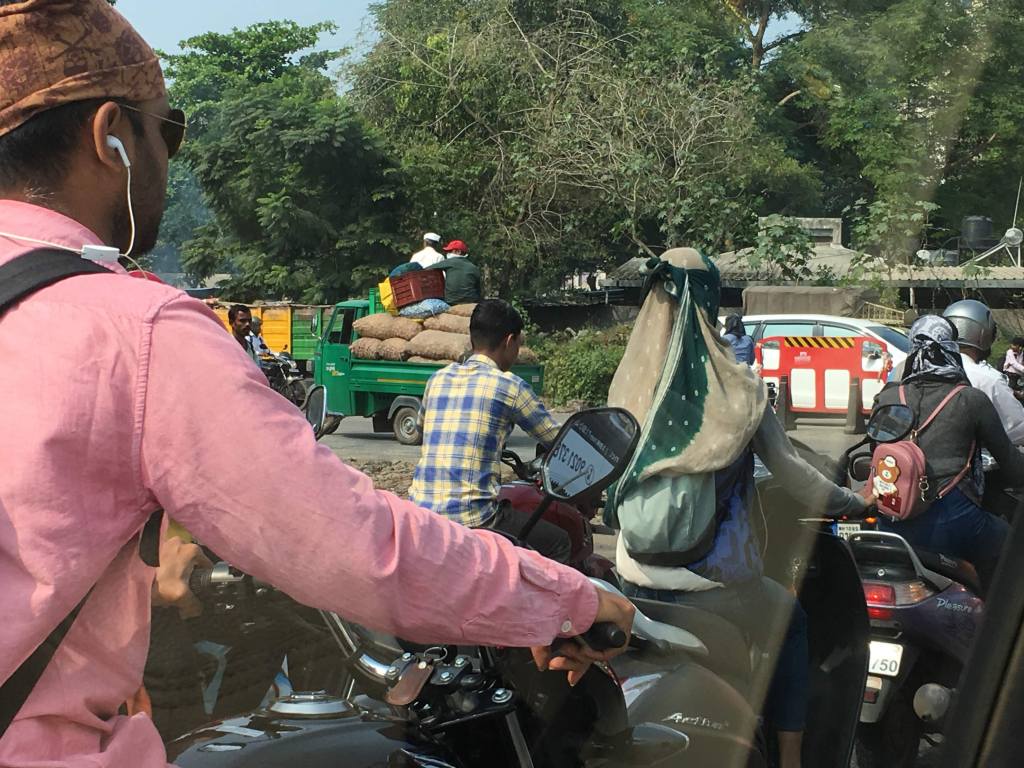
You’ll notice from this photo that – particularly this time of year – it’s common to have one’s face covered while on a scooter. There is a lot of dust, and that just helps.

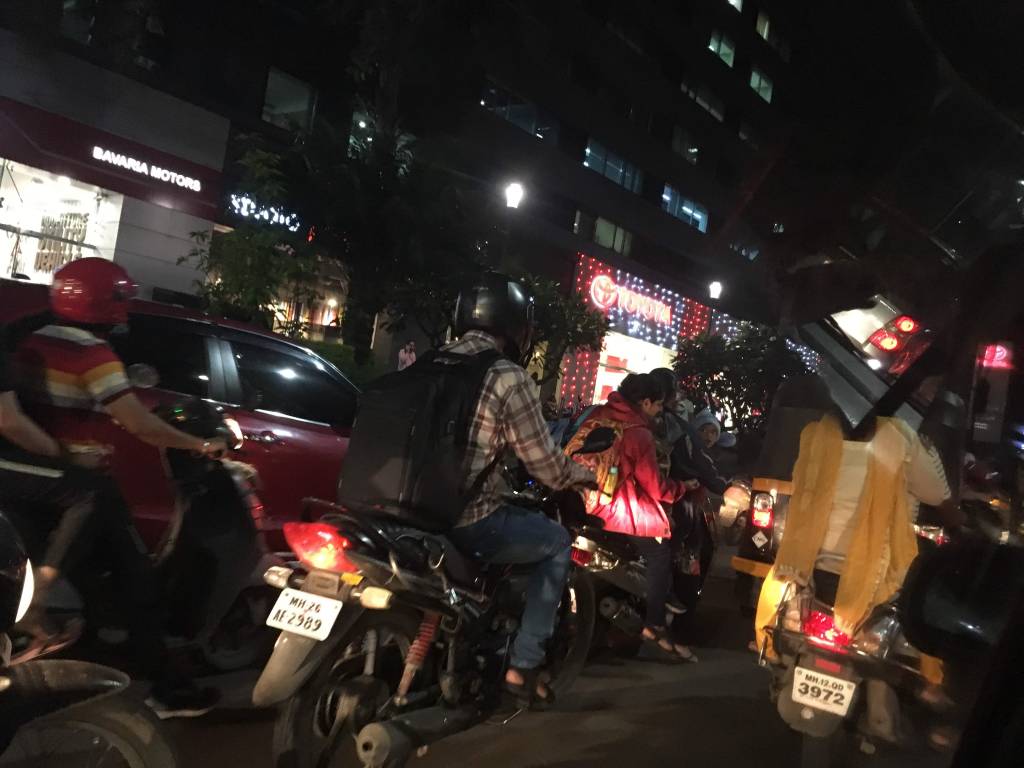
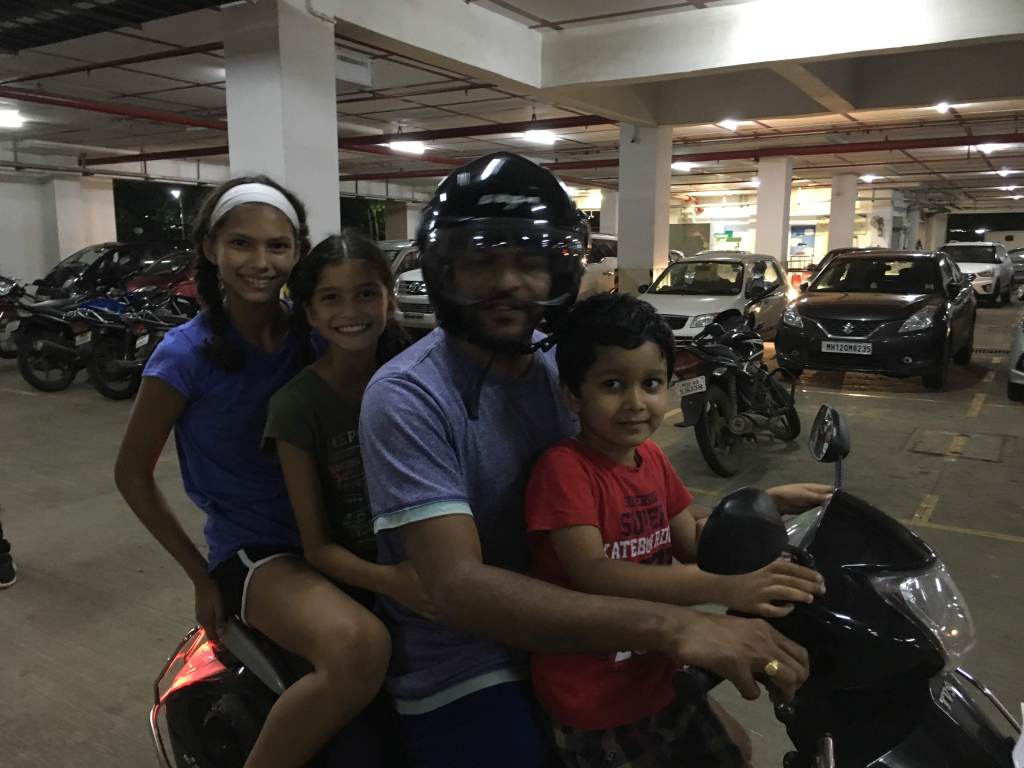
So how many people do you think should/could go on a scooter at once? I was thinking one or 2. Well, 3 here is a pretty regular thing, and we’ve definitely seen 4 and 5 on a scooter. In the US, we think we need an SUV for a family of 4. Here, they just need a scooter! I was on a mission to capture the less-common 4 – this picture (below left) shows a family. Can you find them? The kid in the front has on a hat -then dad, 2nd kid, and mom in a red jacket (with backpack) on the back. And then of course, Alex, Cadi and Swoyim with Nachiket.
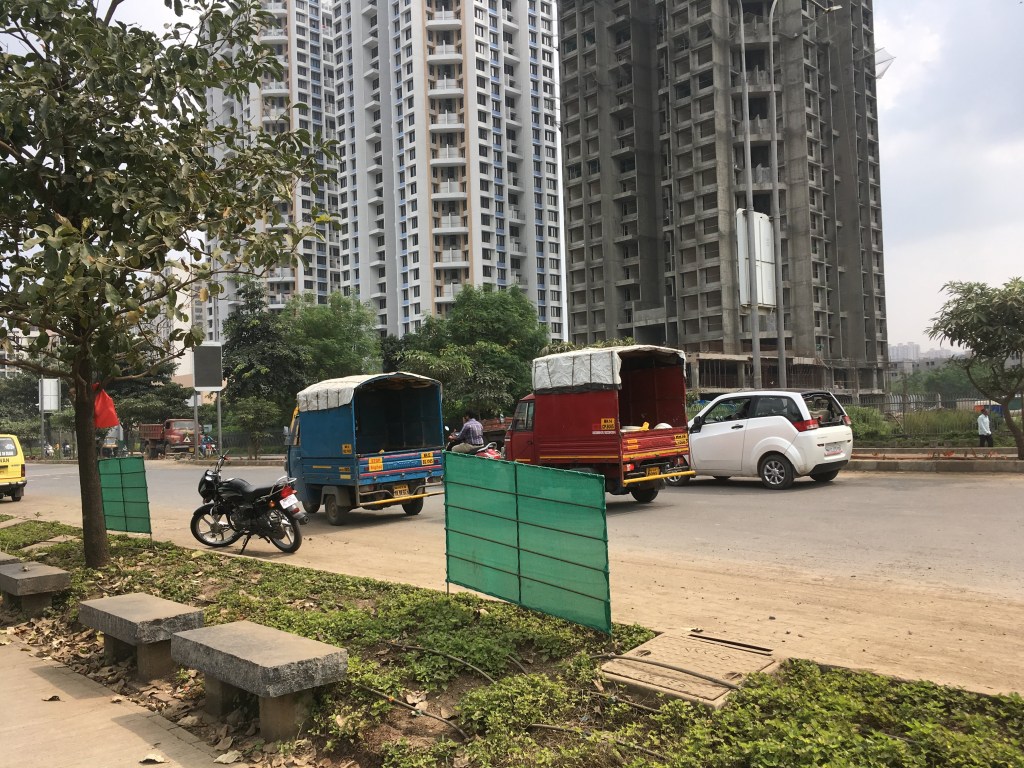
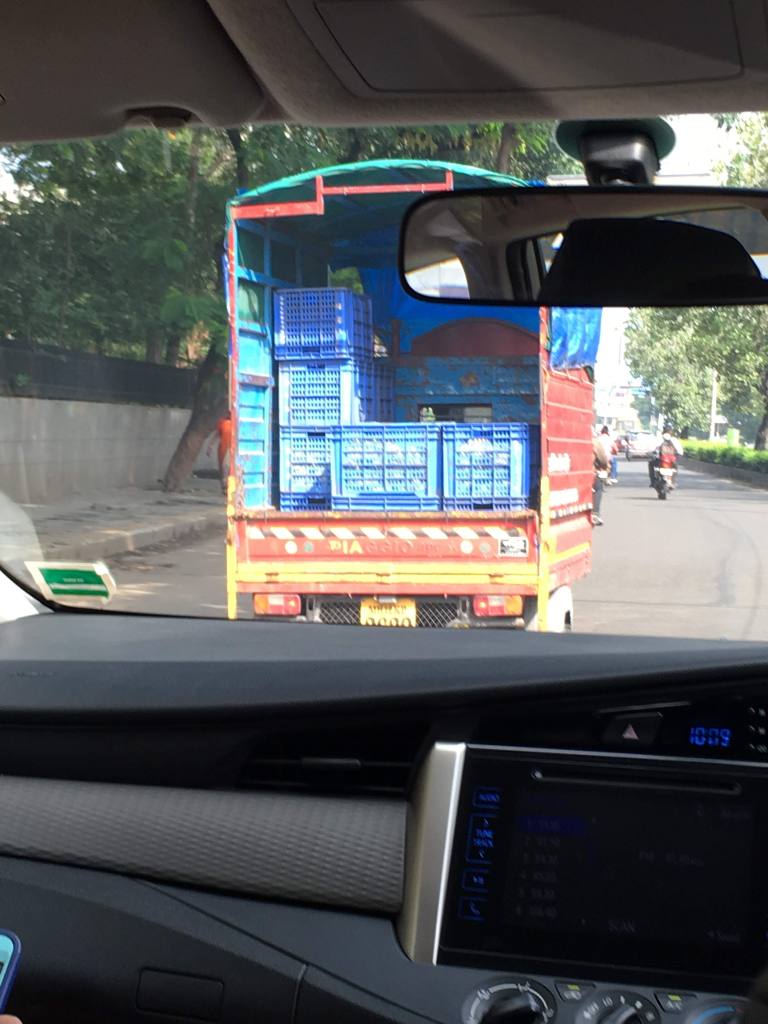
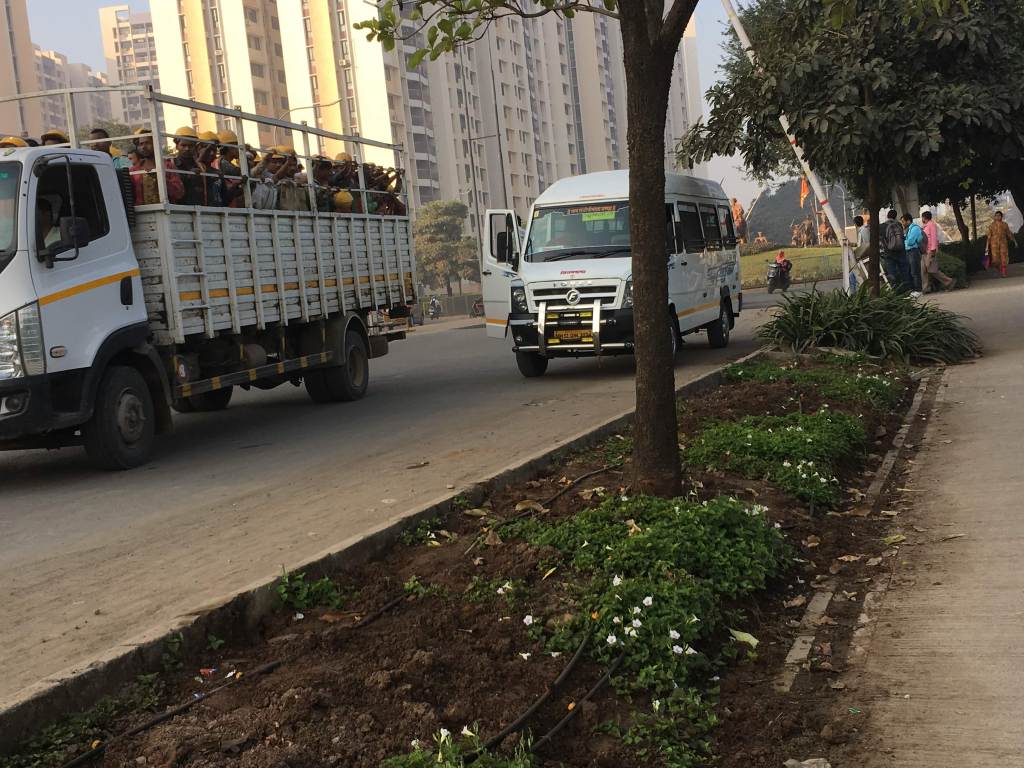
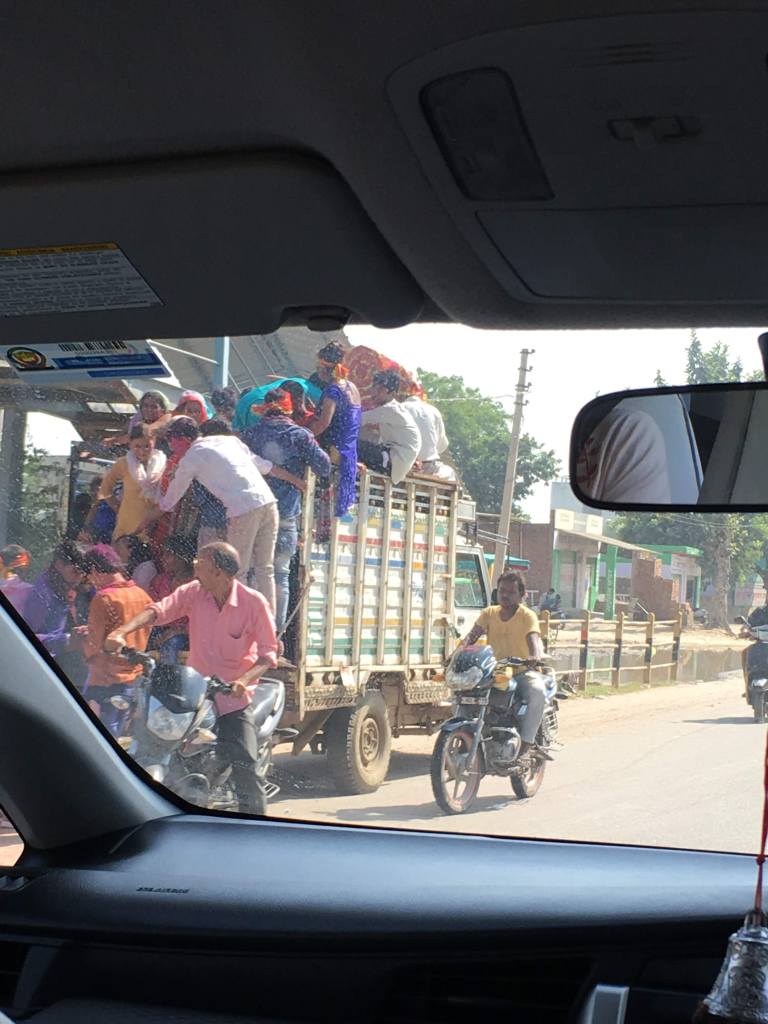
There are also tons of mini trucks that help things move around.
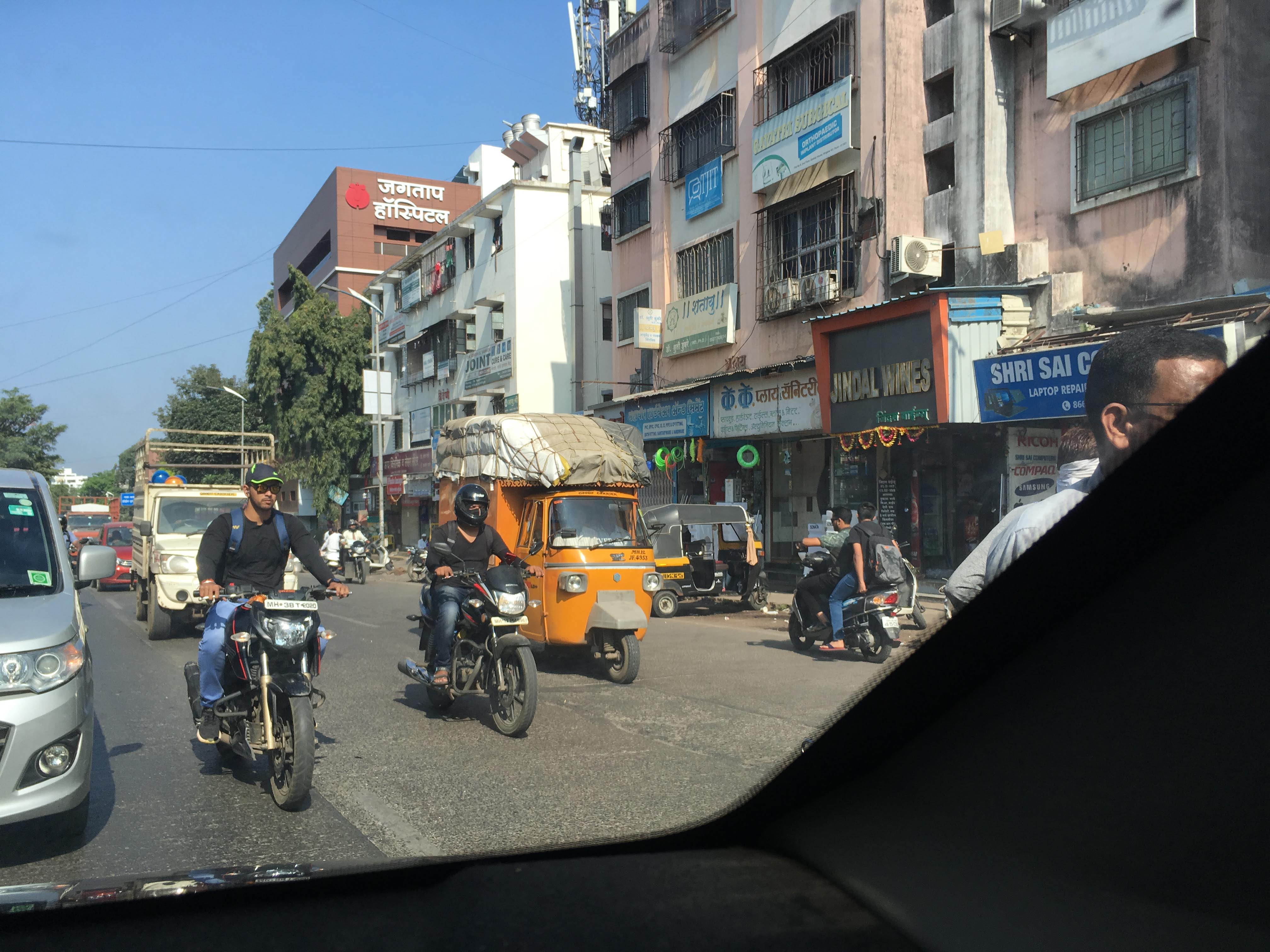
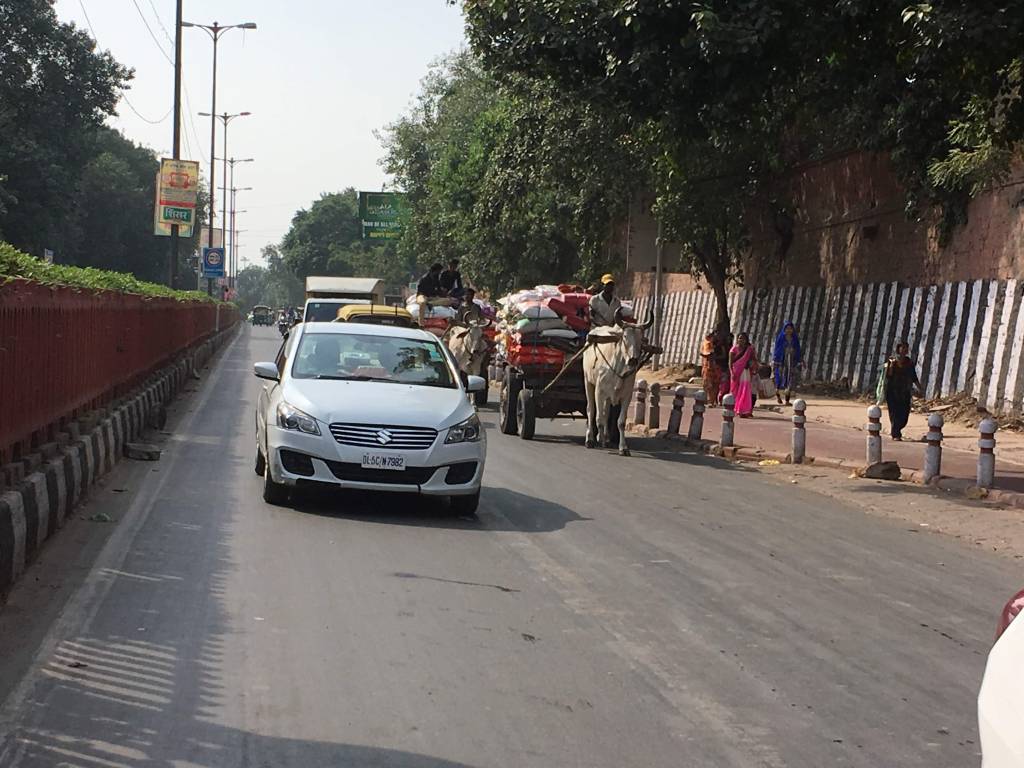
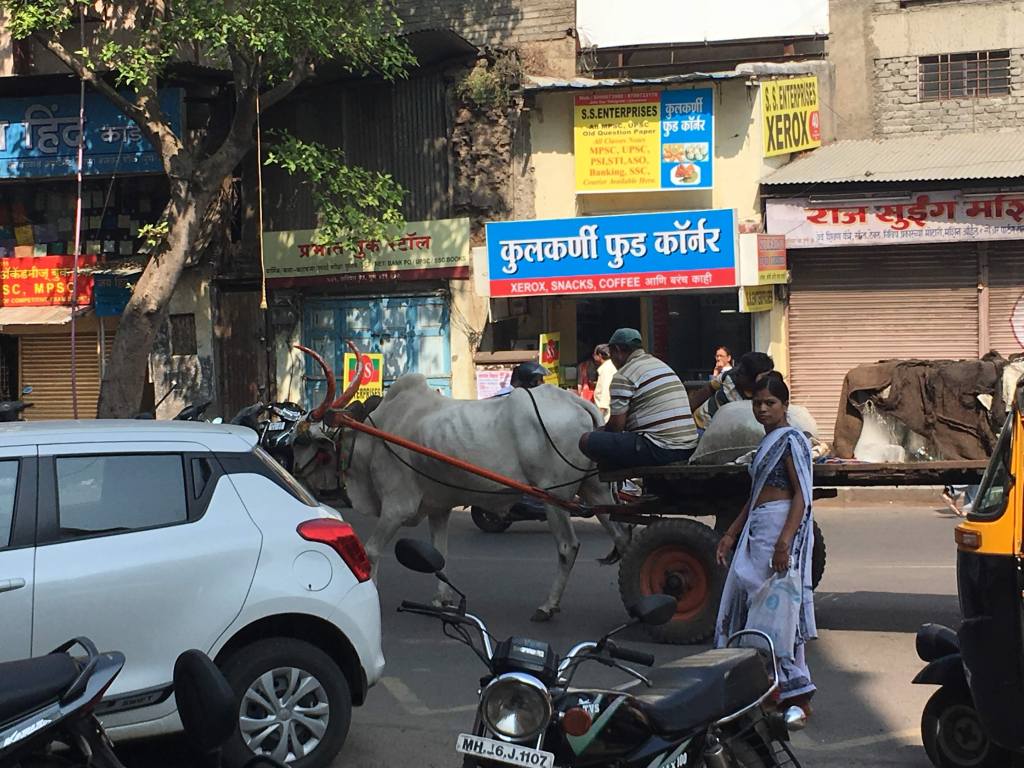
And finally, there are carts. I don’t have pictures, but you often see vegetable sellers with these carts as well.
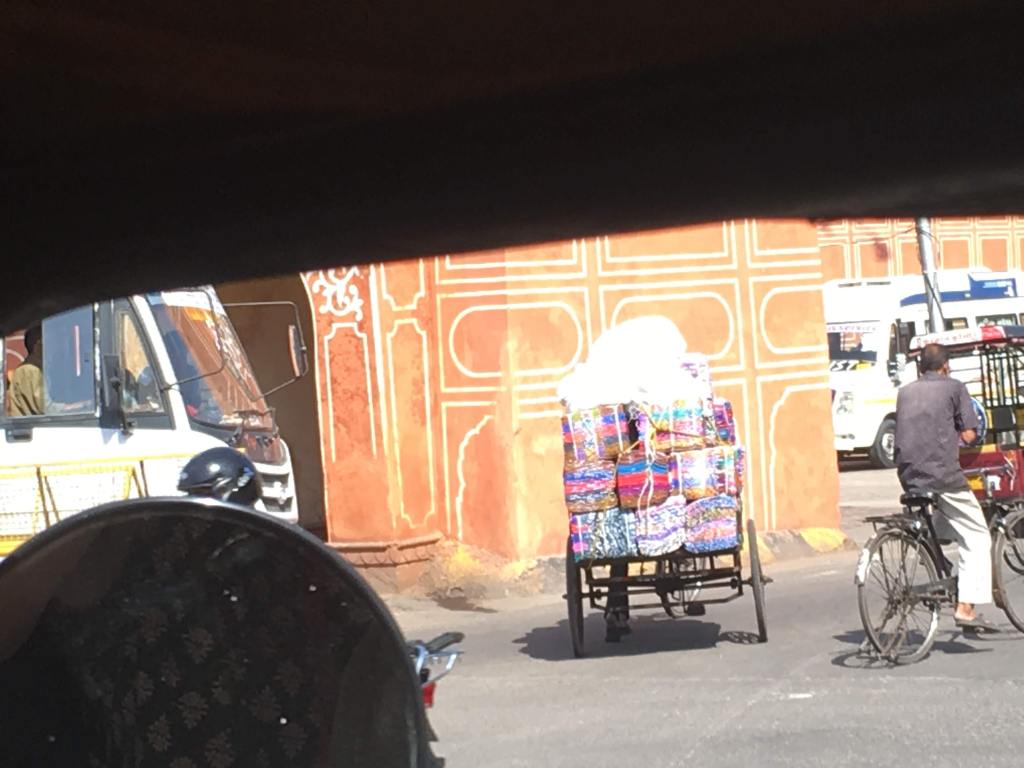
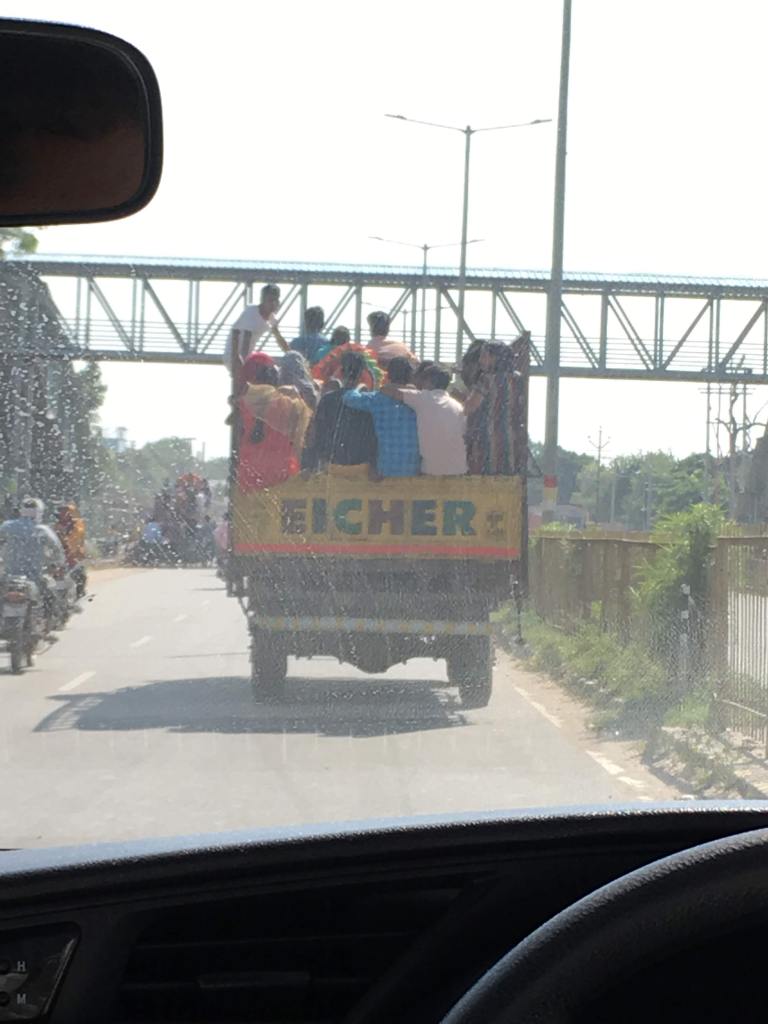
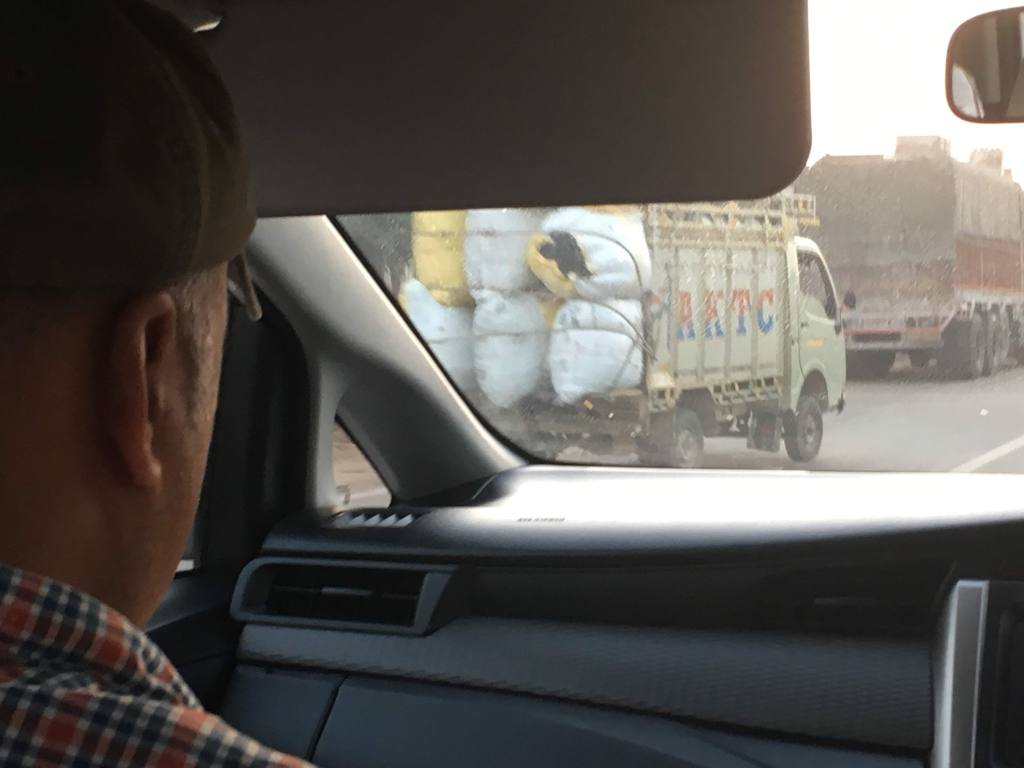
And any type of vehicle will be PACKED. The sense of space in the US is pretty different from India…
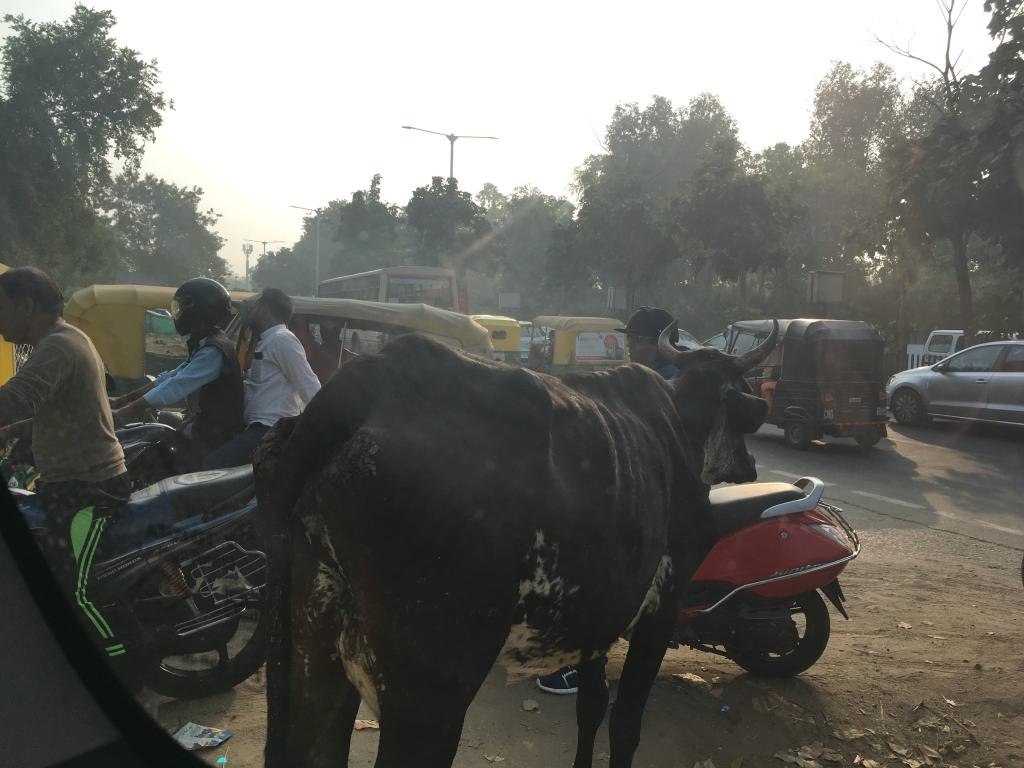
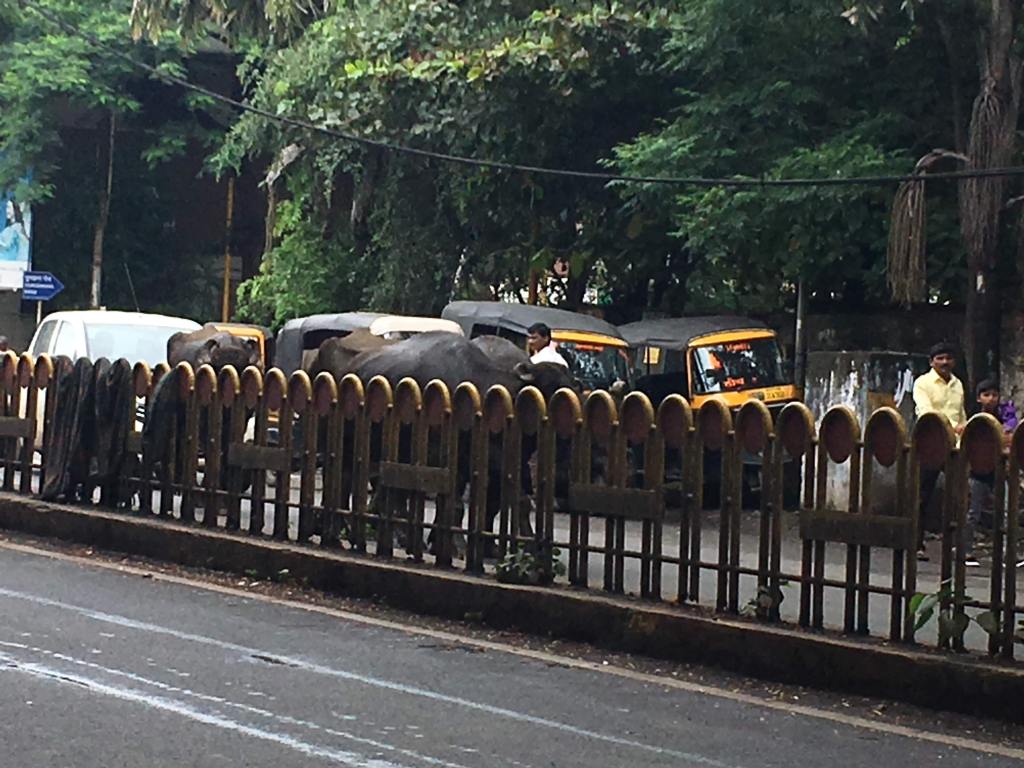
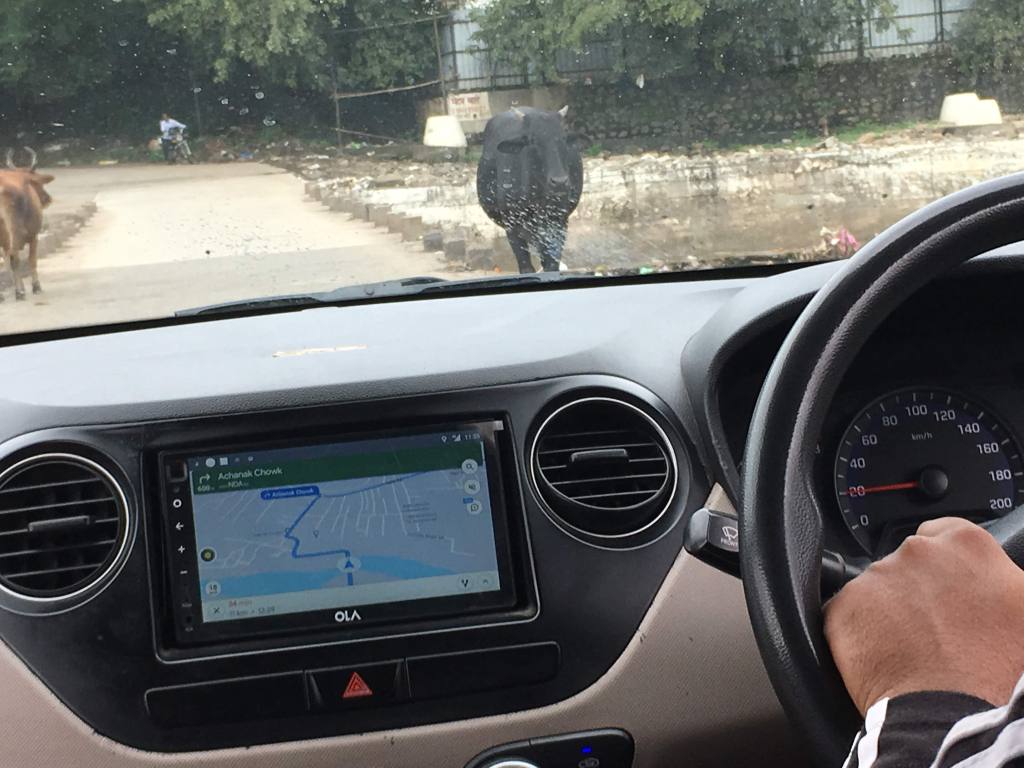
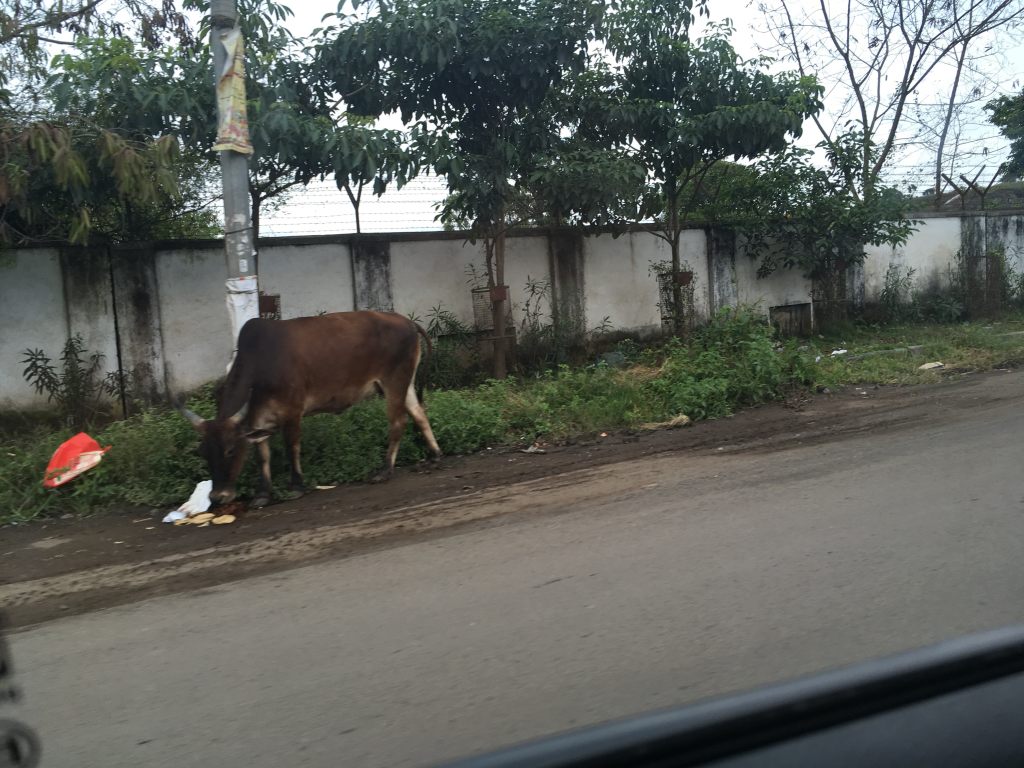
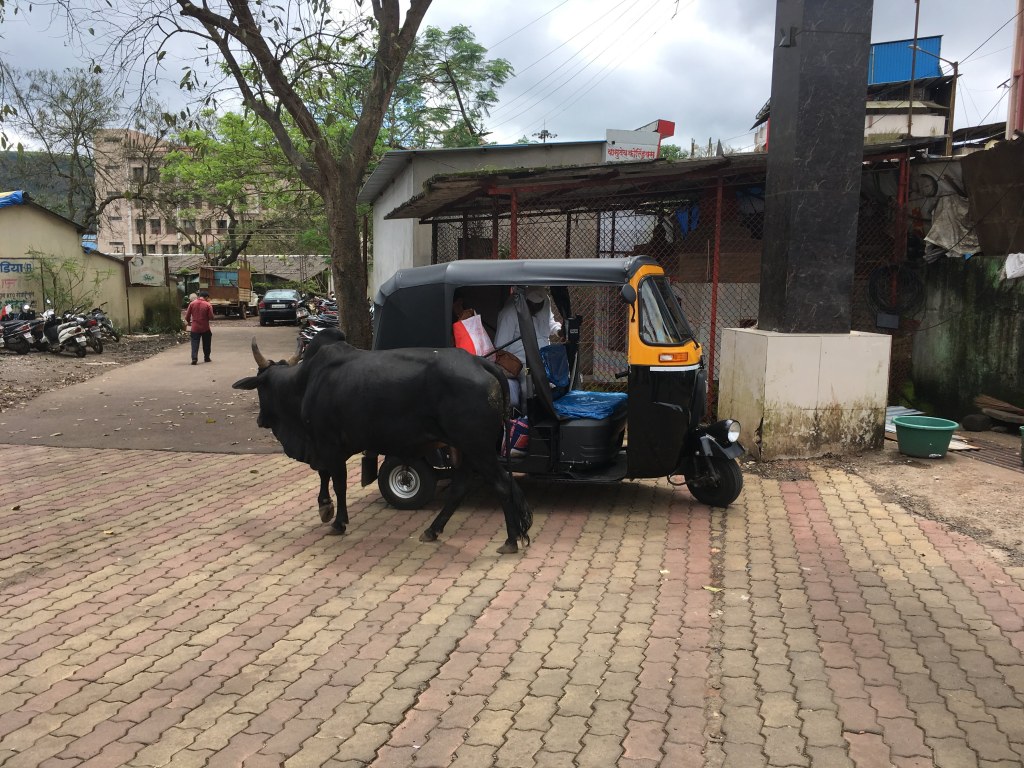
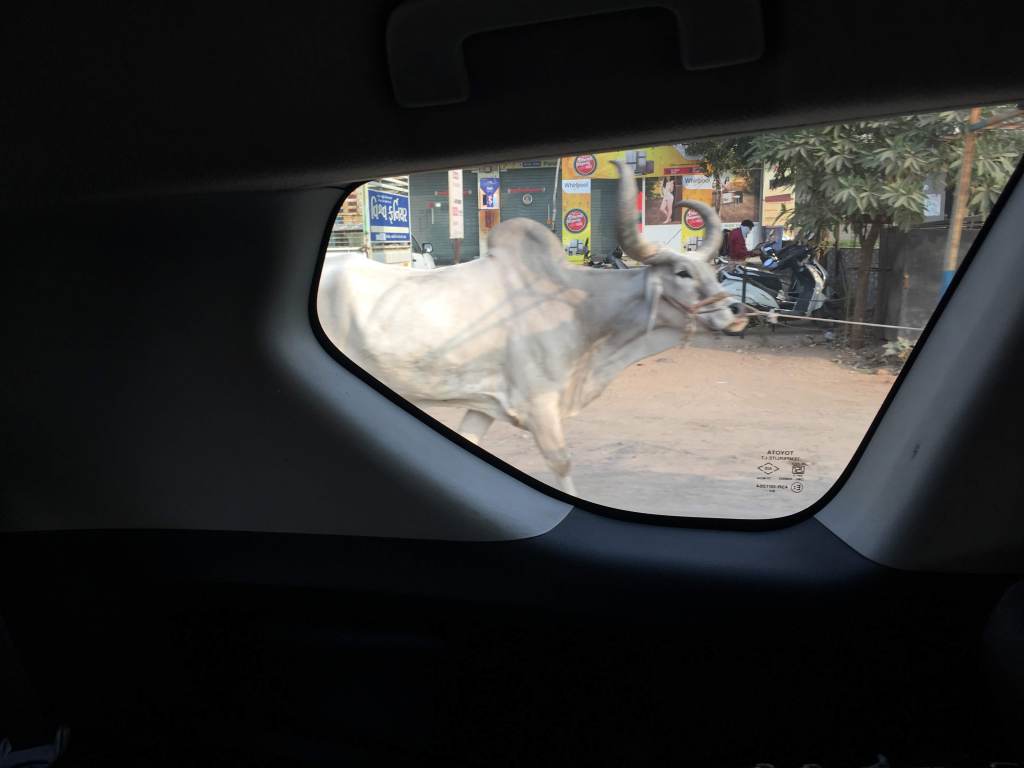
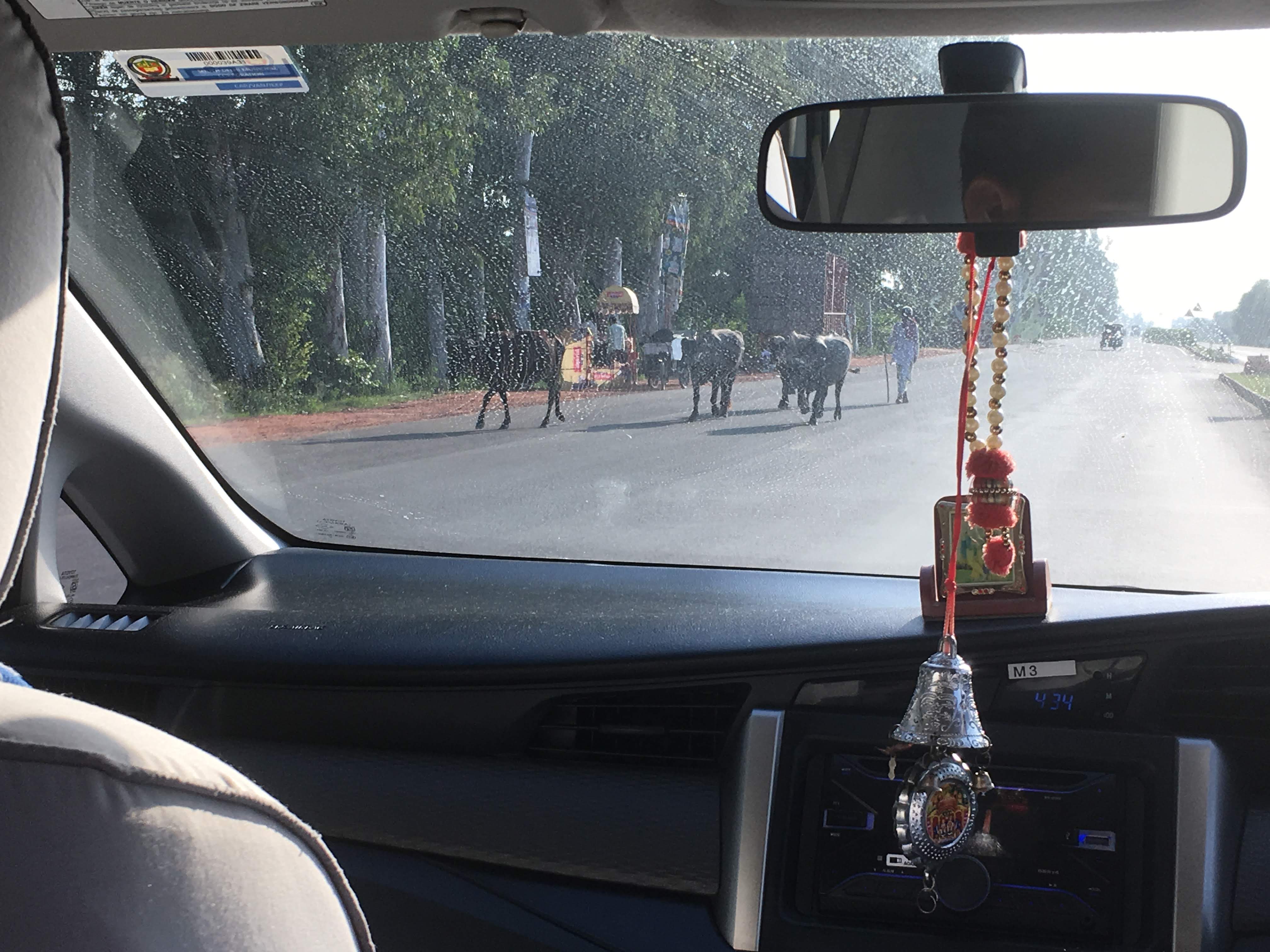
And we’ll end on a collage of cows – all taken on the raod. Cows are of course common place and sacred. So they roam around, go on the road, and cars and people avoid them….
And I realize now that I didn’t write about rickshaws… Perhaps another time….

Thanks for reading!
More Mundane… but just as interesting

“Do not be a person of your time

Daily Life

I realized we’d been doing so many posts about travels and visits that we really haven’t offered much insight into the day-to-day. So, here’s a post with a few topics.

Food and Cooking

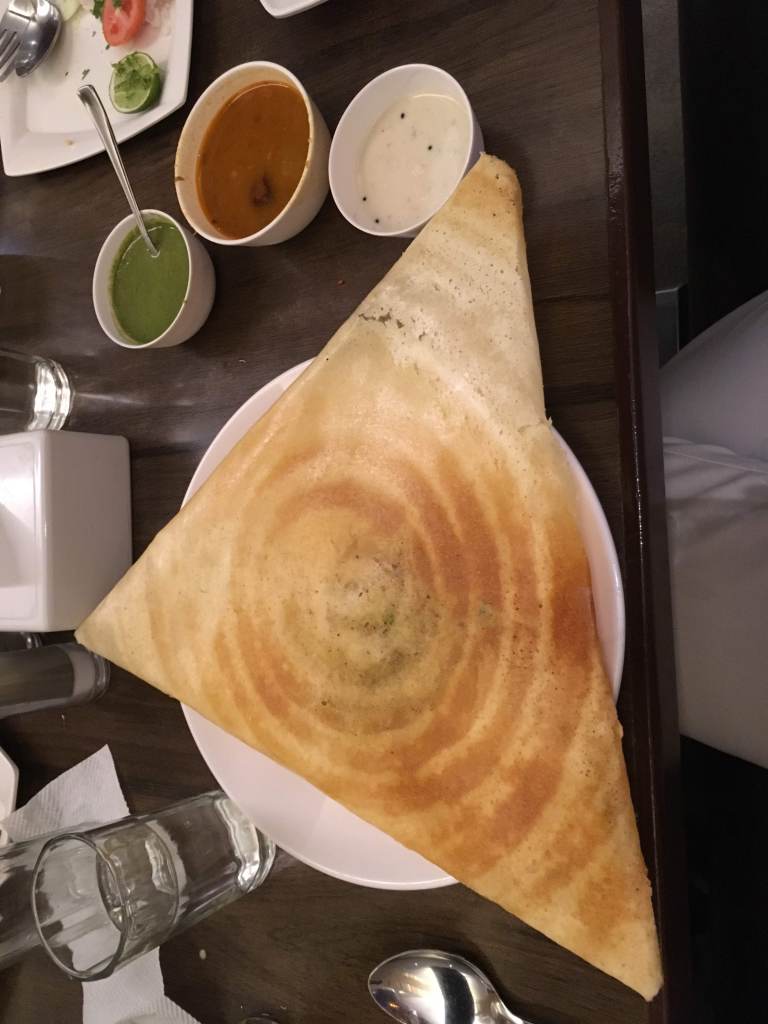
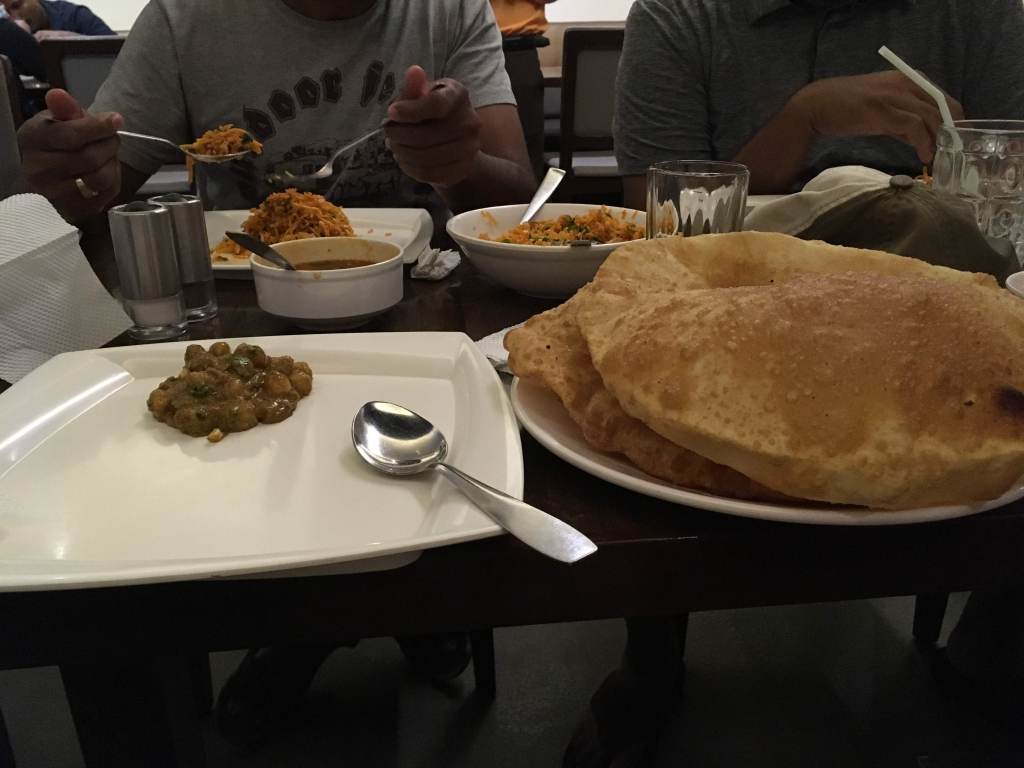
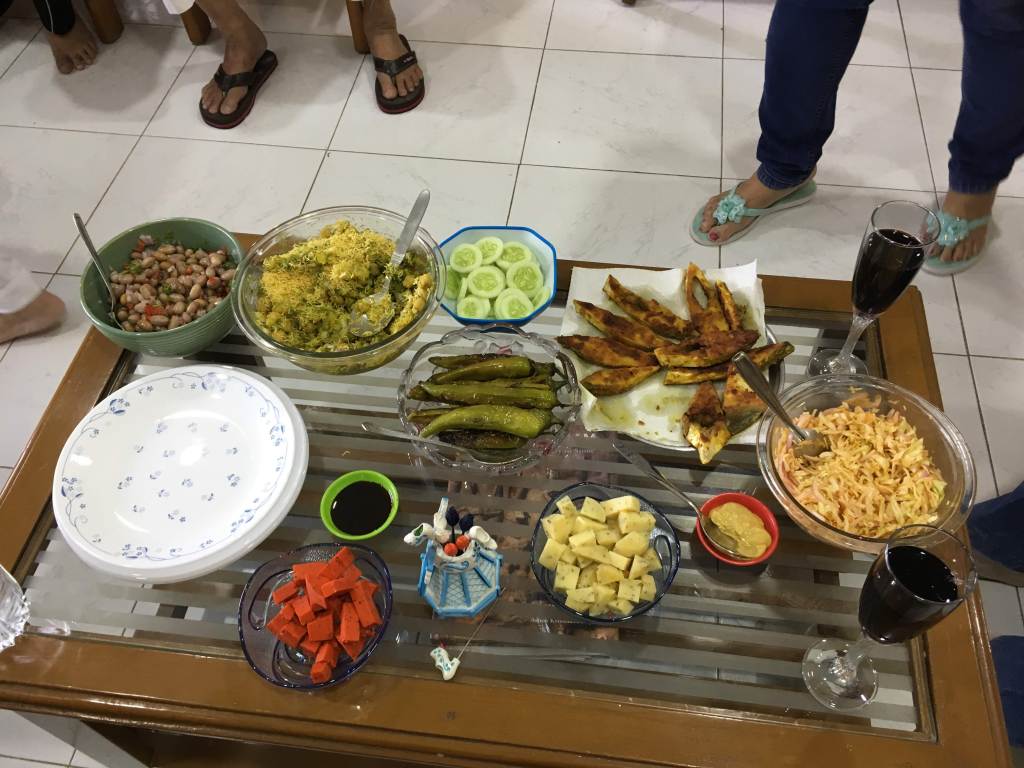
Here are just a few pics of amazing meals we’ve had.

Getting meals on the table is a little different here.

First, there’s only a cooktop. Some people have ovens, but not many. People don’t seem to have microwaves either.

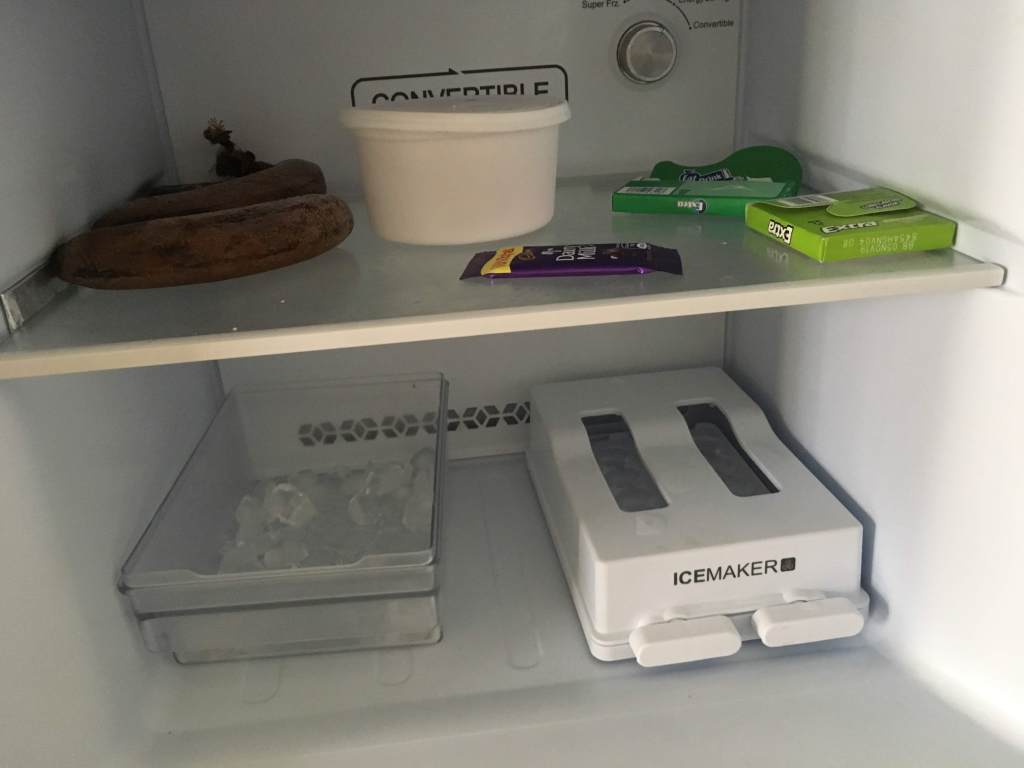
I don’t have a pic of the fridge, but it’s much smaller than at home. Note that our freezer isn’t full because there really aren’t many frozen foods to buy! You can see we keep our gum in there — otherwise it gets really oozey and floppy. Also, there are bananas, ice cubes, and we have some frozen falafel on the side door, along with frozen peas. That’s one of the only frozen vegetables we’ve seen around here. The Freezer Section at one grocery store is basically 1 large case. At the other place we grocery shop, there is no freezer section.

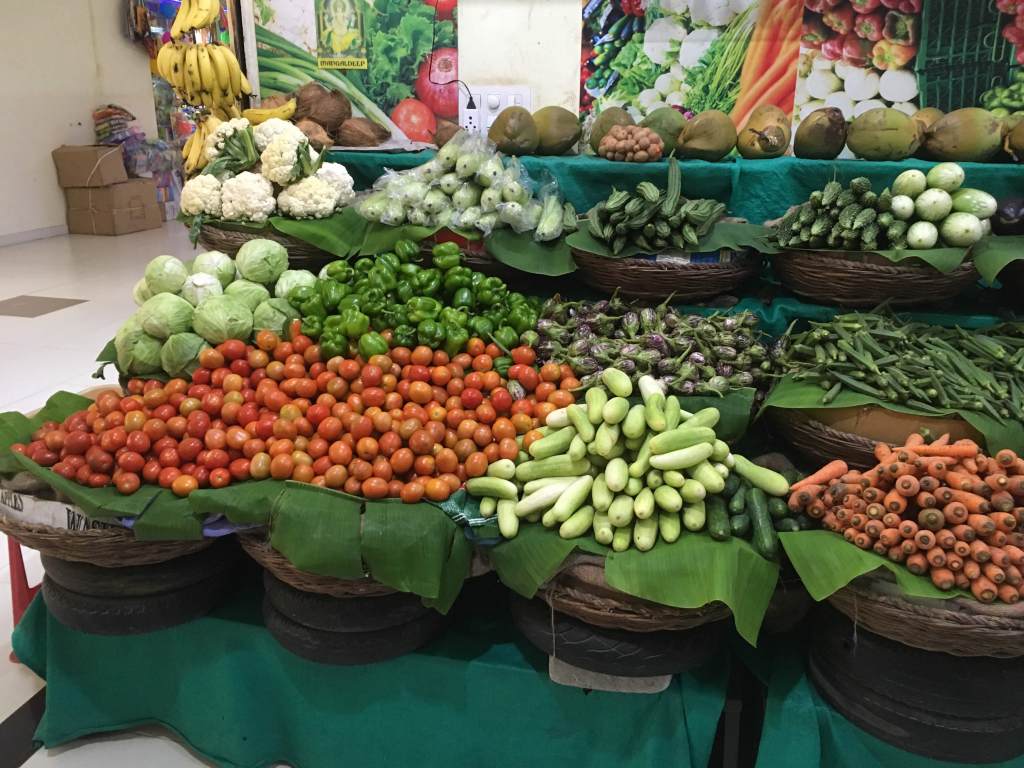
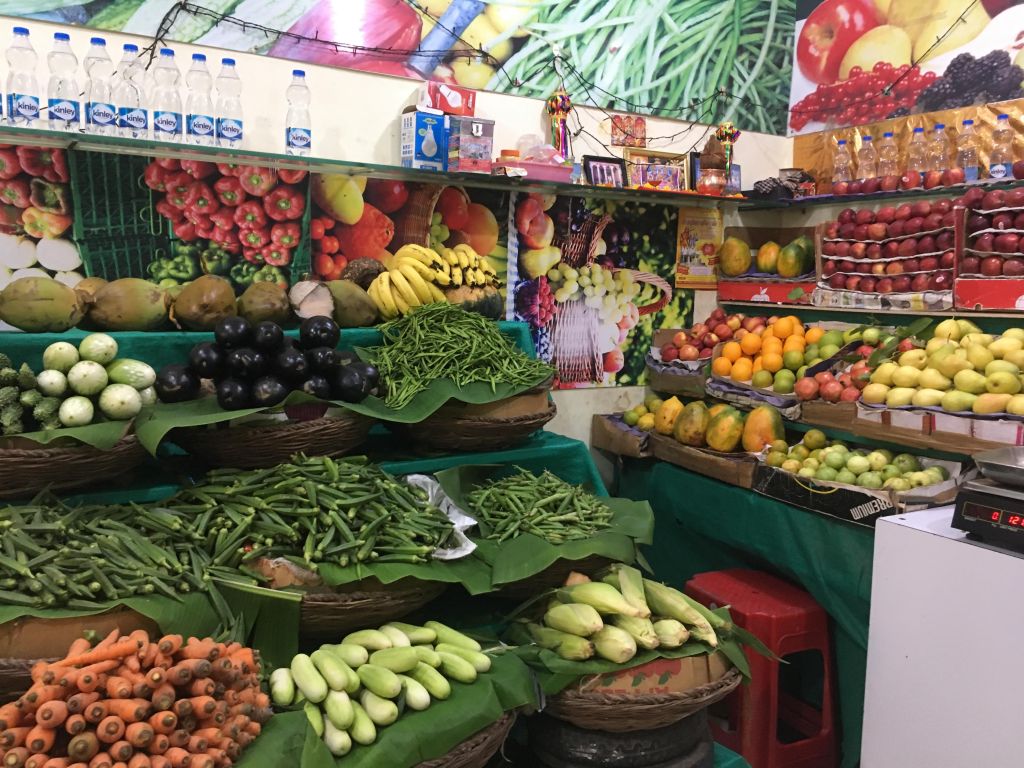
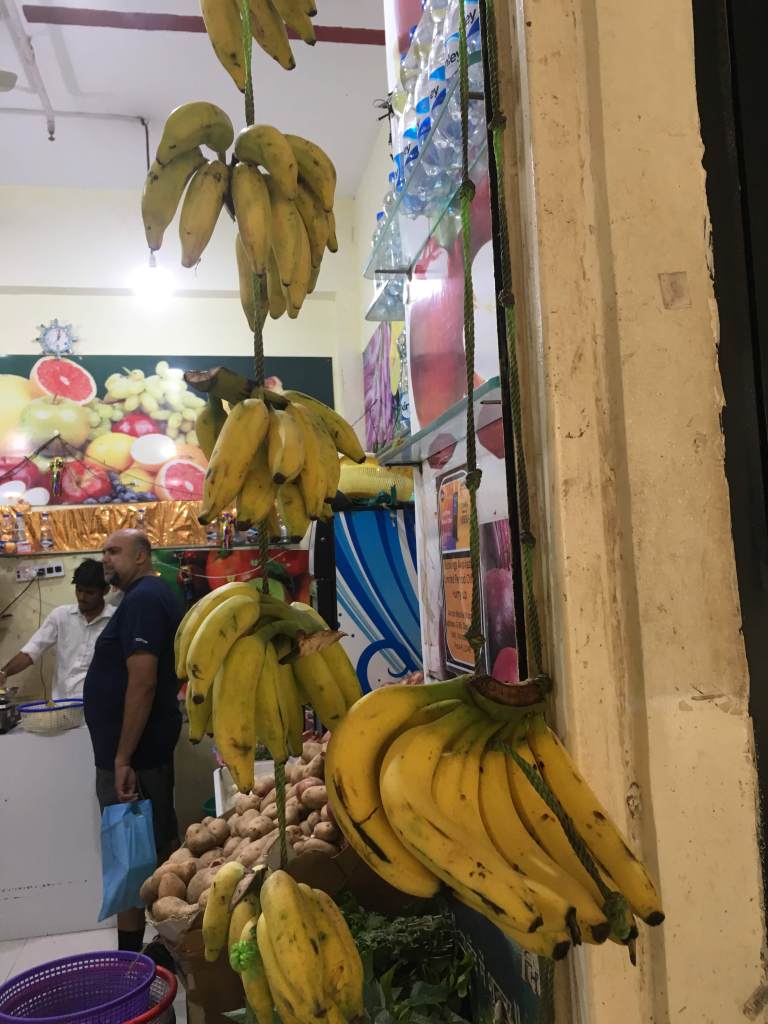
Our grocery stores don’t have fruits and veggies. Those are all in the stands — and there must be at least 6 in our “Destination Center” (aka DC) shopping area. Then there are another dozen or more on a side road. Here are some pics.

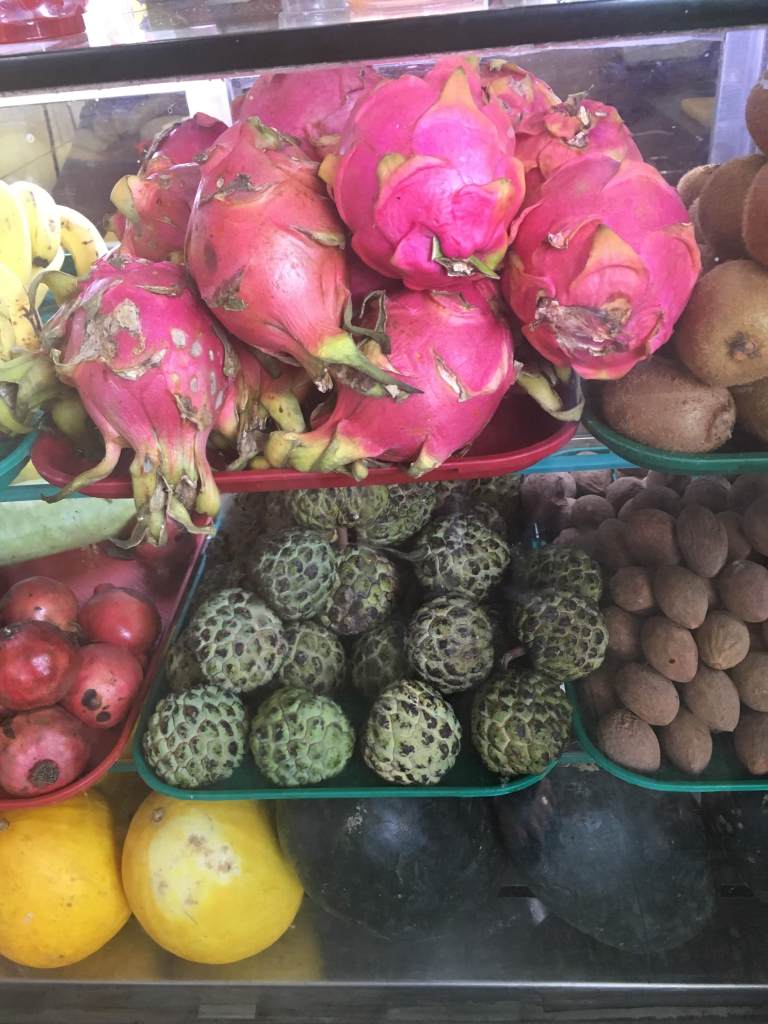
The left two are the veggie stalls. The right one was actually a pic from a juice stand at a rest stop. There are lots of items that we have to learn about! On the right, the top pink fruit is dragon fruit. Below it (green) are custard apples. Those are everywhere. (And apparently the seeds are poisonous to people, so don’t eat those!)

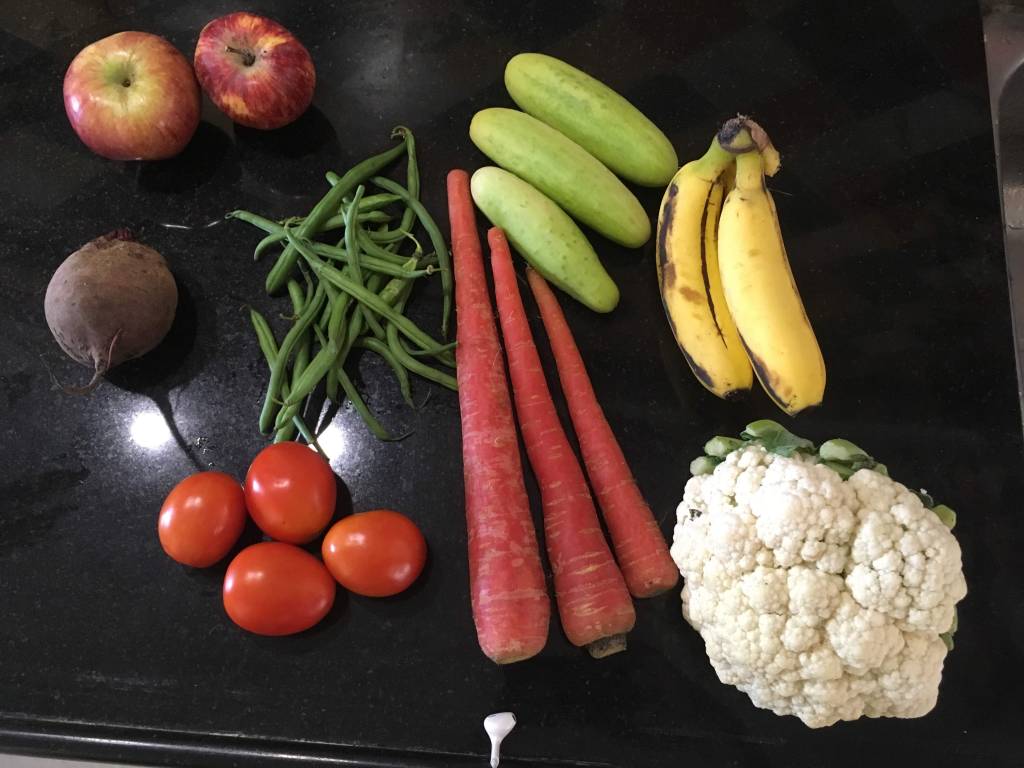
The standard vegetables are very inexpensive by our standards. Here’s what I got a the shop yesterday.

I’ll let you guess the total cost.

Apples are on the expensive side here, so they’re almost at US prices (about 180 rupees per KG, which is about $1.50 per pound). As a clue, the tomatoes were 13 rupees, which is about 20 cents. Your guess…

Total was 240 rupees which is $3.43.

You won’t find much spinach or lettuce in the stalls, or berries, as those things can grow around here, but aren’t very hearty for the market. There’s no refrigeration at the stalls, and many are on the streets.

Small aside – I love how they hang the bananas! So efficient – and just using knots and ropes.

You have to bring your own bags here – as it is now in CT. They banned all plastic bags last May. There are only clothes bags. Occasionally you see paper.

Because people walk many places, so you’re always carrying your groceries, one of our “dry goods” stores also delivers. They load up your stuff in a big canvas bag, send it on a scooter, and then you unload it immediately so they take the bag back.

Parag one time purchased some groceries, and the delivery guy was going right then, so he just gave Parag a ride home on the scooter too :-).

Another time, we got a delivery around 10pm on Sunday night as Parag did a late-night shop. Nothing’s too late!

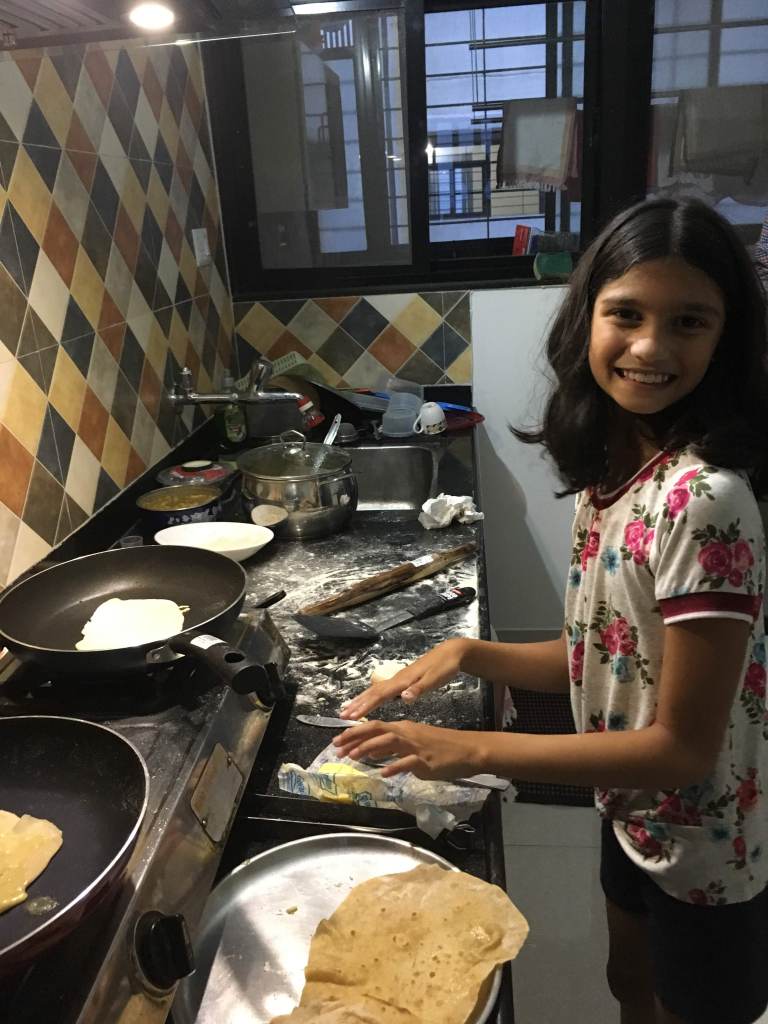
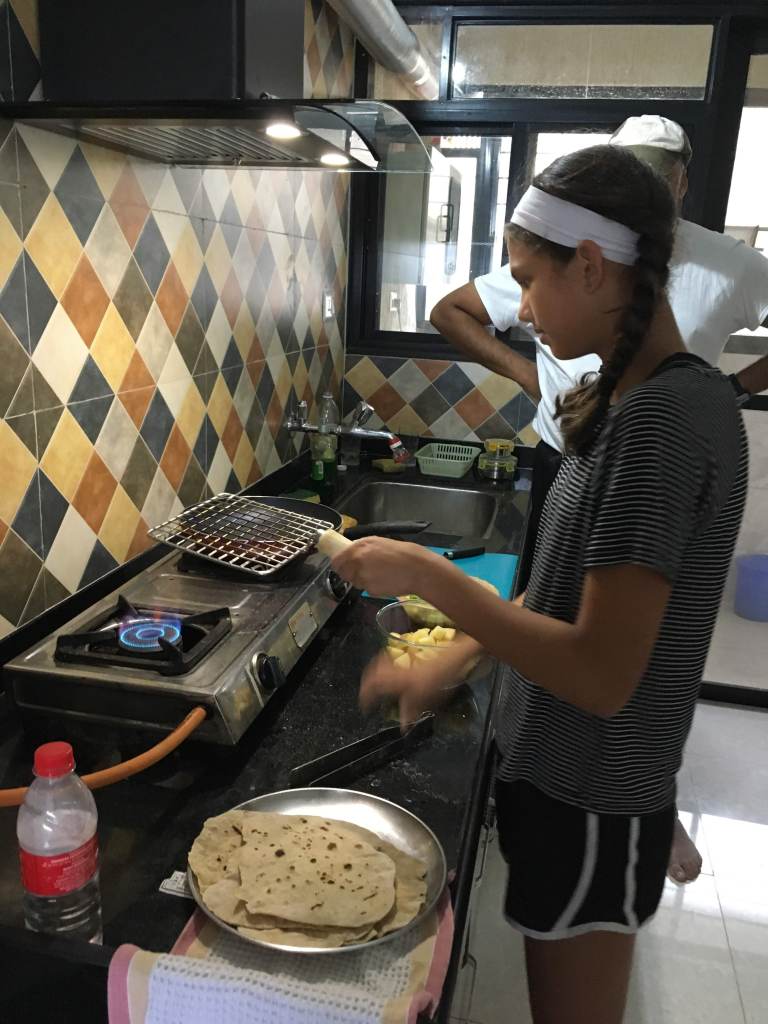
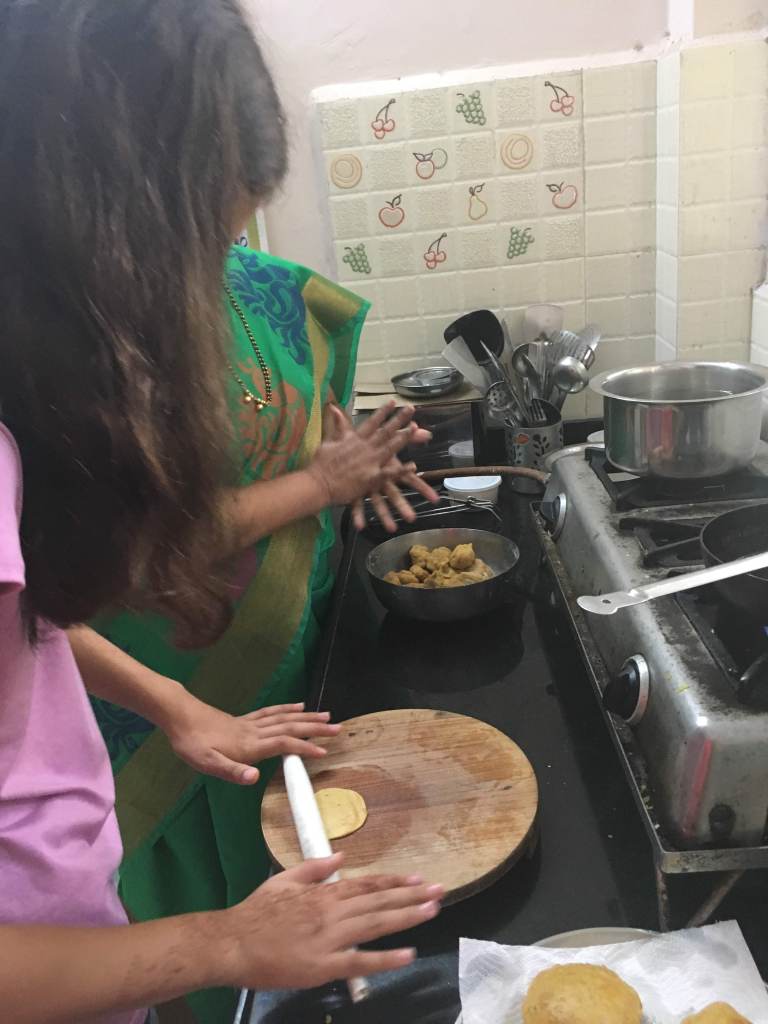
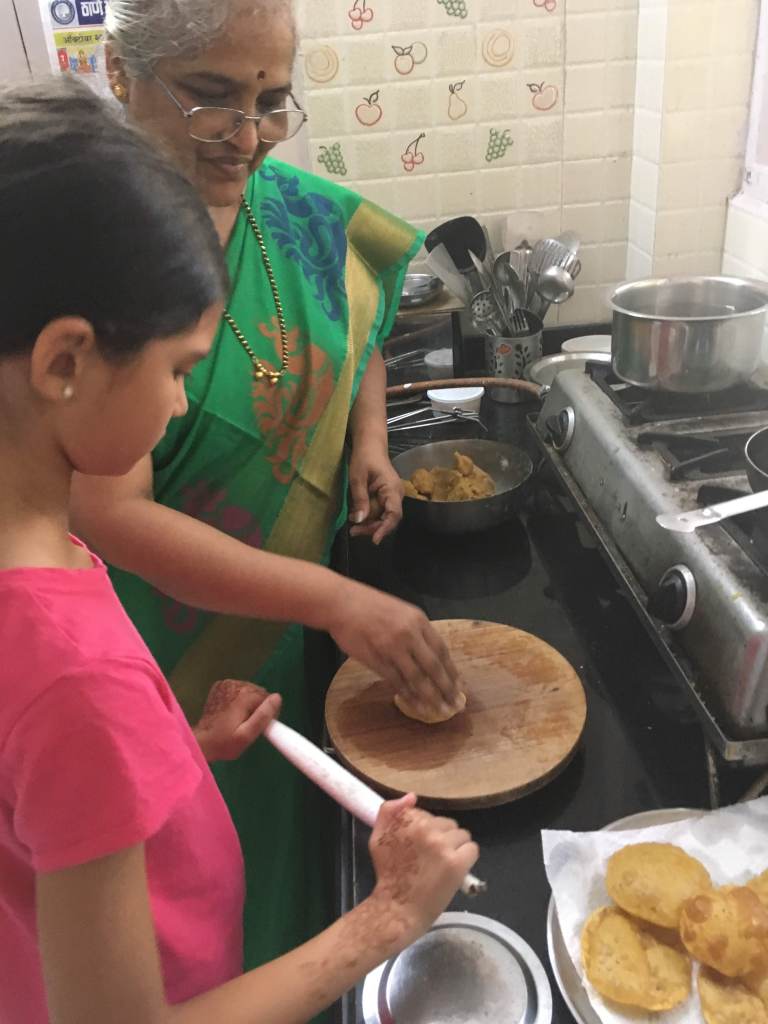
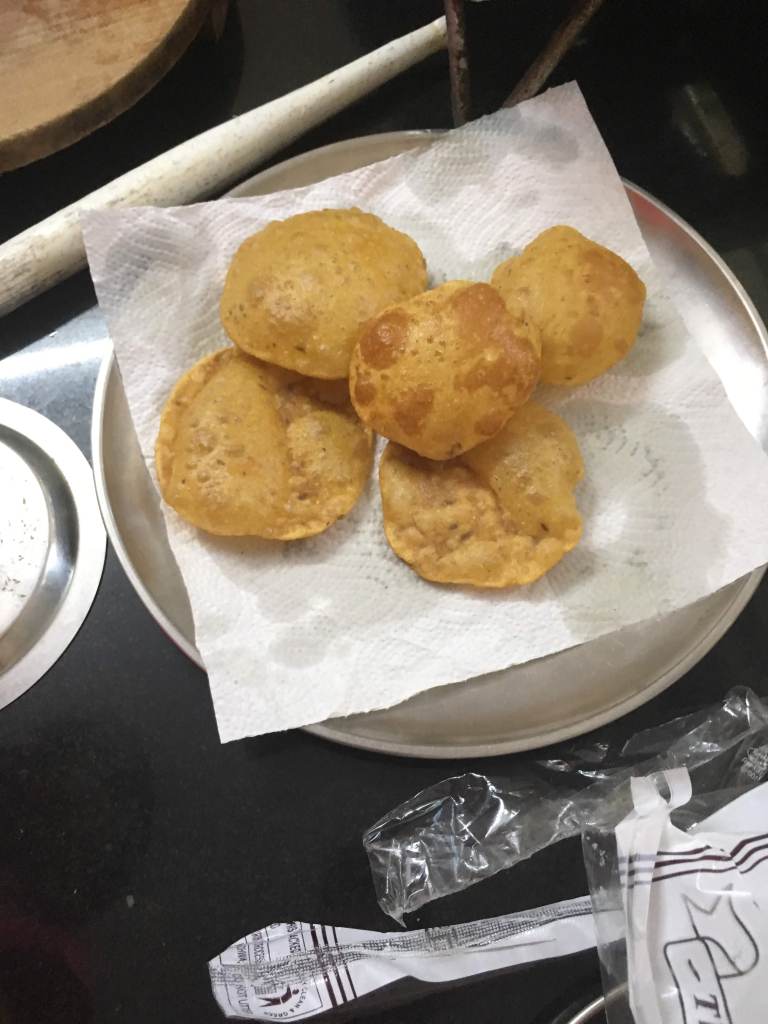
As for our daily meals, Parag’s been doing a lot of the cooking. Almost every meal around here has polis (not for us – but others!), and Cadi and Alex have become quite the poli makers! Kids even bring poli and bhaji (vegetables and spices) to school for their meals.

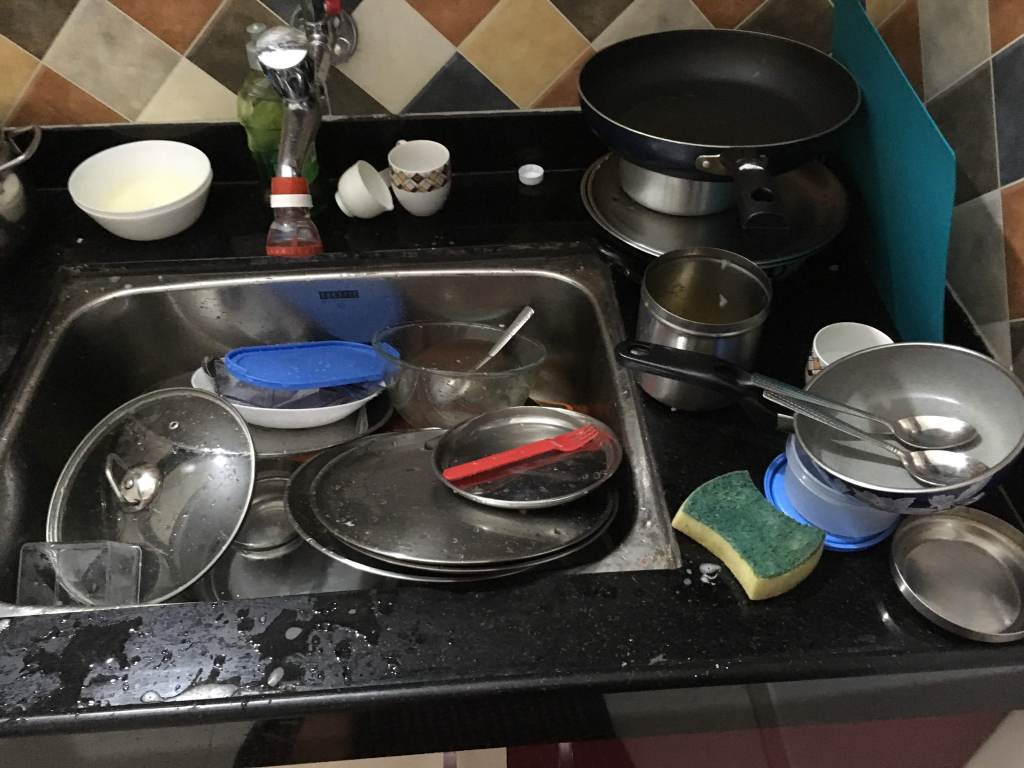
And then there’s the clean up! No dishwashers here — well, we are the dishwashers.

I’ve learned working in the kitchen is a little bit like camping. You just have the stove top and limited space. With dishes, there’s no hot water. We have hot water 6am – 10am in one shower. Never in the sink. We mostly just wash with the room temp water from the tap, but every so often, we’ll heat some water and use that.

We also get creative. Apparently you can make cake in a pressure cooker – as the girls did with their aunt. It was delicious!

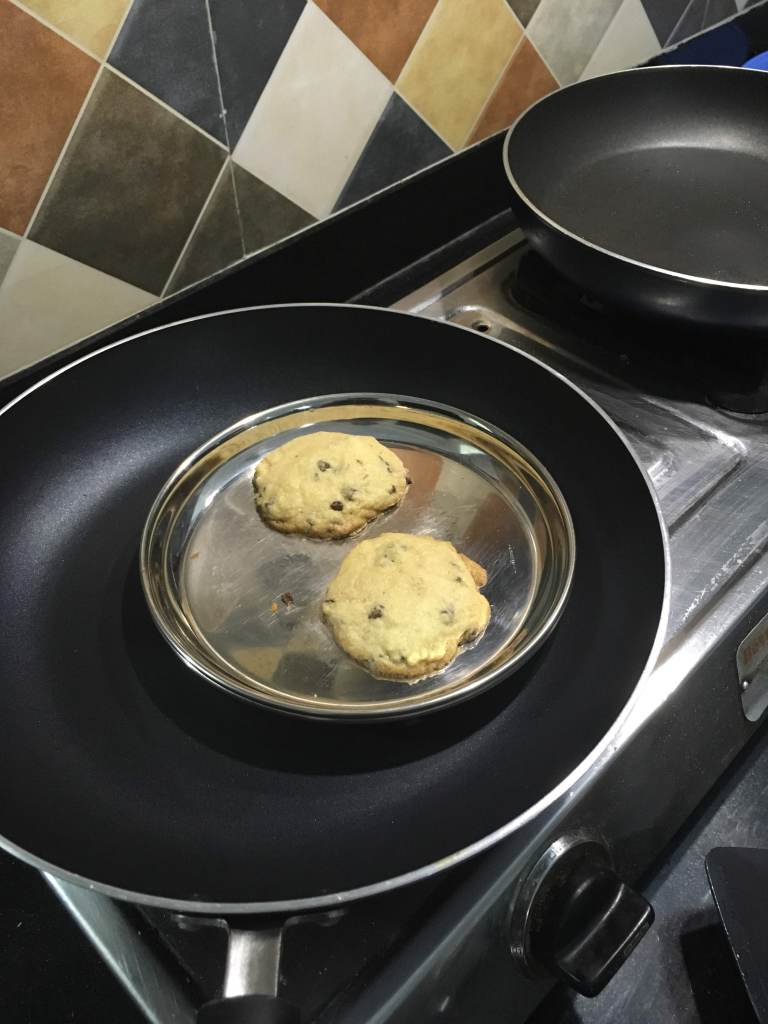
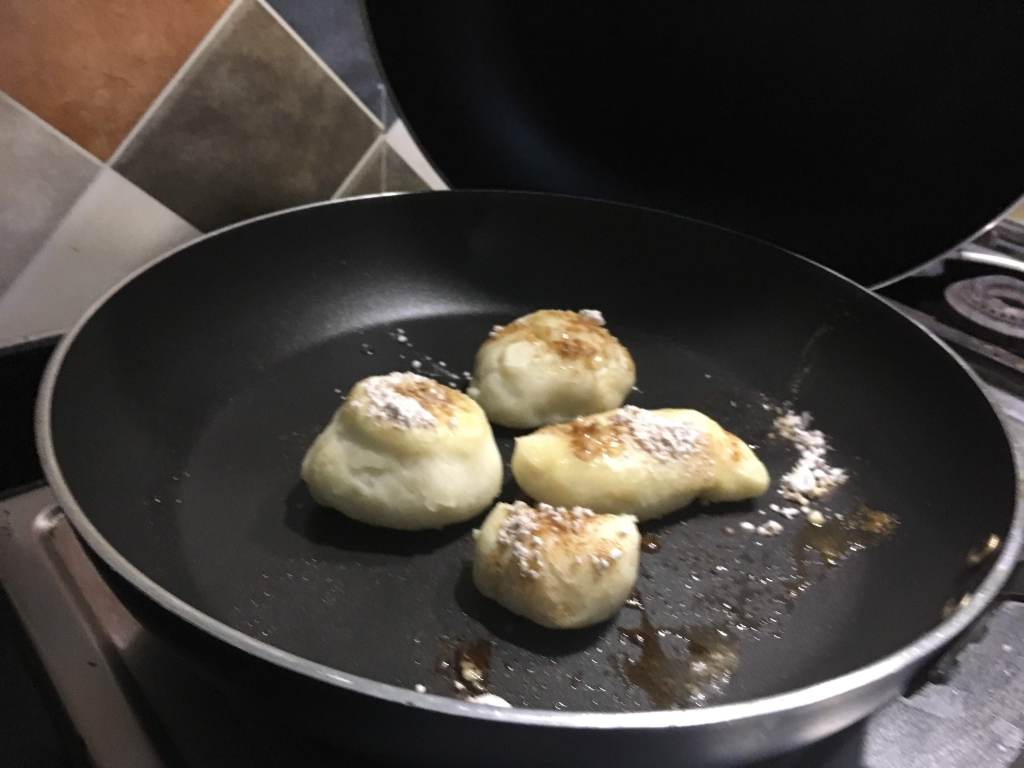
And then I’ve experimented with cookies and rolls in a fry pan. It kind of works if you’re very careful!

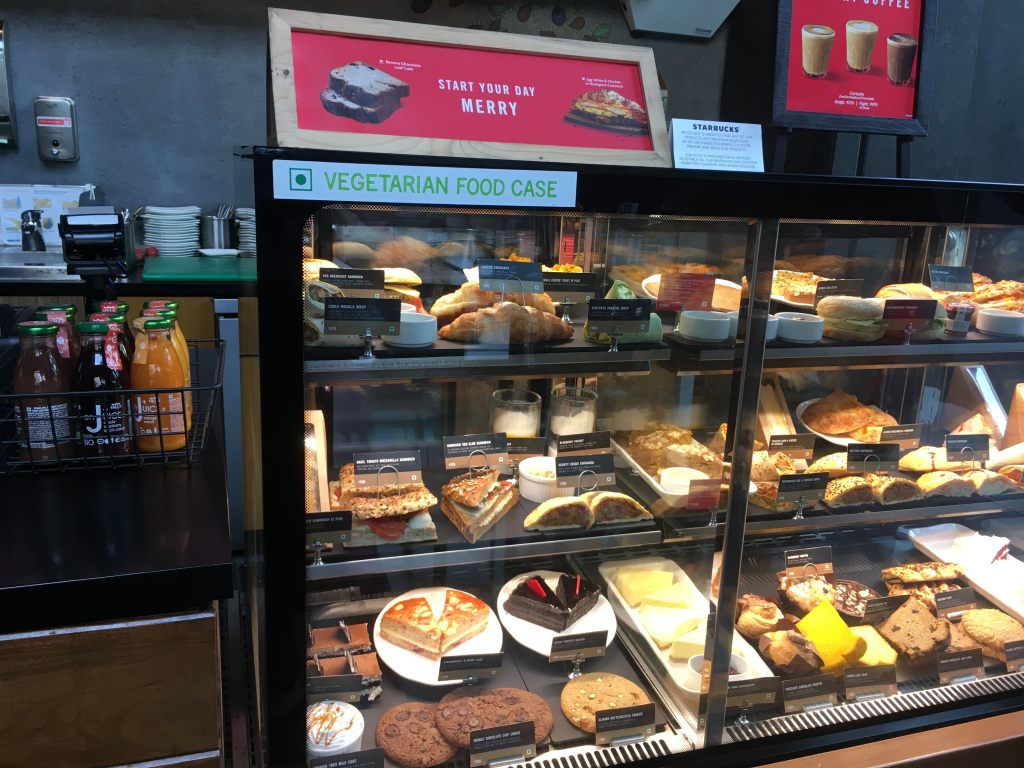
One thing that’s really interesting here is that vegetarian and non-veg are kept very separate. In restaurants, people want to know if the food is prepared separately. Here’s an example from a Starbucks. (These are not common, but there’s one about 25 mins from us!) The left side of the case is labeled Vegetarian Food Case. Anything with chicken is in a different case.

In general, a green dot in a square is vegetarian. A red dot in a square shows “non -veg.”

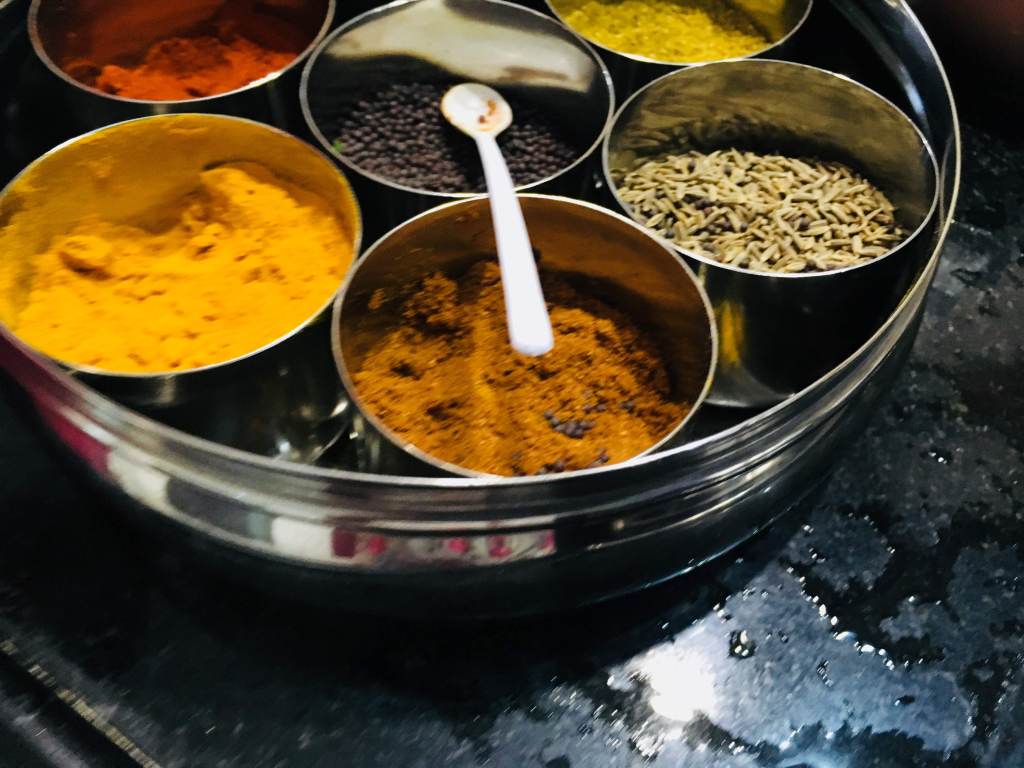
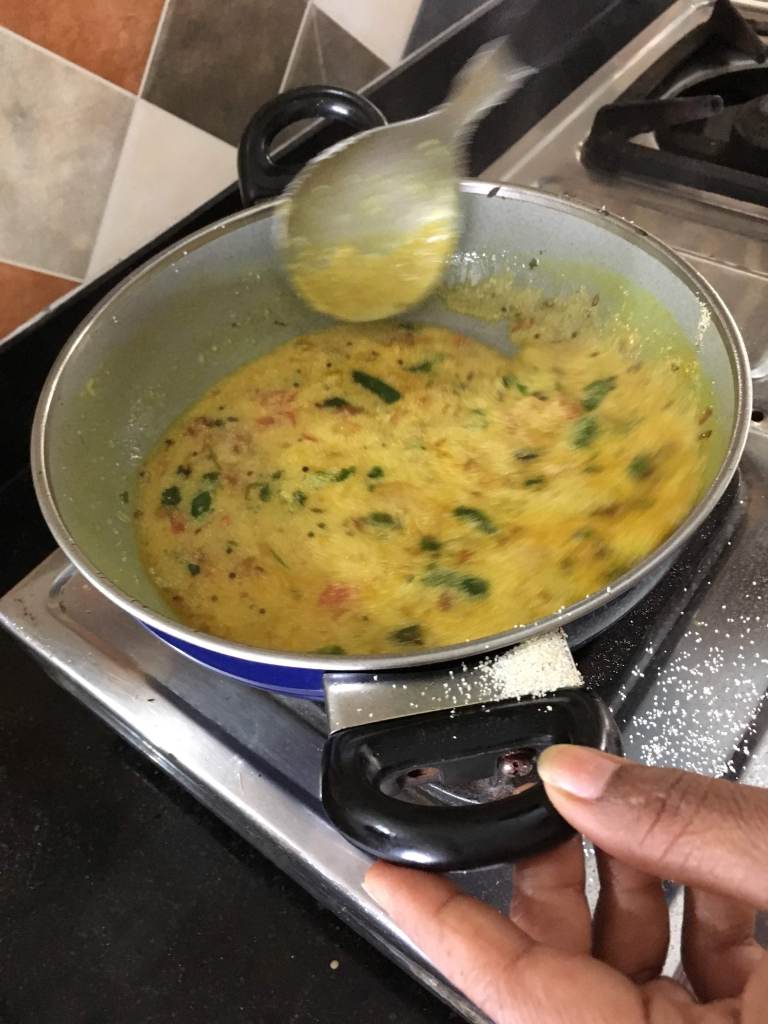
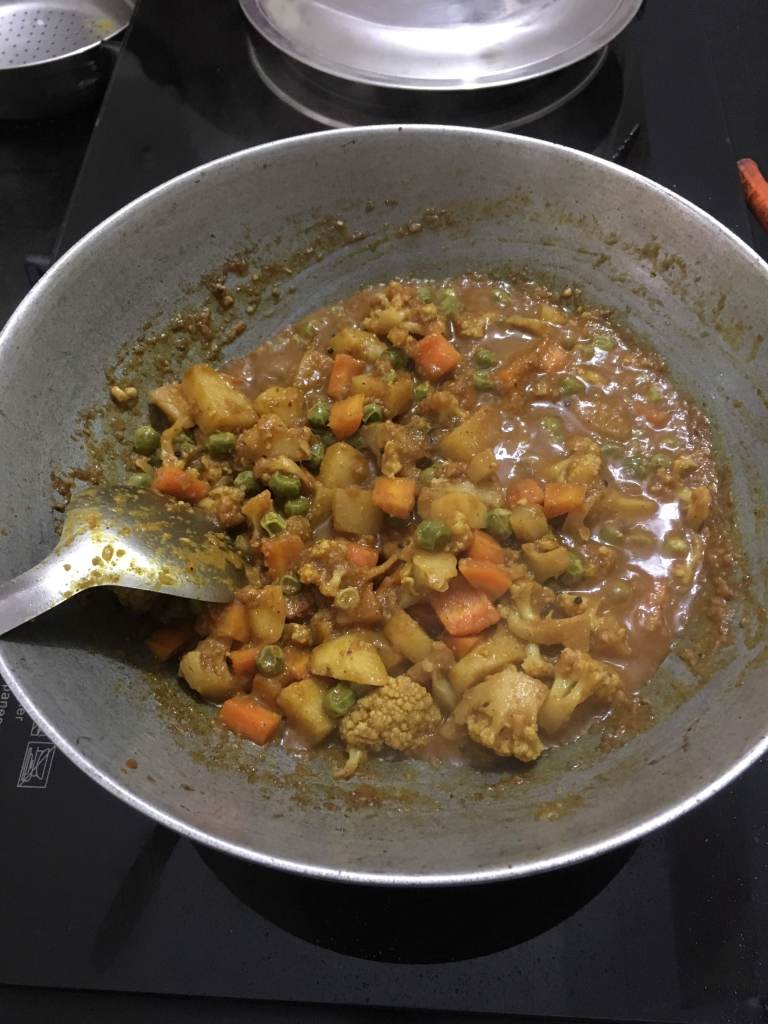
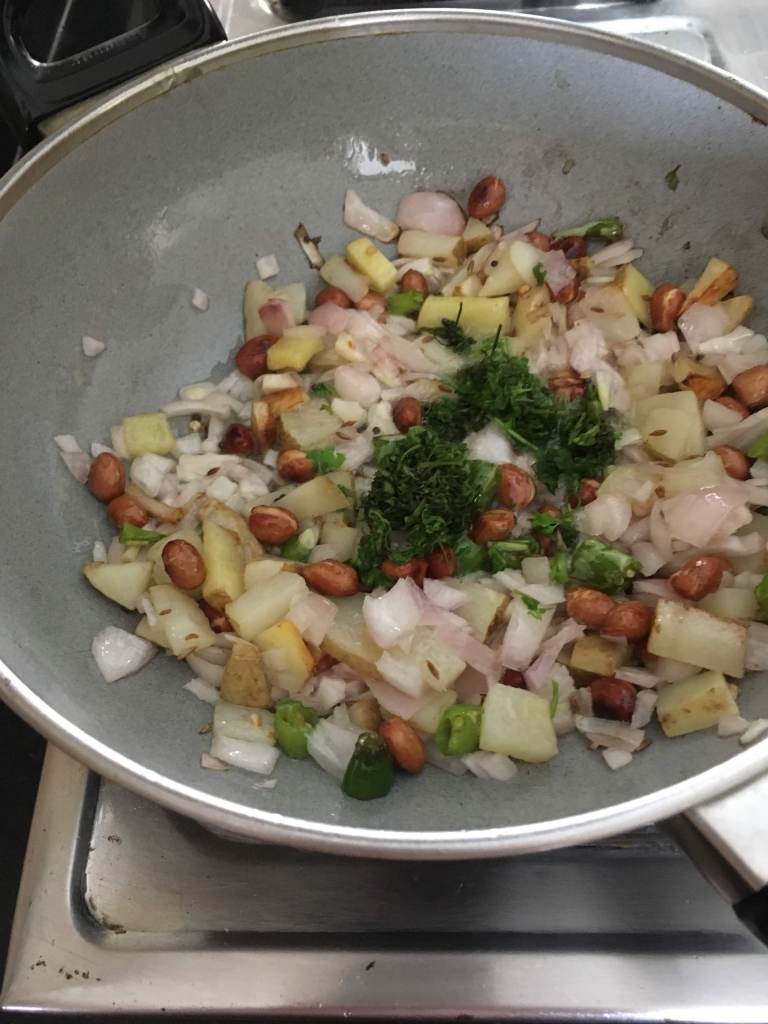
I’ll leave it at that – with a few pics of some meals being prepared.

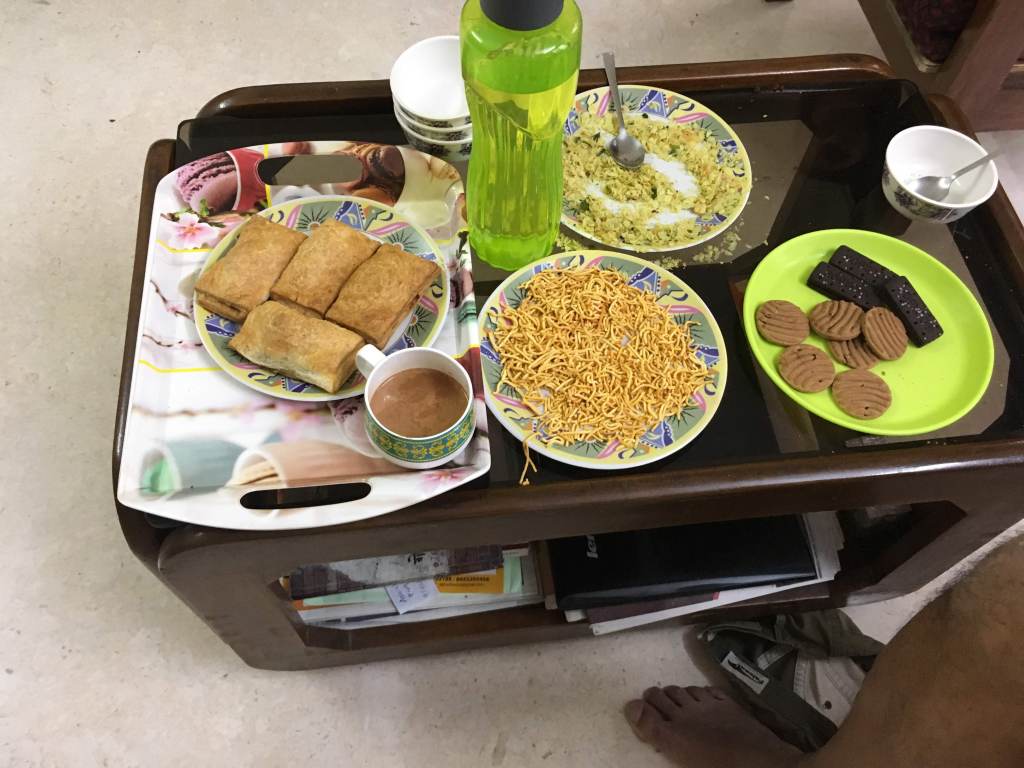
I haven’t even mentioned all the sweets and snacks! You saw some in other posts. I’ll leave that to Parag.

I also haven’t mentioned milk – very important in a chai-drinking culture! Next post…. Teaser: there’s no skim milk (only at Starbucks), or low-fat yogurt for that matter…

Diwali break – the rest of the family visit (Last, but not least!)

This post rounds out the Diwali break record. As noted in an earlier blog, Uncle Tom, Aunt Robyn, and Grammy (aka Mom/Barbara) showed up in Pune after a trans-Atlantic flight. We were so thrilled to have them visit! An earlier post was about our first few days (NDA visit, Aga Khan Palace). This finishes the week.

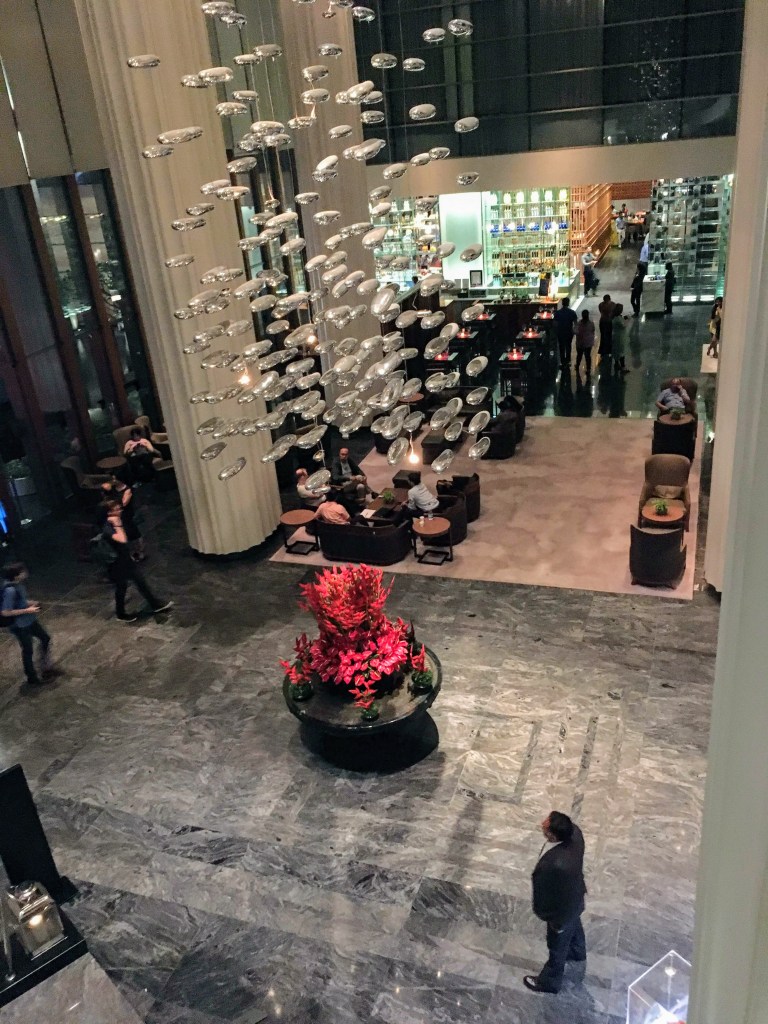
Tom and Robyn took off for Goa on Monday, and the girls, Parag and I moved into the JW Marriott right across from my mom’s room. (17th floor – but it wasn’t the 17th floor… Just labeled as such to make it feel fancy.) If you ever visit Pune, we definitely recommend the JW Marriott! They were amazing.

Here are a few of the highlights.

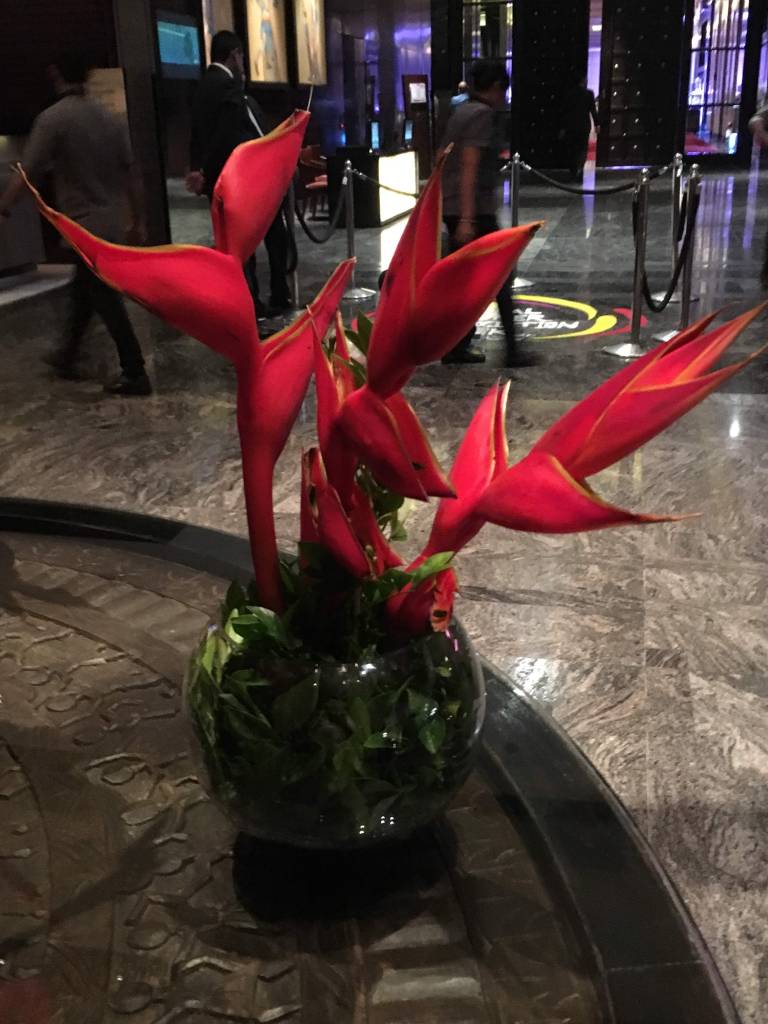
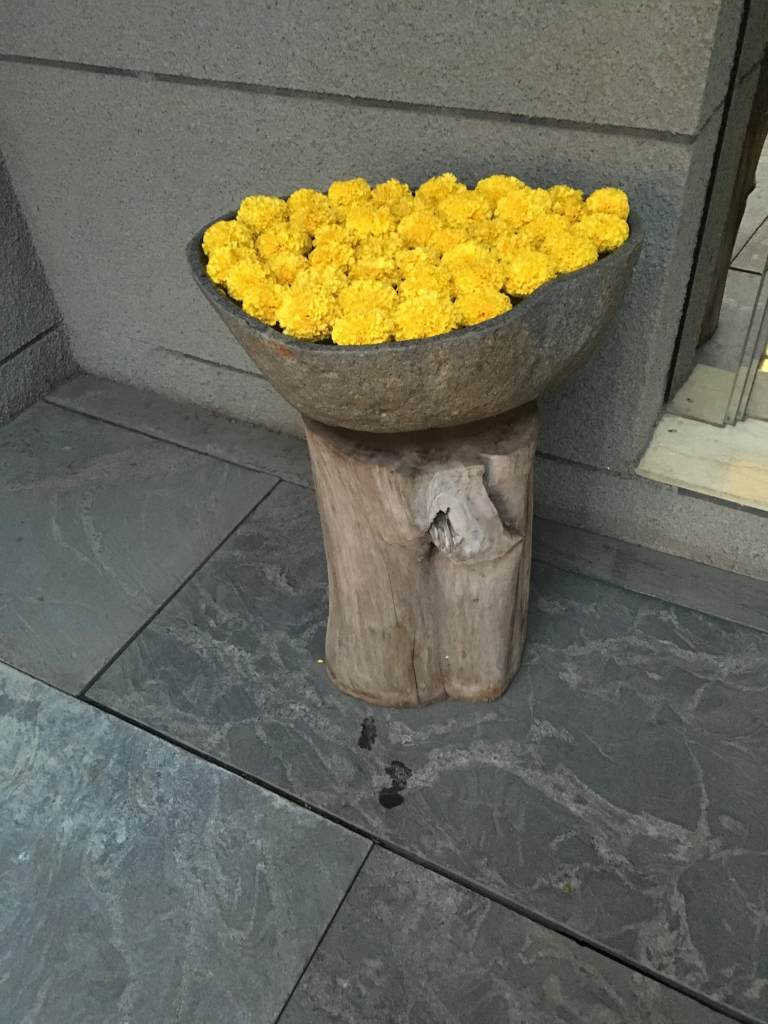
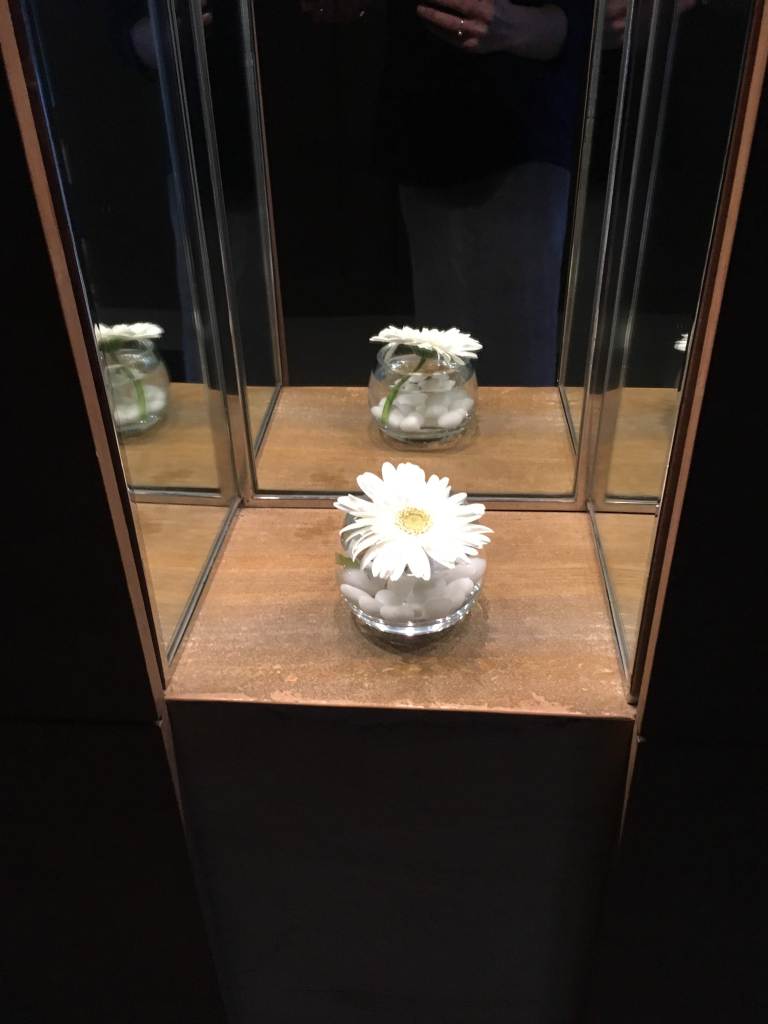
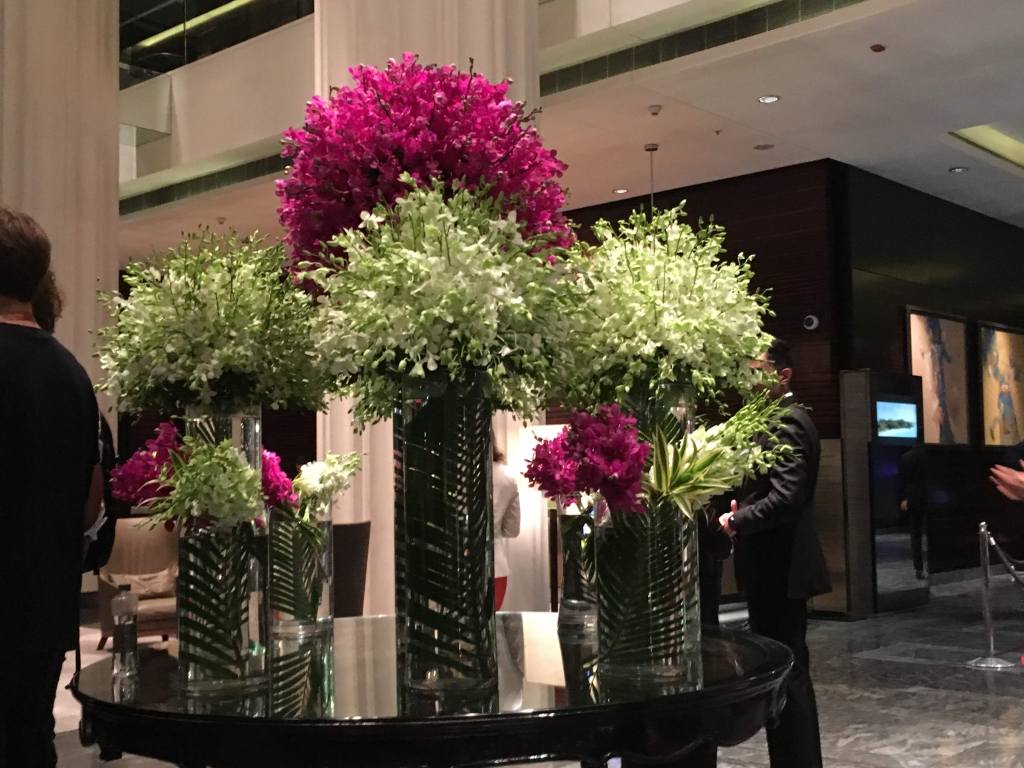
The beautiful decor and lobby – lots of flowers!

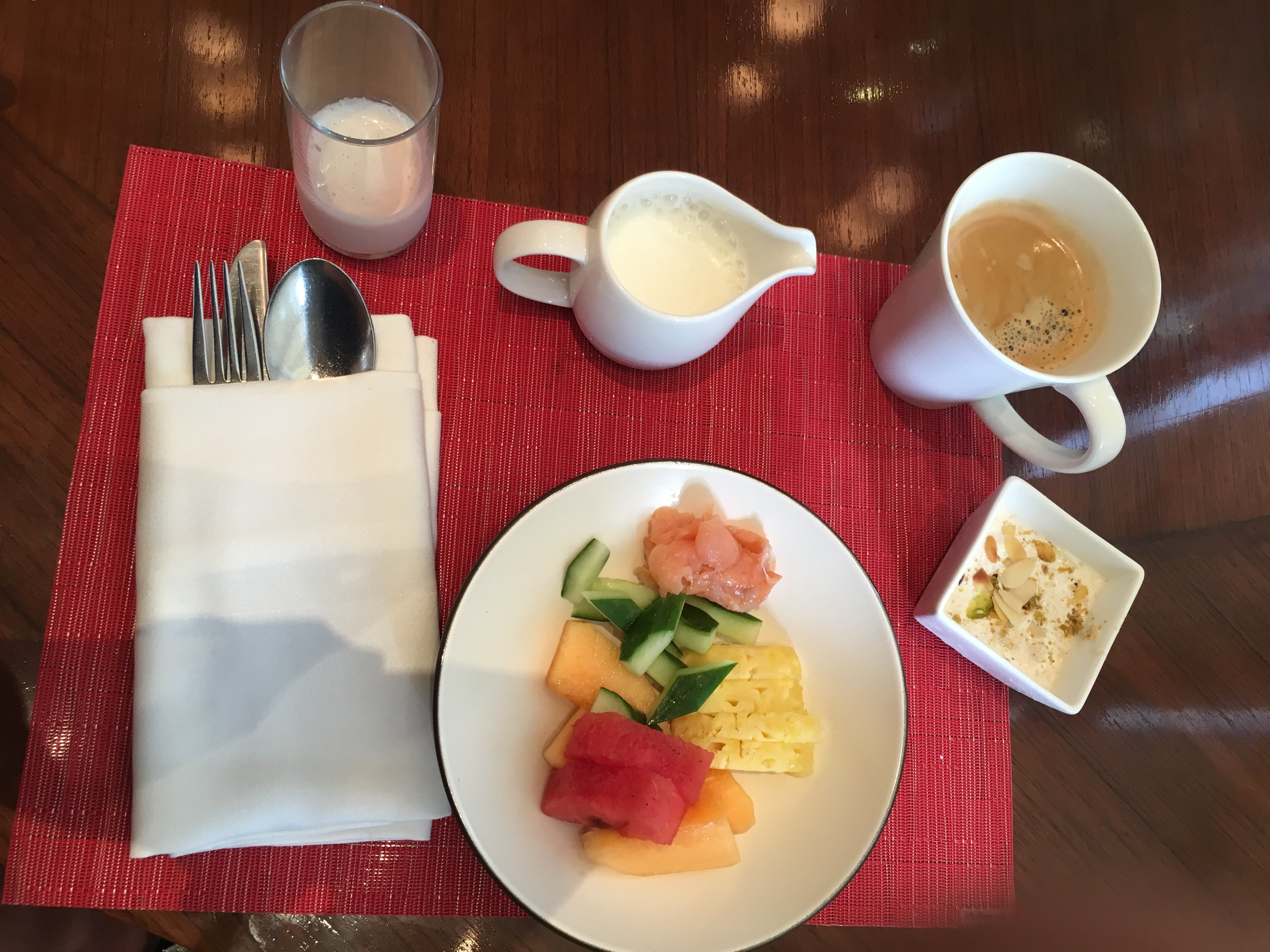
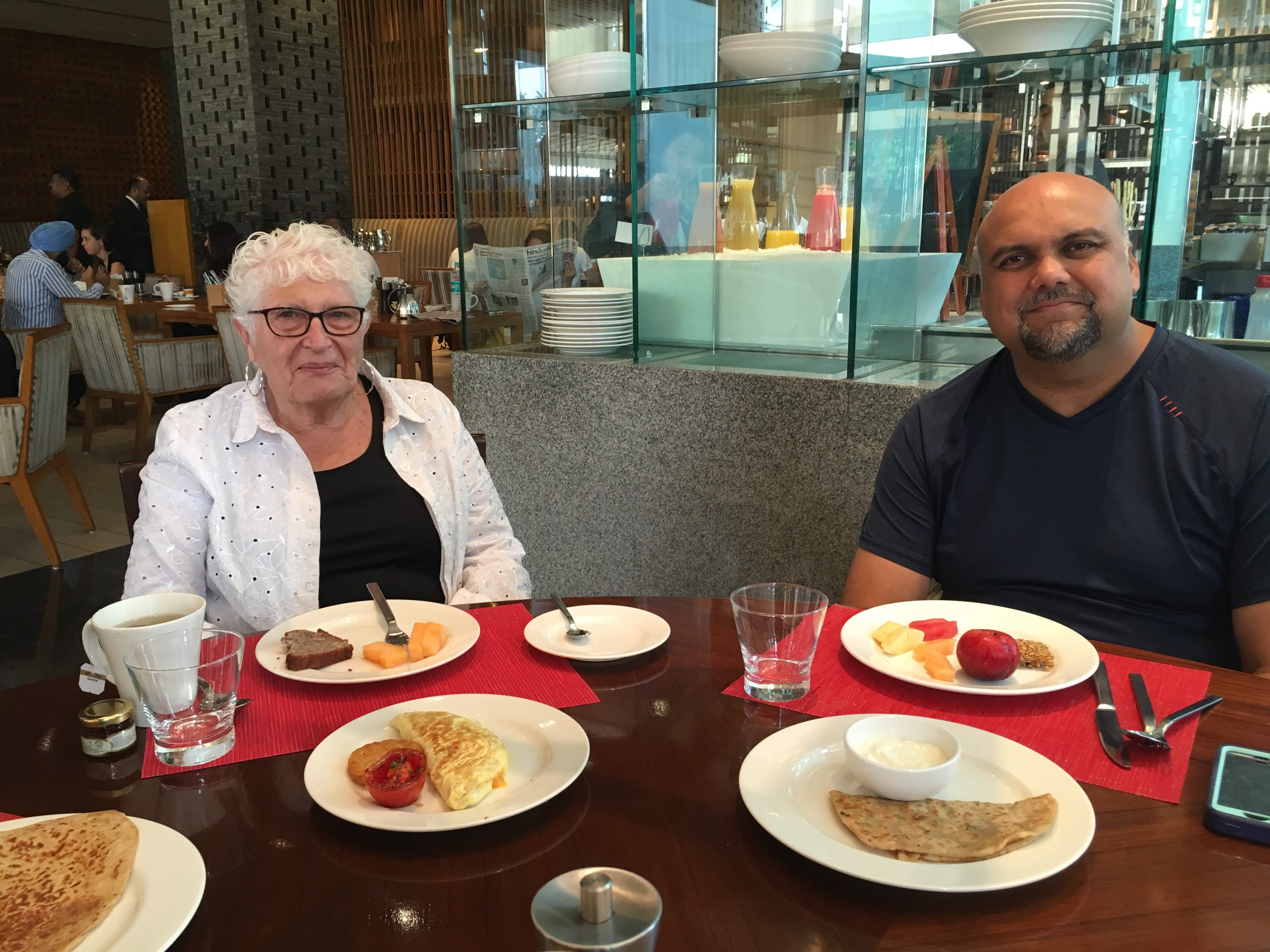
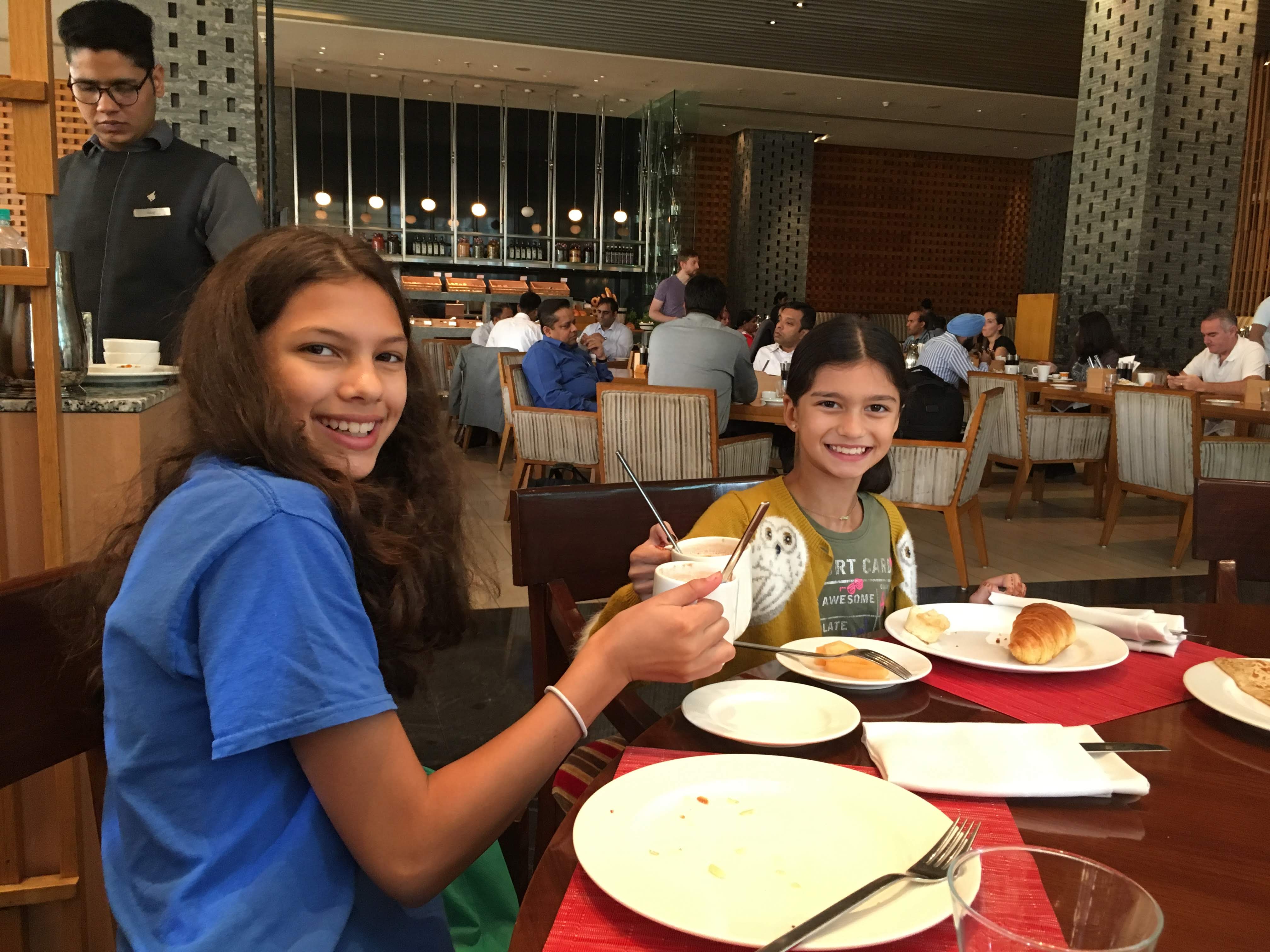
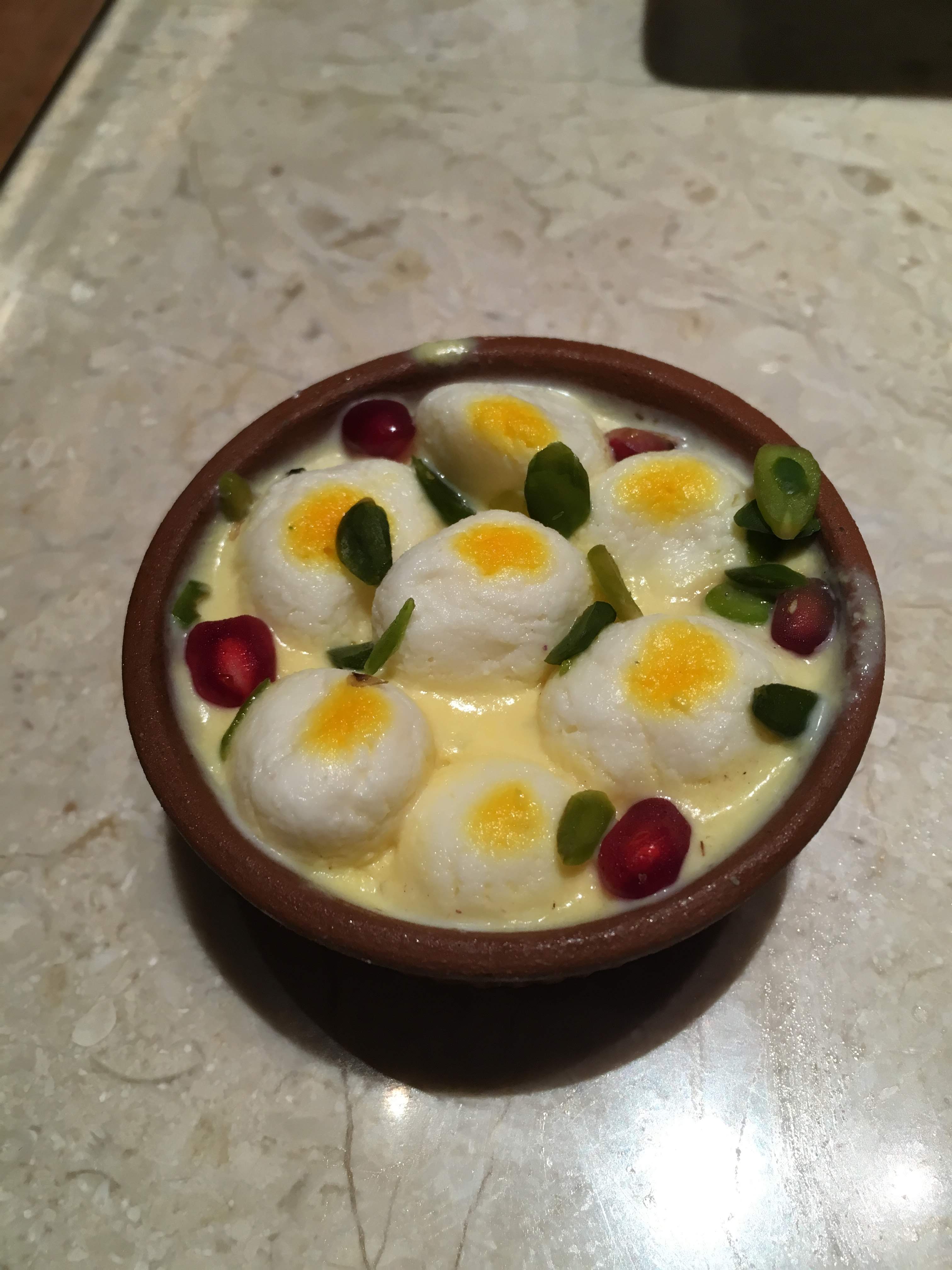
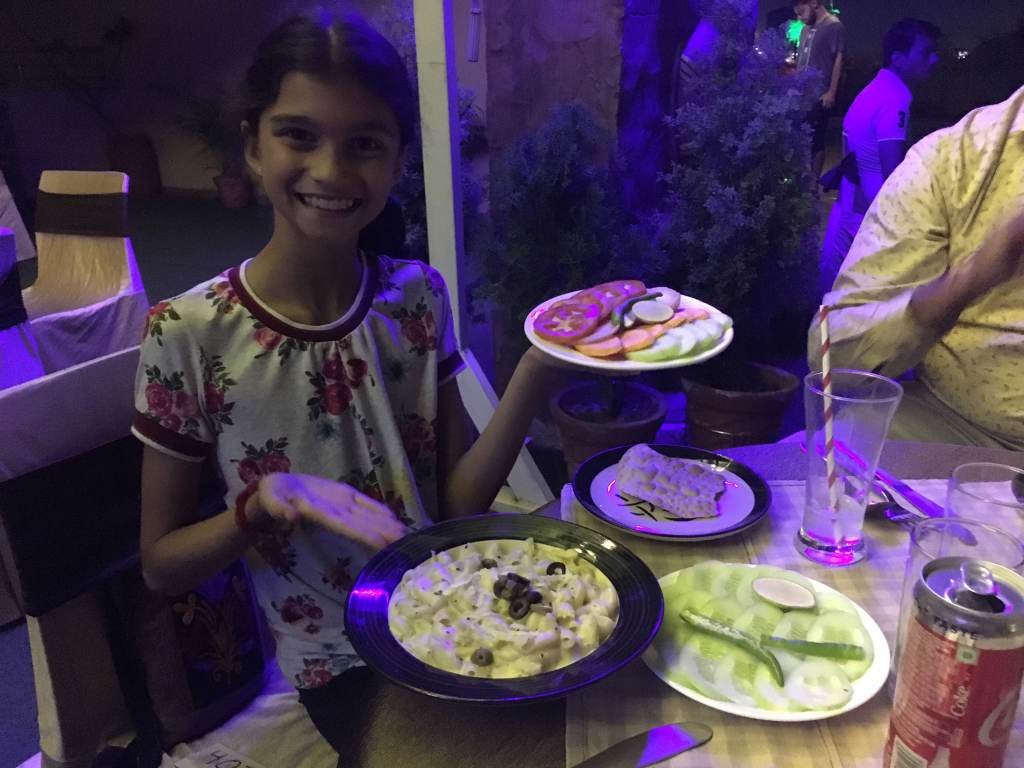
The restaurants and incredible food.

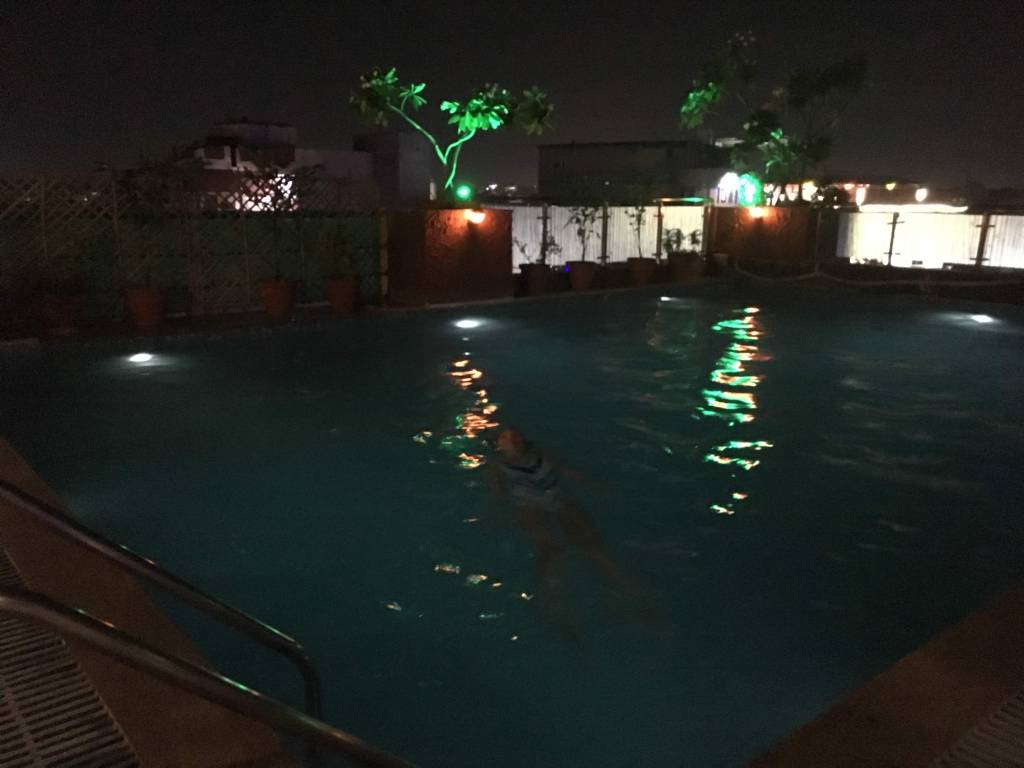
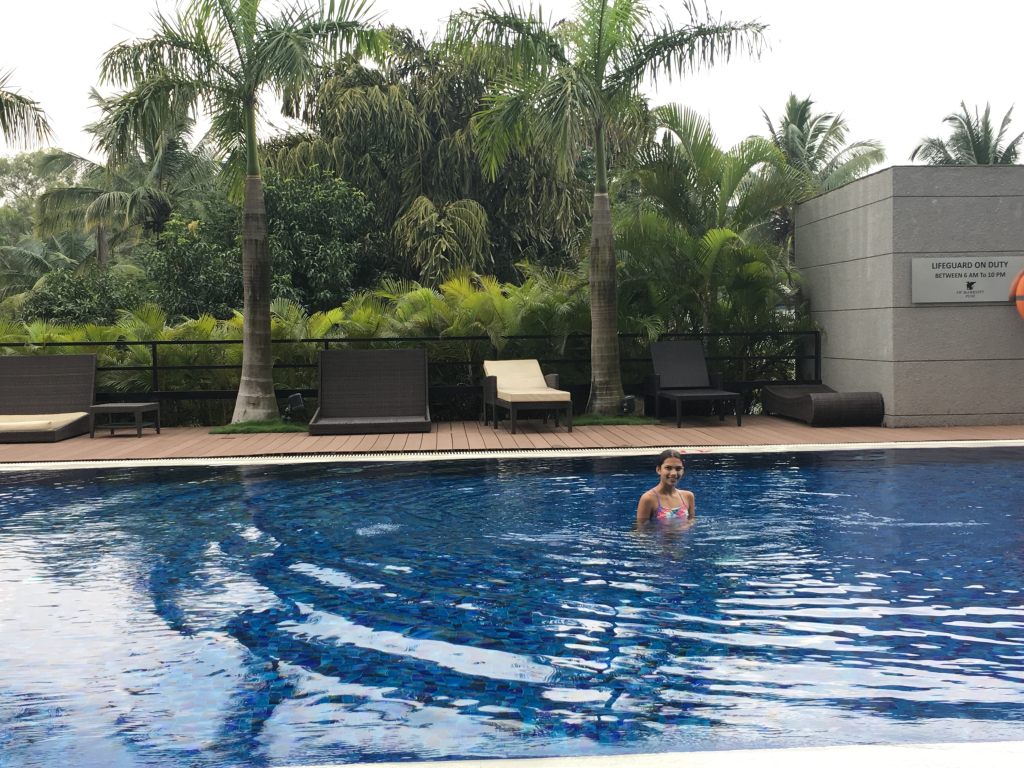
The pool – which was heated. And ShilpaKaku joined us for one of the days!

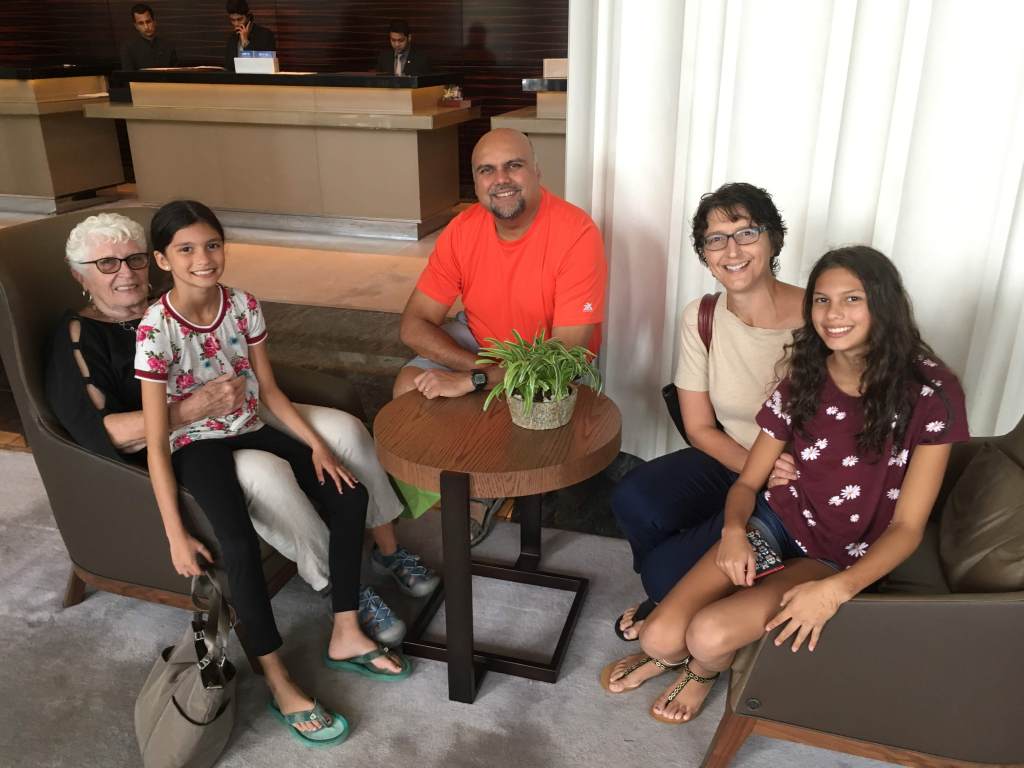
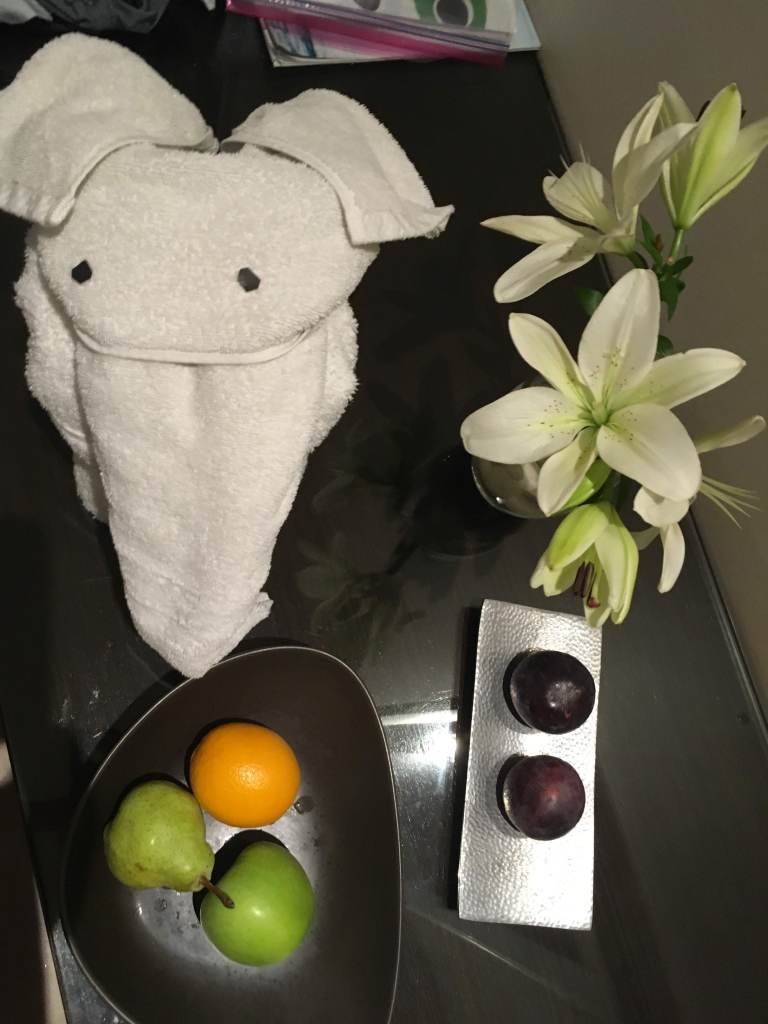
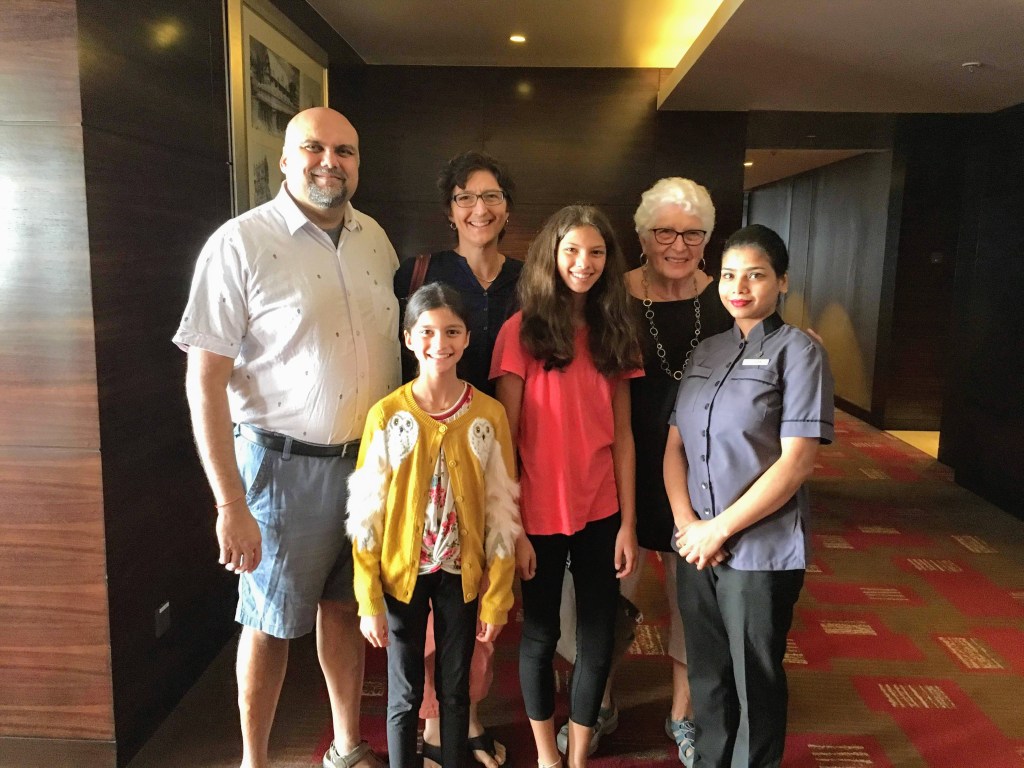
And very nice people. Everyone was extremely helpful. And then Grammy – who always is making friends – became best buds with Shreya, her housekeeping staff. Here’s some of the flowers and extra fruit that just started to appear in Grammy’s room.

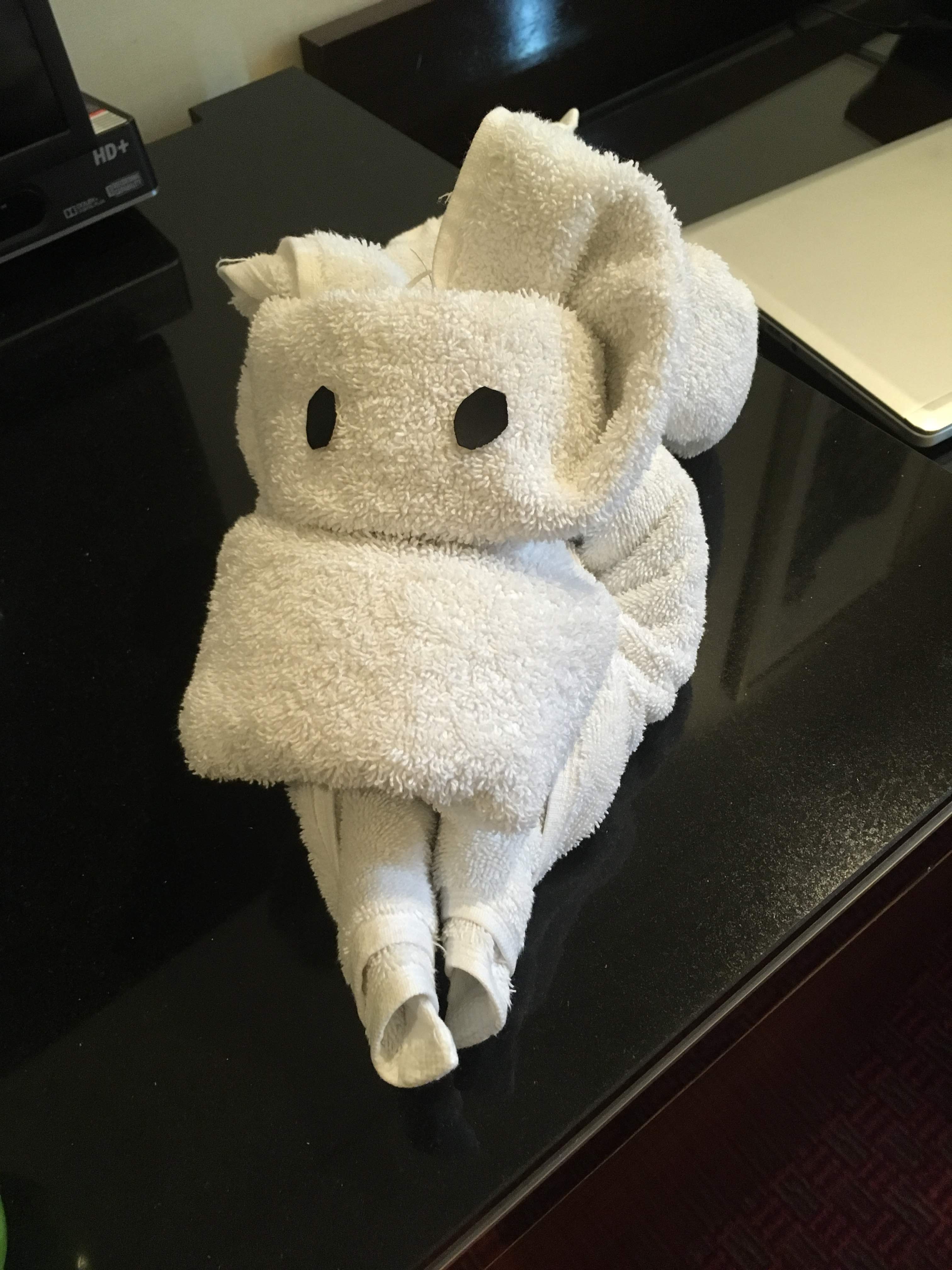
Not to mention extra bottles of water and fun towel pets. She got a half dozen roses on her last day there!

Here’s Shreya with us on the last day.

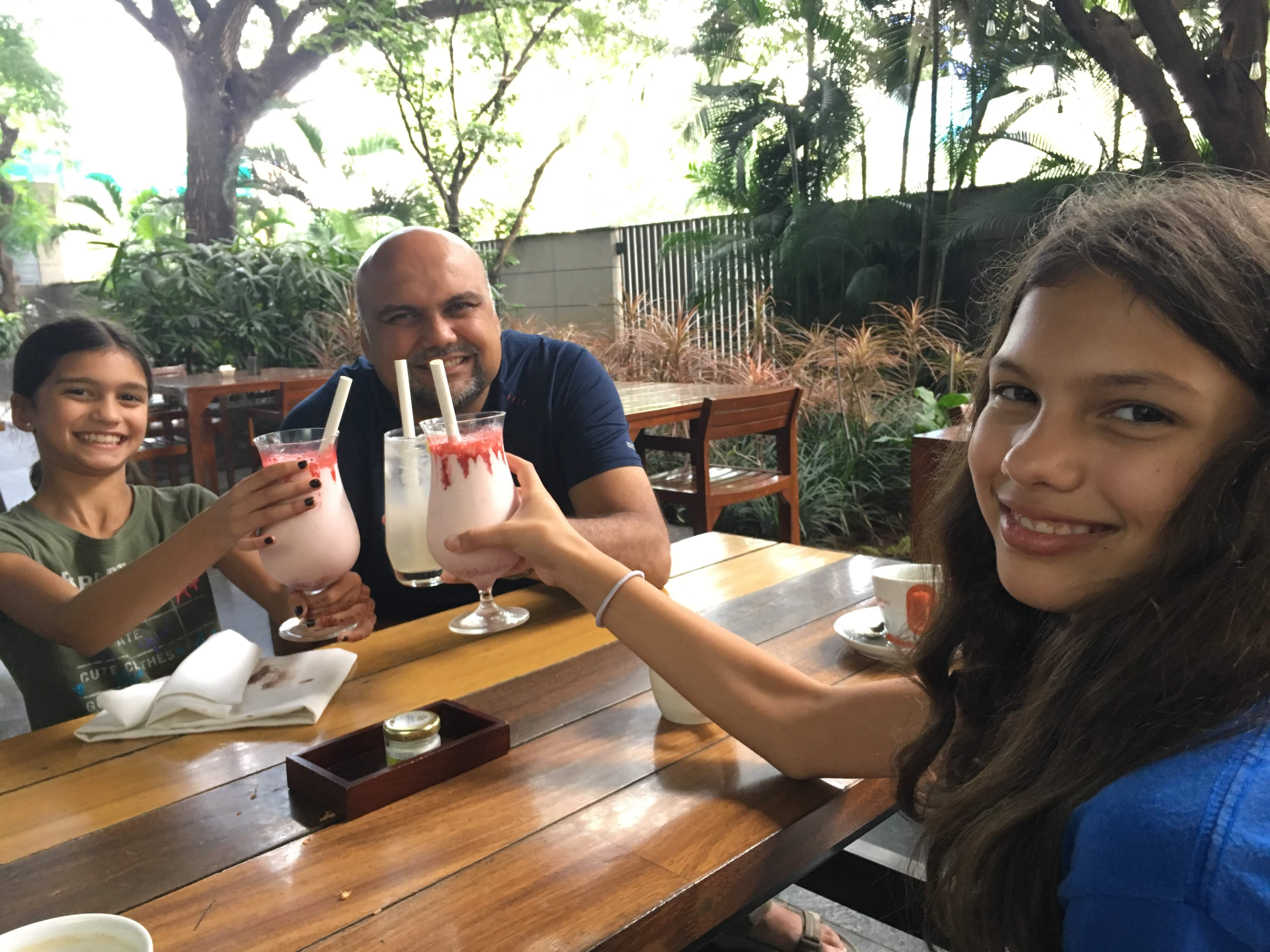
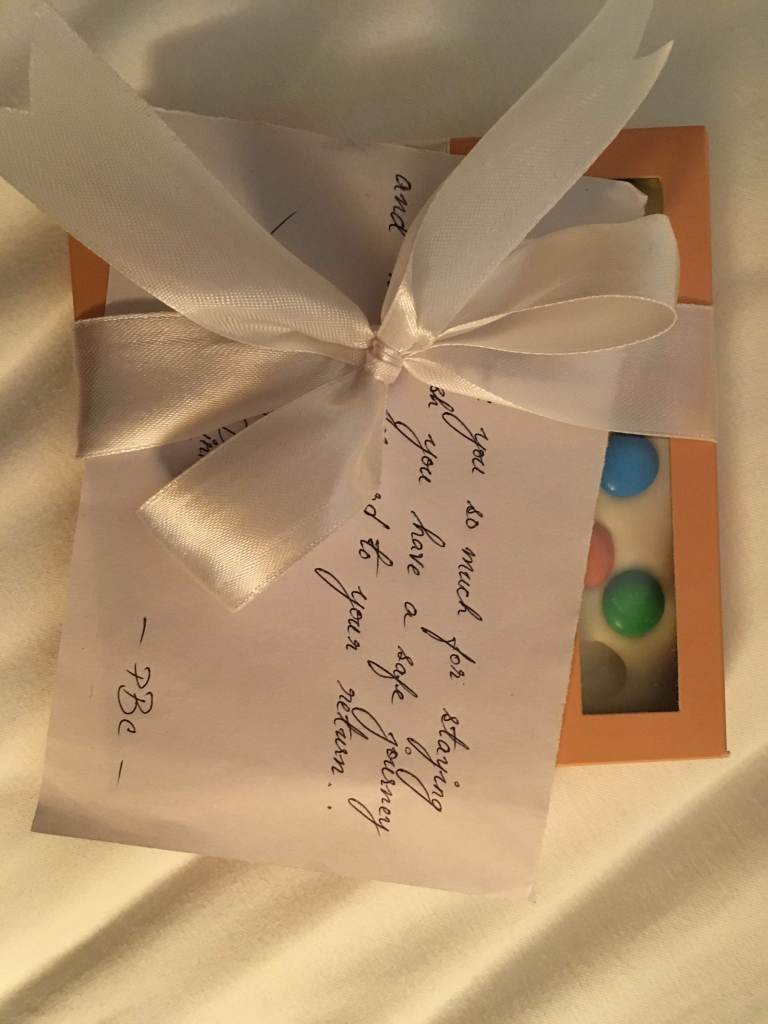
Plus, Grammy somehow made an impression on the Pune Baking Company staff, so RiRi (our favorite service person there) gave me chocolate to give to her – with a hand-written note!

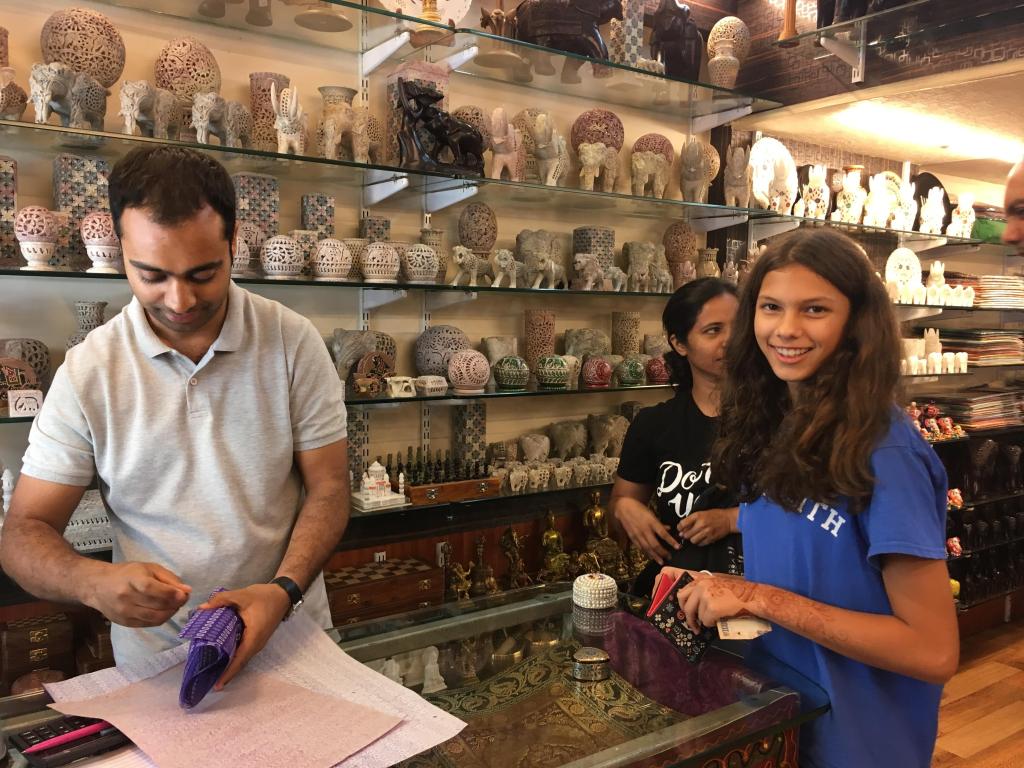
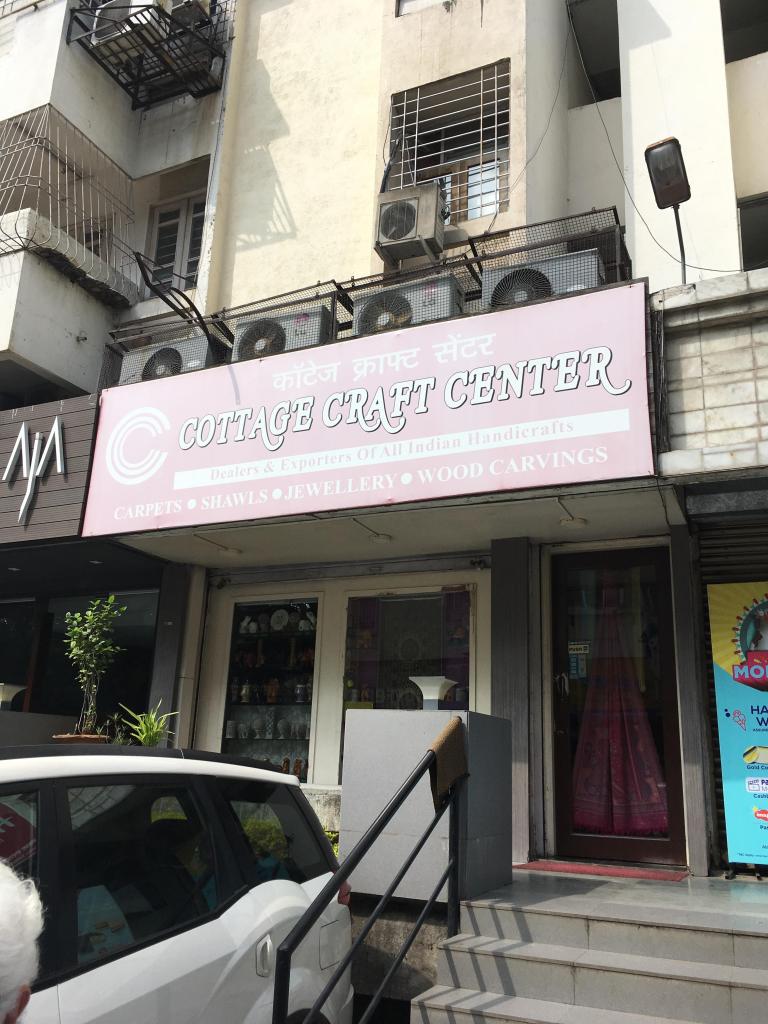
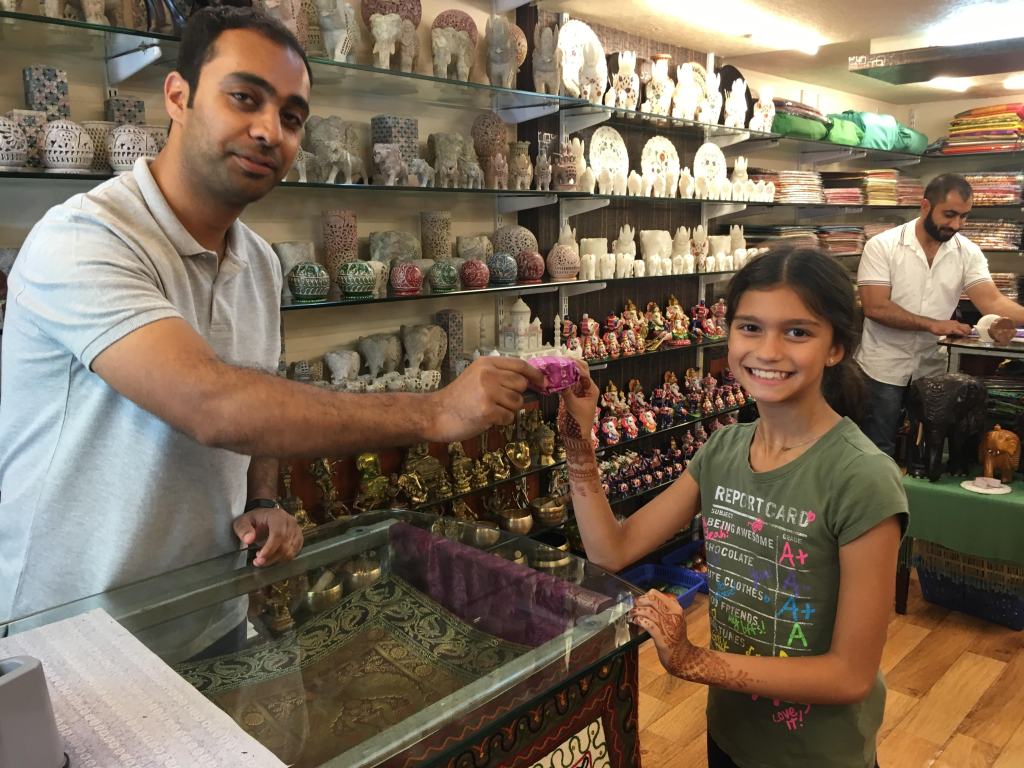
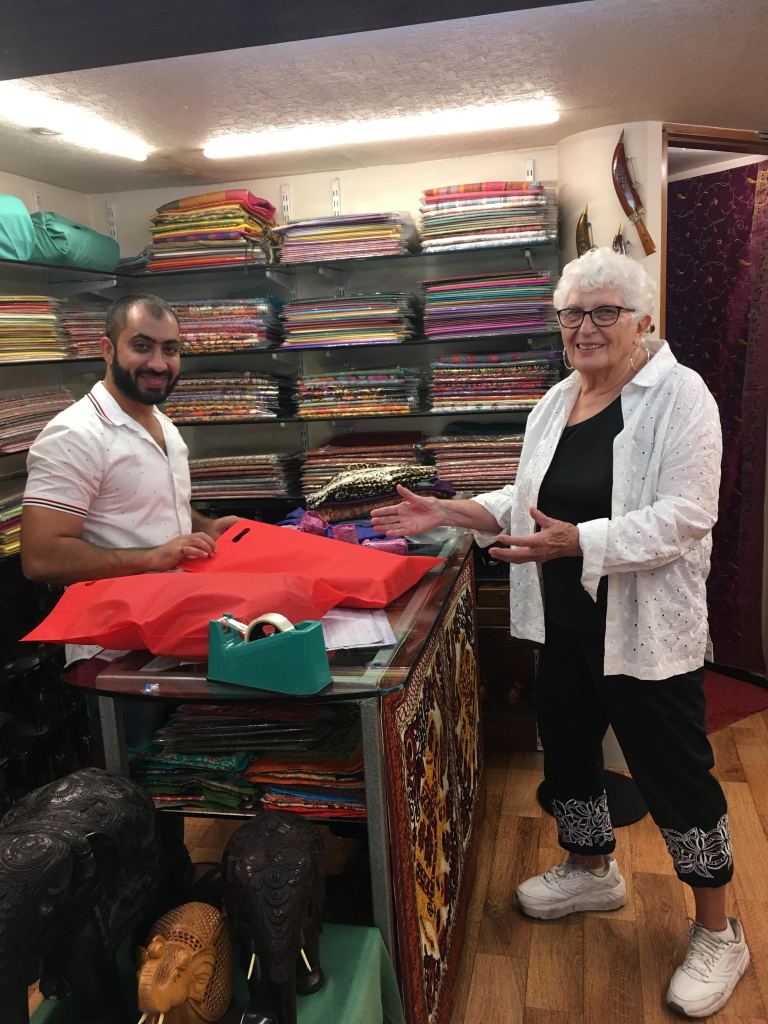
We also did some shopping – at a handicraft place, as well as the mall that was attached to the Marriott.

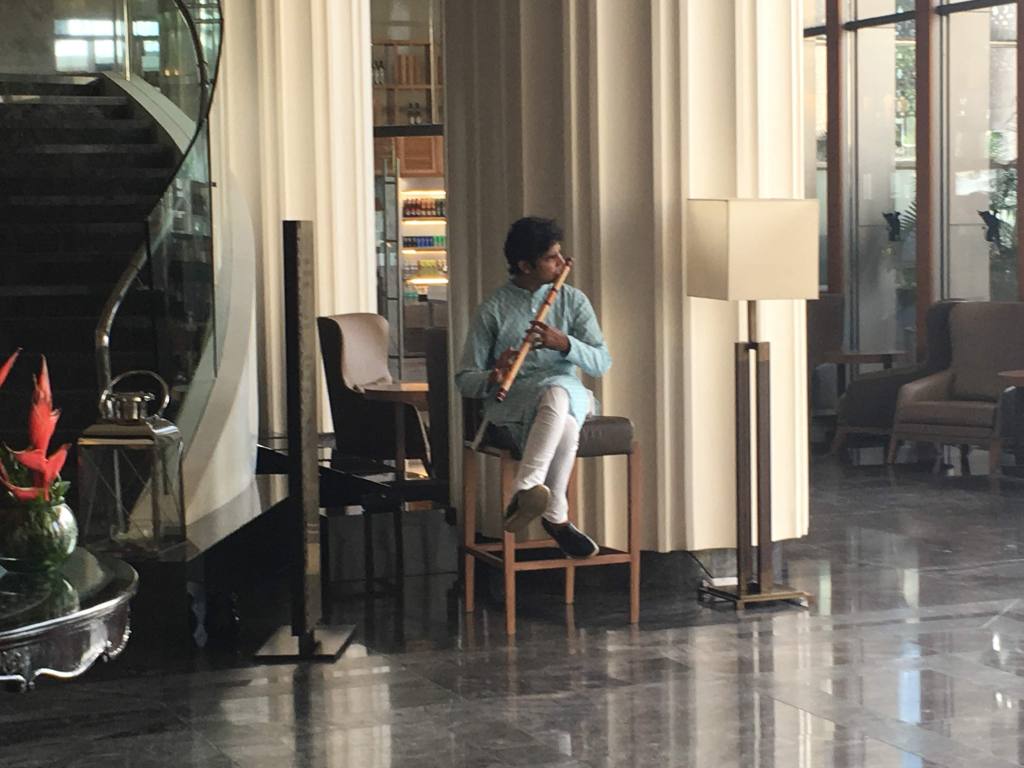
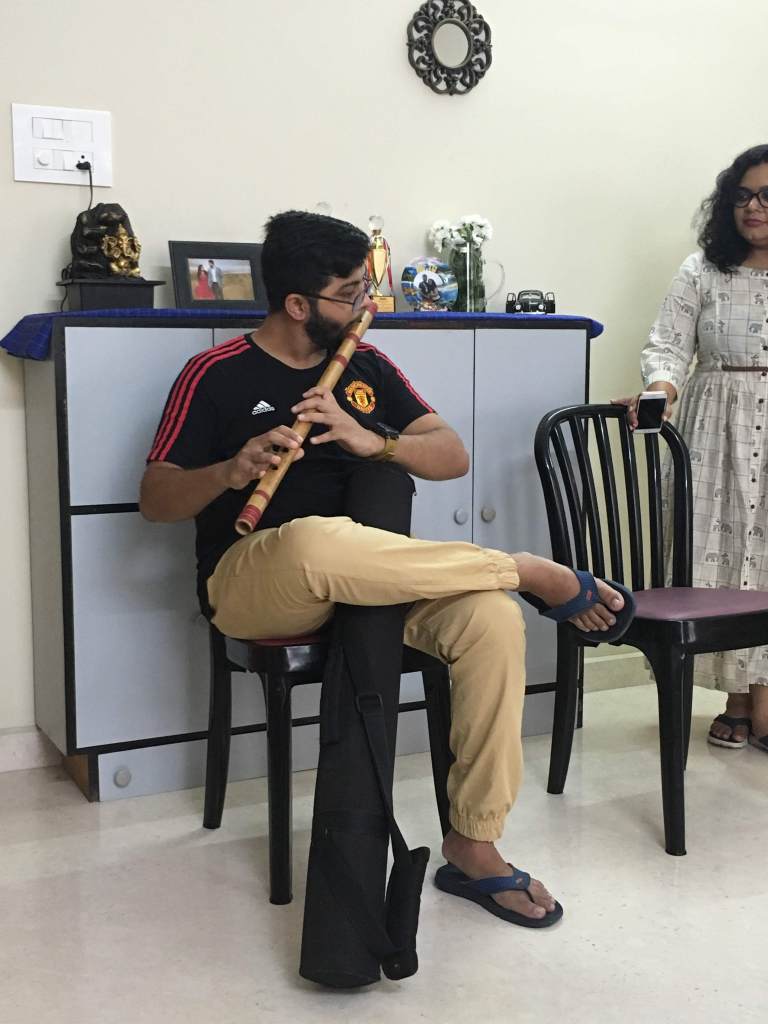
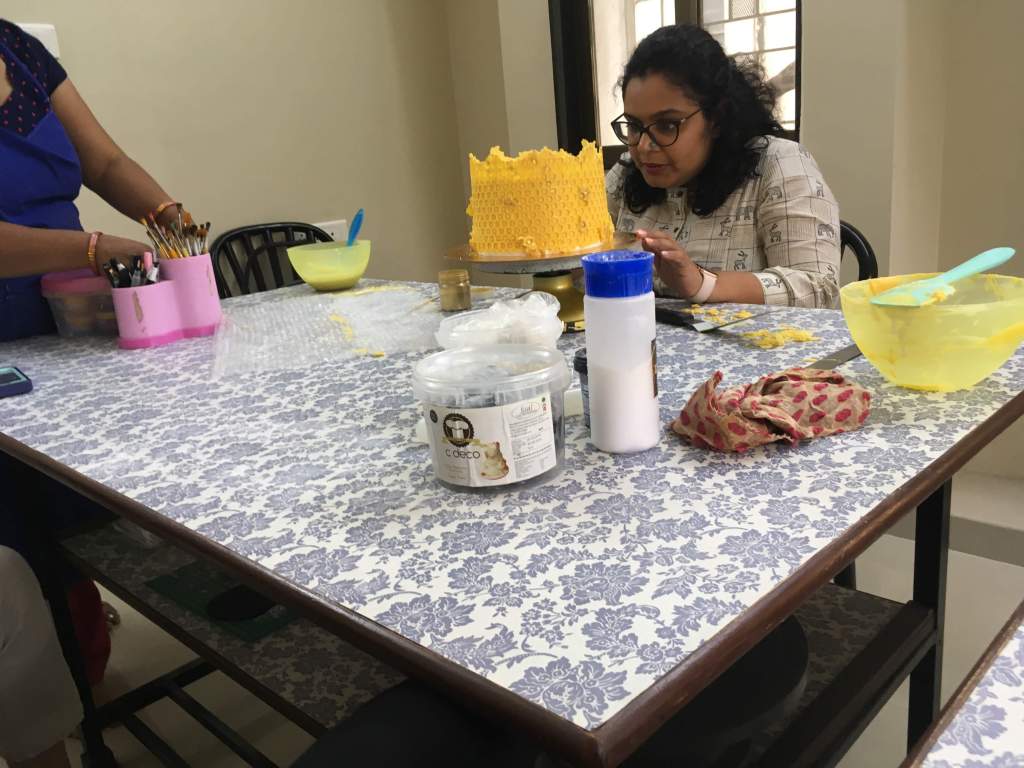
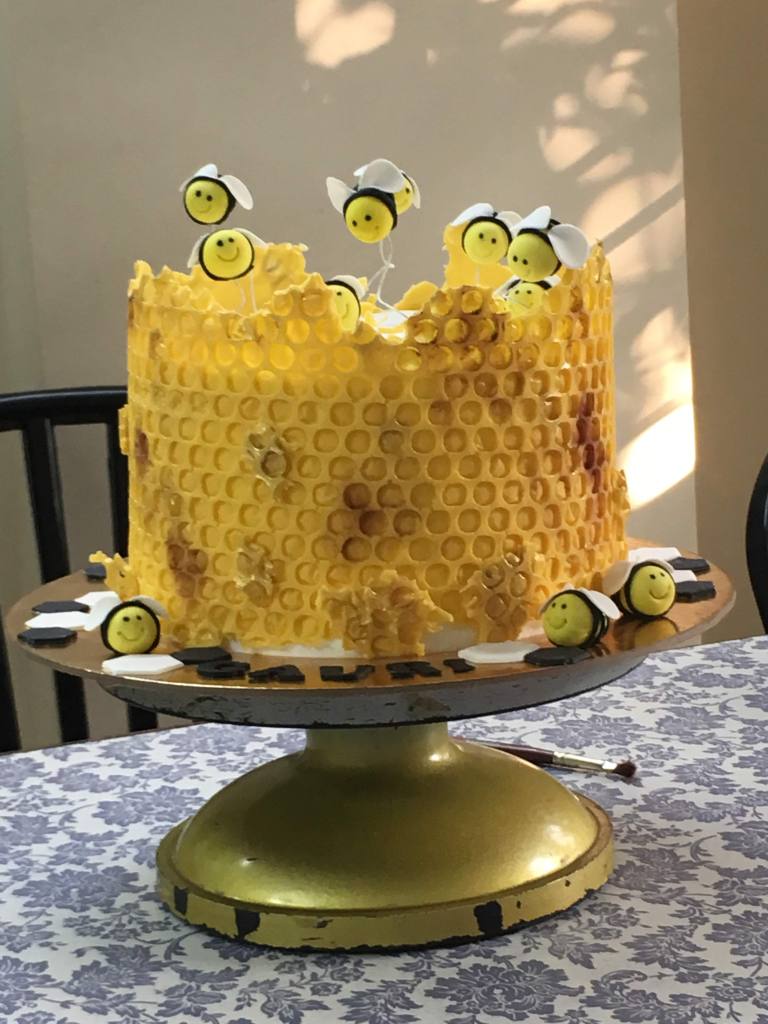
And on Wednesday, we had a special treat of visiting Parag’s cousin’s place in Kolthrude (forgive all spellings). We had seen them in Thane the previous week. Maitriya and Aditi were so nice to host us! Maitriya shared some of his musical talents (classical flute), and Aditi shared some of her artistic and culinary talents (pushing the limits of the cake world)!

Note – we did not eat the bumble bee cake! It was for a 6-year-old’s birthday, and the client had called to ask for the cake sooner. So we got an unexpected look into her work.

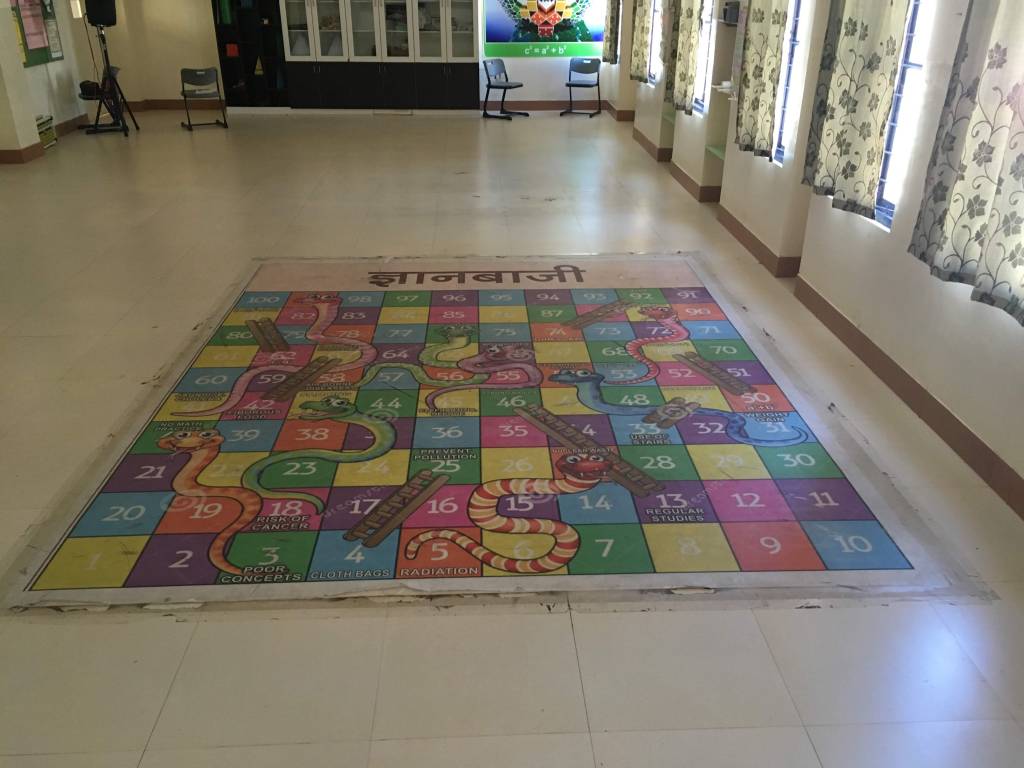
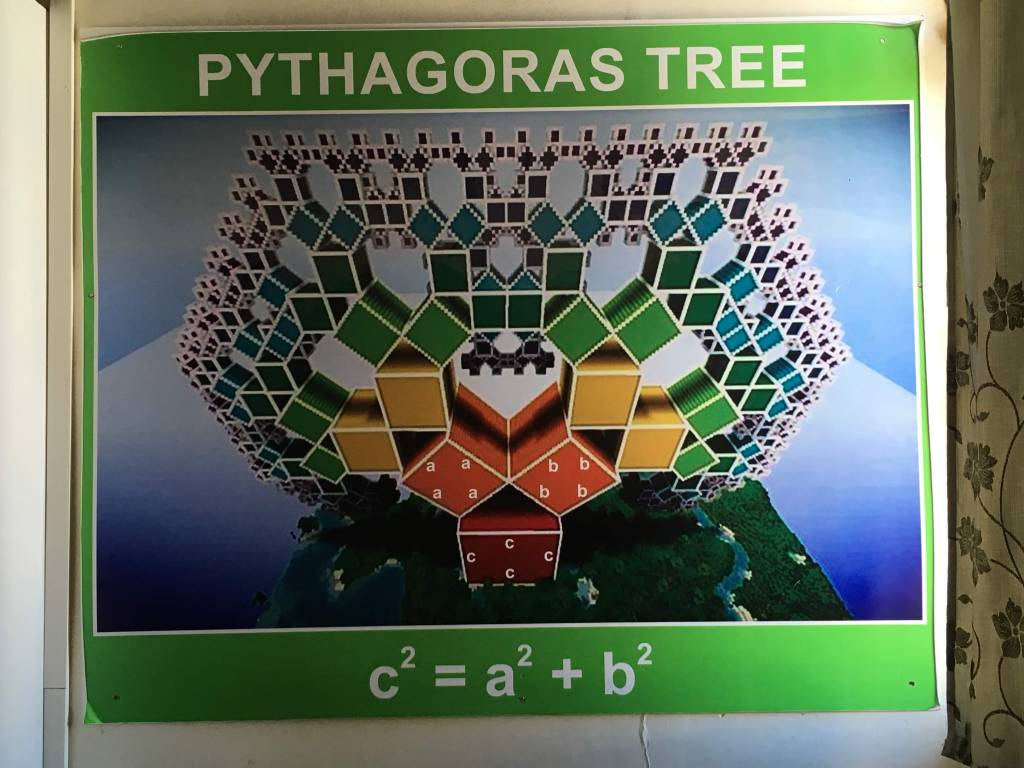
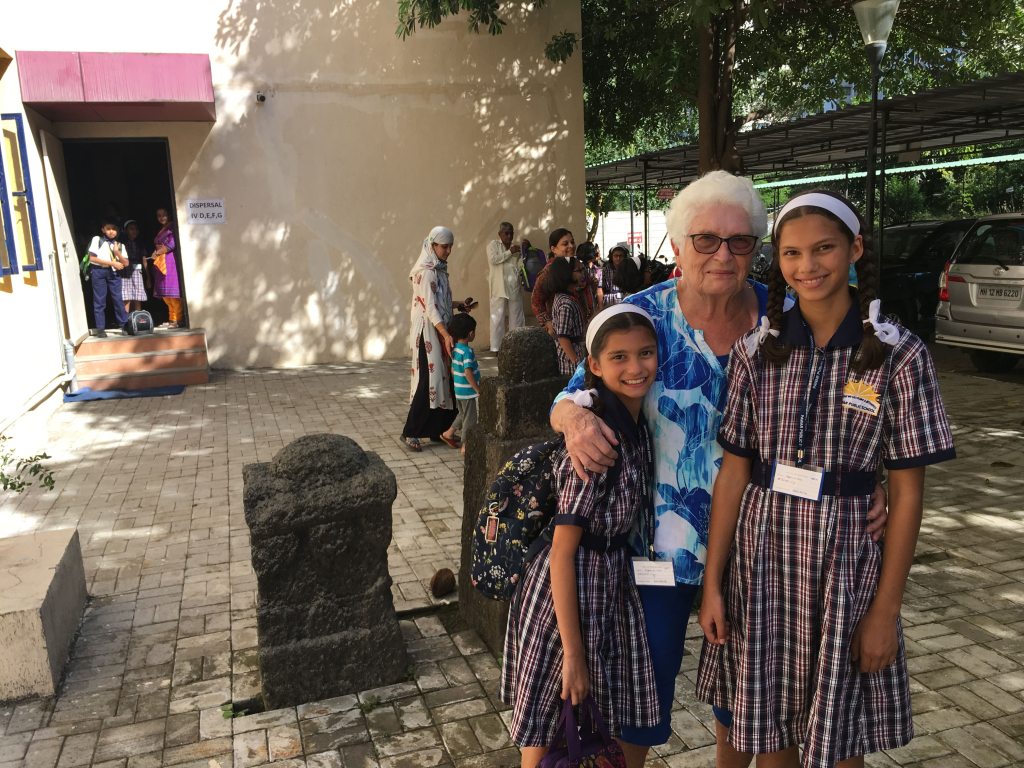
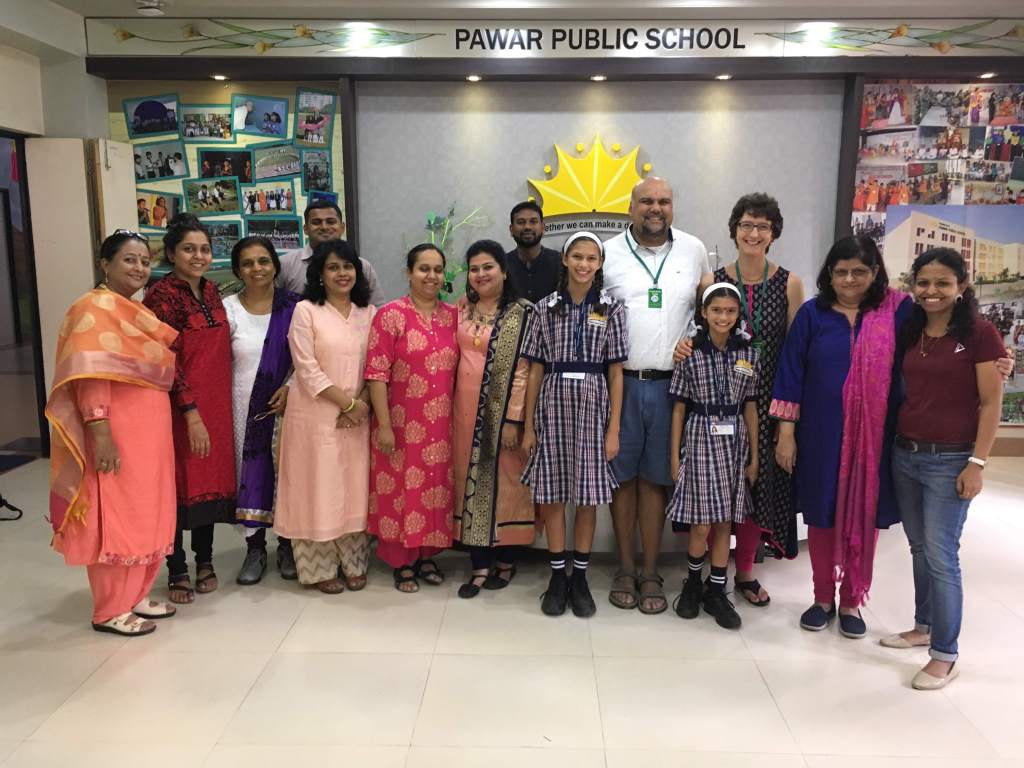
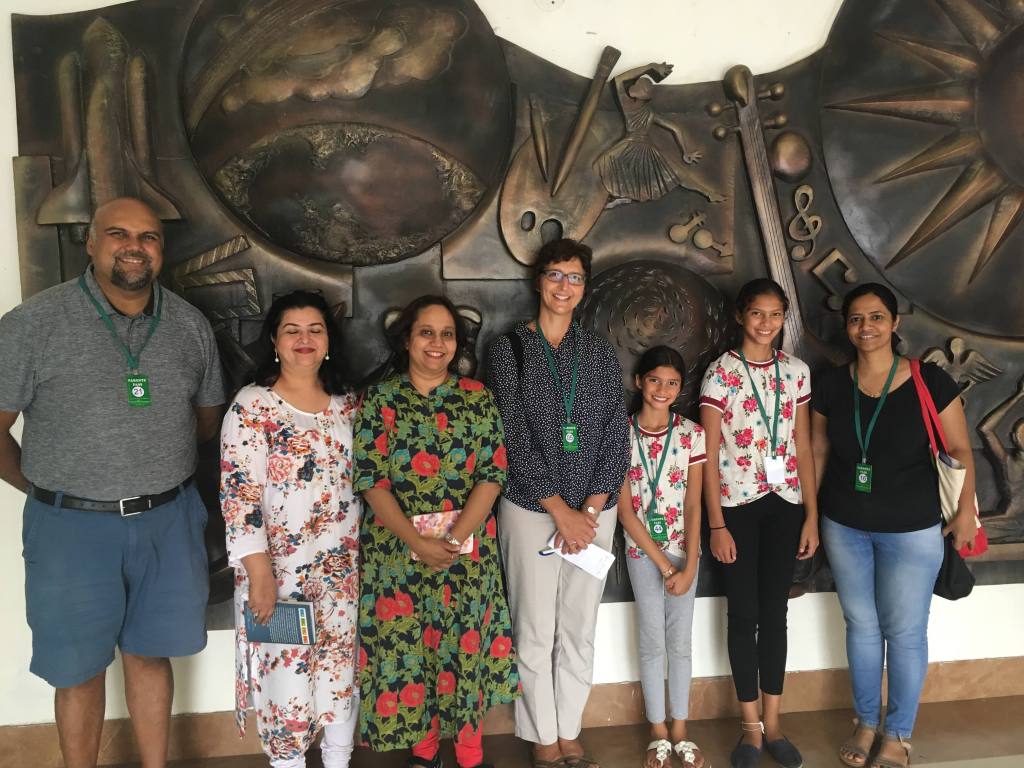
On Thursday, we moved out of the Marriott and my mom came to spend the night. Friday (Nov 8) was the end of Diwali break and the girls first day back to school! Tom and Robyn – back from Goa – came out to our apartment Friday morning, and we all got to do visit the girls’ school, Pawar Public School. We had a wonderful tour, hosted by Rohini, one of the administrators, who showed us all the ins and outs AND the math lab room, which I hadn’t seen before.

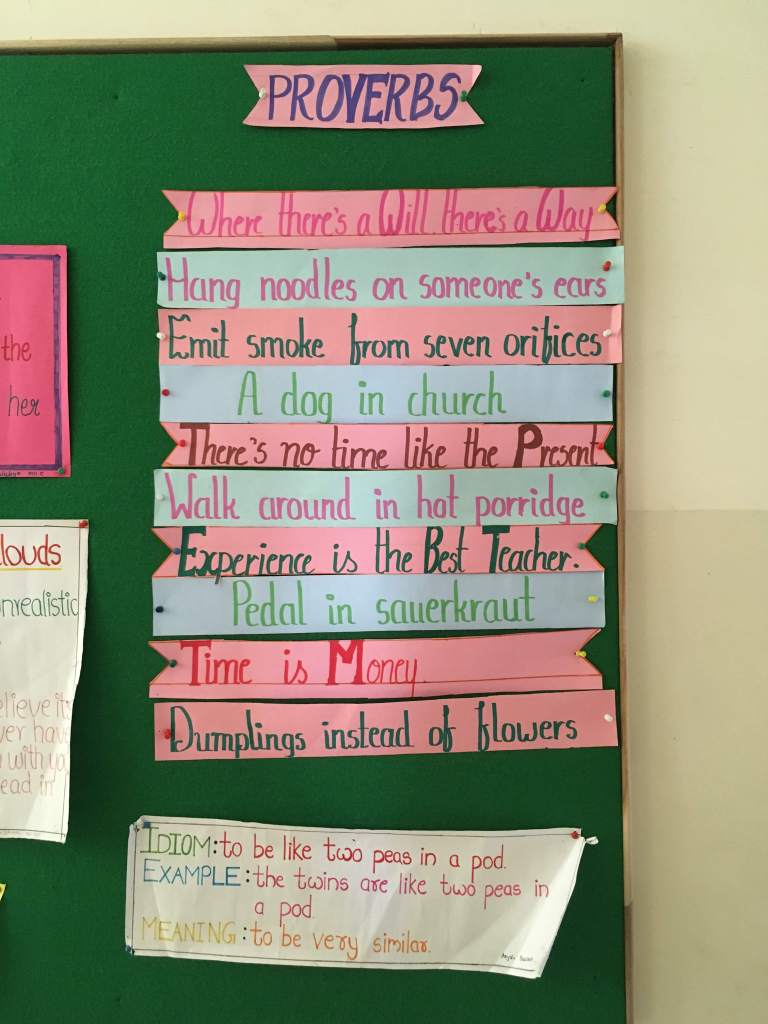
The hallway walls are quite covered with maps, sayings, student work, etc. We were amused by this poster of proverbs. “Time is Money” made plenty of sense, but others we were more puzzled by! Try your hand (or brain!) at them….

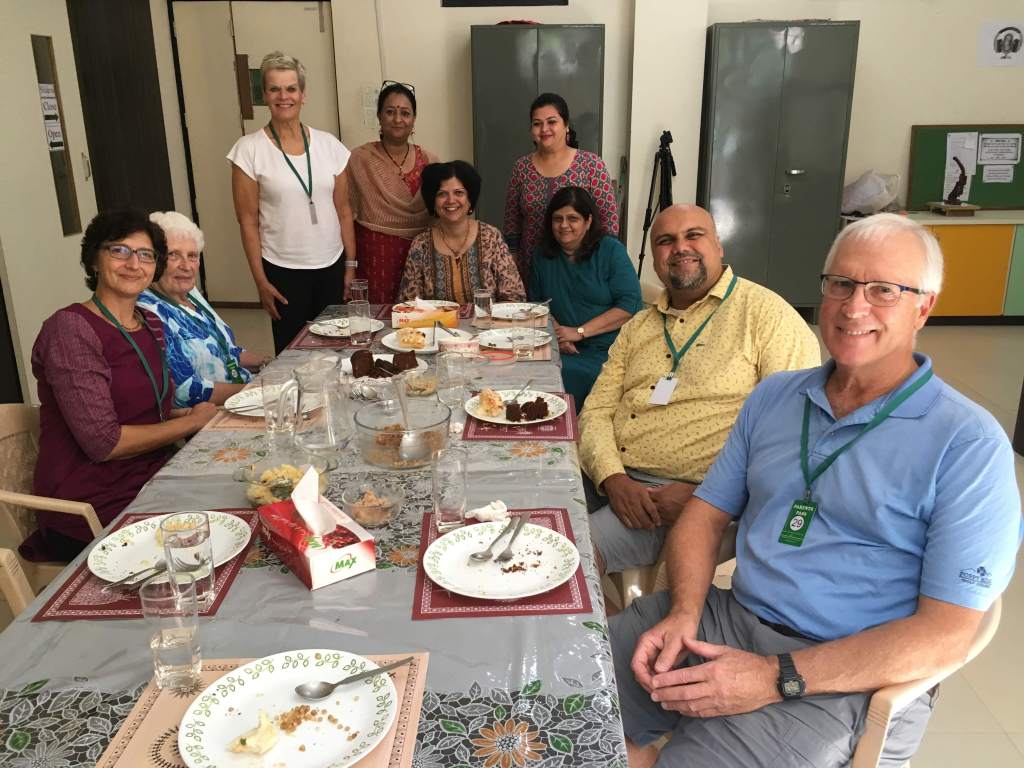
The school also was so kind as to treat us to a lovely lunch. The principal, Anjali Gurjar, had recently been to the US (her daughter moved recently to Manchester CT — have we mentioned that before???) so one of the dishes had on it almonds from Big Y. Gotta love a global society!

The principal actually had gone to Alex’s (future) class in Buckley school on her visit to CT, and the day we visited Pawar, she went into Alex’s (current) class and showed them pictures of her Diwali break in Connecticut.

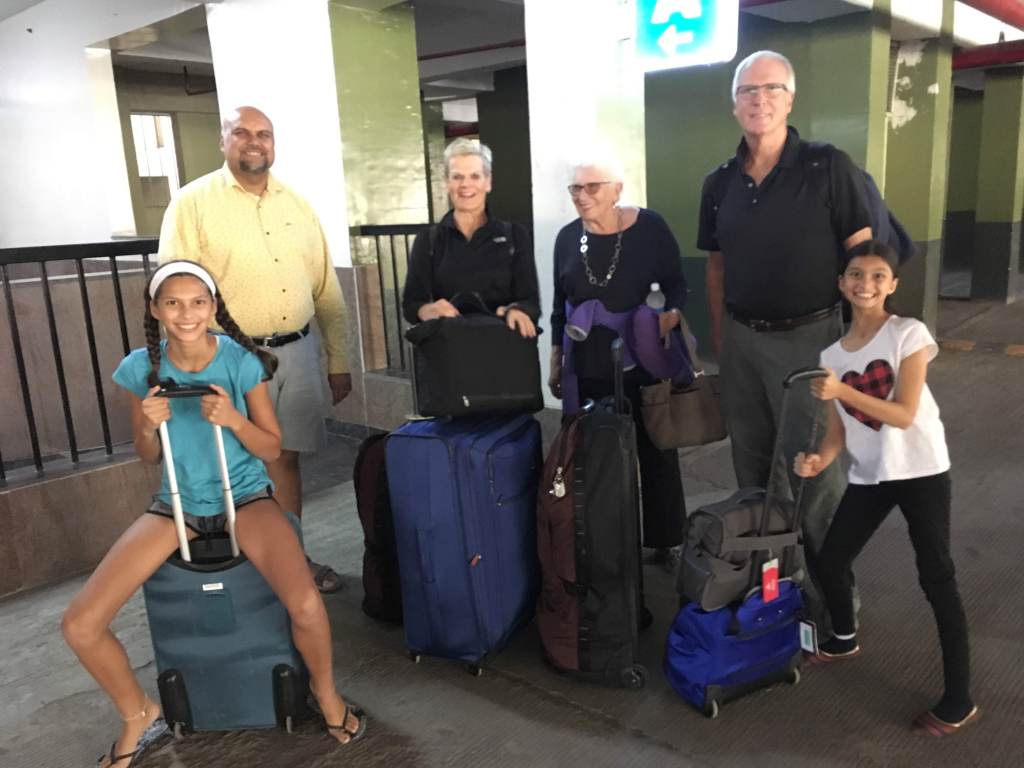
After that, it was a relaxing afternoon. Grammy picked up the girls from school; Tom and Parag made a trip to the ATM and to have pani puri; and then they all headed off to the Mumbai Airport for their midnight flight and long journey home.

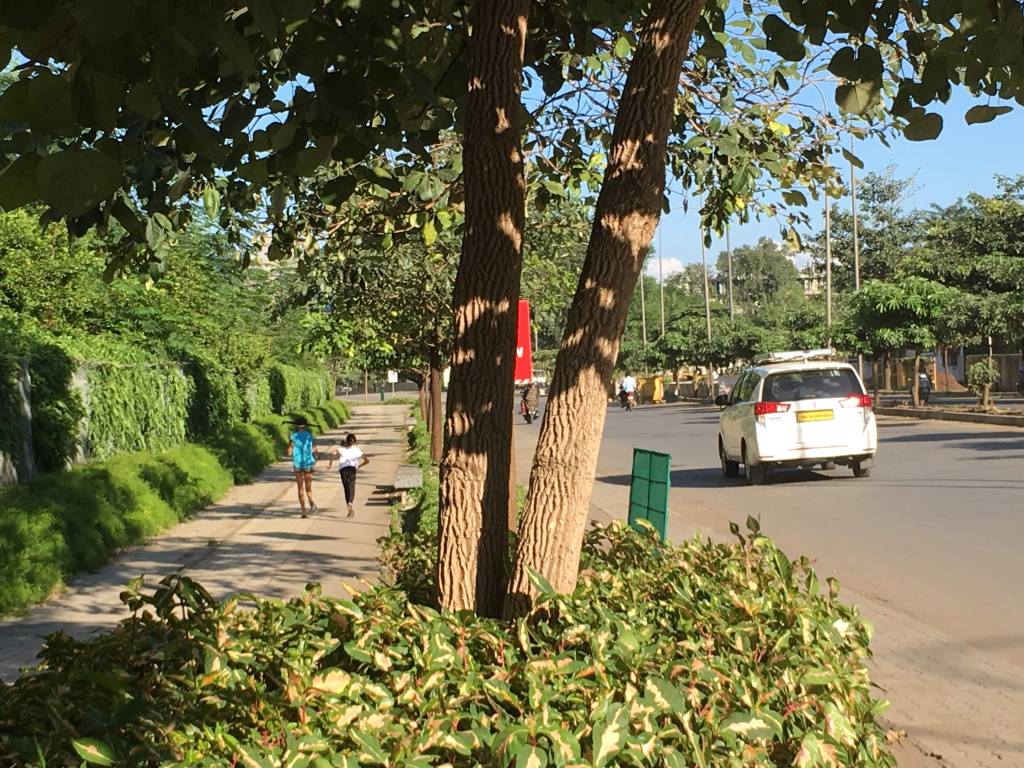
Here’s all the luggage — yes, one of those bags was filled with our stuff (!) — and the girls chasing the car. They were quite sad to see everyone go.

What a great visit!

Diwali Break! The Thane Trip

We got a little out of order, but this post fills in some more of Diwali break, which was 2 weeks. We posted on Diwali, which is really the first few days of Diwali break. We also posted on the start of family visiting (whoot! whoot!), which started about half way through Diwali break. This post fills in some of those early days (the Thane Trip) and the next post will have the latter part of the family visit.

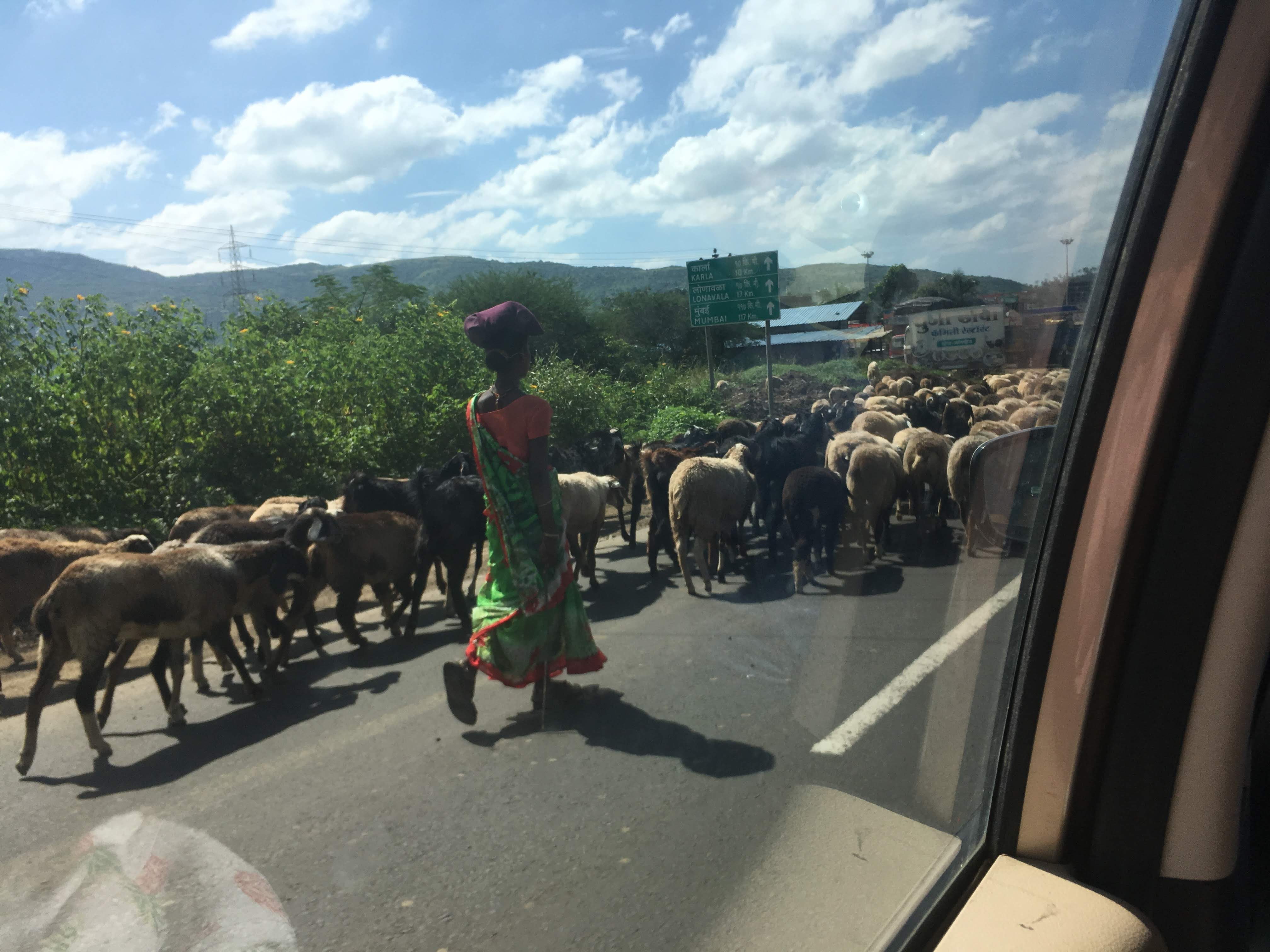
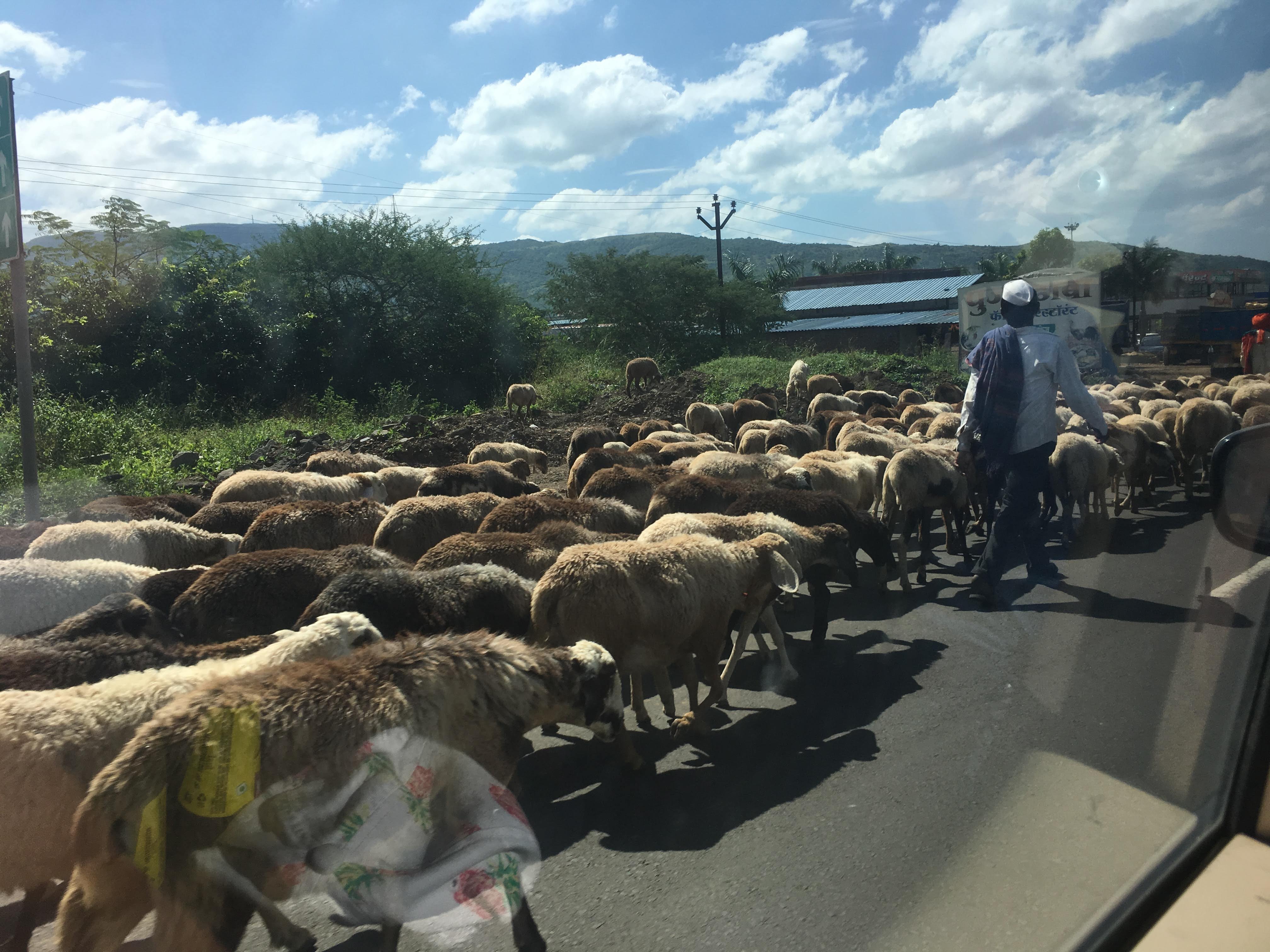
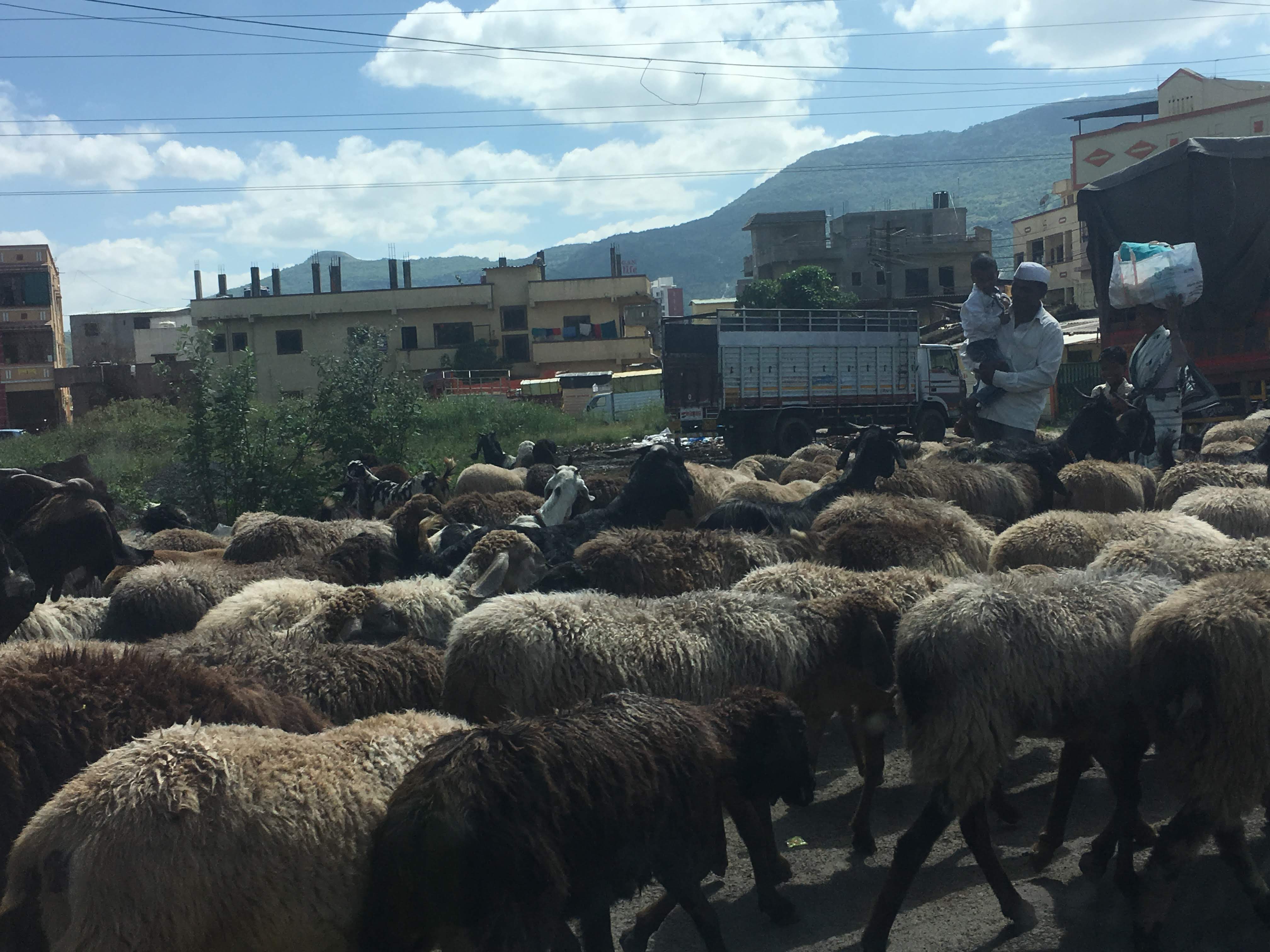
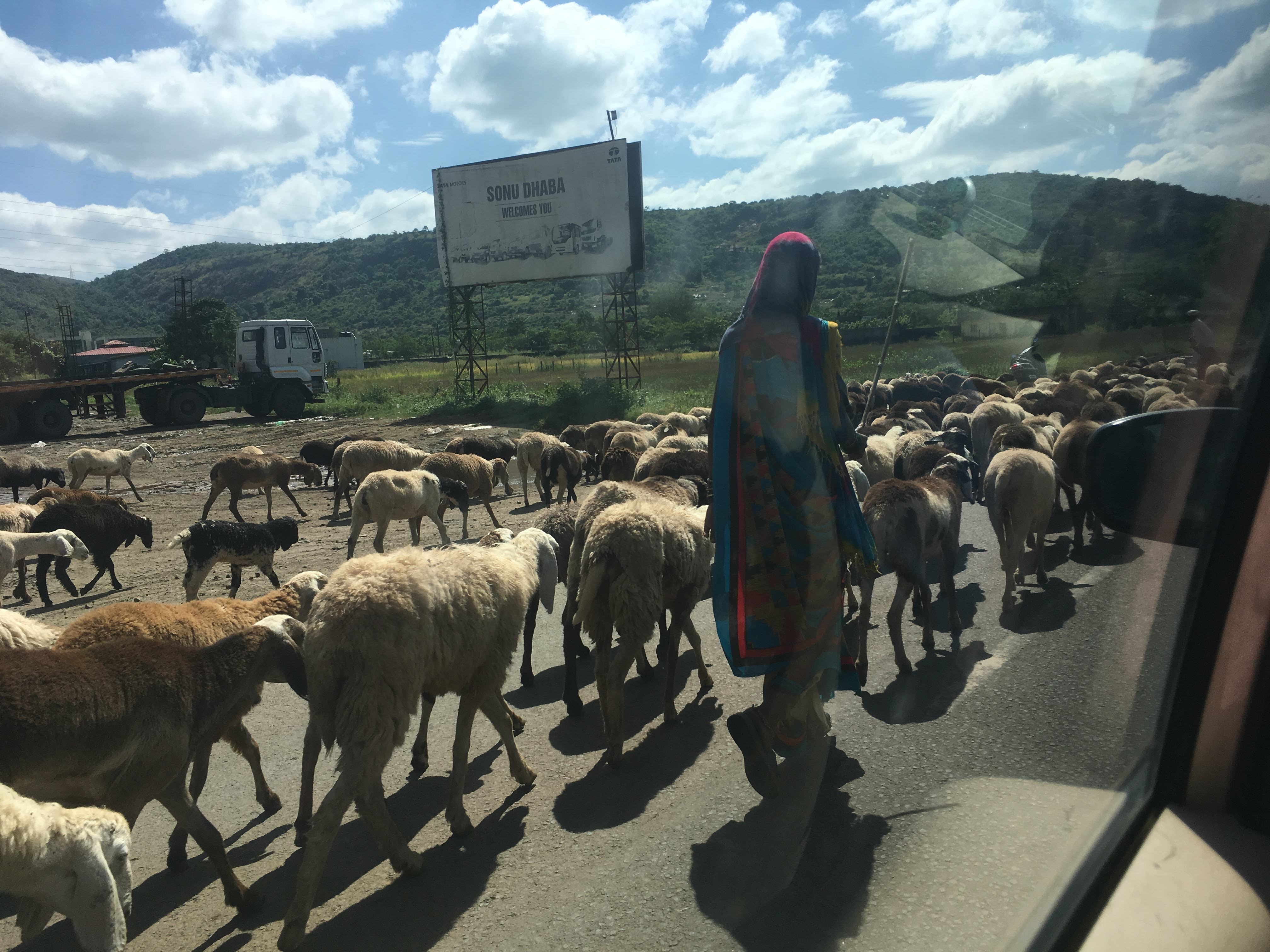
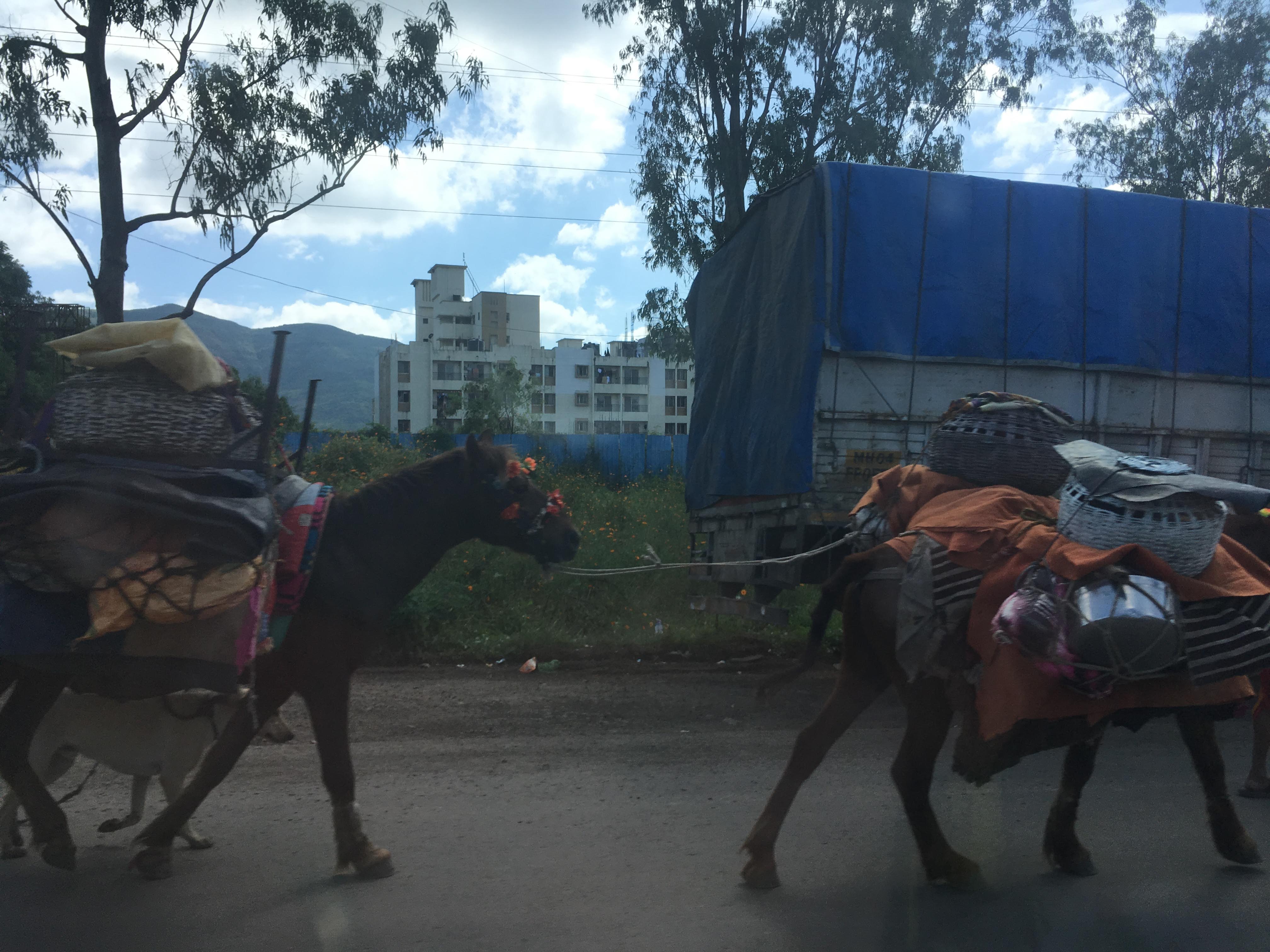
As everyone was on holiday, we took off on Monday (Oct 28) to Thane, which is a suburb of Mumbai. Parag has family in Thane AND Shilpa’s parents and brother live in Thane. It’s about a 4 hour drive, and so we piled into Nachiket’s car. The six of us are remarkably comfortable in it – usually with Alex on Shilpa’s lap. (Seatbelts aren’t really a thing here…) It must have been national herd-your-mules and sheep-on-the-highway day, as we saw dozens and dozens, along with a few goats.

But… we had one important stop along the way. Nachiket and Shilpa treated the whole family to a fabulous water park! Pictures coming soon… Parag has a few, and I just left my phone in the car. It’s called Wet N Joy. This pic is from the website to give you an idea. Definitely fun.

Cadi’s and Alex’s favorite ride was the same — it was a ride that was like a roller coaster– you’re 2 on a tube and you drop, but then also go back up, as there are jets pushing you. Super fun ride — and longer than usual, as you get to go up as well!

Megan’s favorite ride was something called the Volcano. It’s like a lazy river, in that you get on a tube and float. It’s not at all like a lazy river in that there’s an eruption of water every minute or so that sends a huge wave into the route. You get a good ride. It gets a little tricky too! You can be tipped off, or tossed a bit into the side wall. (Yes, things are a little different in terms of safety regulations! Definitely not a ride they’d have in the US).

Parag’s favorite ride was the “Tornado” which included some good drops, up the side, and “bowl.”

Most people had on full suits –men with shirts and shorts; women with shirts and legging-type bottoms. Cadi and I stood out a bit with our arms and most of our legs showing. There were plenty of suits for rent as well. Not nearly as much a swimming culture as we have in the US.

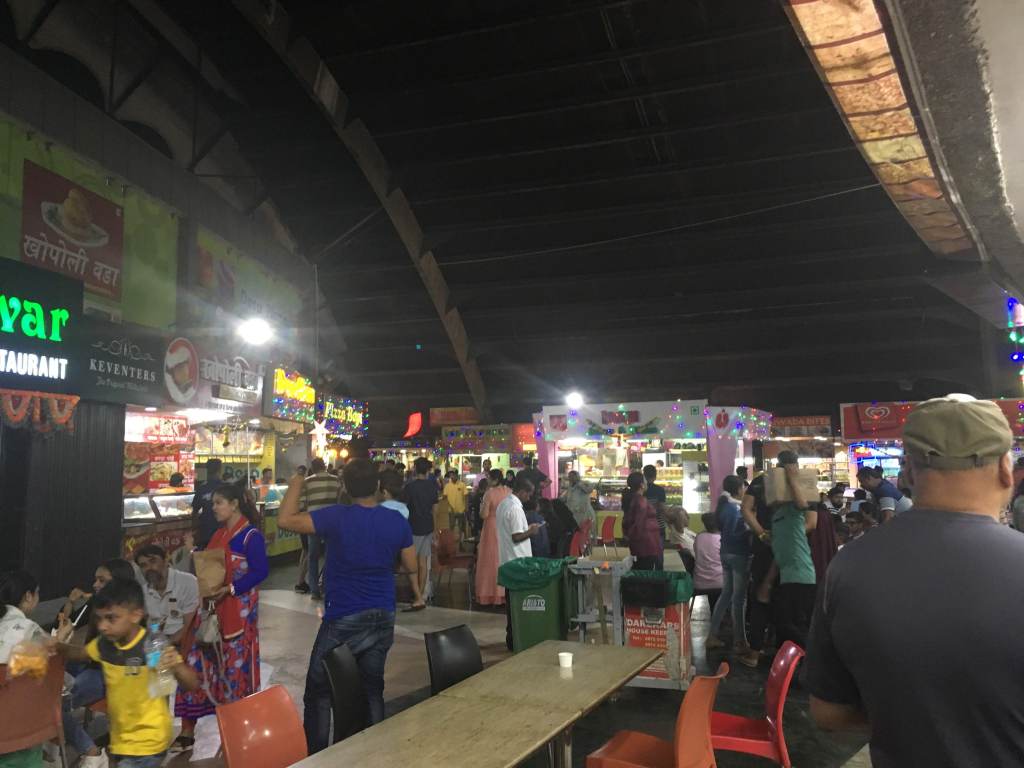
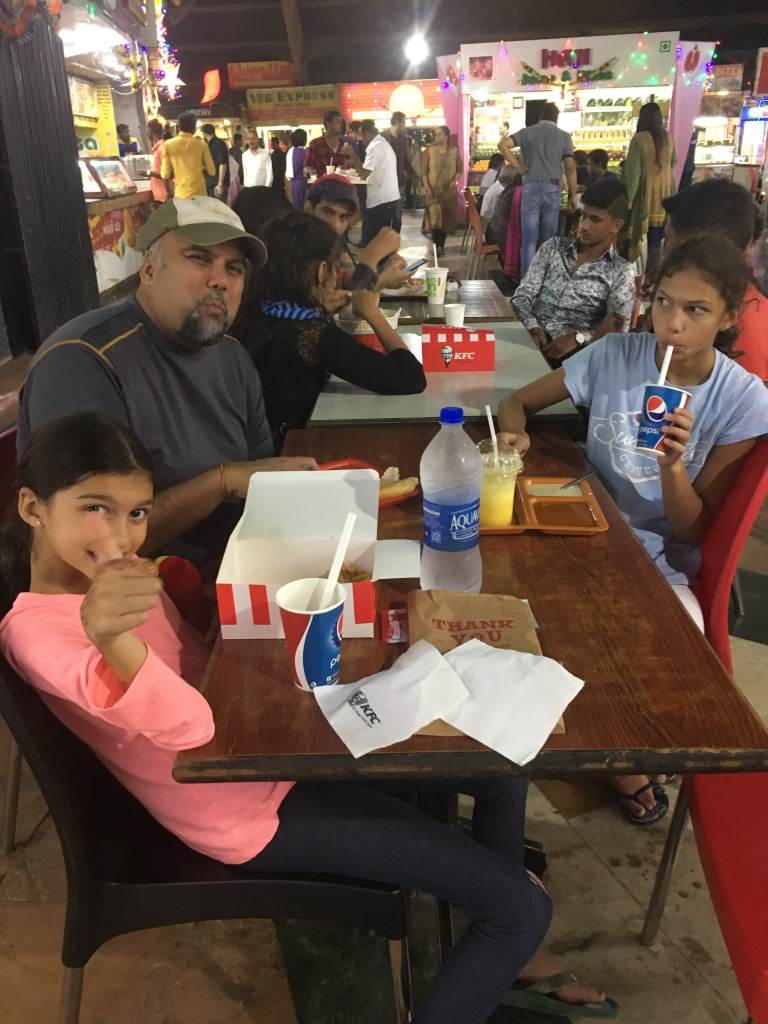
After the park, we hit a rest stop for dinner. There was a KFC, Subway, McDonald’s, and then lots of Indian food including a chikki place, chai place, and paan. Alex got KFC, but reported it was pretty spicy! The cookies from Subway were the first American-style cookies we’ve had here — soft, chewy. Mostly there are biscuits here – courtesy of the Brits.

We go into Thane pretty late that evening, staying at a hotel in the middle of town. We had 2 rooms for 2 nights. Want to guess the total bill? When you travel local, it’s local prices. Total was $84 — and that included breakfast …. Good stuff. And/but local is local. The keycard to one room didn’t work, so we always had to ask to be let in.

Tuesday was a lovely day of visiting relatives. We visited with Parag’s Mom’s side of the family — some of her cousins, and for those who know, Nupur’s sisters Sanju and Manju.

We first went to Sanju’s house, where she treated us to a lovely meal.

And then cousins started arriving! Karuna came with her husband, Sagar, and their son, Aditiya. Maitreya came with Aditi.

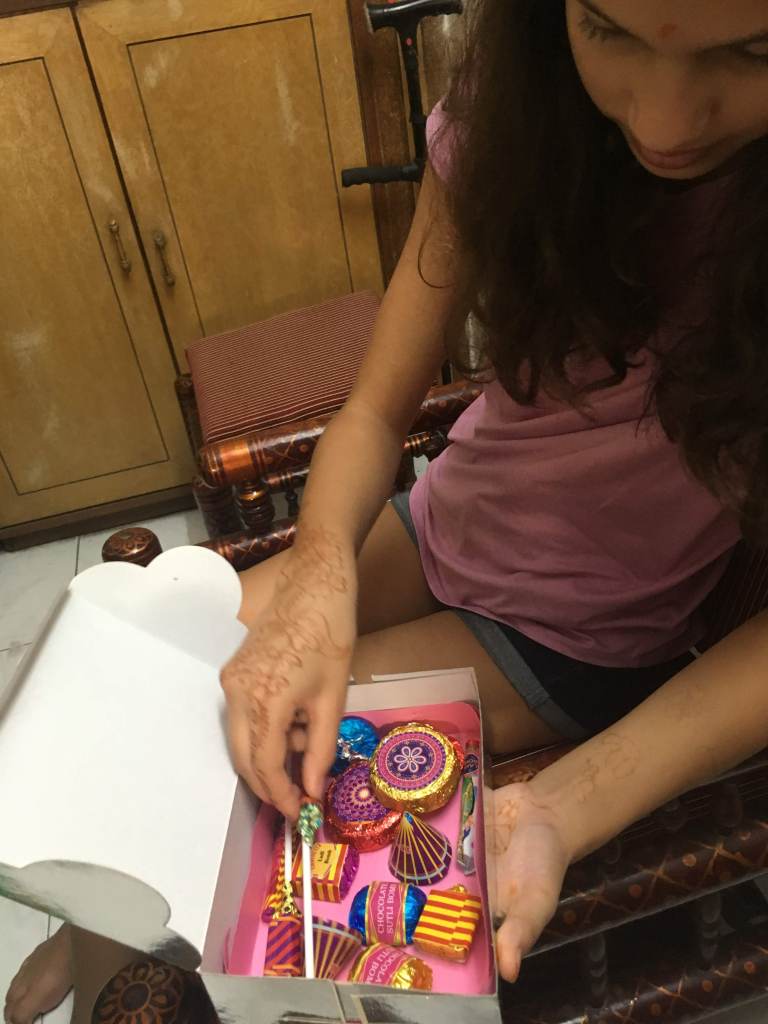
We had a lovely time, and then headed over to Manju’s house. The cousins are all involved in really interesting endeavors — professional flutist, baker, chef, teacher of German and Sanskrit, sustainable farming (farm to fork), etc. Aditi had made the fireworks chocolates from her “Sweet Boutique” – which will come up again in our next post. I’ll just tantalize you with this picture of her masterful gravity-defying cake.

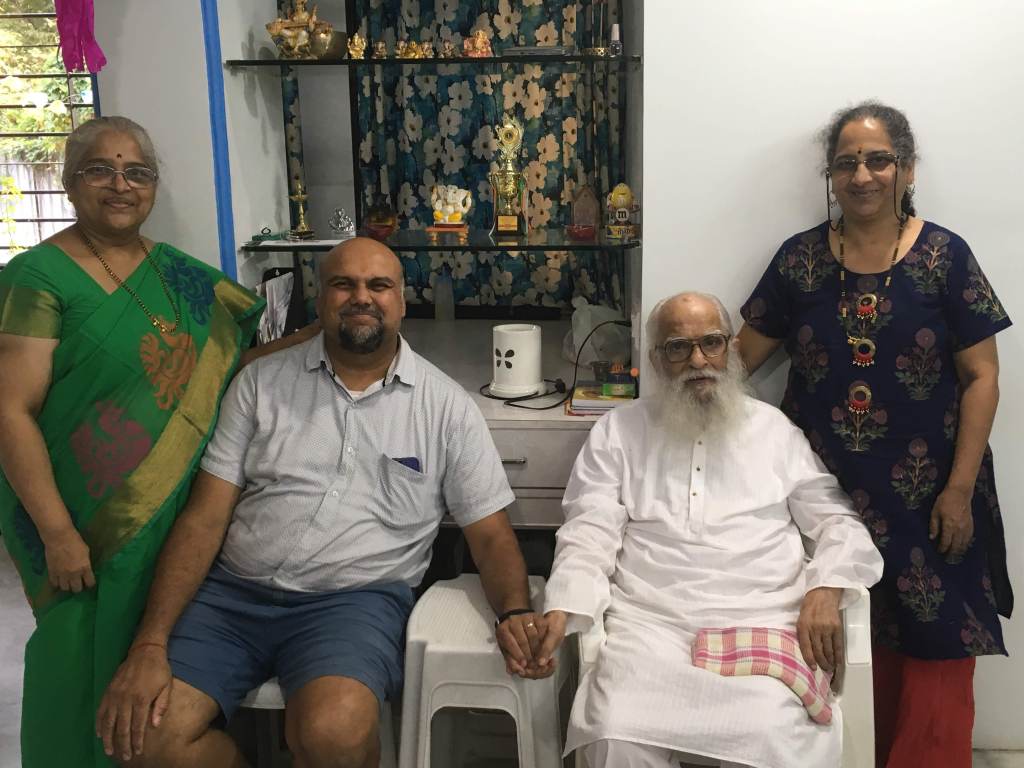
Manju and Sanju’s father, Babamama, lives at Sanju’s. He is getting on in years, but was delighted to see Parag and sat with us for the visit.

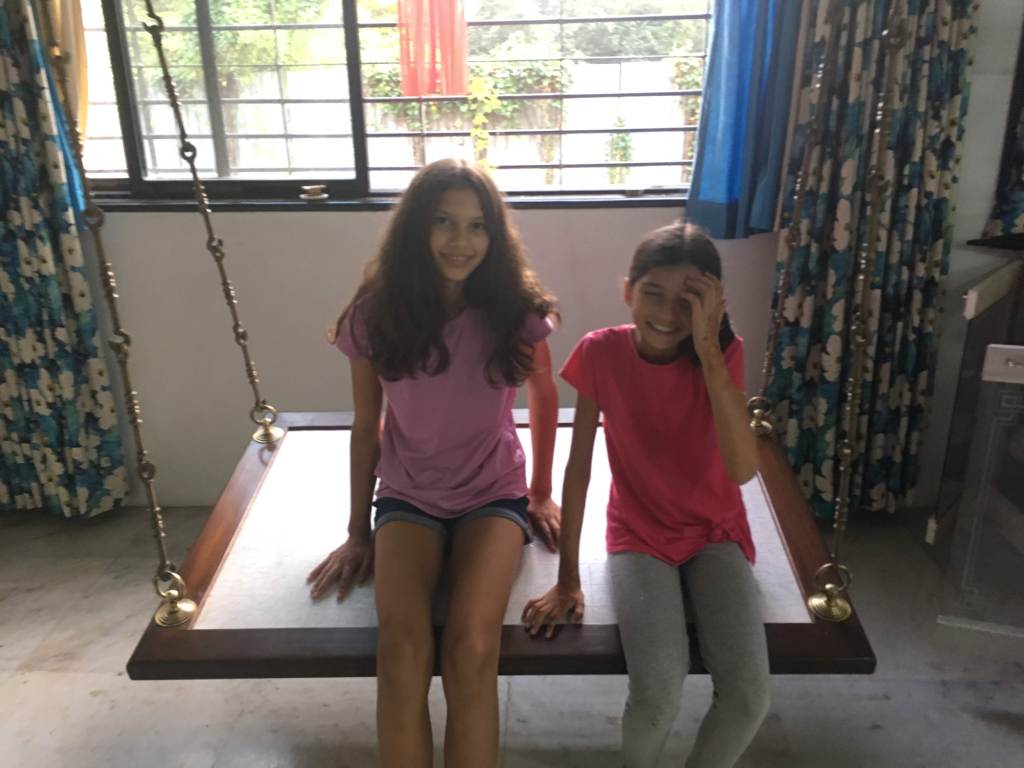
The girls quickly found the zopara (my spelling!), which is perfect in hot weather, as you swing back and forth to keep cool.

They also found the air-conditioned room and that’s where the kids played :).

That evening we went over to Shilpa’s family’s house for, yes, more firecrackers, pizza, and to meet her family (and cat!). It was so nice to meet them. We got to look through lots of photo books, including Nachiket and Shilpa’s wedding album. In fact, that’s when I met N & S — Parag and I were on our honeymoon, and we went to their wedding in Thane… 13 years ago…. The girls were amazed at how young we all looked! Sigh…

Diwali!!! (Better late than never…)

Diwali happened about 2 weeks ago, but we haven’t had a chance to post yet! So, here it is – with apologies for the delay.

First, Diwali is the festival of lights. It celebrates when Ram was basically reinstalled in the thrown. It symbolizes the power of light over darkness, or good over evil.

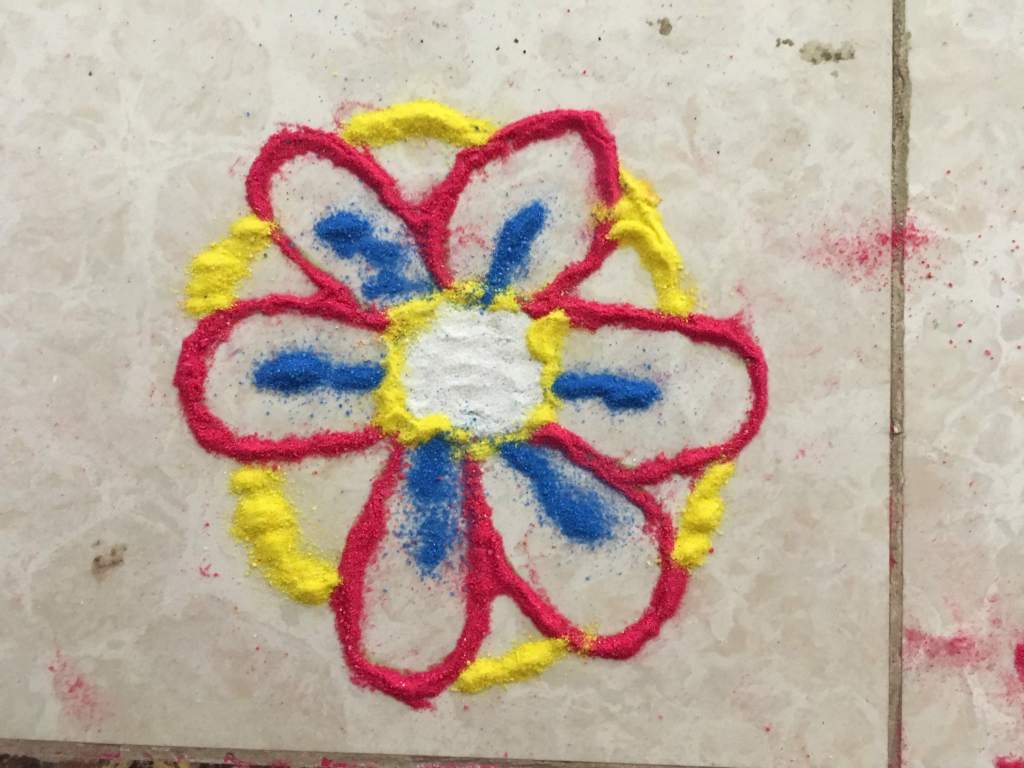
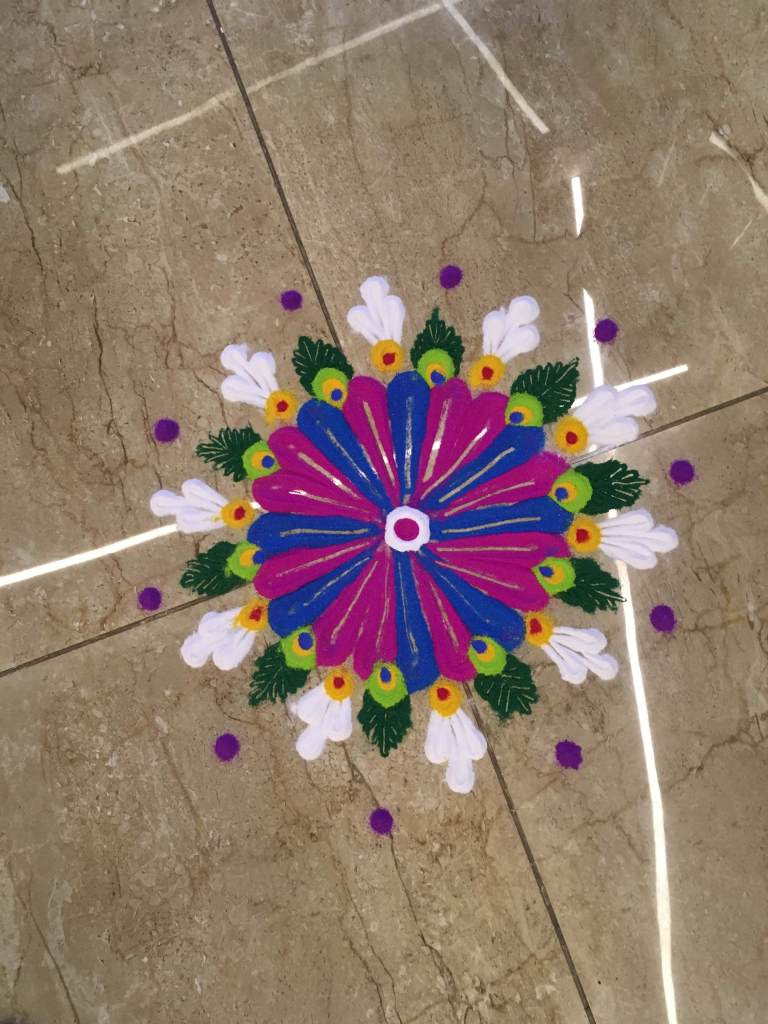
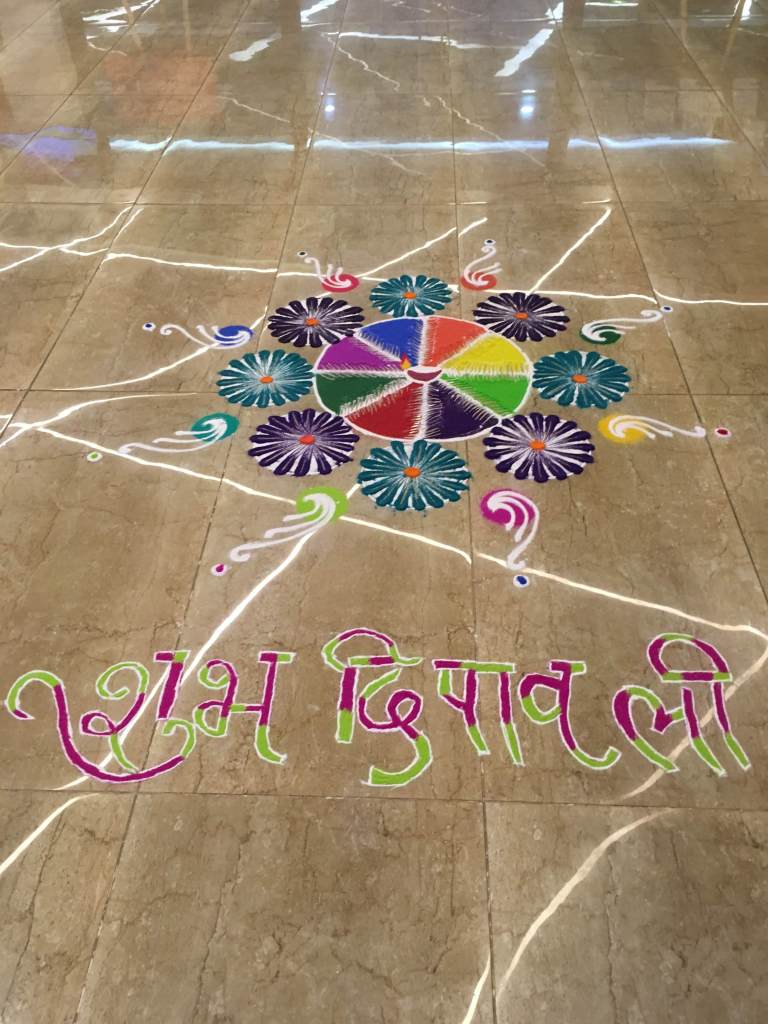
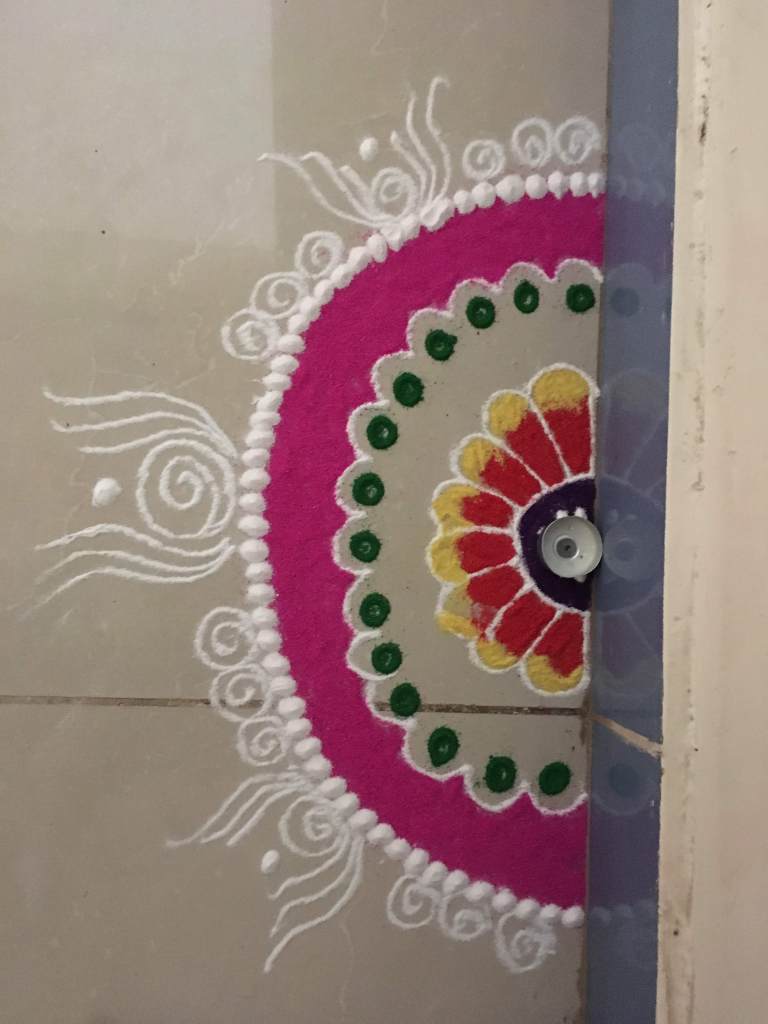
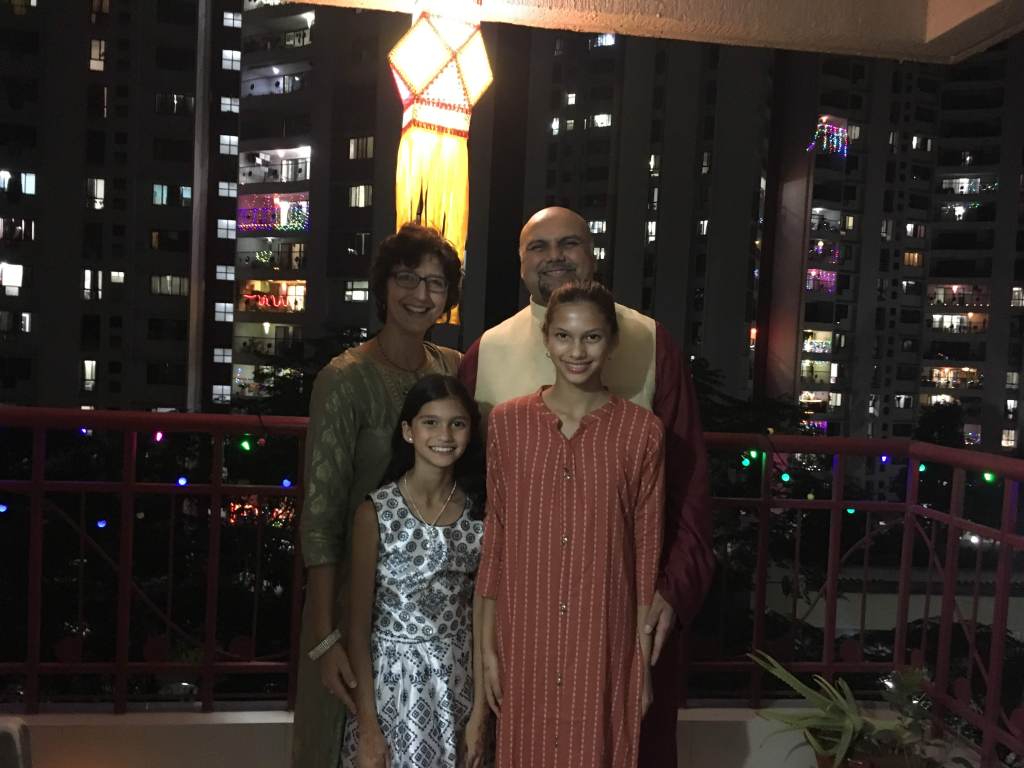
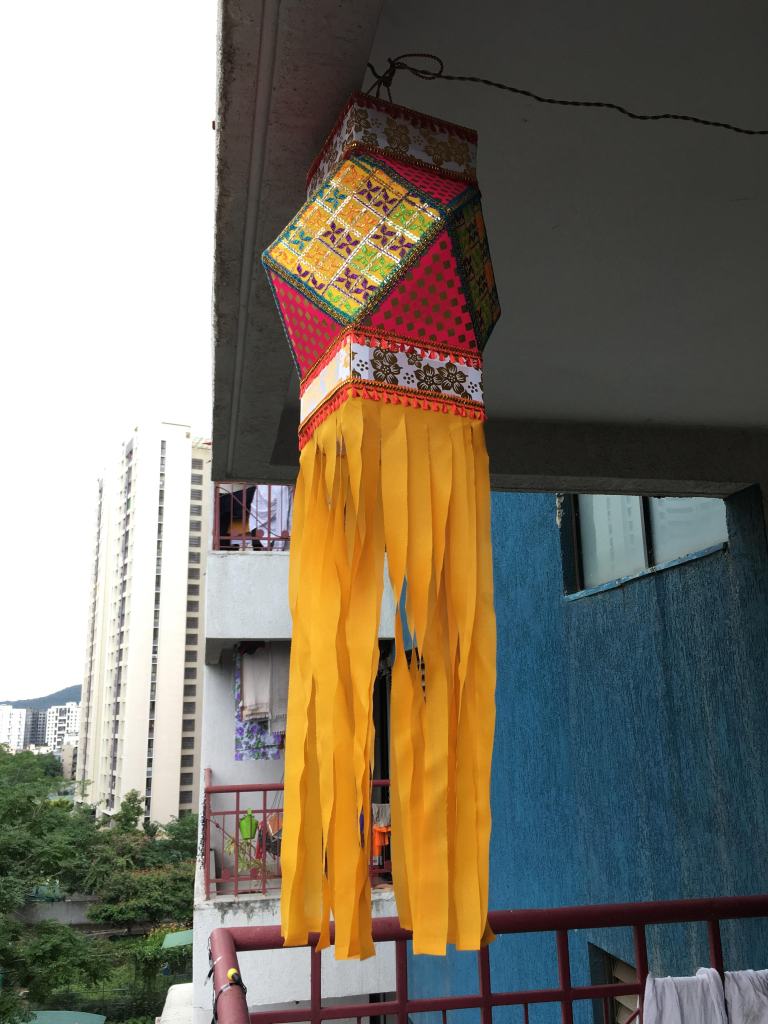
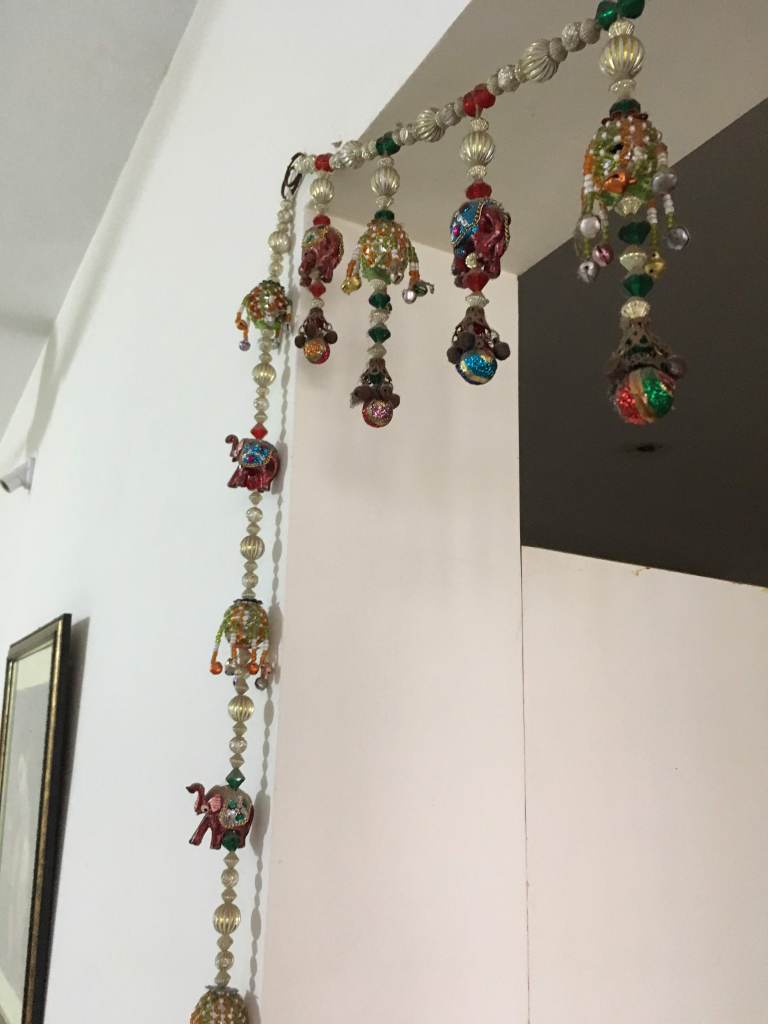
Here, that translates into lots of candles, decorations and fire crackers. Also, there’s plenty of food (as all good festivals and holidays have); visits with family; pujas and blessings; and a personal favorite to marvel at, Rangoli (sand art). We’ll share some of our India 2019 Diwali in this post! It will be heavy on the pictures, and lighter on the text….

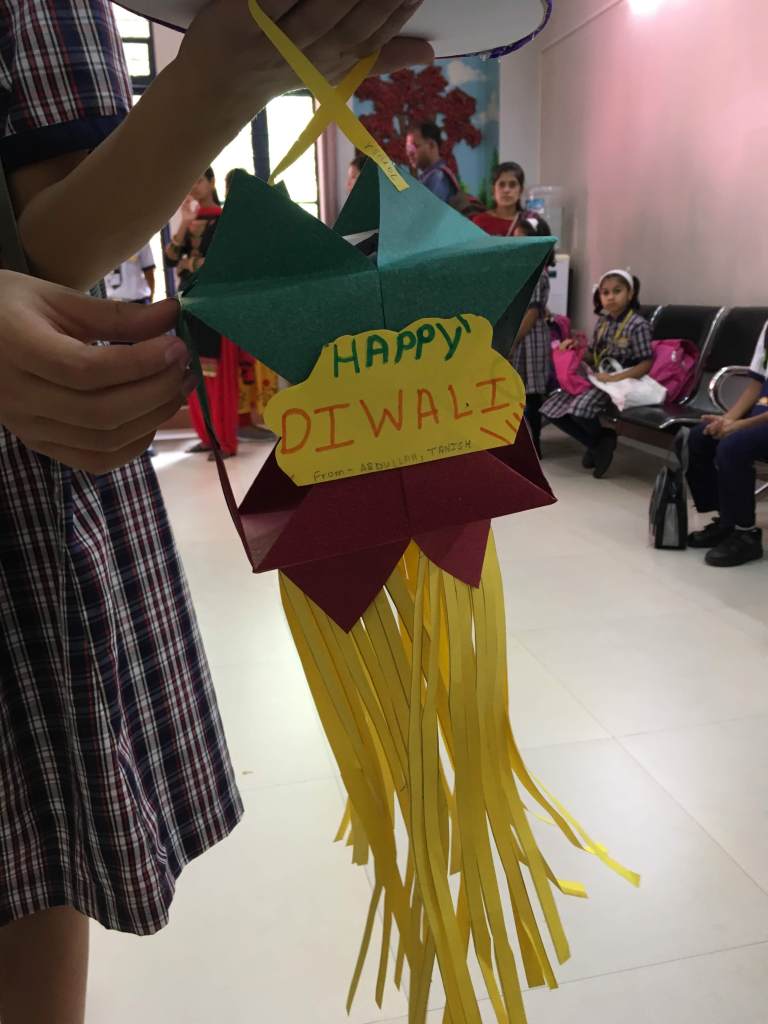
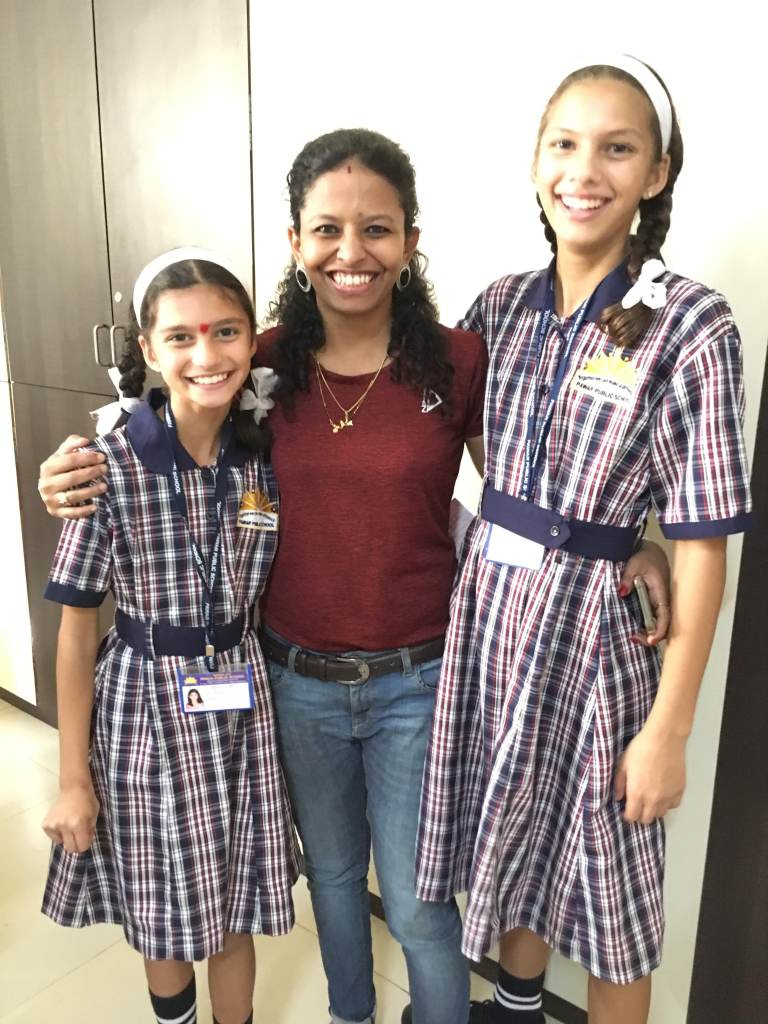
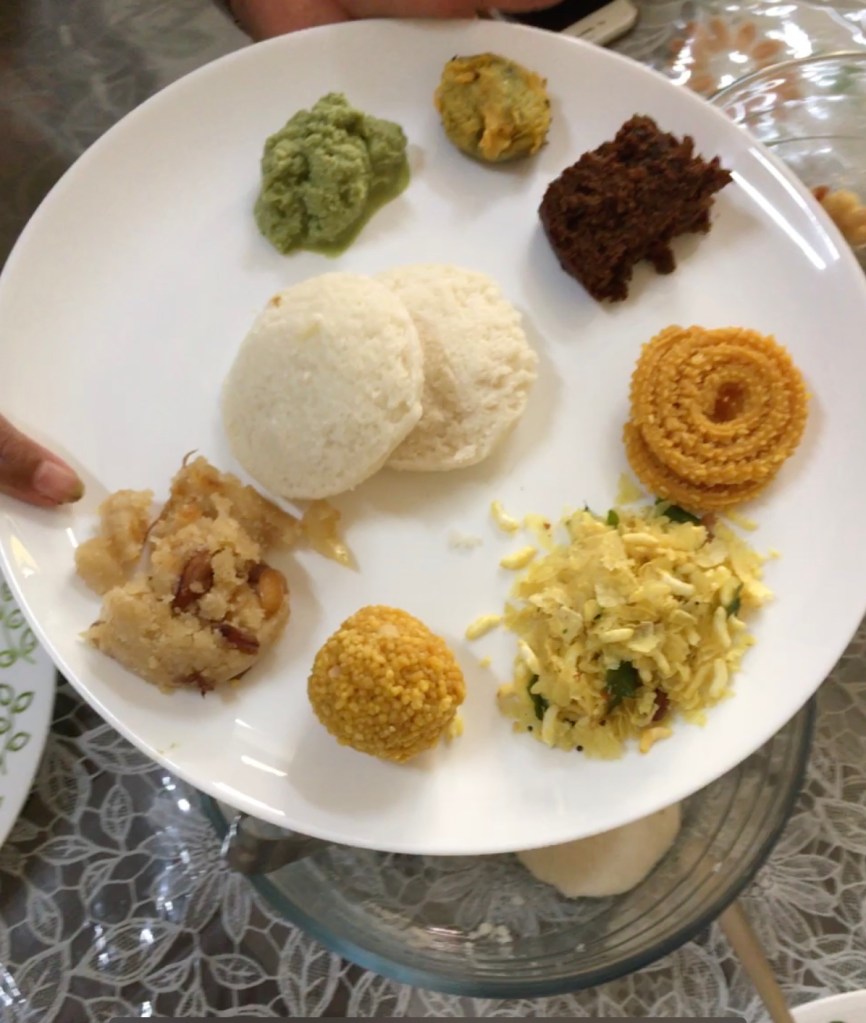
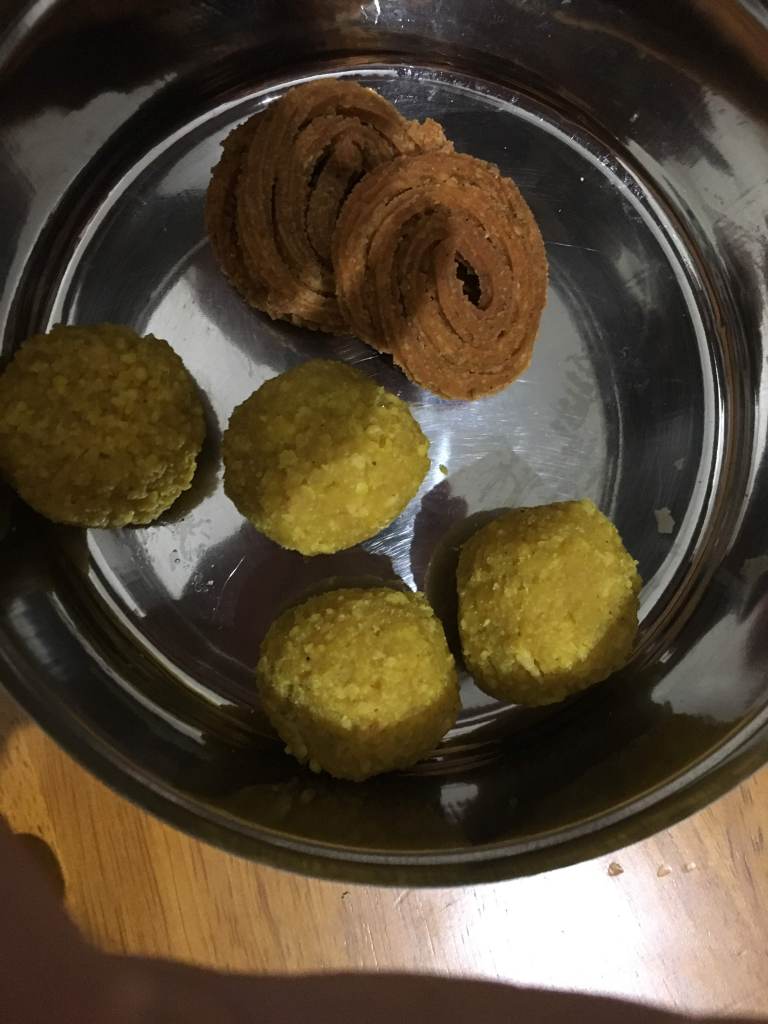
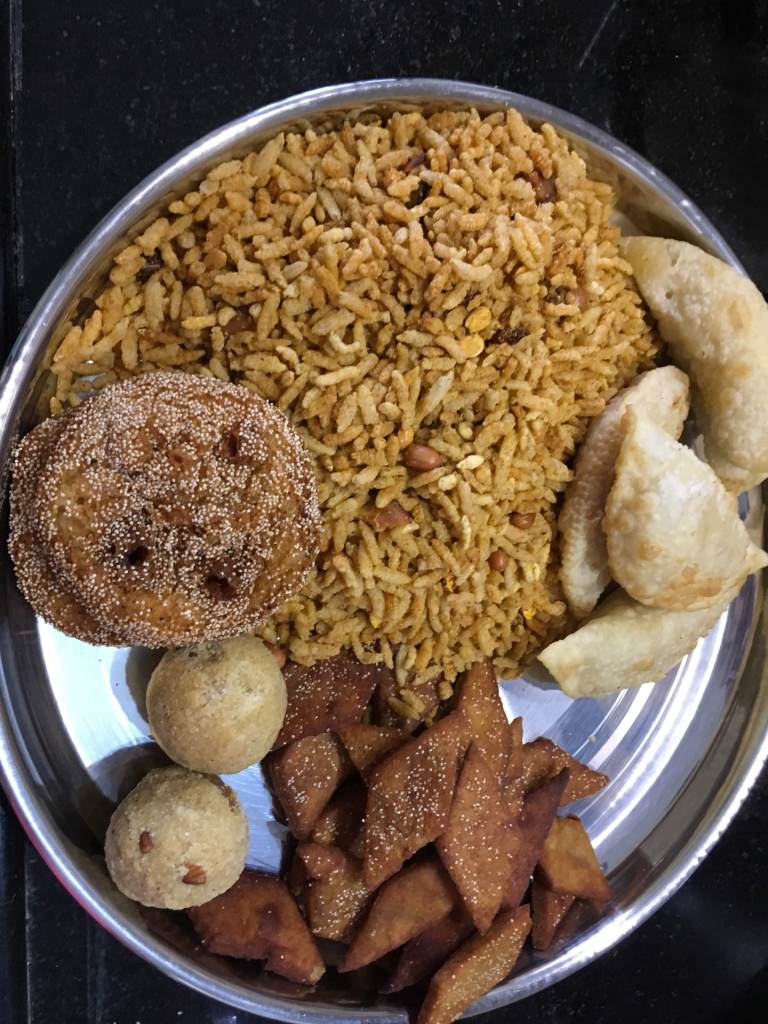
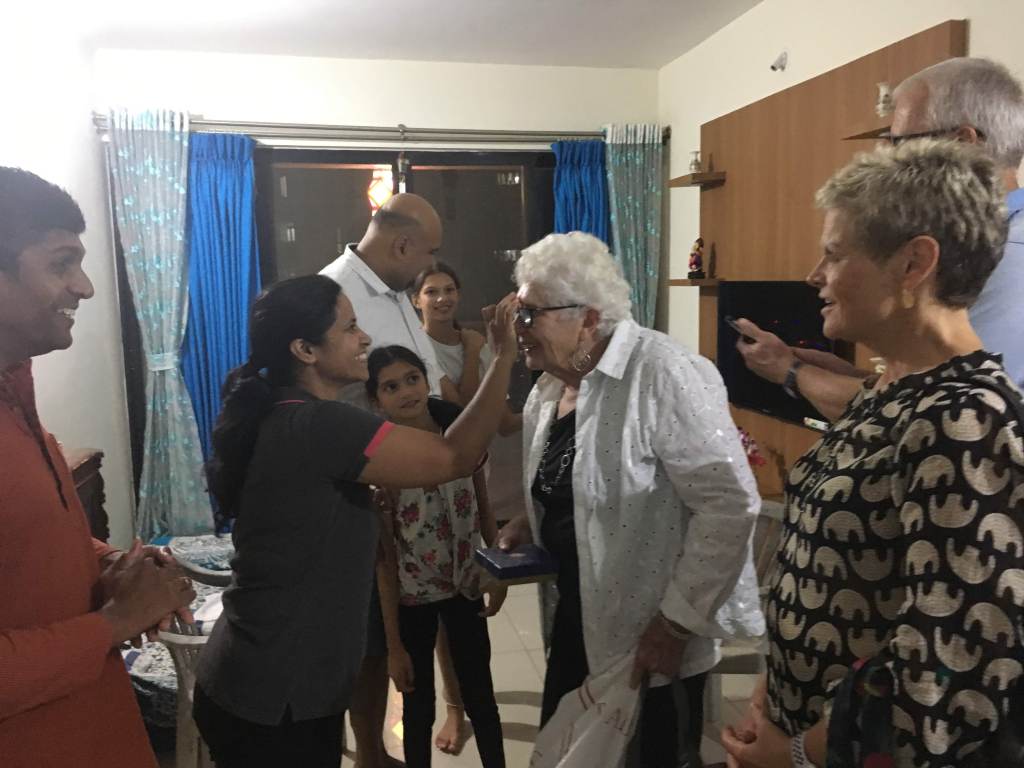
Our Diwali started with a surprise from the school. First, a couple days before Diwali break, the school invited Parag and me to come to an event at 2:30. Turns out the event was just for us, and it was a Diwali celebration. We had wonderful food — all the “faral” (Diwali snacks!) plus some cake, idly, and other yummy delights. Here are some pics:

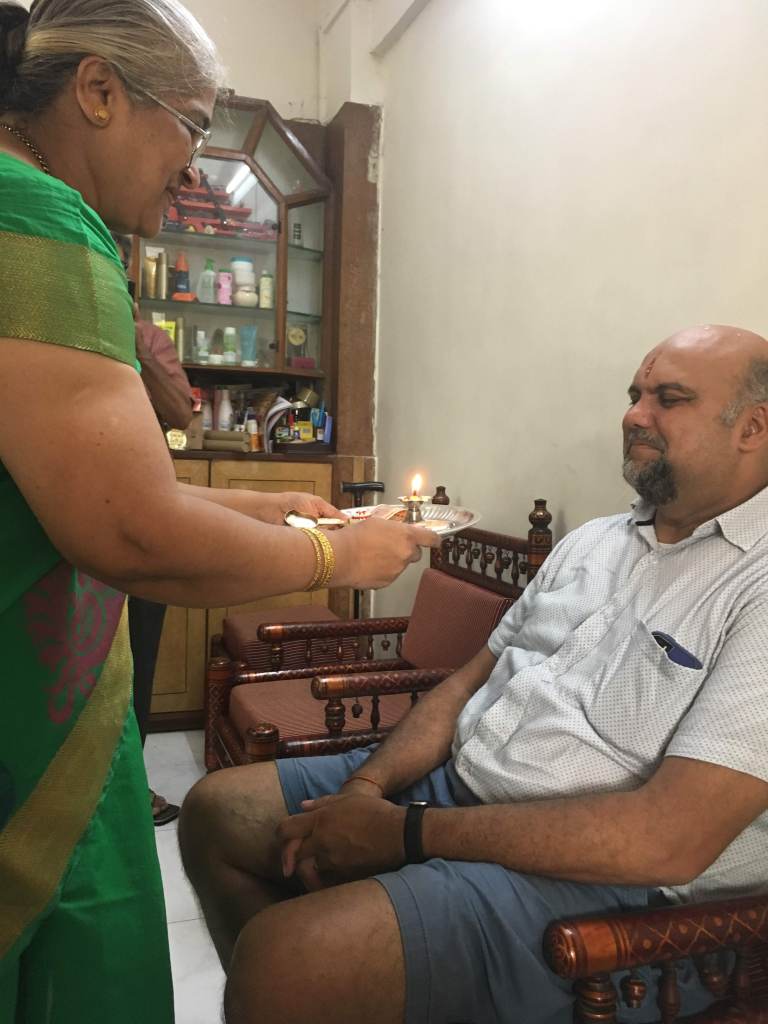
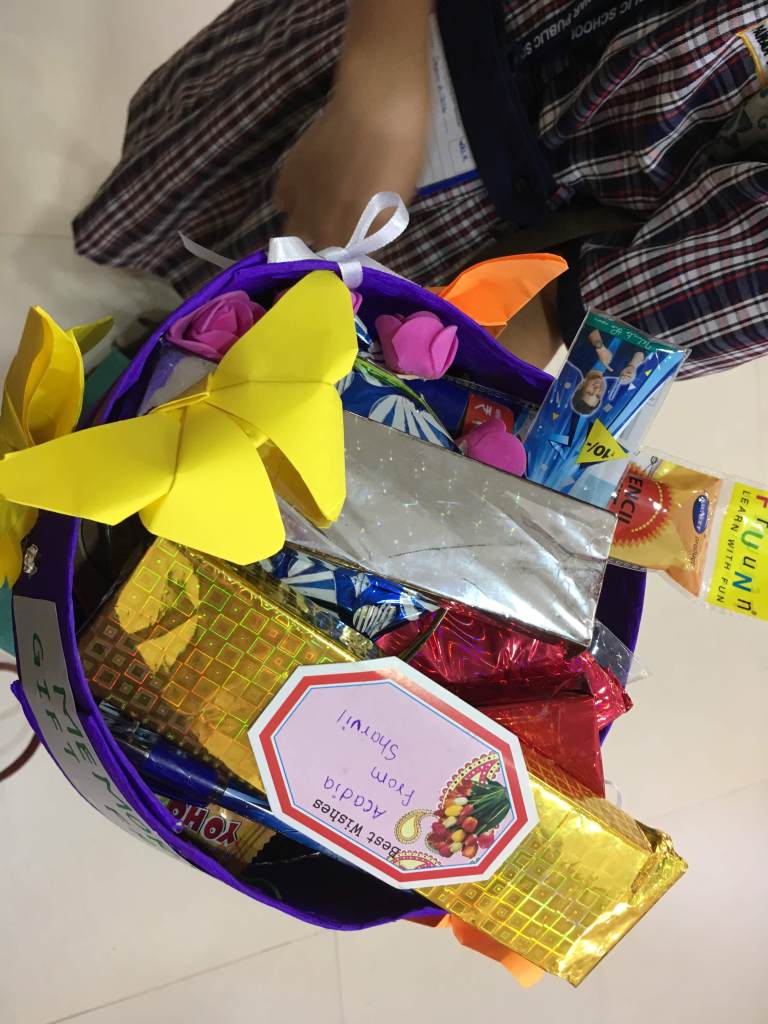
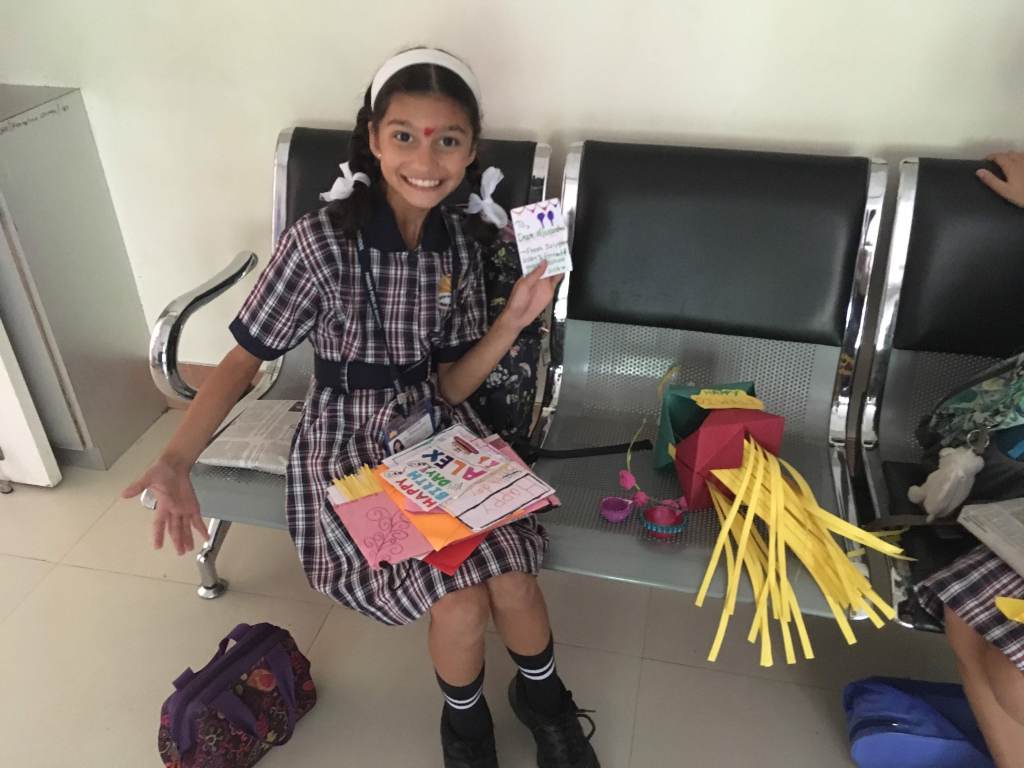
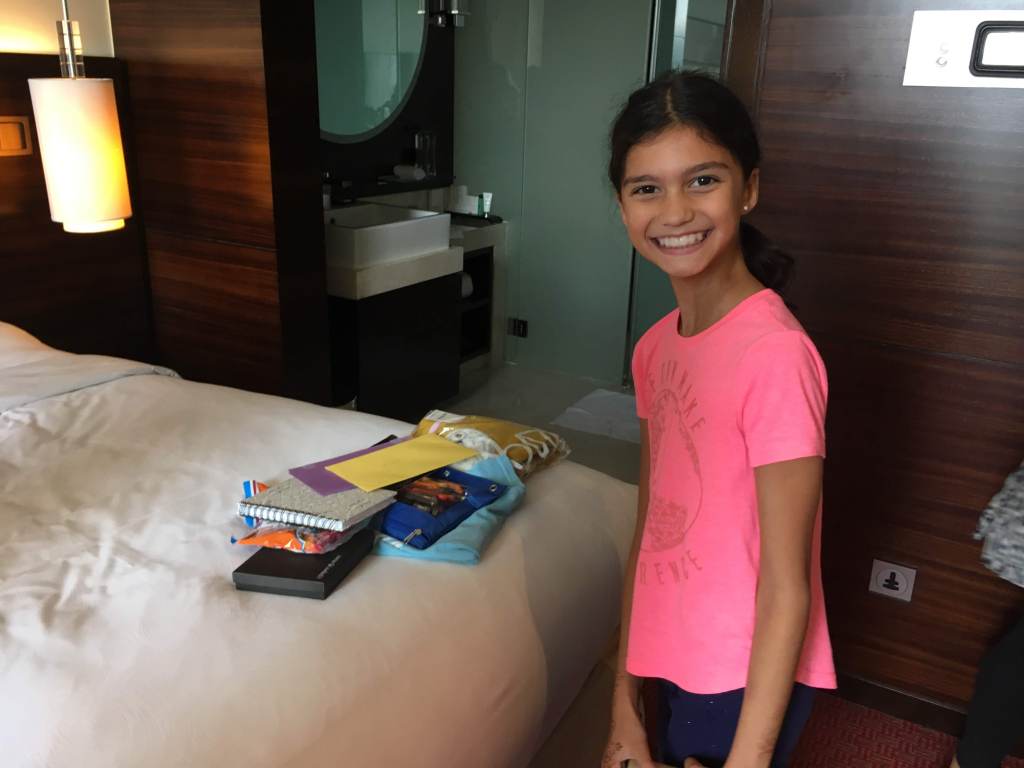
Earlier that day, Alex and Acadia had been rather surprised when every boy in their class brought in a card or little gift for them! One of the days of Diwali is called Bhau Beej, which is basically borther-sister day. The sister has to bless her brother, and the brother has to give his sister gifts. (I think the sister definitely makes out better on this one1) So, the teachers had the boys bring them something – and Acadia and Alex had to do aarti to each boy in each of their classes. Needless to say, they were a little overwhelmed by this extra focus! But they certainly appreciated all the generosity and kindness. Literally every single boy brought something. Amazing.

The girls had the Friday off school, and that day more or less kicked off all the celebrations.

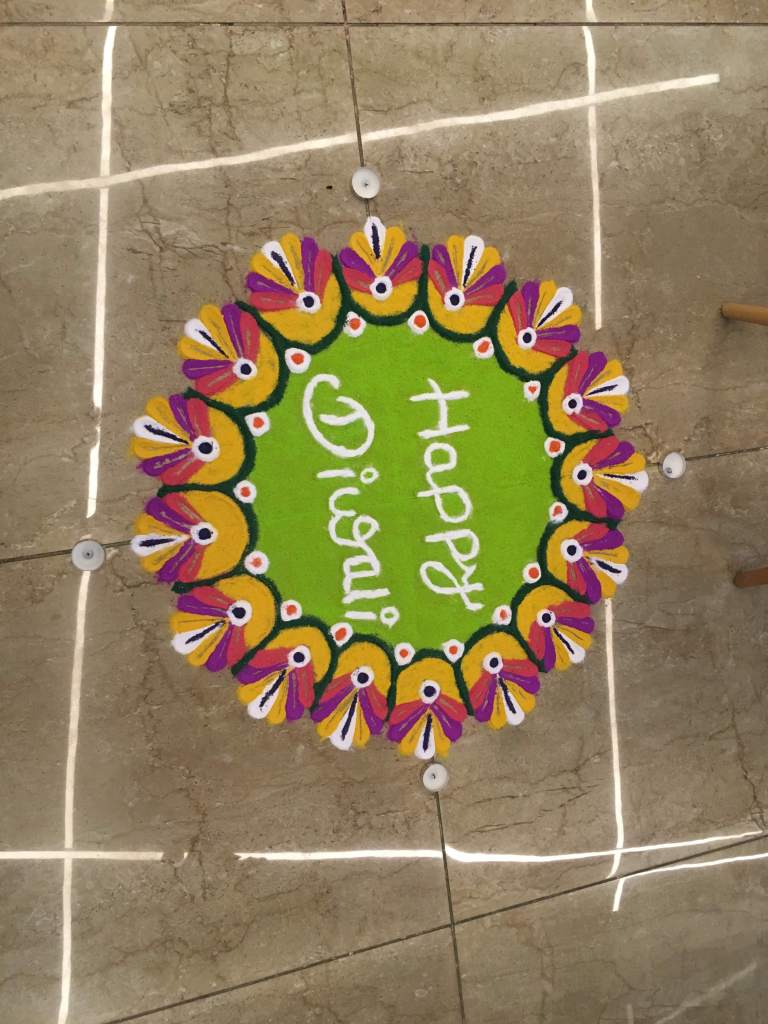
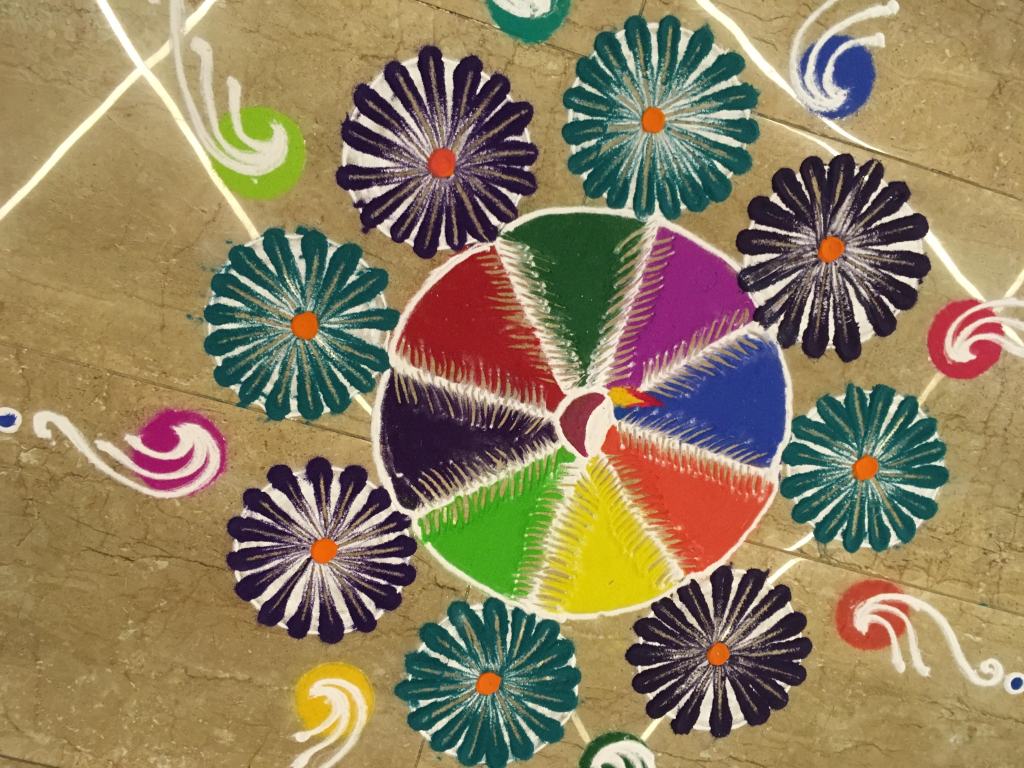
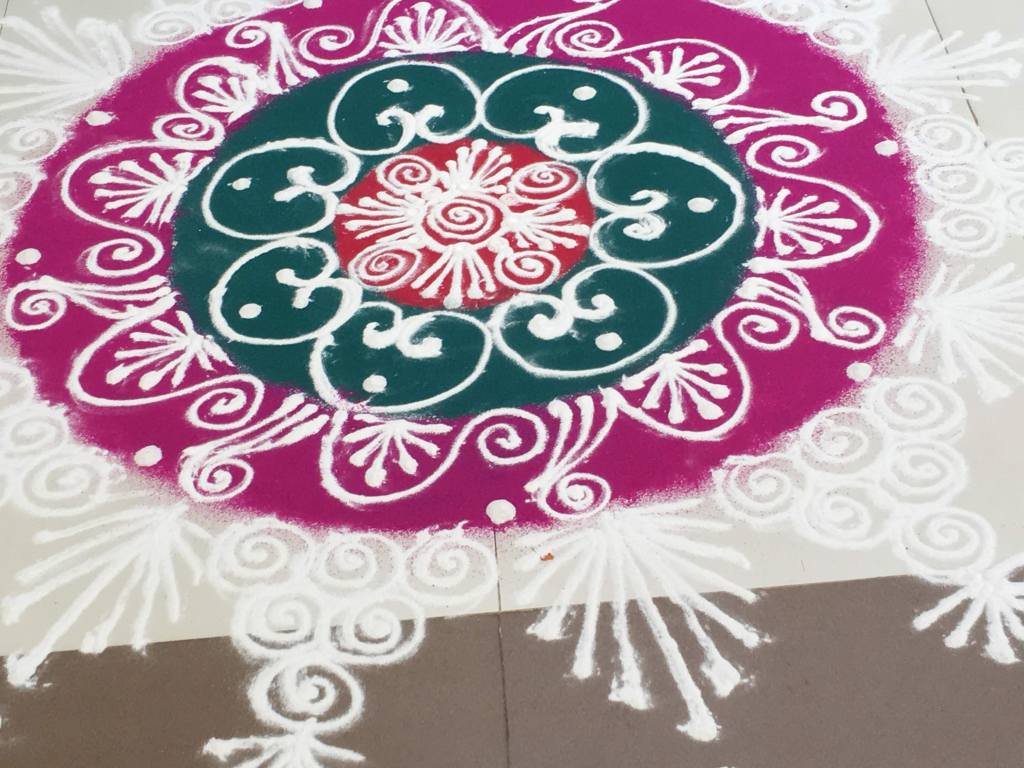
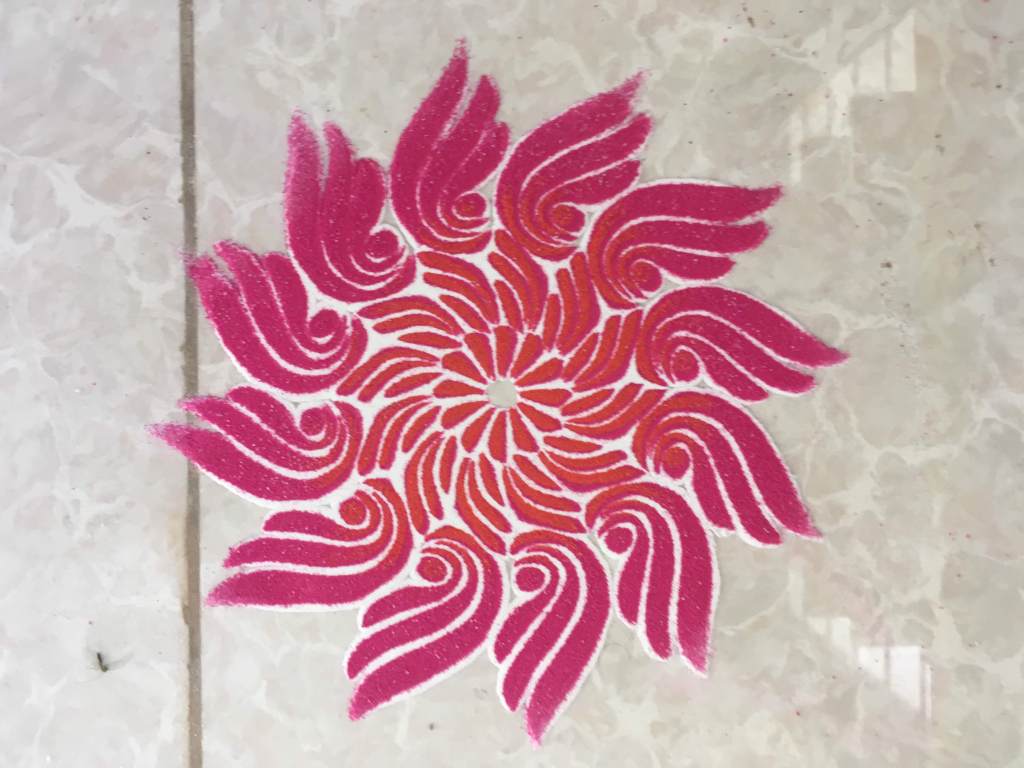
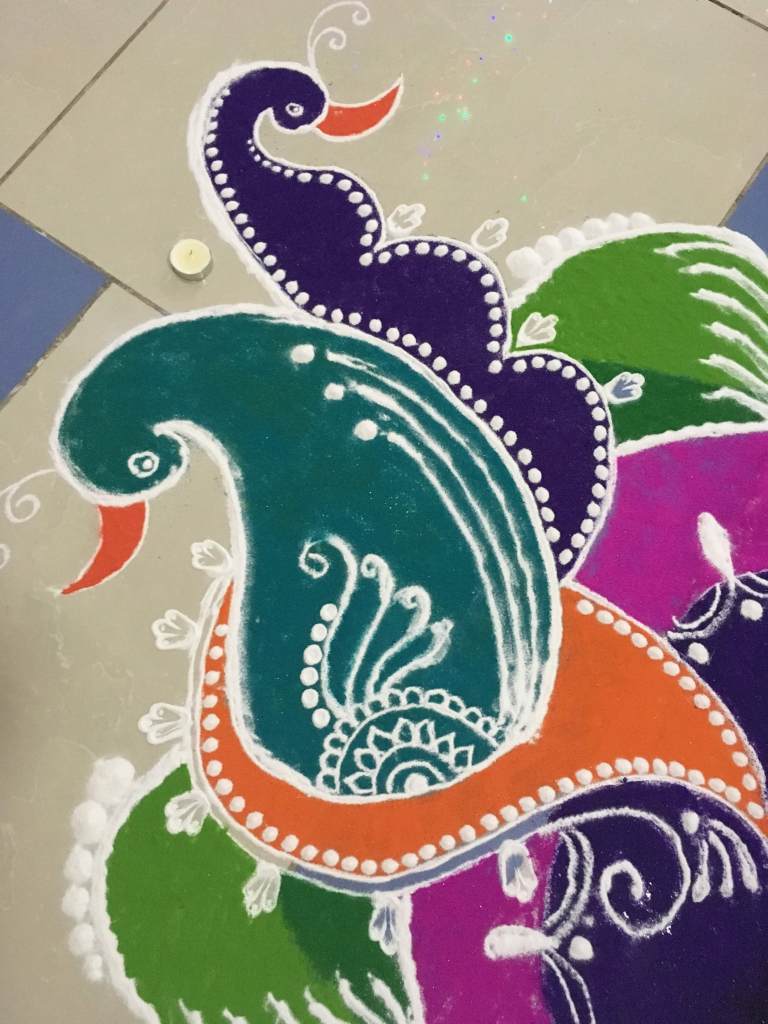
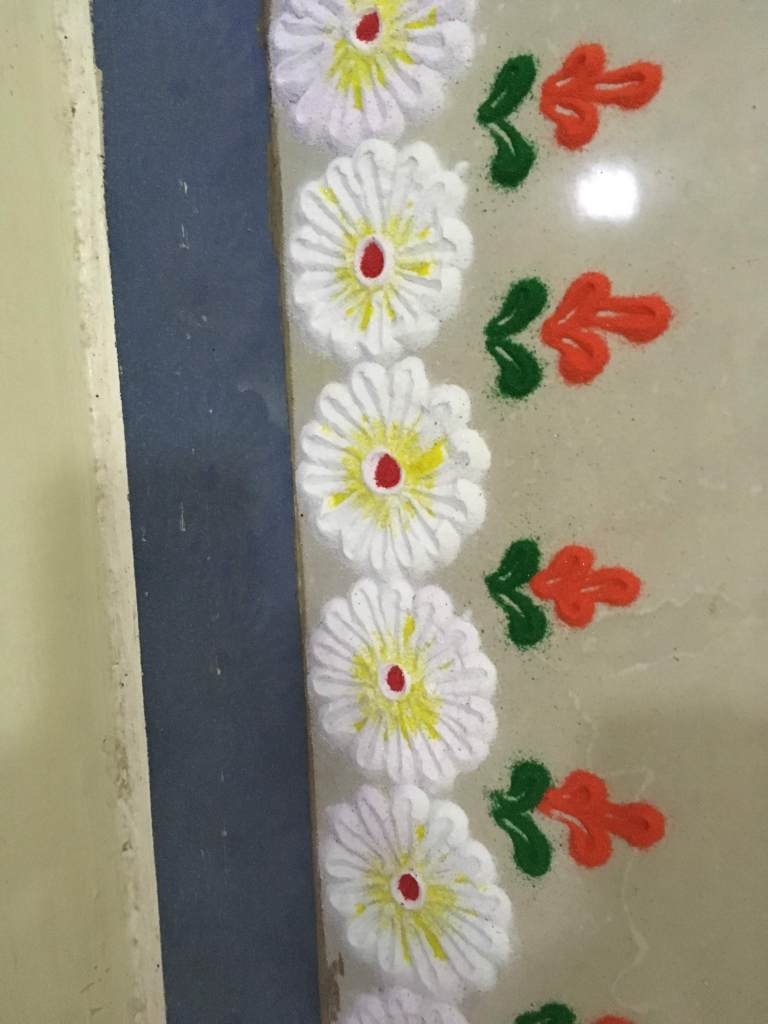
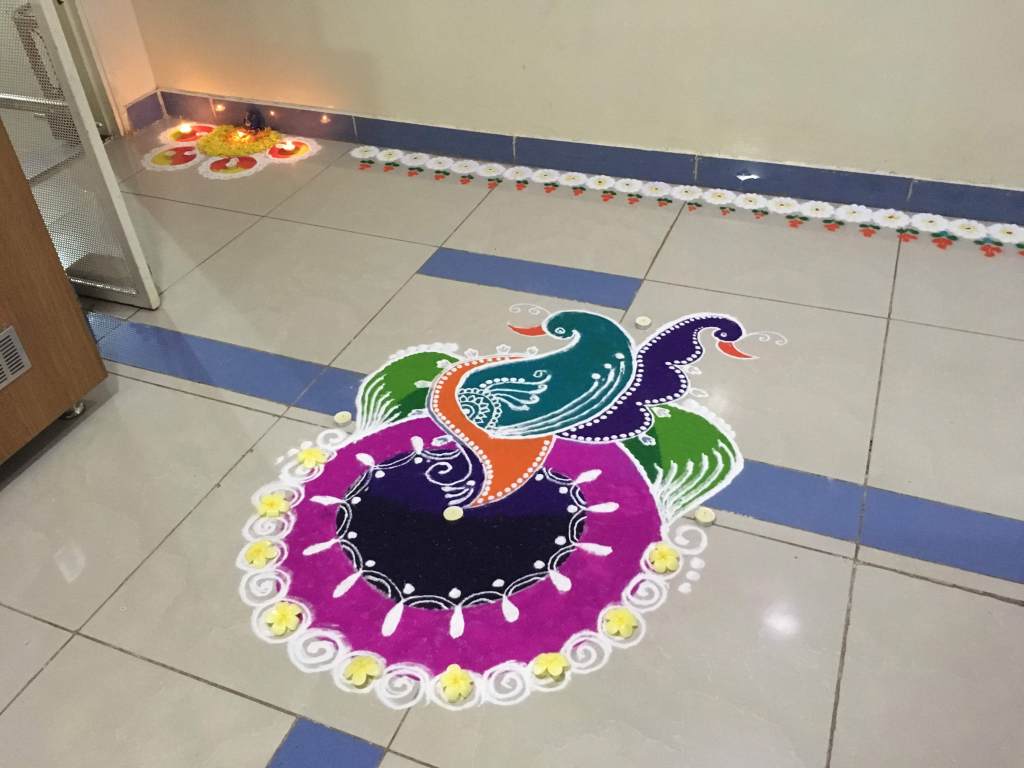
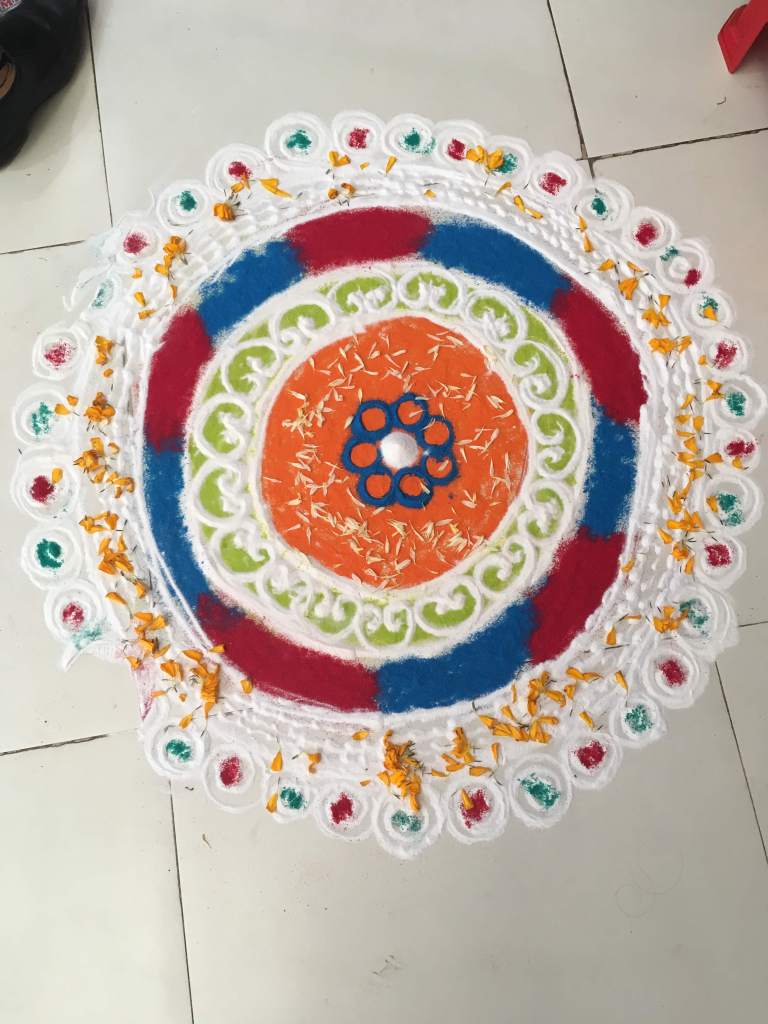
I mentioned the sand art – Rangoli. We saw that EVERYWHERE! It was so beautiful. It was even at my gym – right in the middle of the lobby room where everyone walks. Here are pics of the Rangoli around town – whether our house, Shilpa’s, or in front of businesses in our shopping area…

Special shout out to Shilpa, her neighbor, and her neighbor’s sister for making this amazing creation in their hallway! It took them 2-3 hours they said. Notice the detail along the wall. Later in the evening, they lit tea candles that were placed around the design.

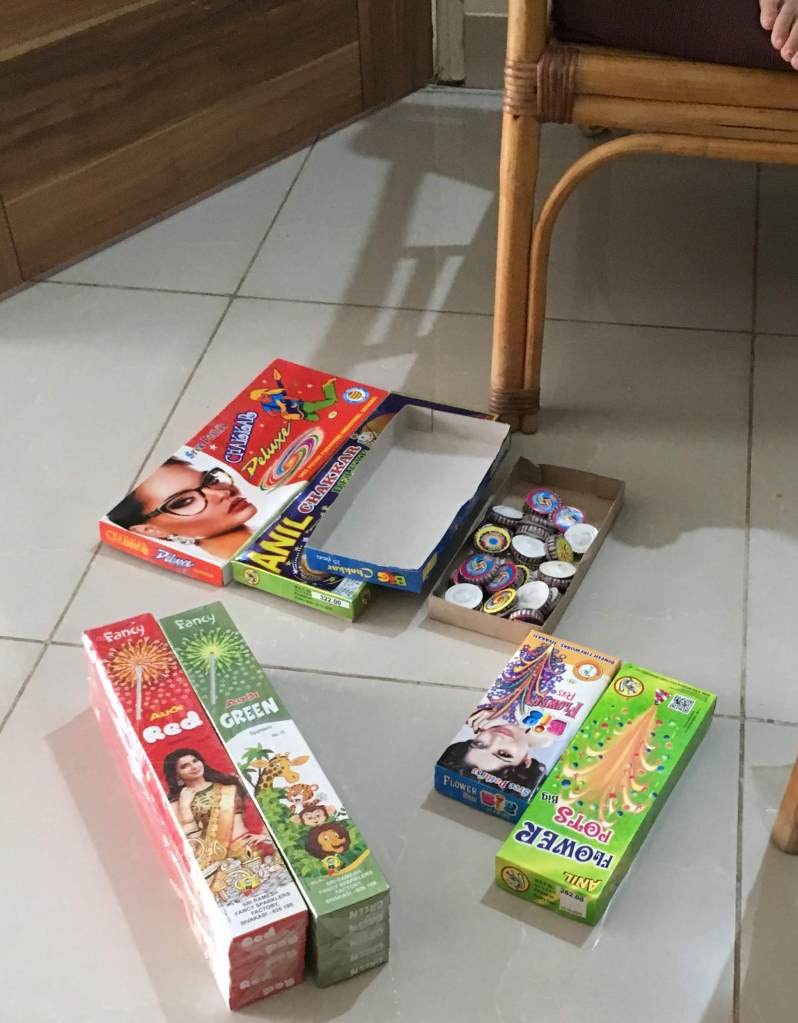
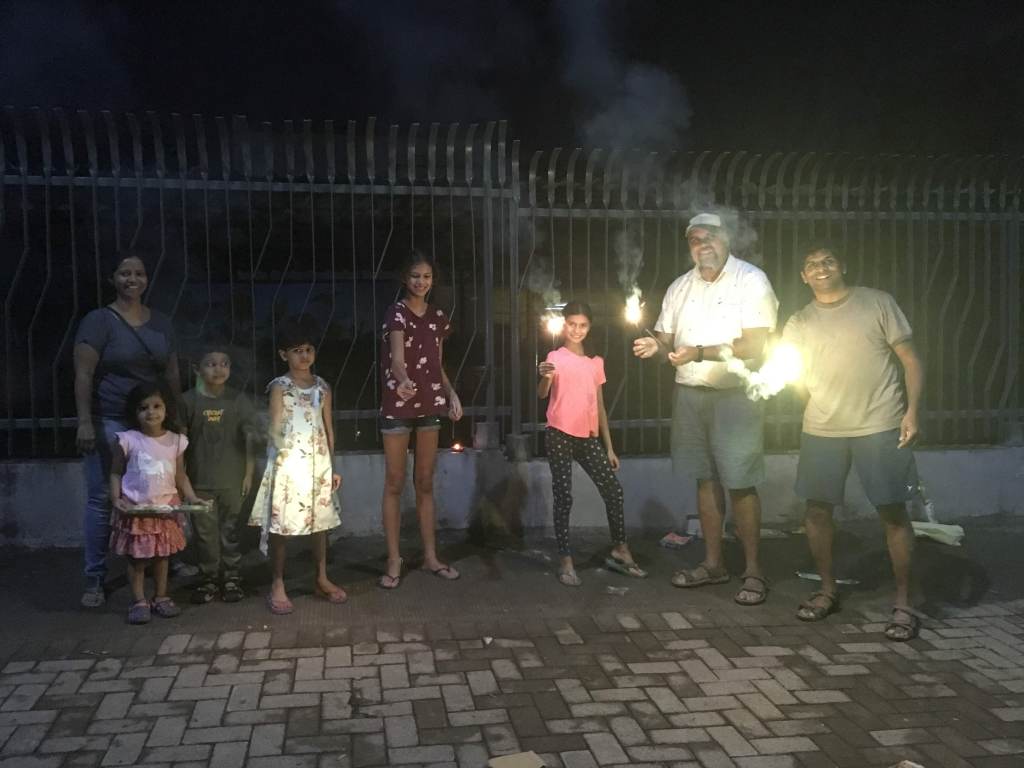
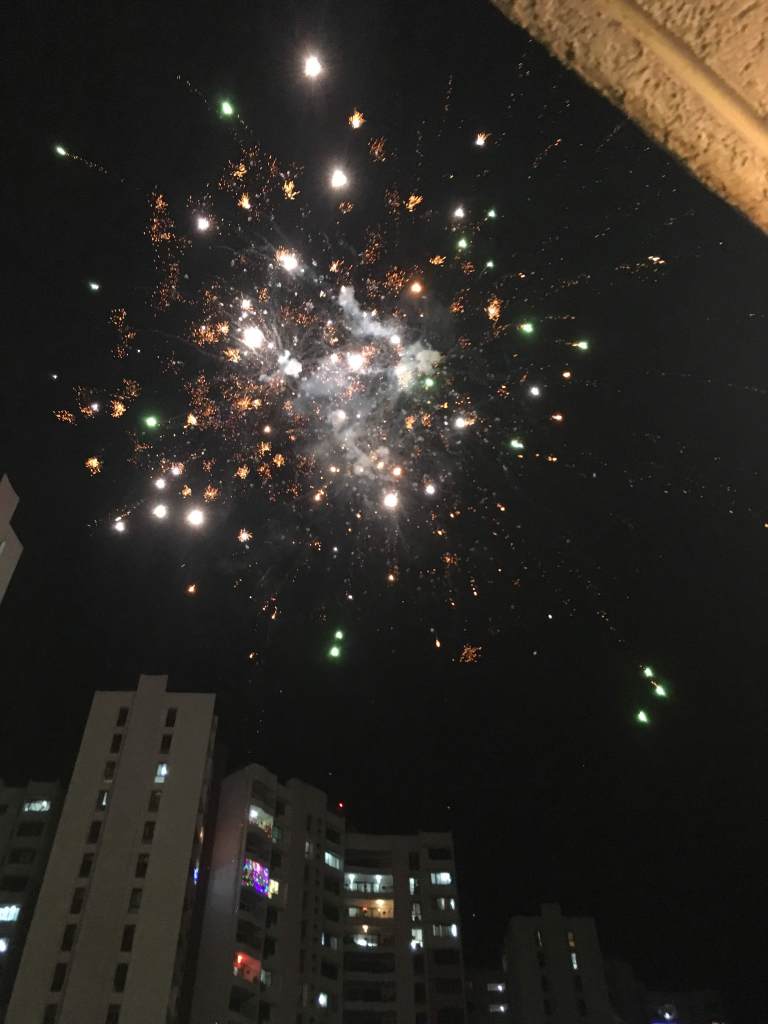
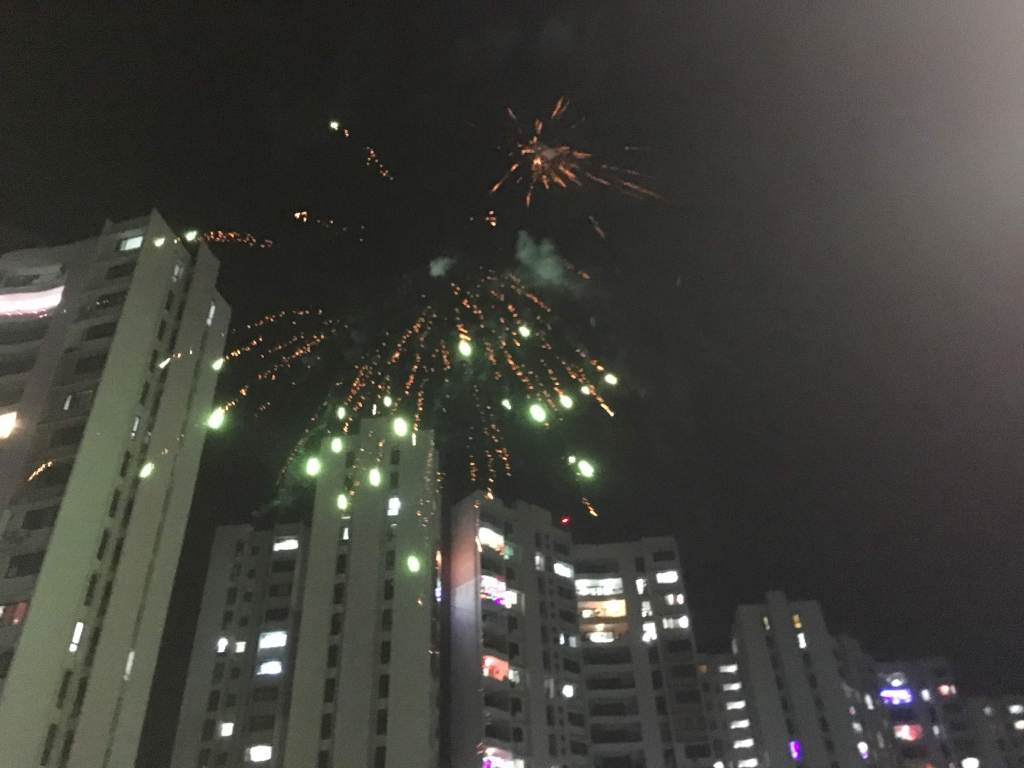
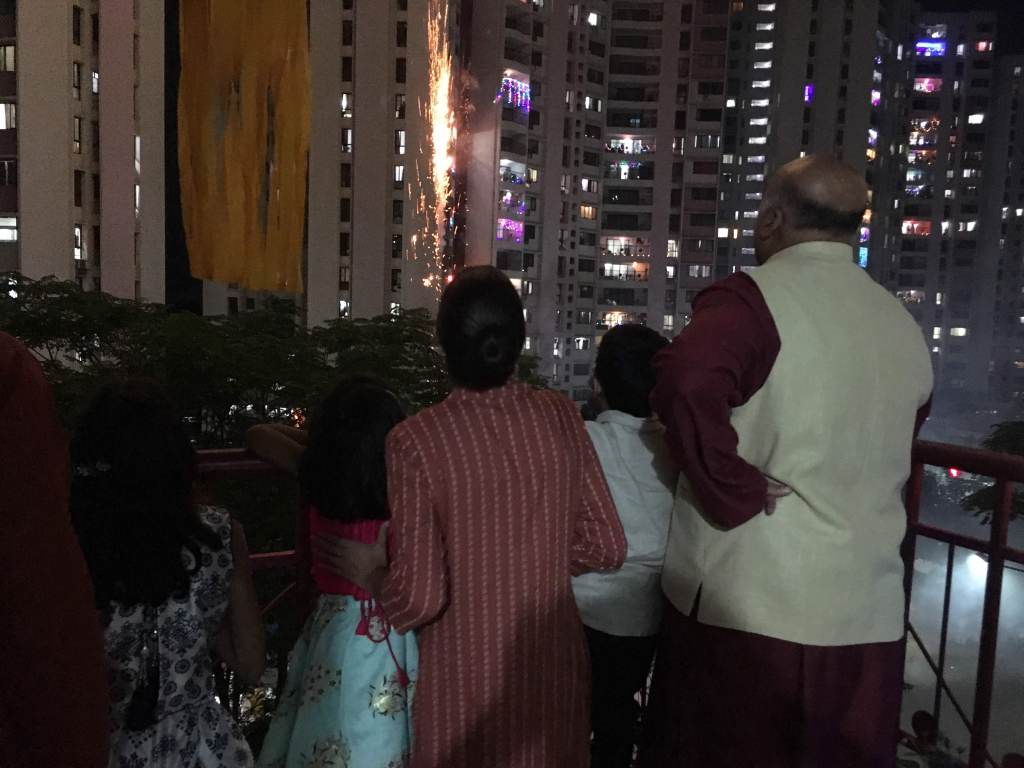
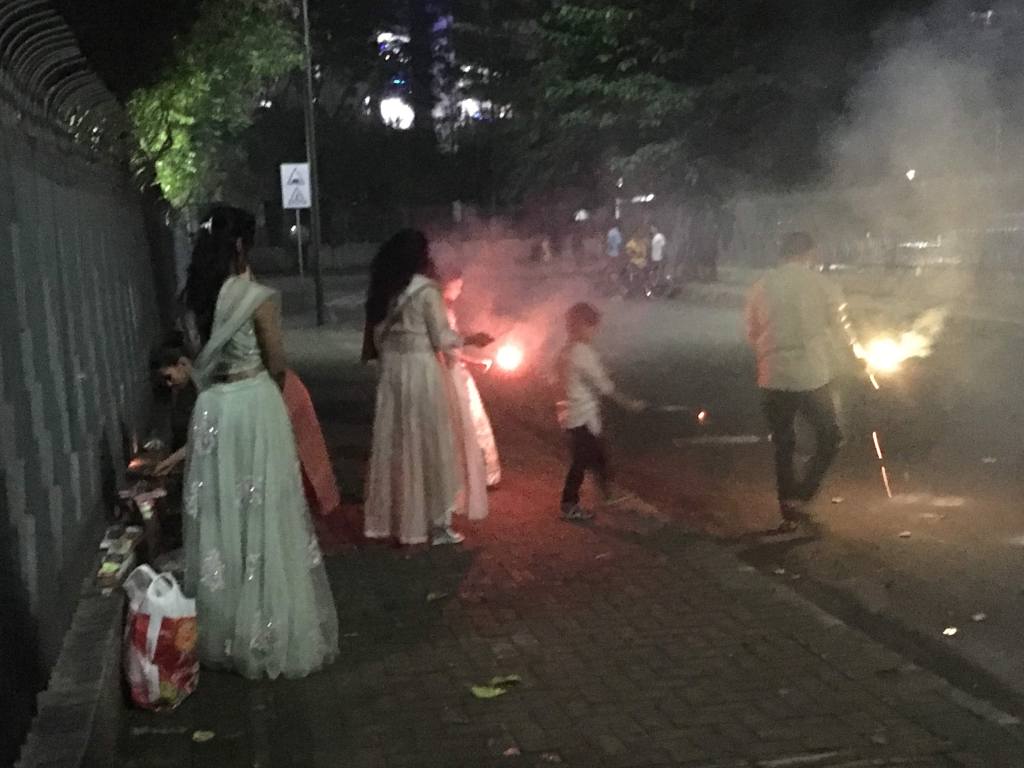
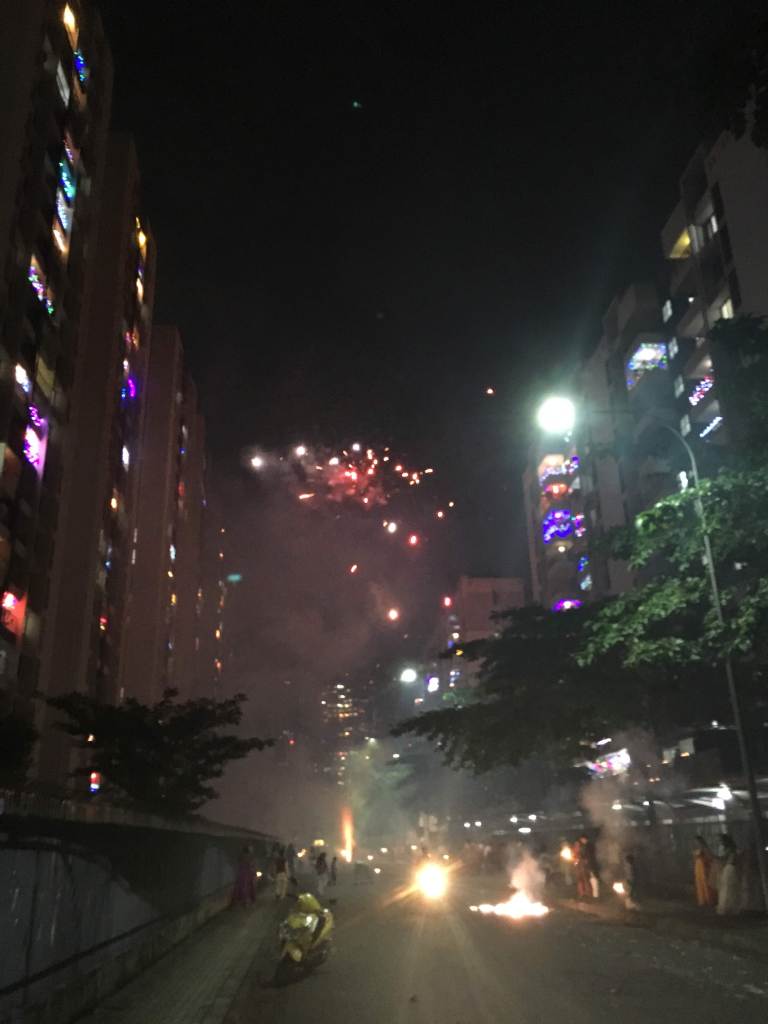
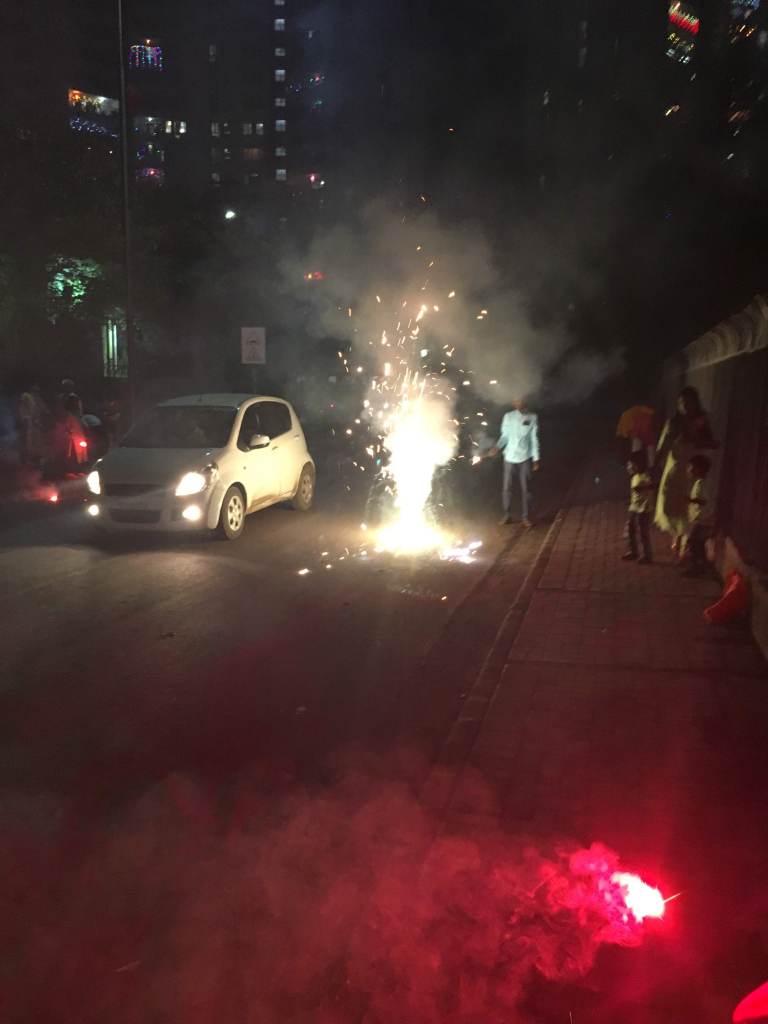
The Fireworks here are crazy. First, anyone can buy them.

SEcond, anyone can do them – and third – anywhere. So, that’s what was happening for a few hours on Sunday night…

Gotta love the car (bottom middle) just driving around the fountain sparkler…. (And there are names for each different type of fireworks. The kids all know them! )

If you’re interested, to look at some videos (4 to 30 seconds), please click here. https://photos.app.goo.gl/anwjqvMeWjwG4gJy5 (This is not for the safety conscious or those who like orderly lines…)

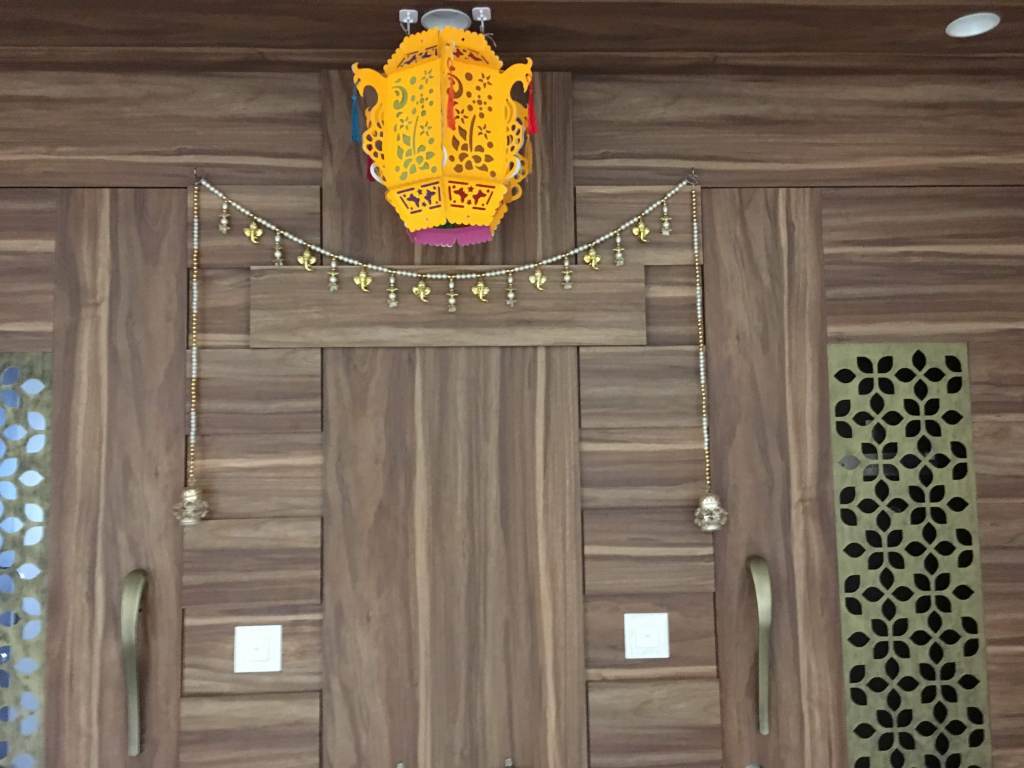
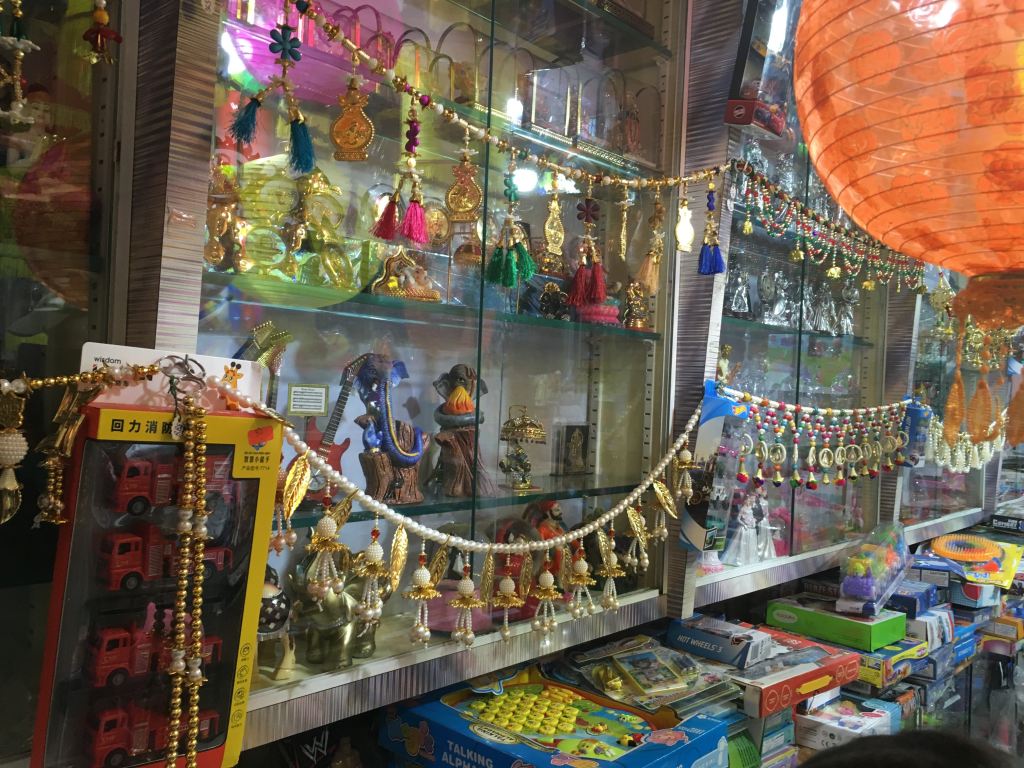
And here are just some more pics. Lots of neighbors give plates of faral (snacks!) and there are many, many decorations. We were so appreciative that people thought of us at Diwali! (Being unskilled in making faral, we shared stove-top granola and pancakes :-). )

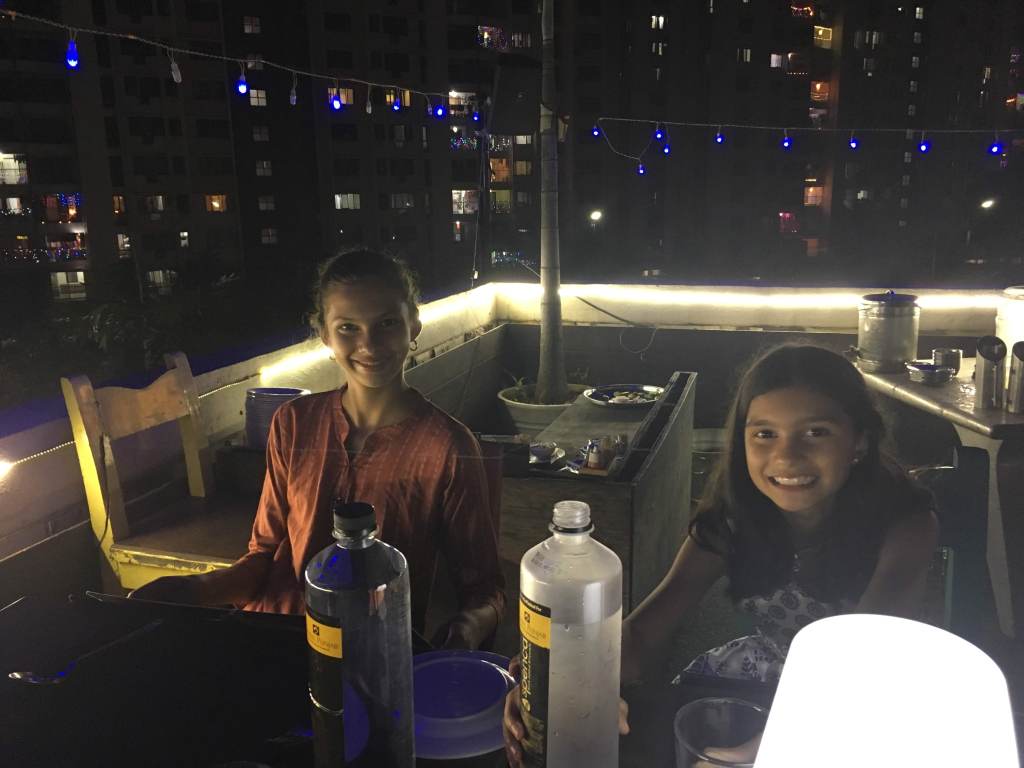
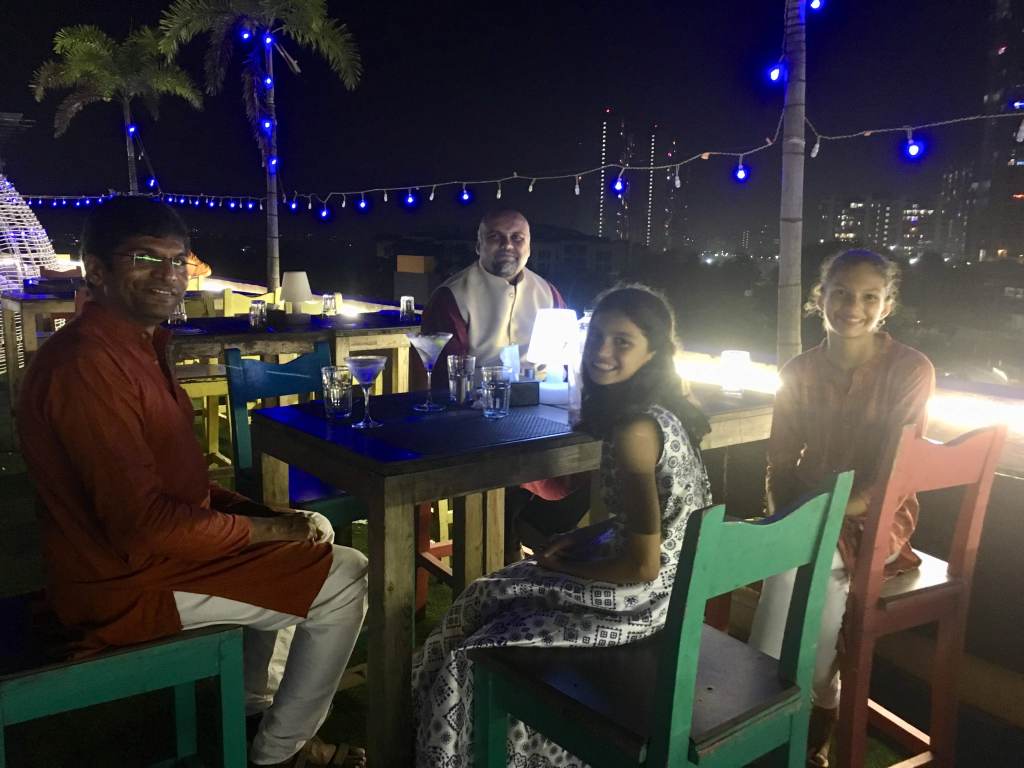
After doing and seeing all the fireworks, we headed out to dinner at a roof-top restaurant in the middle of Nanded City, where we could see more fireworks. It was a very fun day.

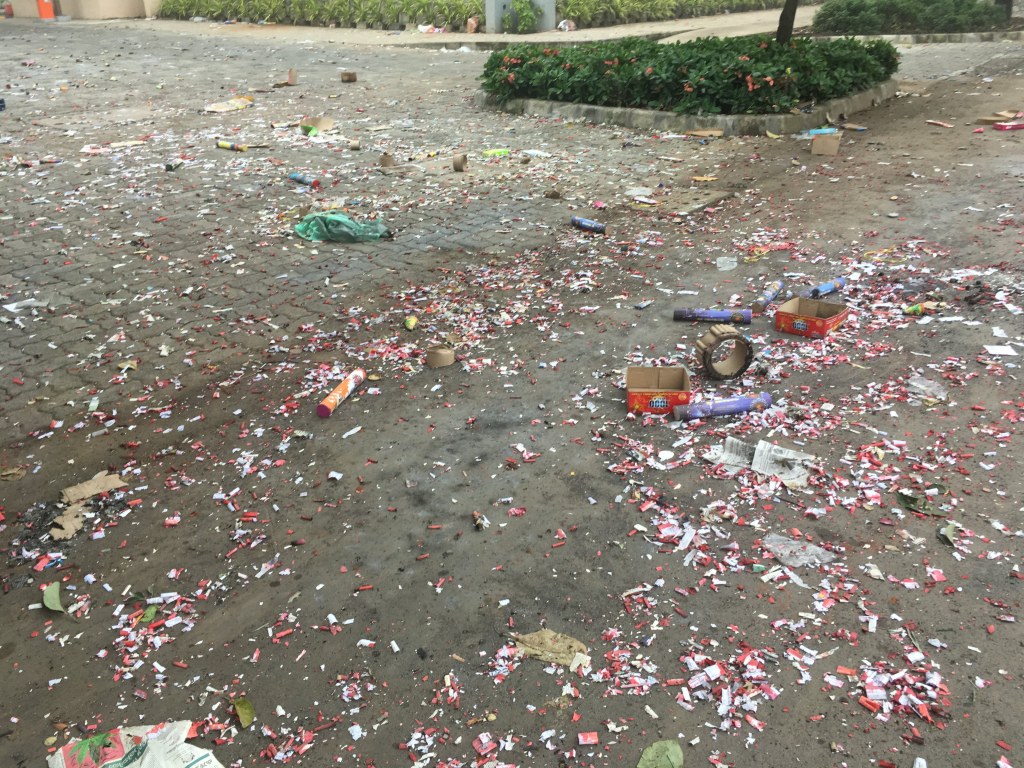
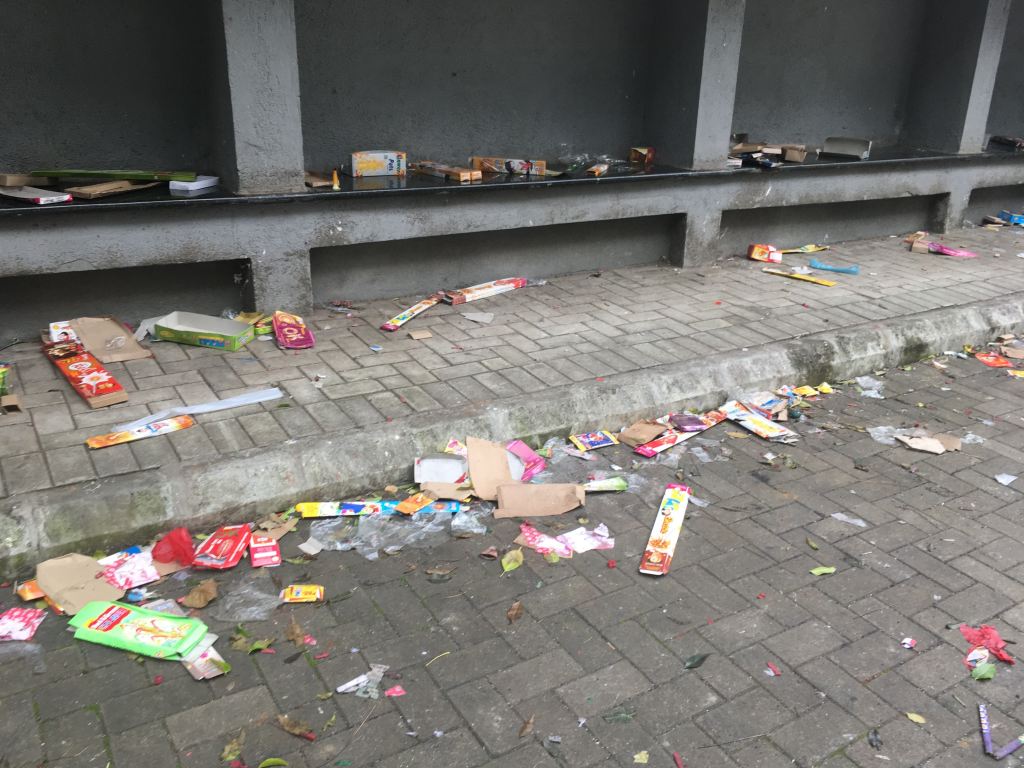
Here are the streets the next day…. Yikes!

Thanks for reading!
Family Arrives and NDA!
Hello all! I thought I’d jump over our backlog and do a post on the family arriving, and NDA – the National Defence Academy!
Whew hew! After about 24 hours of travel door-to- (hotel) door, my mom, Aunt Robyn and Uncle Tom arrived on Halloween – with a wonderful assortment of candy, stickers, pez dispensers and mac n cheese in tow! Needless to say, a much anticipated event by the girls went up another notch with their treasure trove!

They settled in – courtesy of the JW Marriott in Pune, which is a great hotel — and then we were ready for some action on outings on Saturday and Sunday.

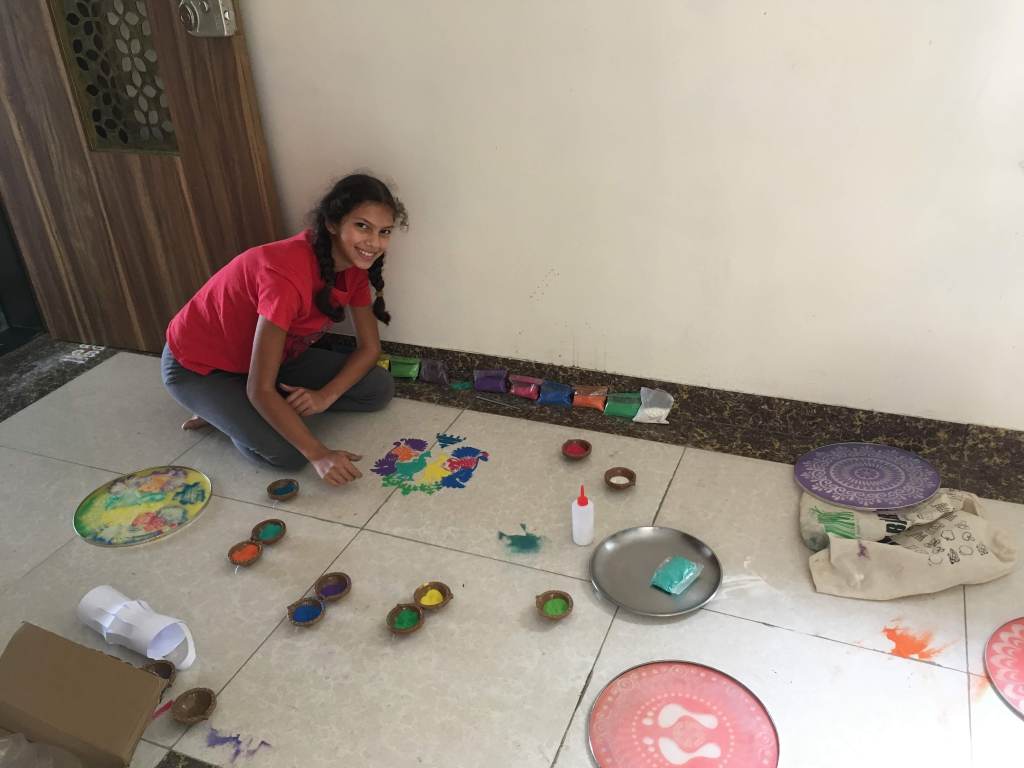
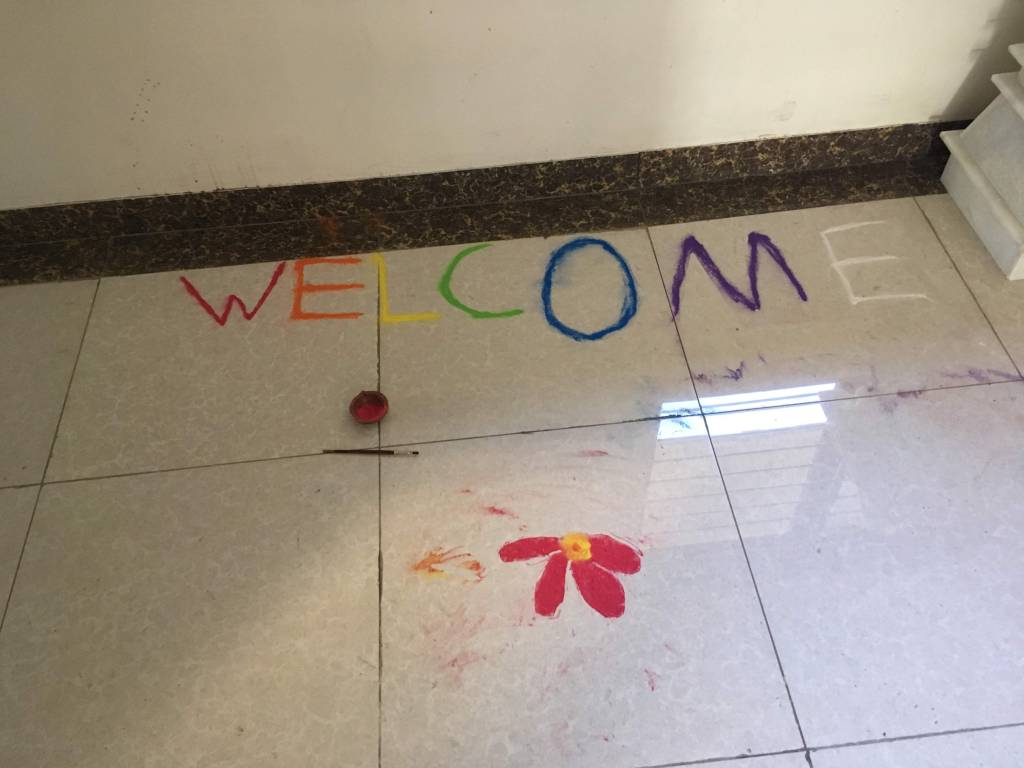
Saturday Tom, Robyn and my mom came out to see our place. Cadi and Alex did some rangoli to welcome them :-).

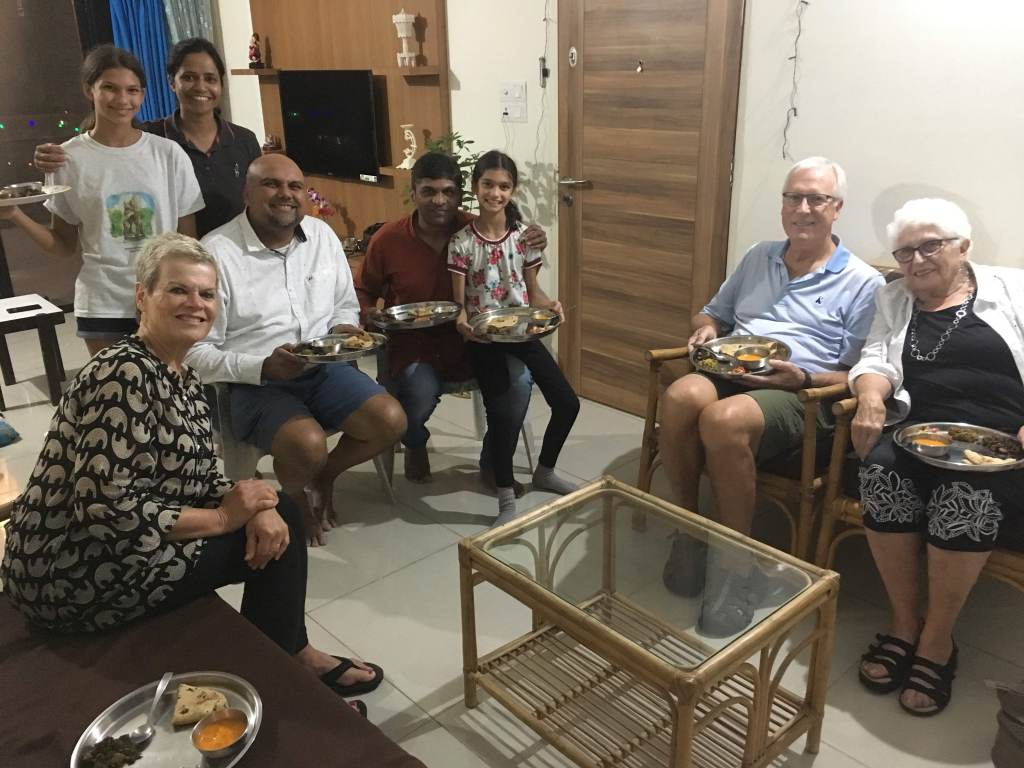
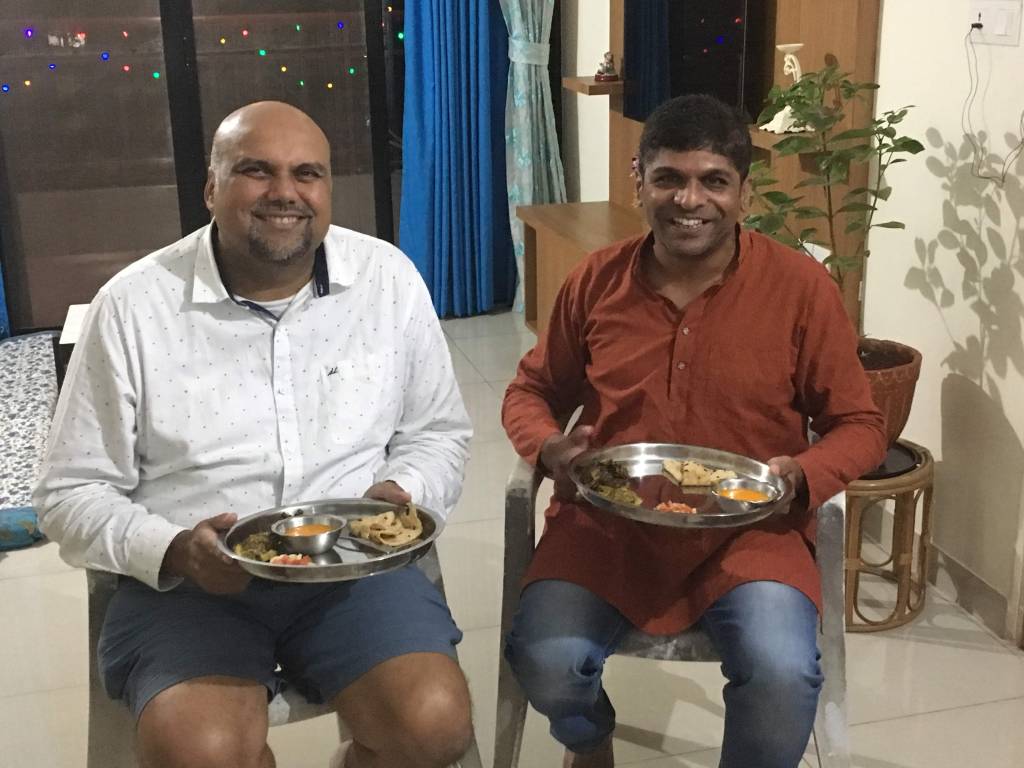
After a few pre-dinner naps were taken (pics have not been authorized for release), we headed to Nachiket and Shilpa’s for dinner.

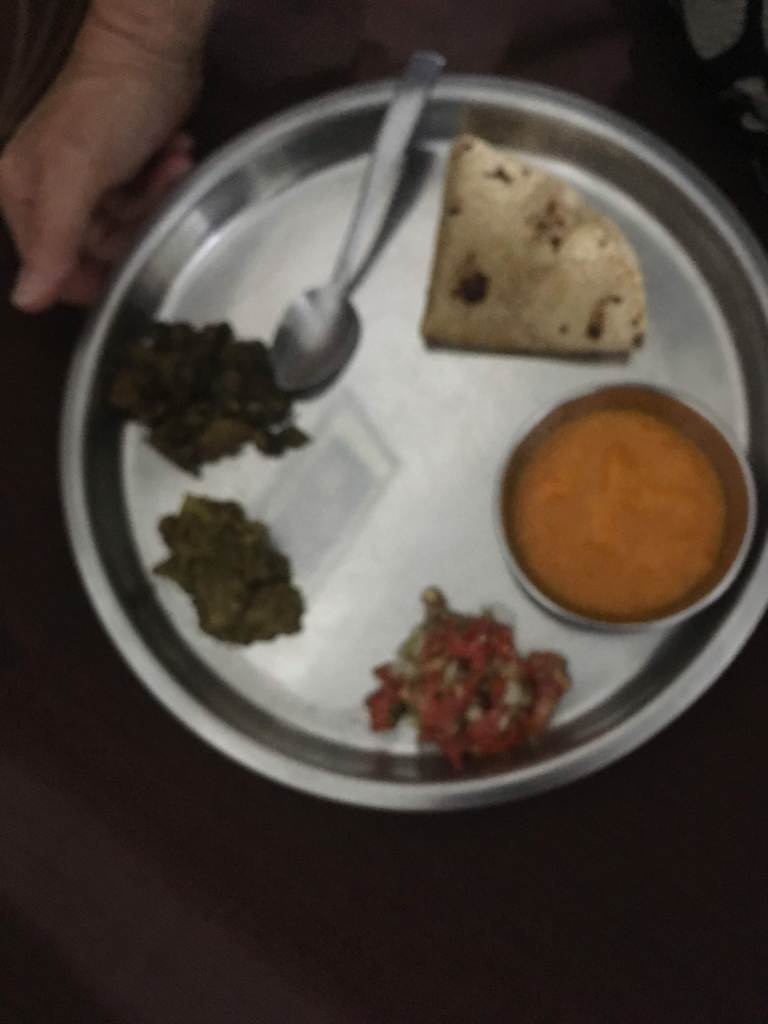
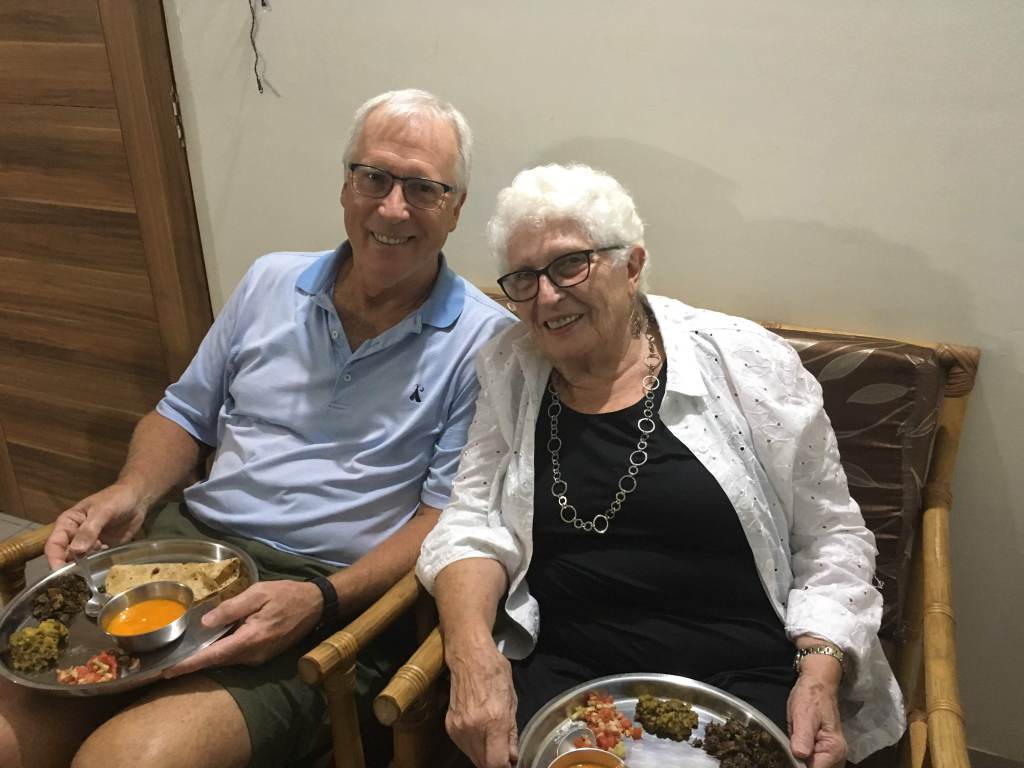
Dinner was delicious! Bhindi Baaji, Mung dish, Roti, Cucumber-Tomato salad, Mango.

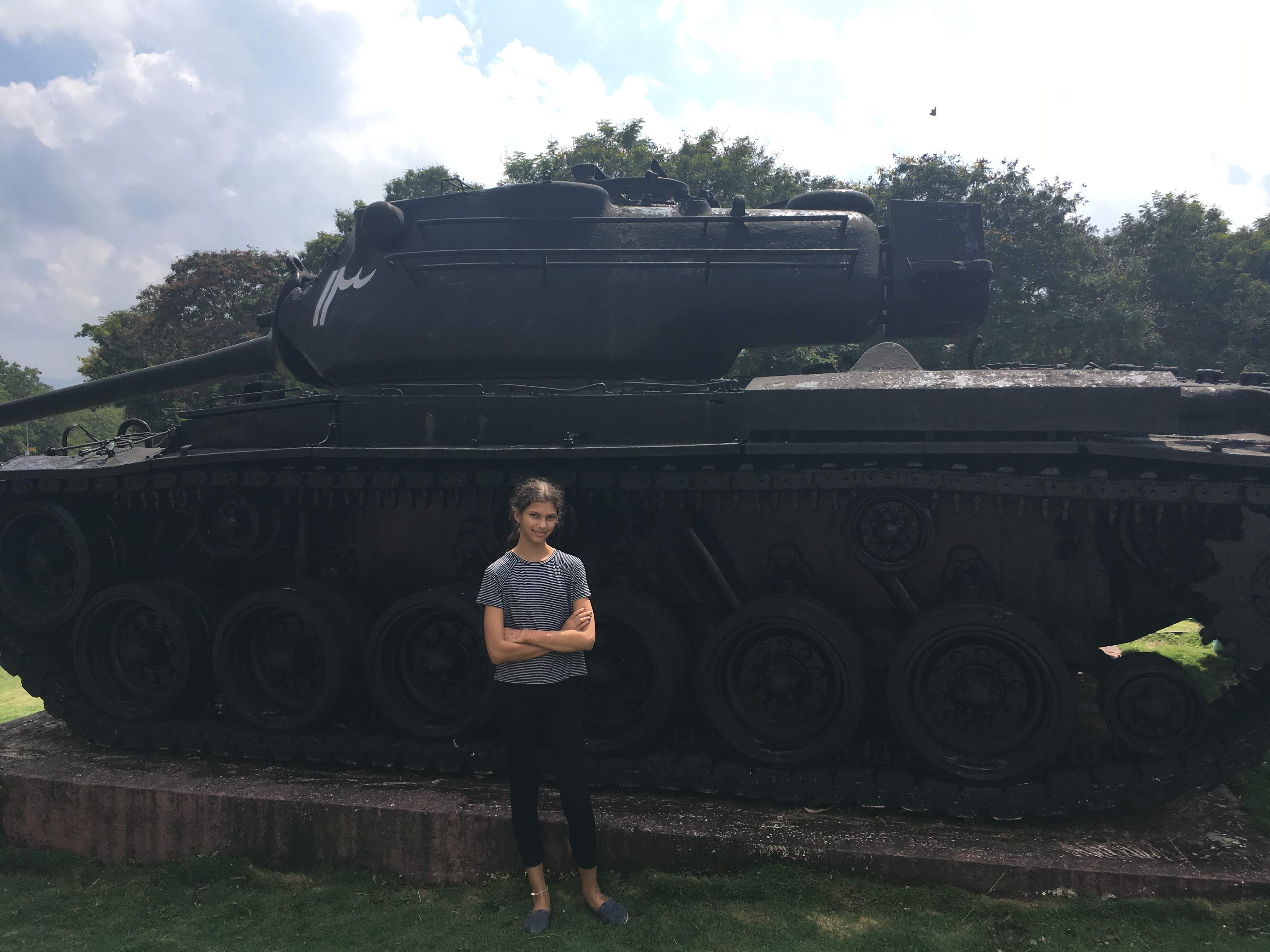
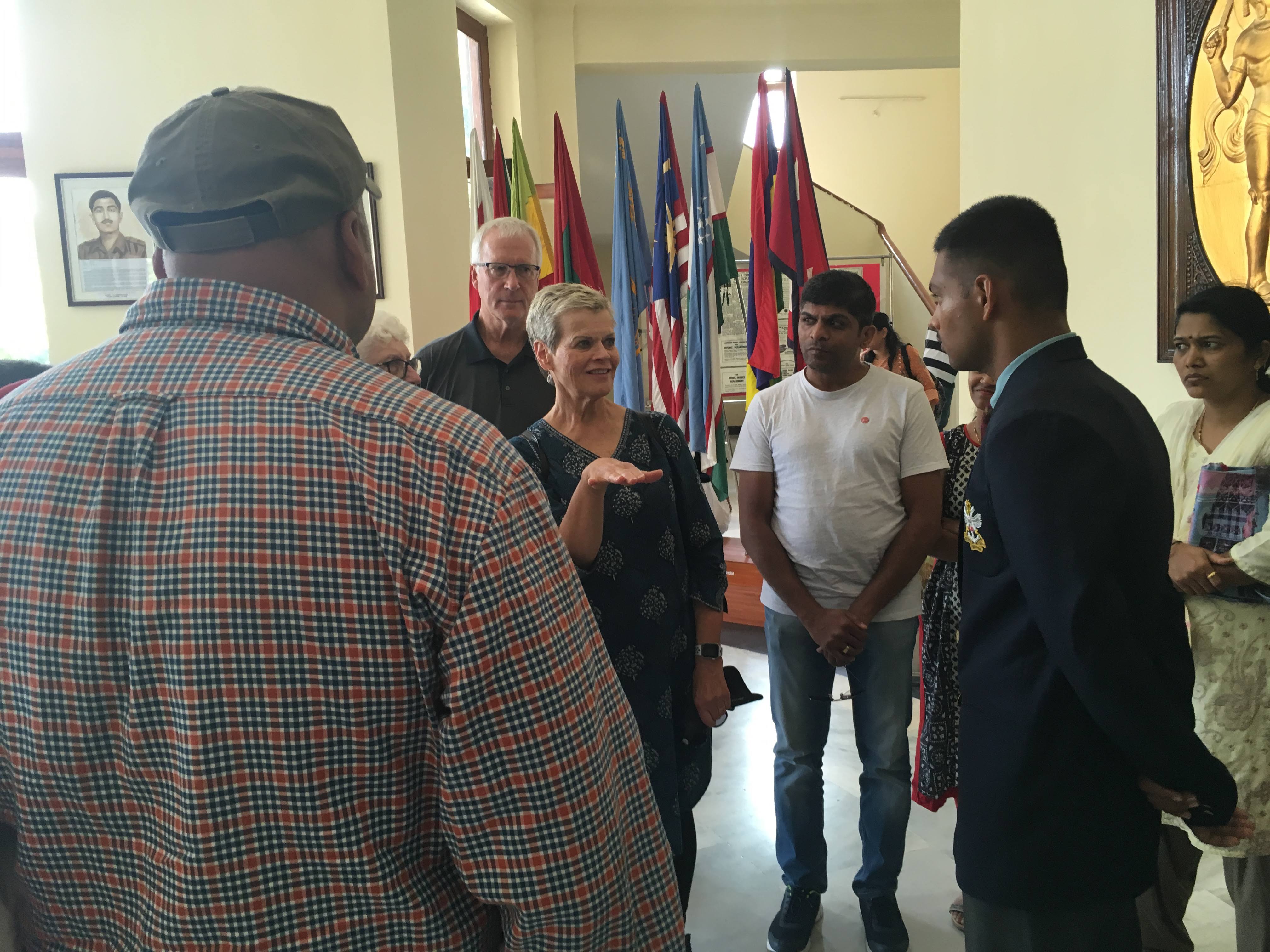
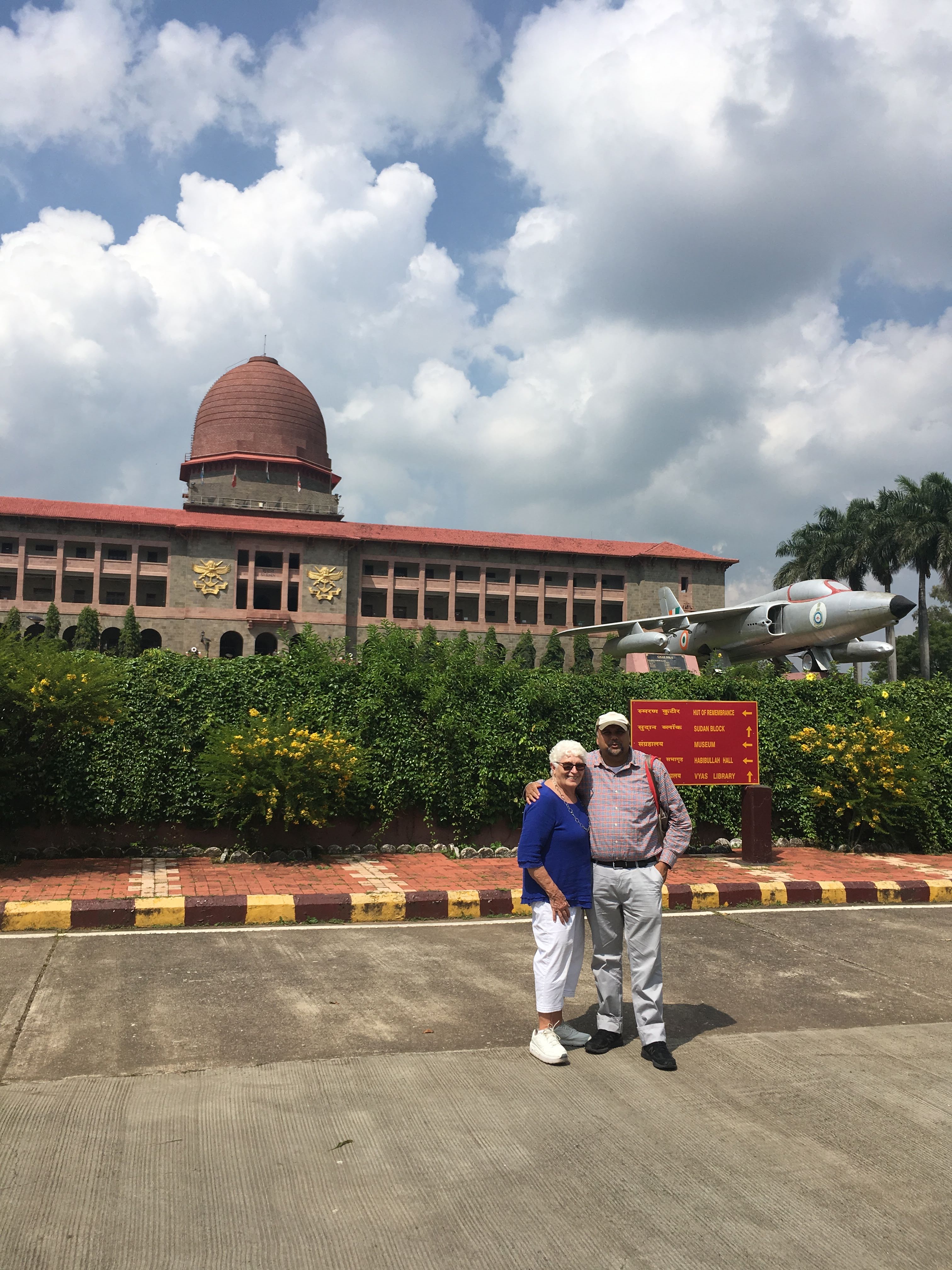
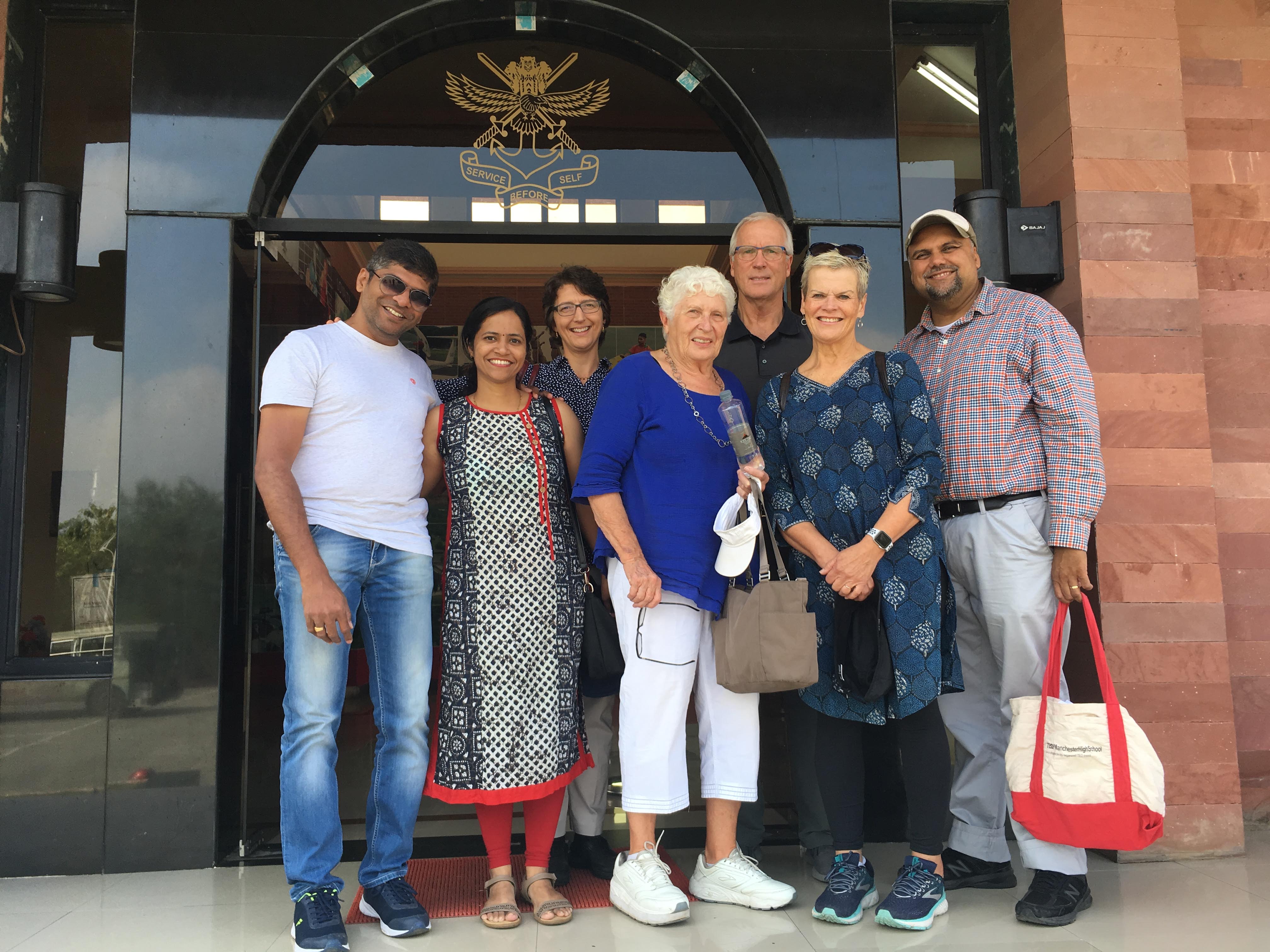
The next day, we headed to the National Defence Academy. We had had to submit paperwork over 3 weeks in advance to get authorization. Authorization came through Saturday afternoon at 2pm after we though authorization wouldn’t come through…

We can see the NDA from our balcony. It is their equivalent of West Point, but a little different in that Army, Navy and Air Force all go there for 3 years. Following that, they have 1 more year of training to become an officer. It was established about 50 years ago.

It is HIGHLY competitive. 450000 take the written exam. 6300 are interviewed. 320 are accepted. For those of you keeping track, that’s 0.3%.

Above are some pics of the grounds.

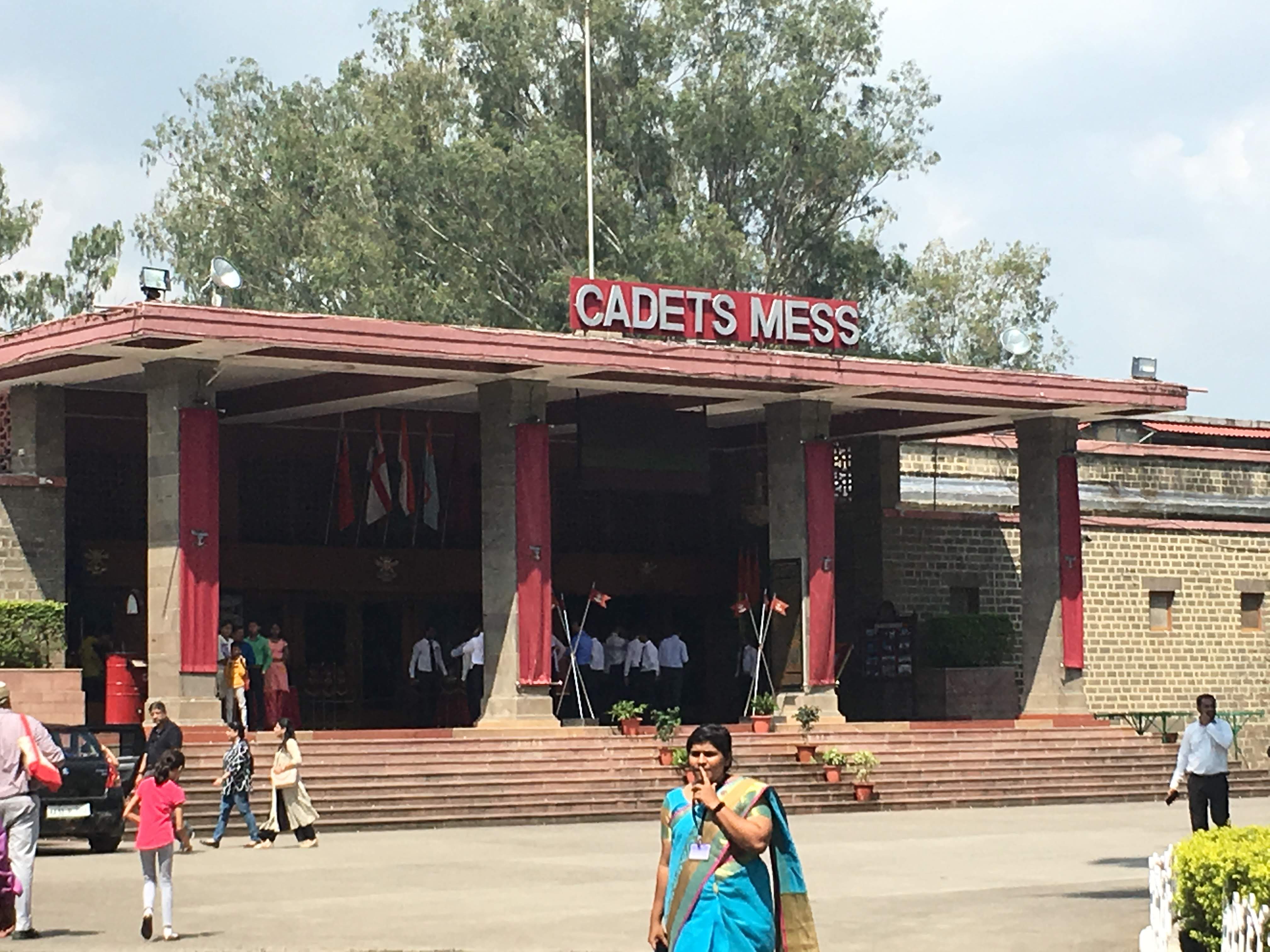
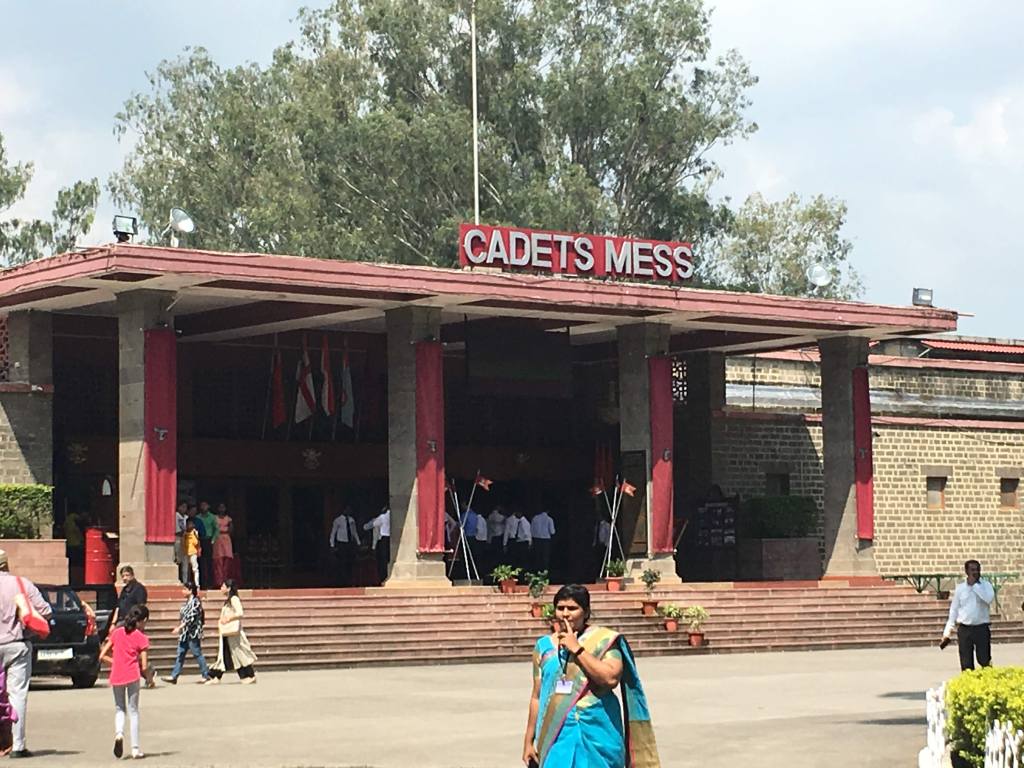
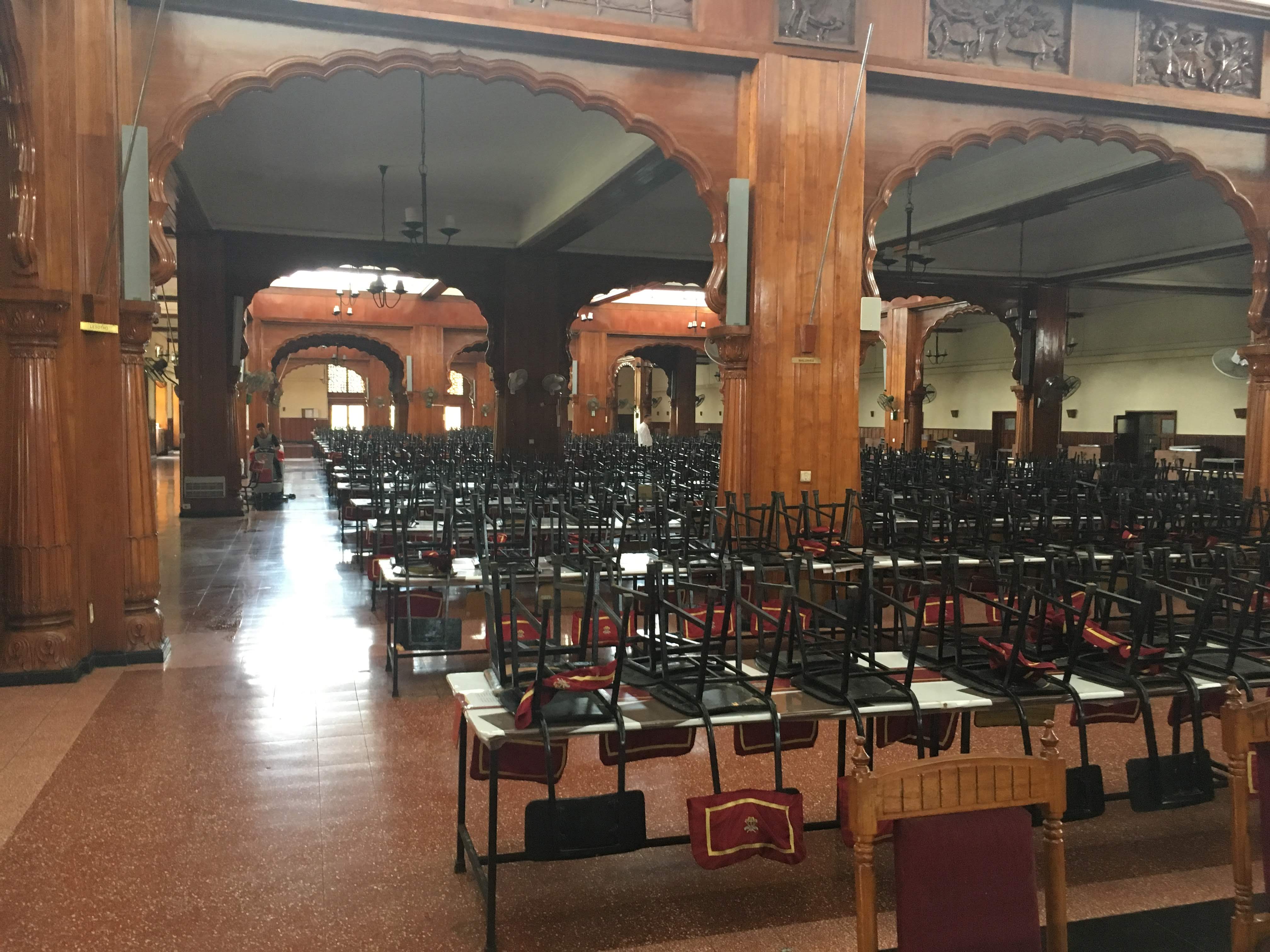
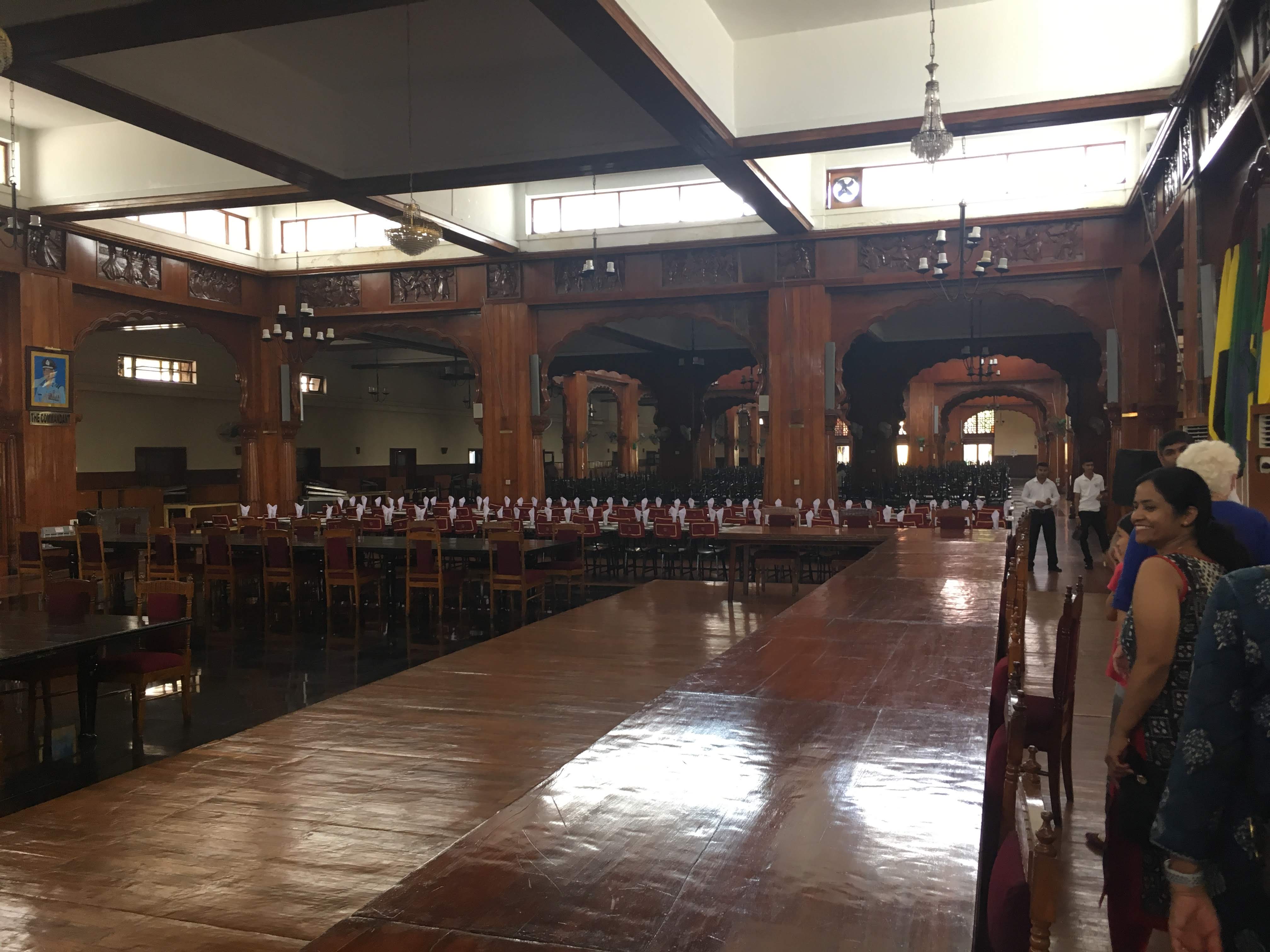
The Mess Hall was very impressive. They seat and serve all 2100 people on campus during meals, and the meals are timed for 40 mins. It was enormous and impressive. They do meals together for unity/sense of togetherness.

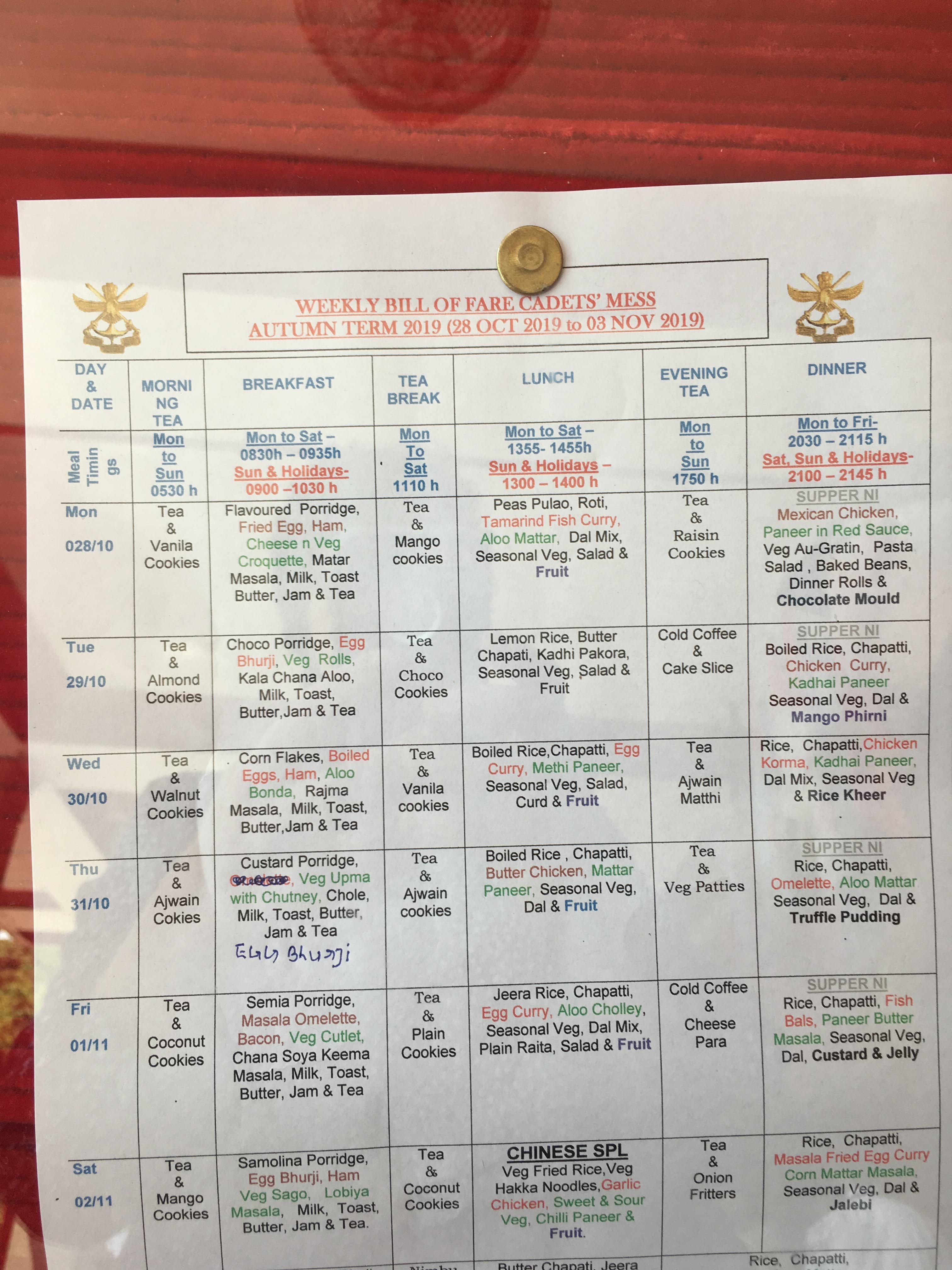
Notice the “Bill of Fare.” They have Tea 3x per day – including 5:30am. The cadets are also organized into 18 squadrons, which groups together army, navy and air force, as well as cadets from all different parts of the country.

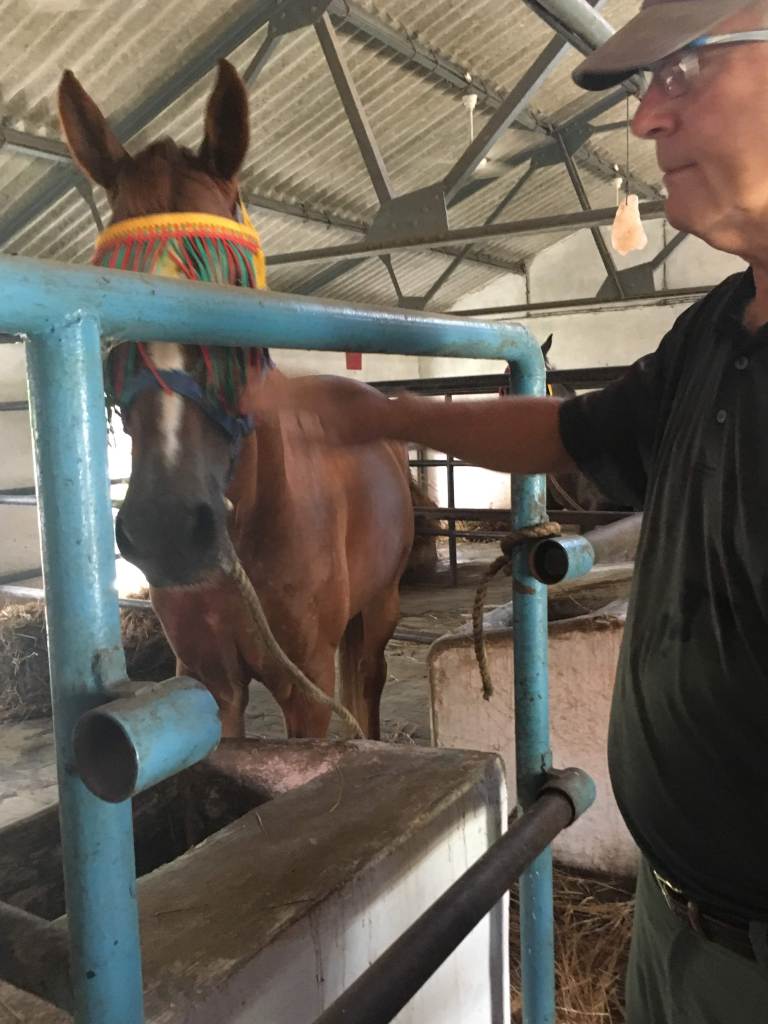
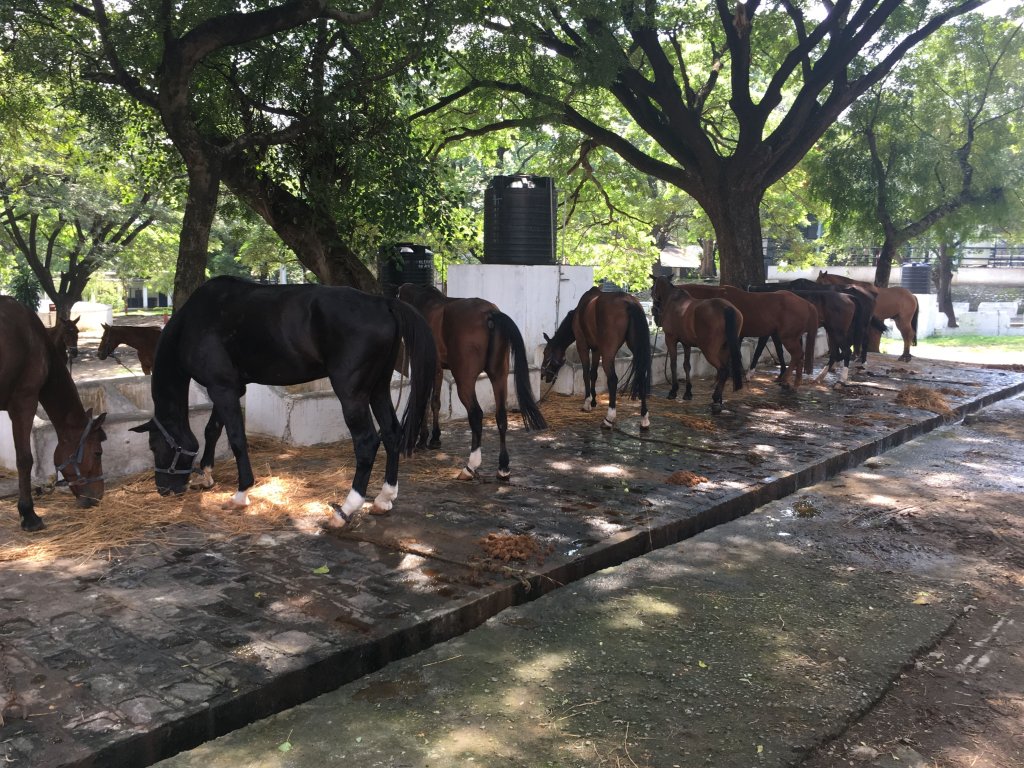
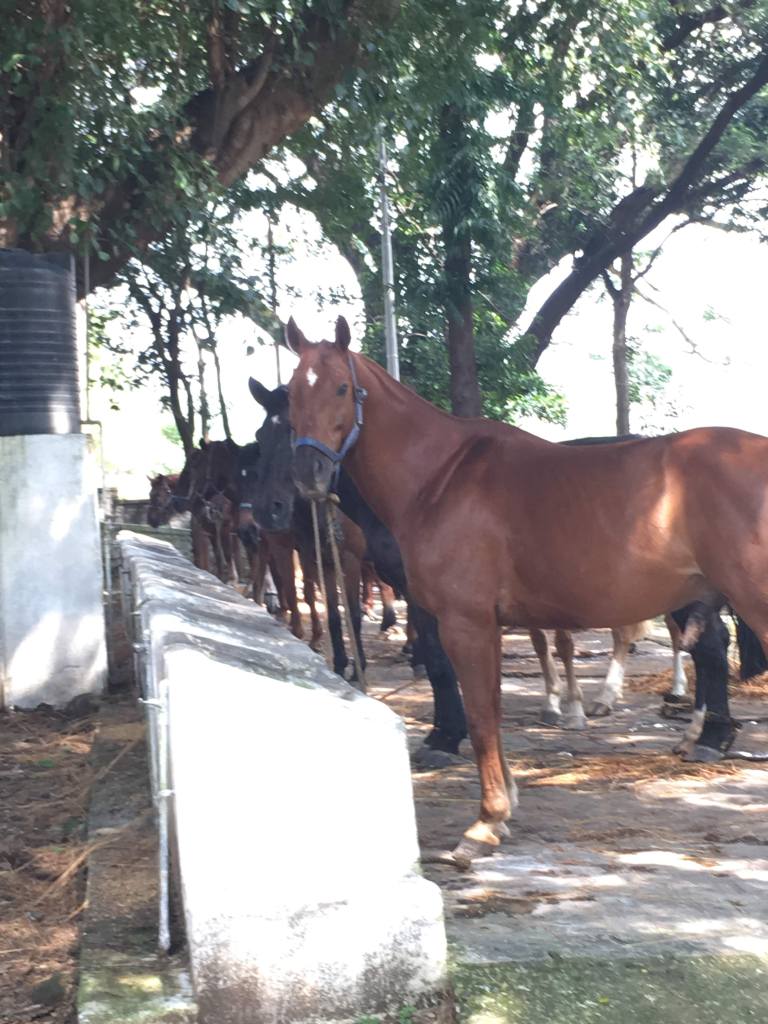
They also learn to ride horses there — it’s compulsory for 3 terms, and then optional.

After NDA, it was time for some to take a break (it was HOT), but Tom, Robyn, Parag and I went hardcore and toured some of Pune. Despite living here for 2 months, Parag and I hadn’t yet seen the local sites.

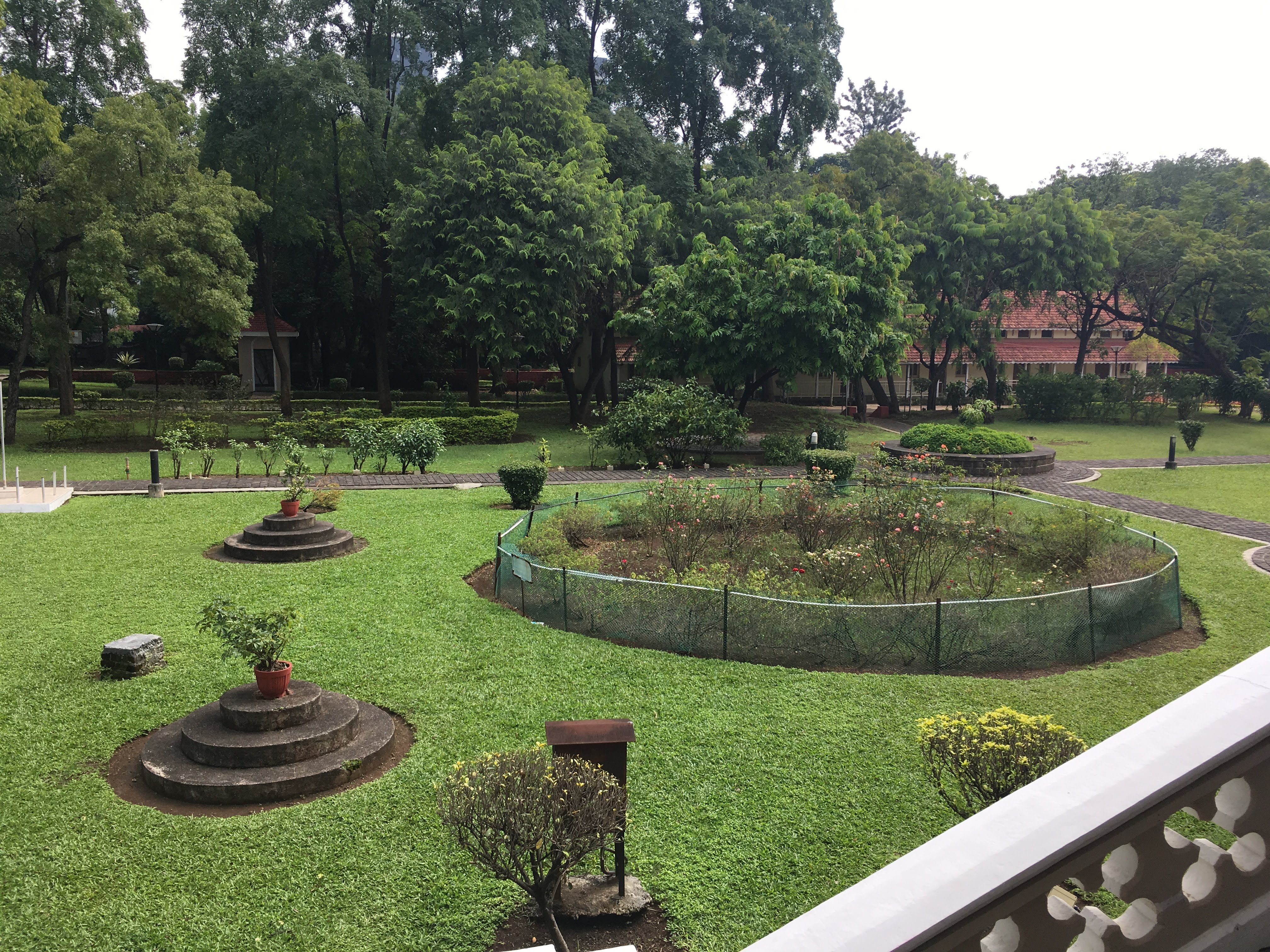
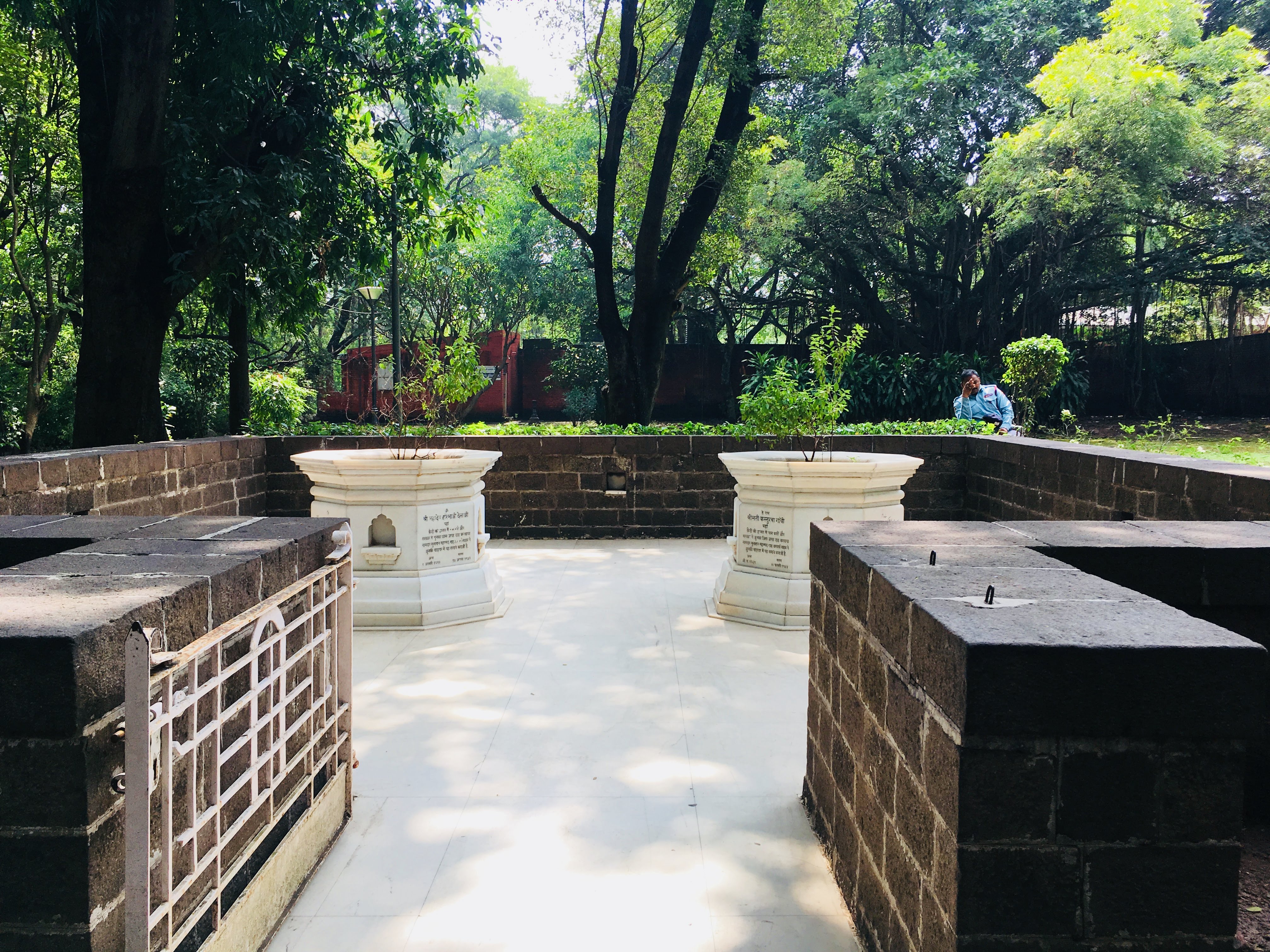
Highlights included Aga Khan Palace, which is where Gandhi was imprisoned for 21 months. It was the palace of a religious leader (built 1892, he didn’t live there), and the Brits asked him if they could use it for Gandhi. Must have been an awkward request…. . It’s also where Gandhi’s trusted secretary and wife died (though not related to be imprisoned).

The buildings were also used as a school before the religious leader gave the property to India as a memorial for Gandhi.

We learned about the secret radio broadcasts they (the freedom fighters) had in the early 1940s for an hour a day to support the “Do or Die” message from Gandhi. They had to keep moving every few weeks to avoid detection. (The Brits ultimately caught up with them however, and they were all jailed.)

We also went into a shrine they believe is from the 8th century (nope – no typo), which was carved INTO rock – Pataleshwar. They started with a huge rock mound and carved into it to create the pillars, alters, steps, etc.

(This pic is not mine — my phone/camera was not with me. It was much darker in there!) Amazing how straight and consistent everything was when they were carving with iron-tipped tools by hand.

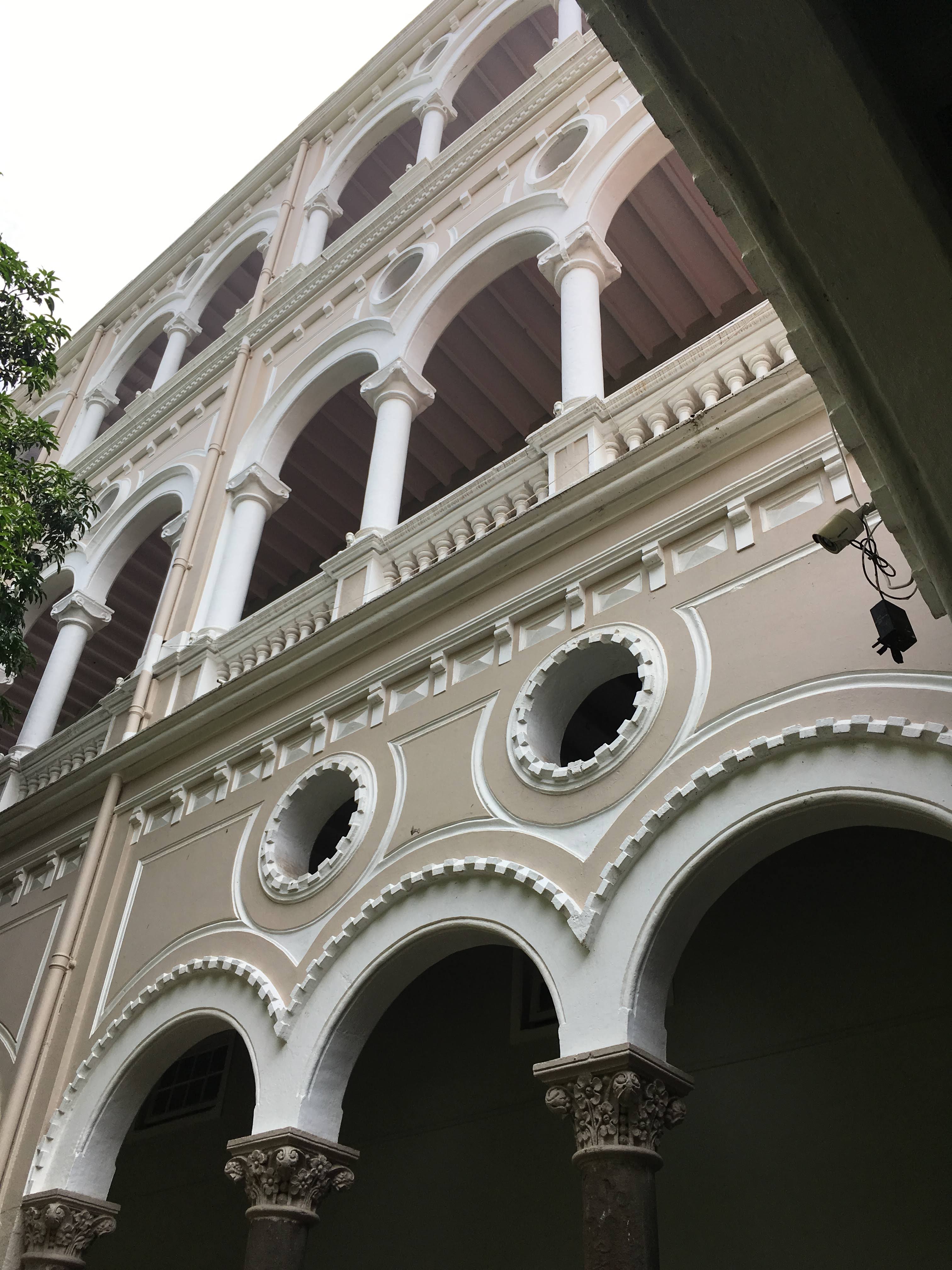
A final stop was a palace/fort from 1730, from the Maratha empire. Pretty cool.

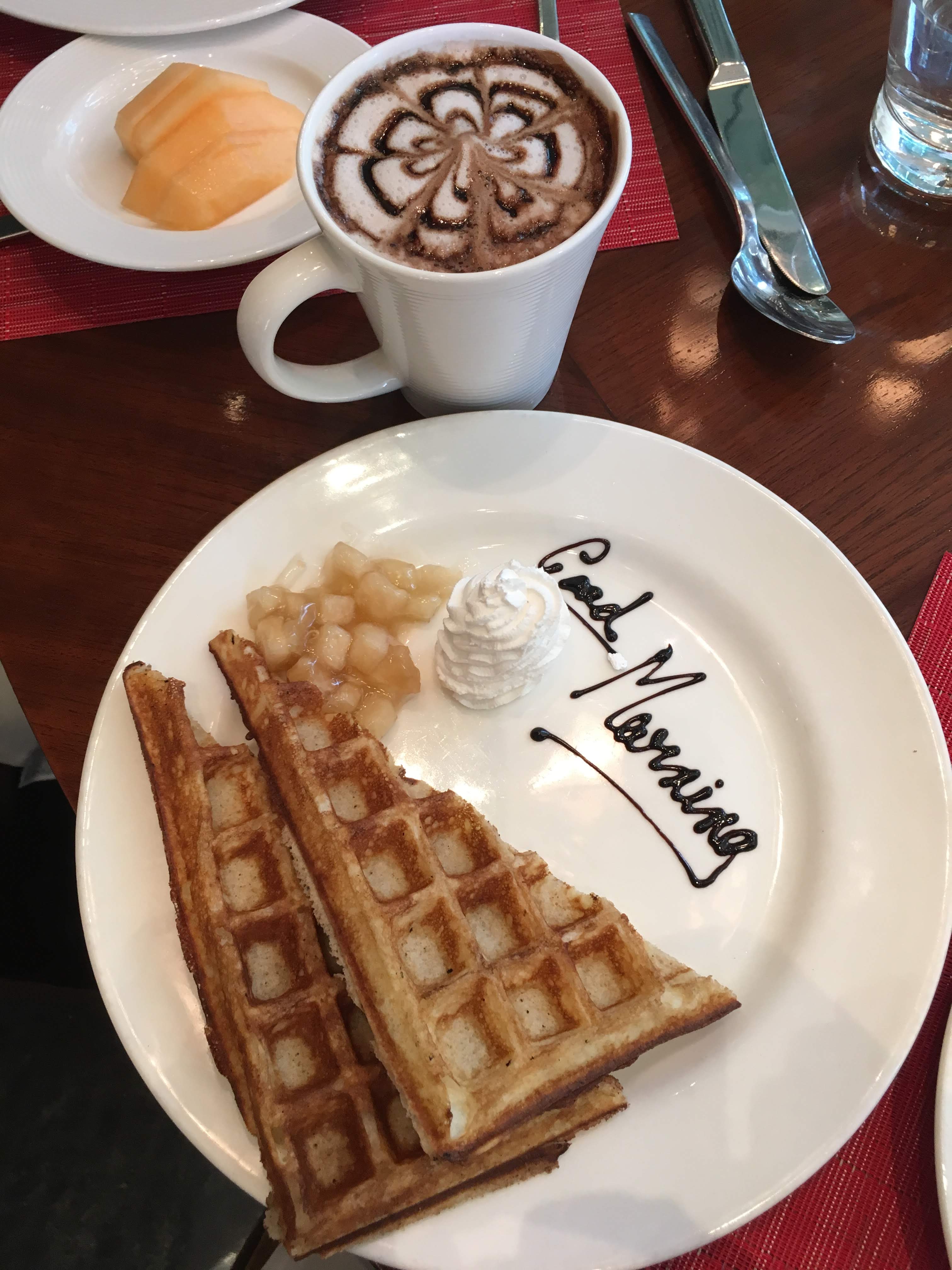
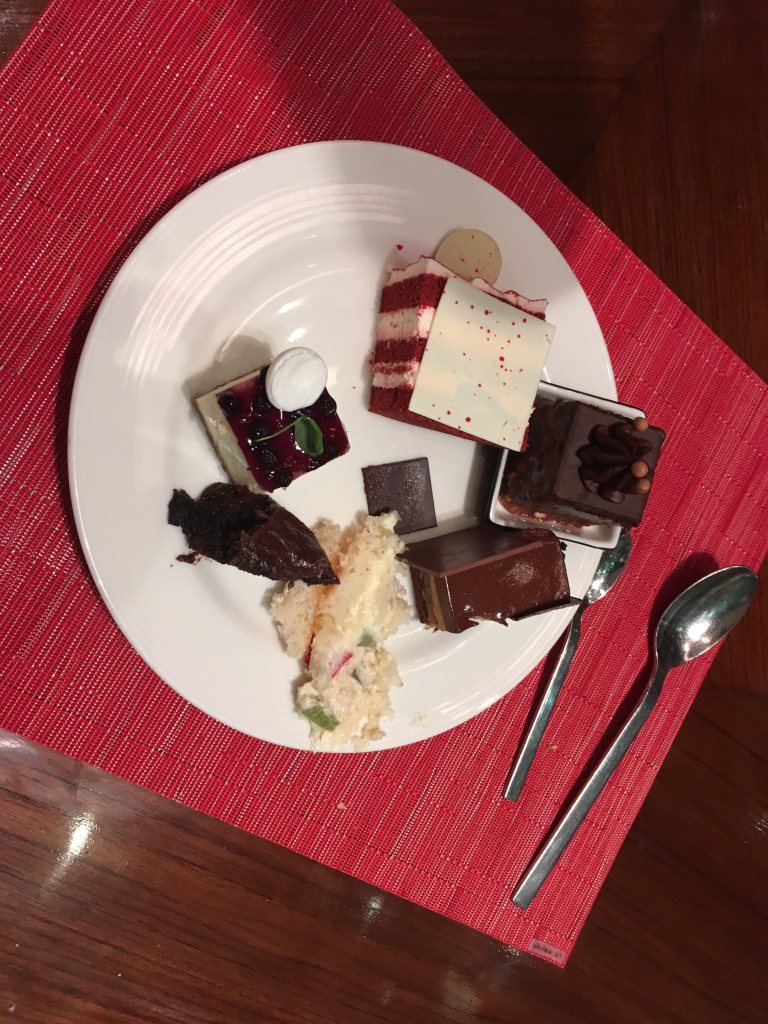
Well, a real final stop was dinner at the hotel, which was delicious. This is Tom’s dessert plate from the buffet….

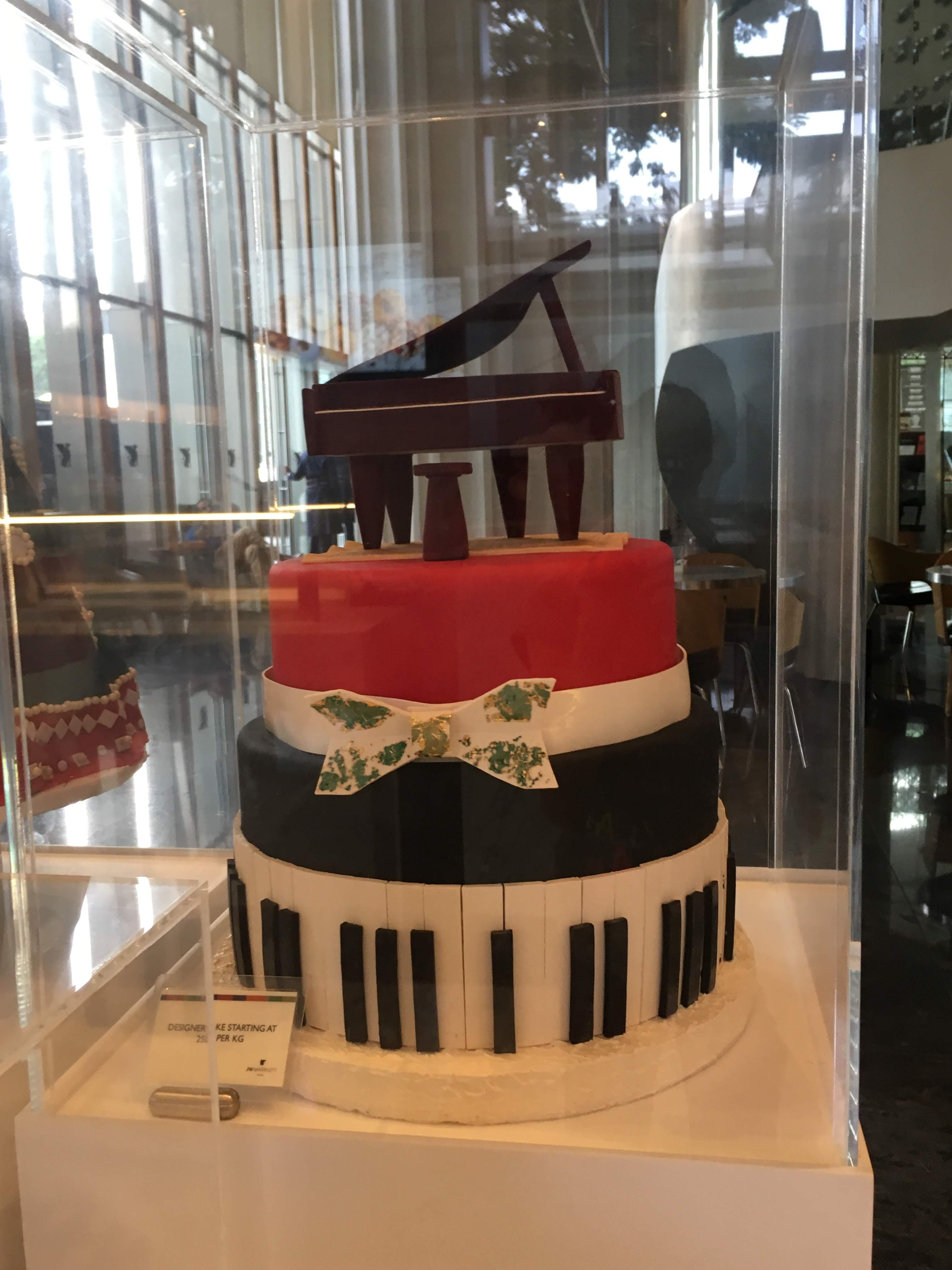
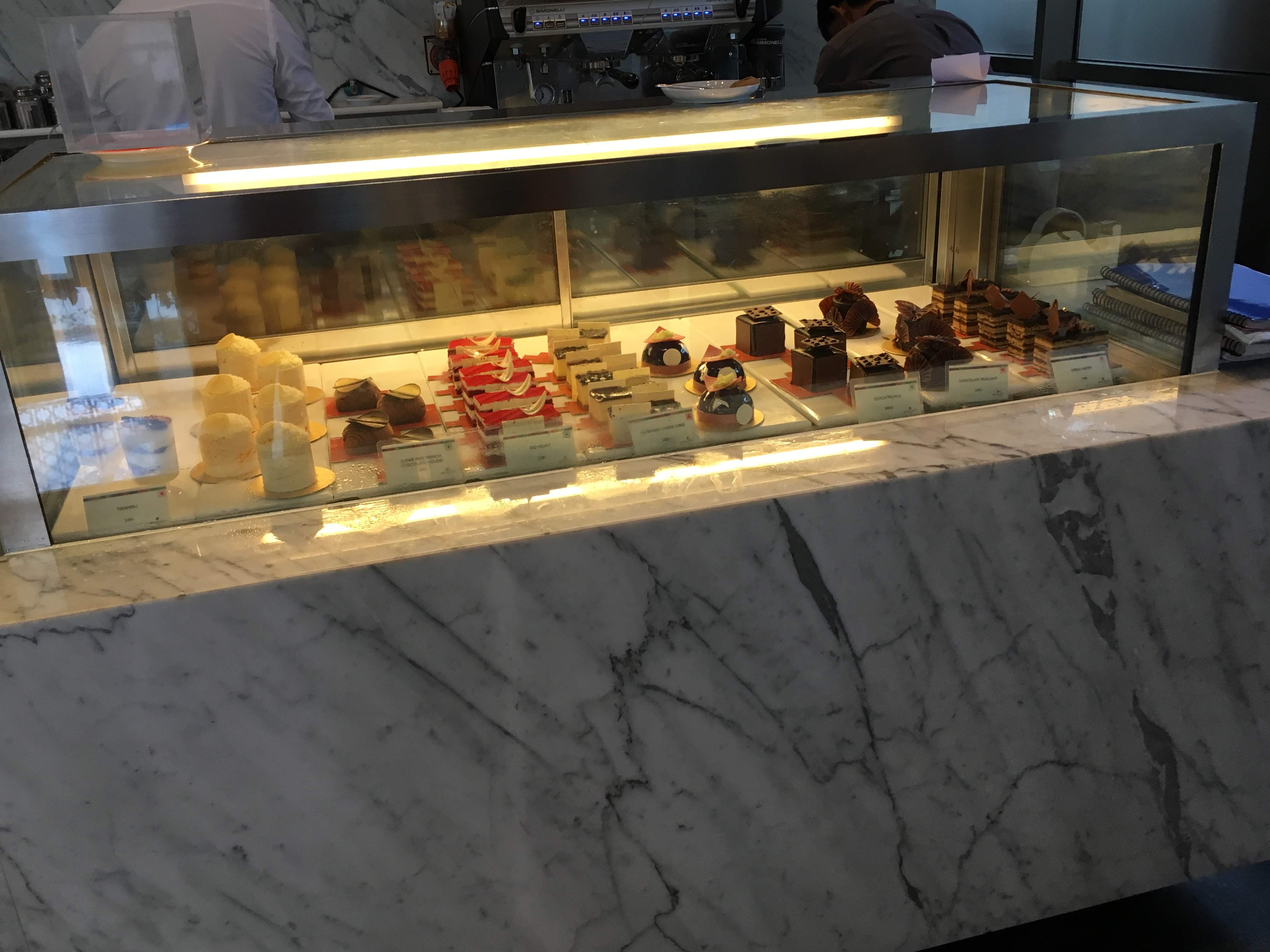
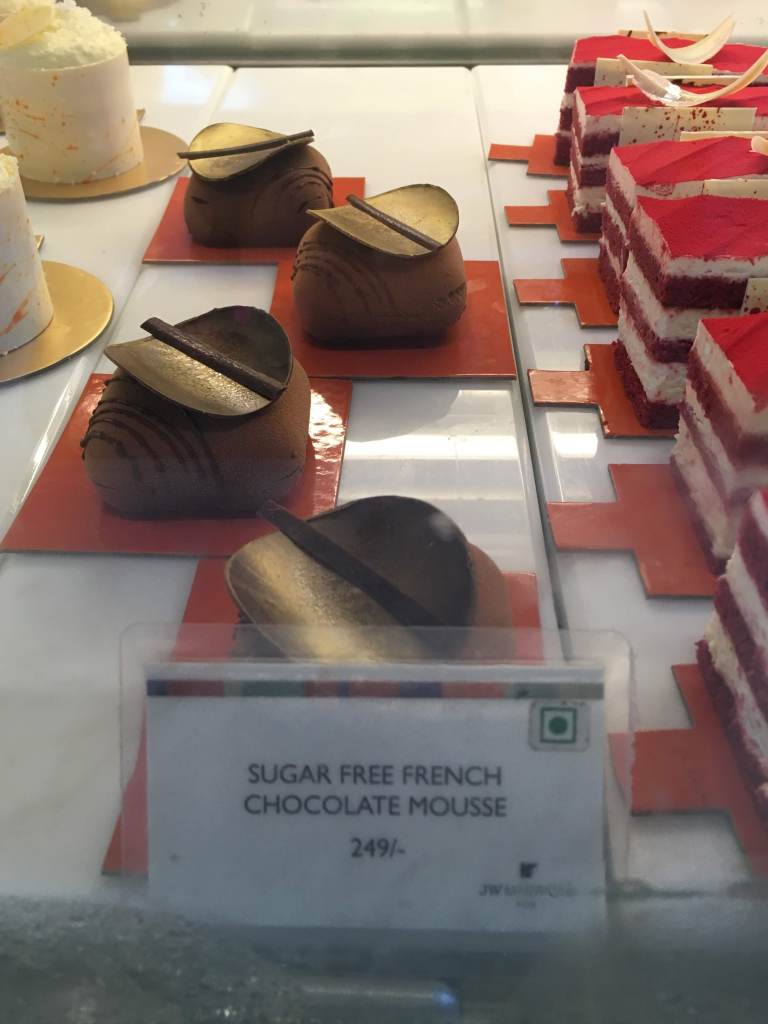
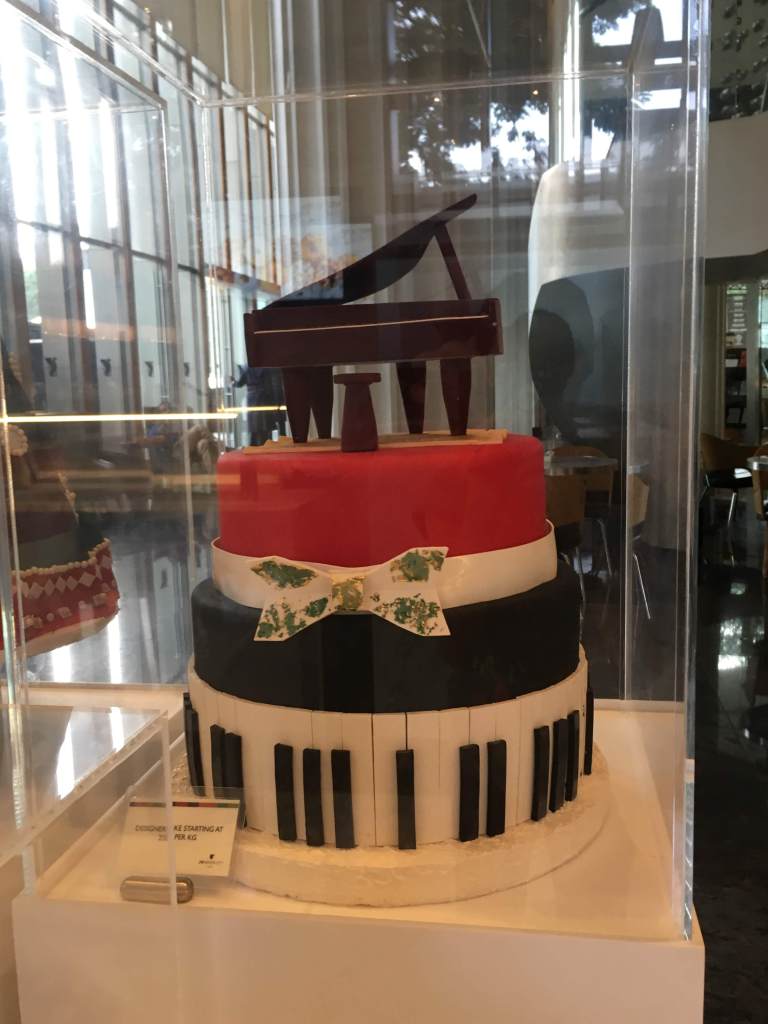
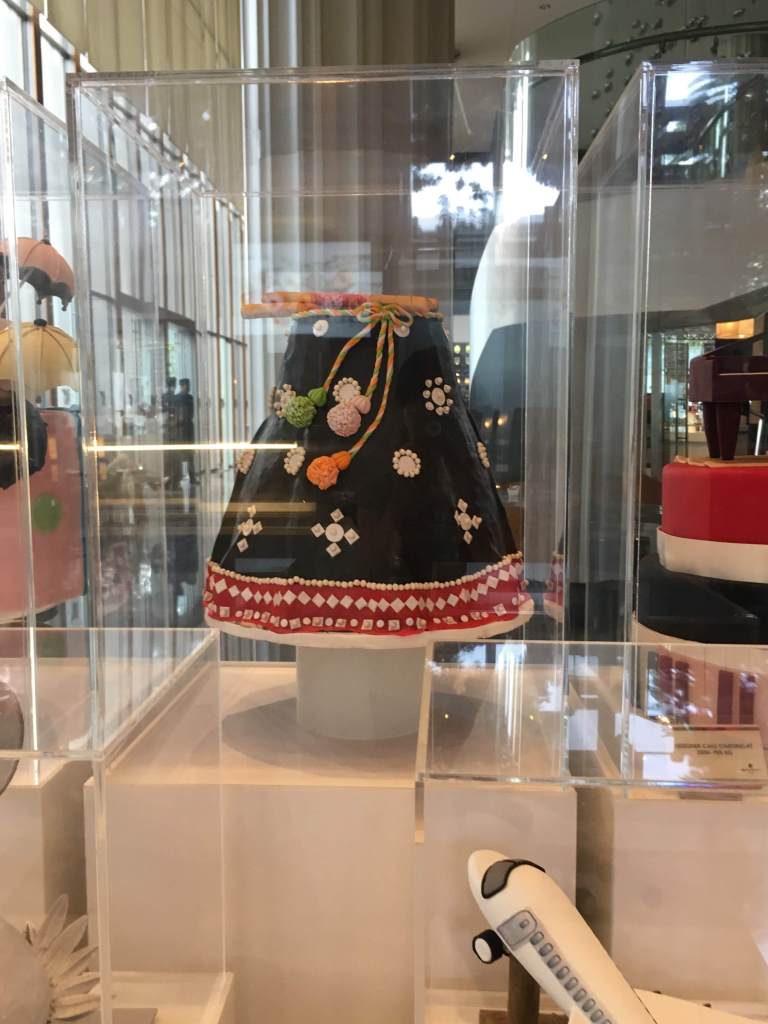
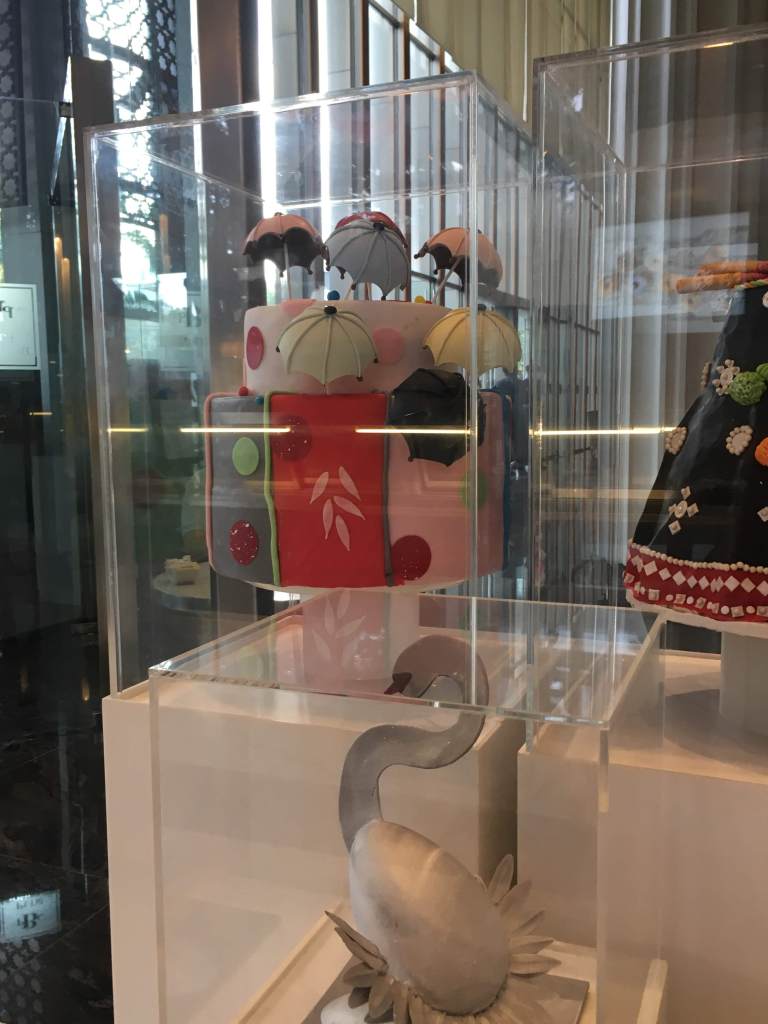
And while I’m here, I’ll share Alex’s photos of the cakes they have on display….

Baking and cake decorating seems to be an up-and-coming thing right now in Pune, with cake shops popping up all over. Parag actually has a cousin (cousin’s wife) who has started a professional bakery business. We’re visiting her later this week! Stay tuned for photos… She likes to do gravity-defying cakes….

A little more Jaipur! And a little more of Day 5…

Well, we’re getting there… Hopefully we’ll post the rest of the Delhi trip soon. After this trip, we have Diwali, a trip to Pune, and then relatives came to visit! Somehow we’ll get on top of things…

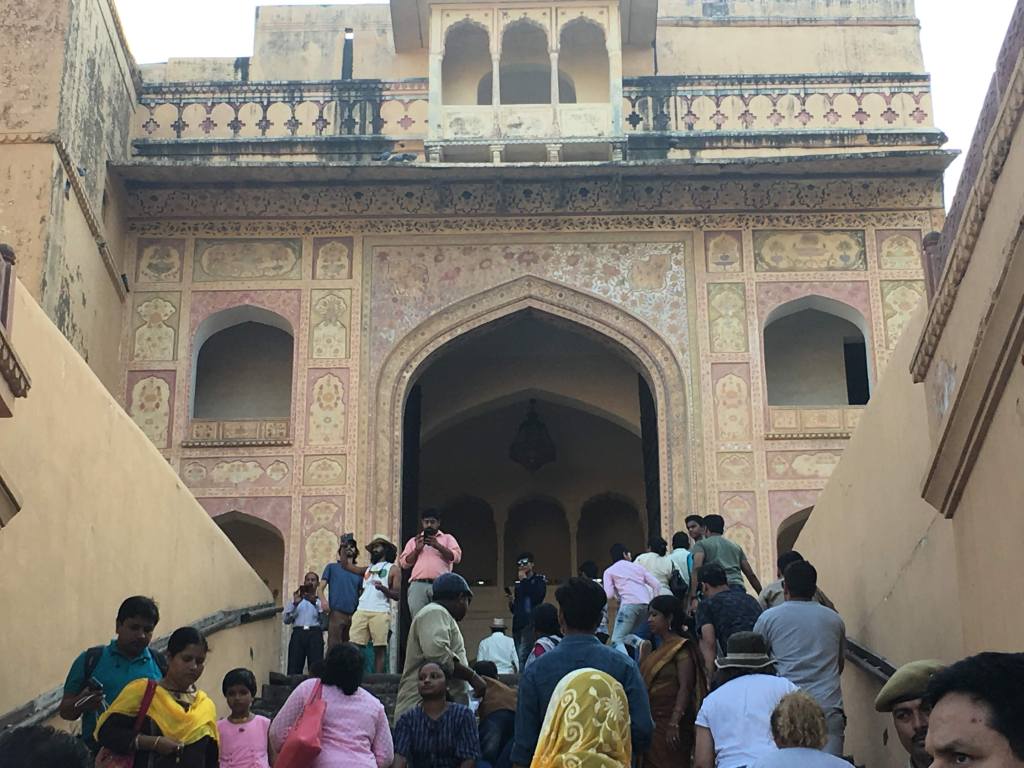
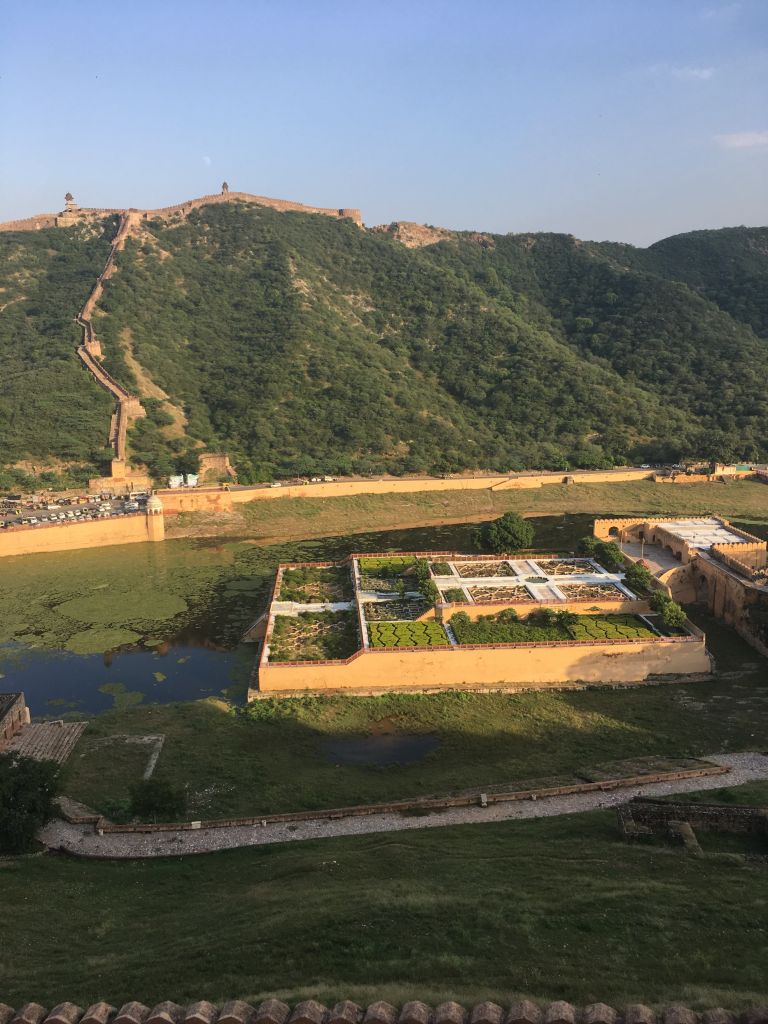
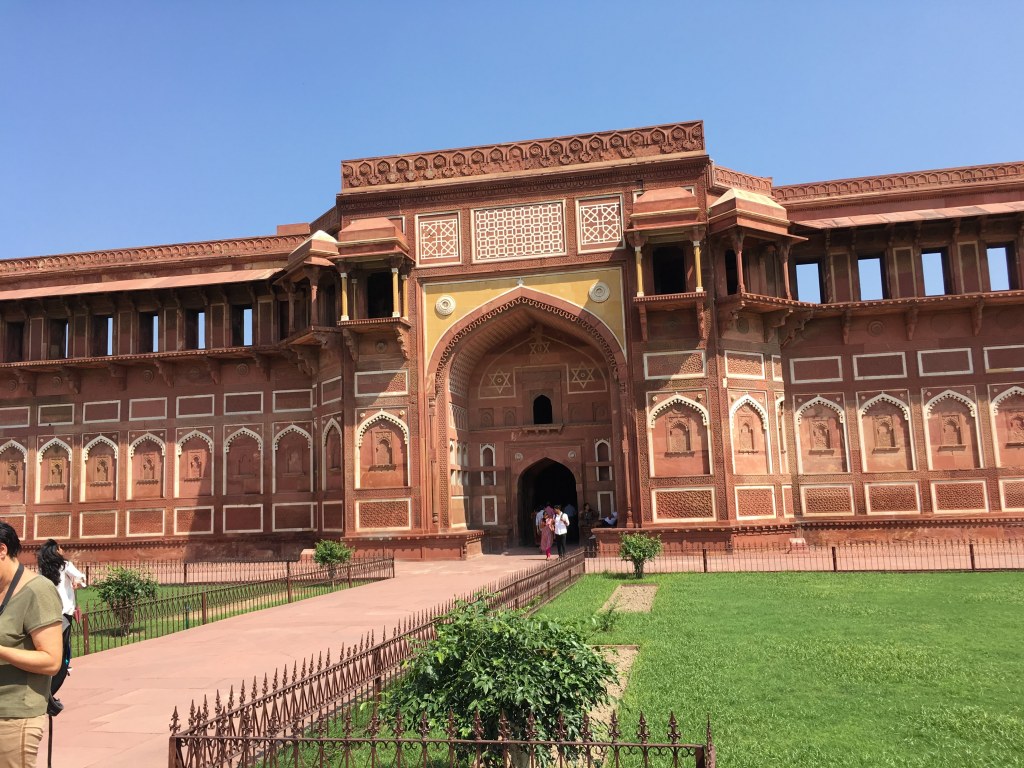
After our Elephantastic experience, we went to Amer Fort and drove by Jah Mahal. Amer Fort was very cool. It is just outside Jaipur and it used to be the palace. Amer is in the state of Rajashtan and the Rajput Maharajas (kings/royalty) lived there.

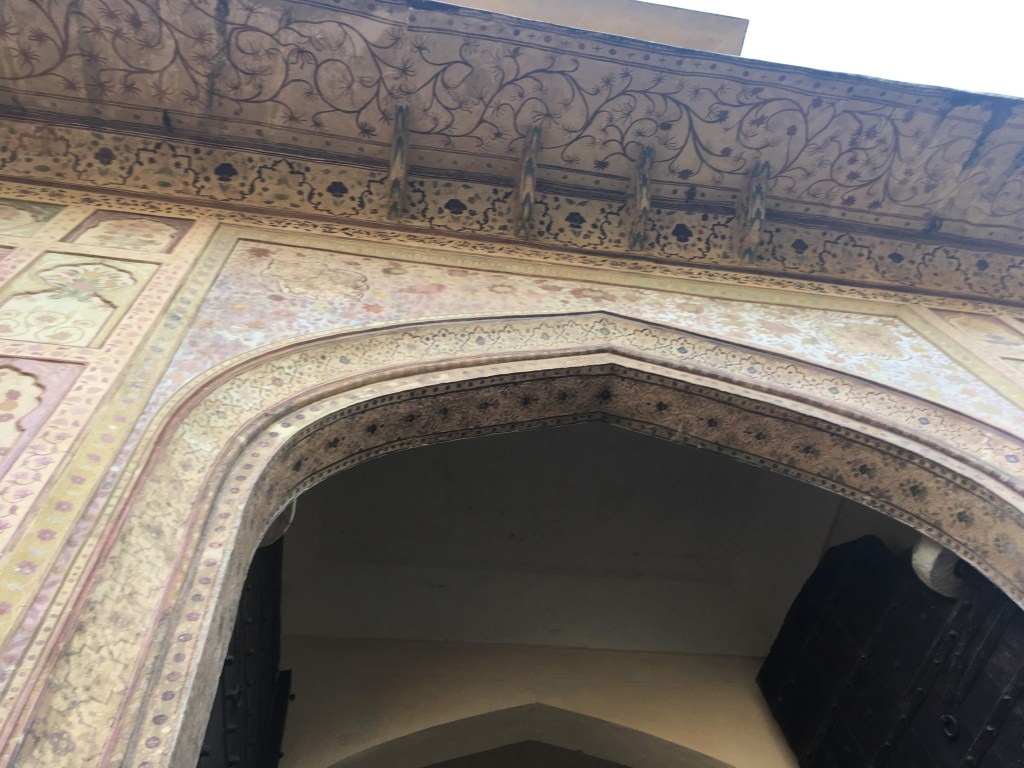
The palace was grand – here’s the entrance

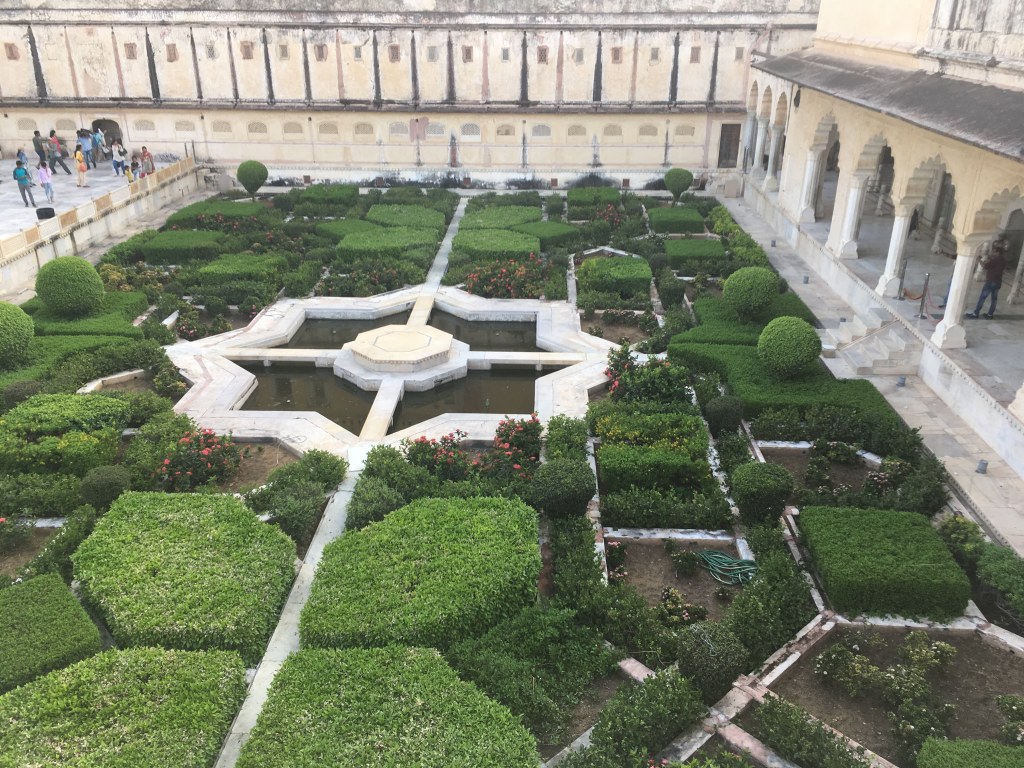
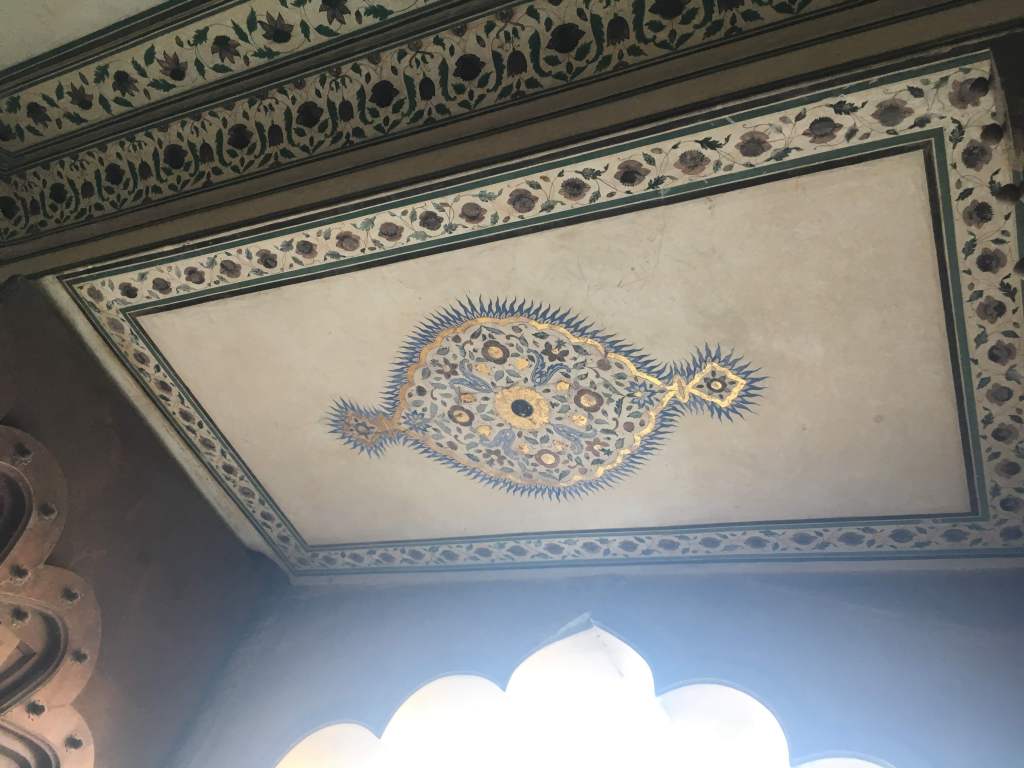
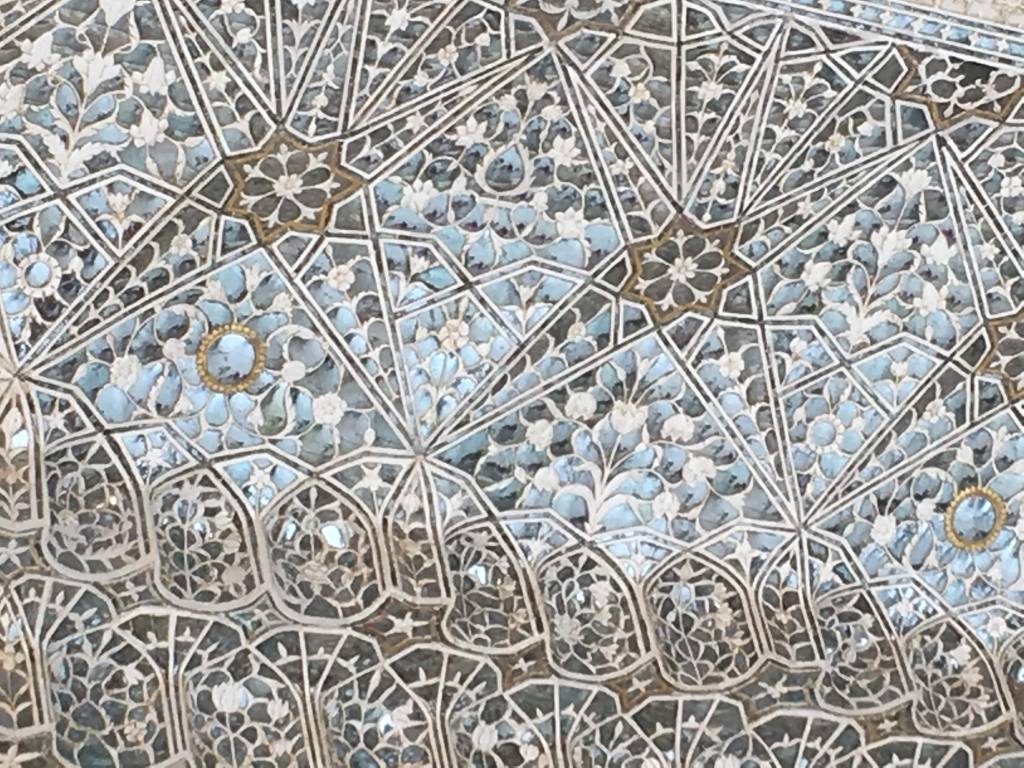
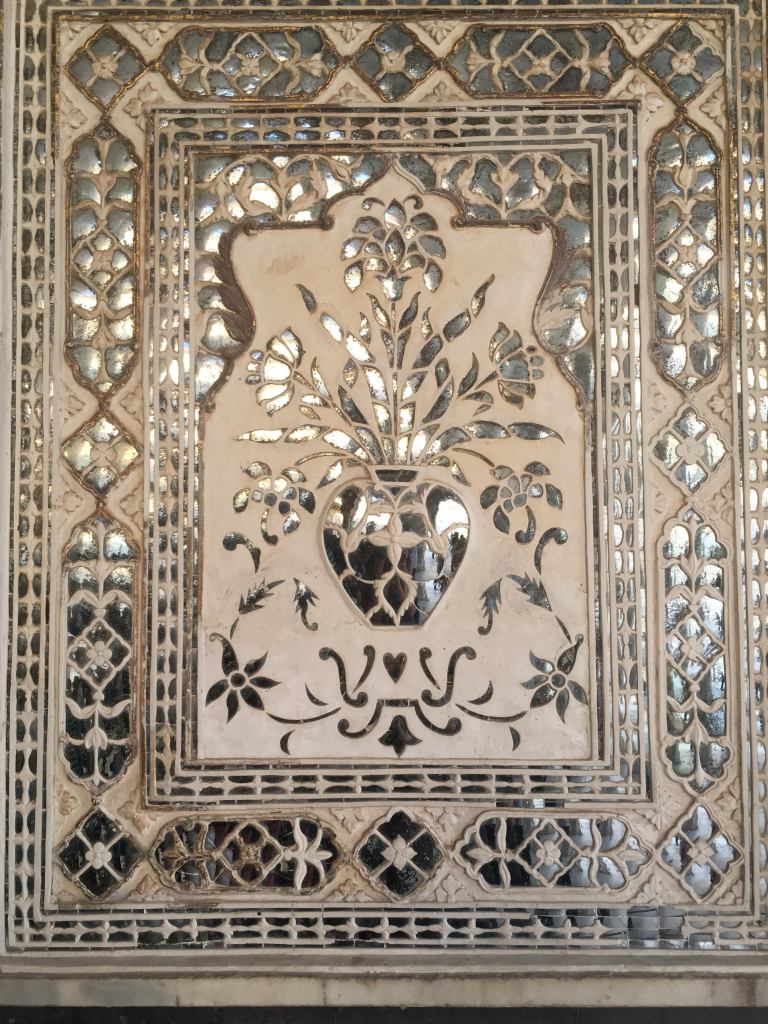
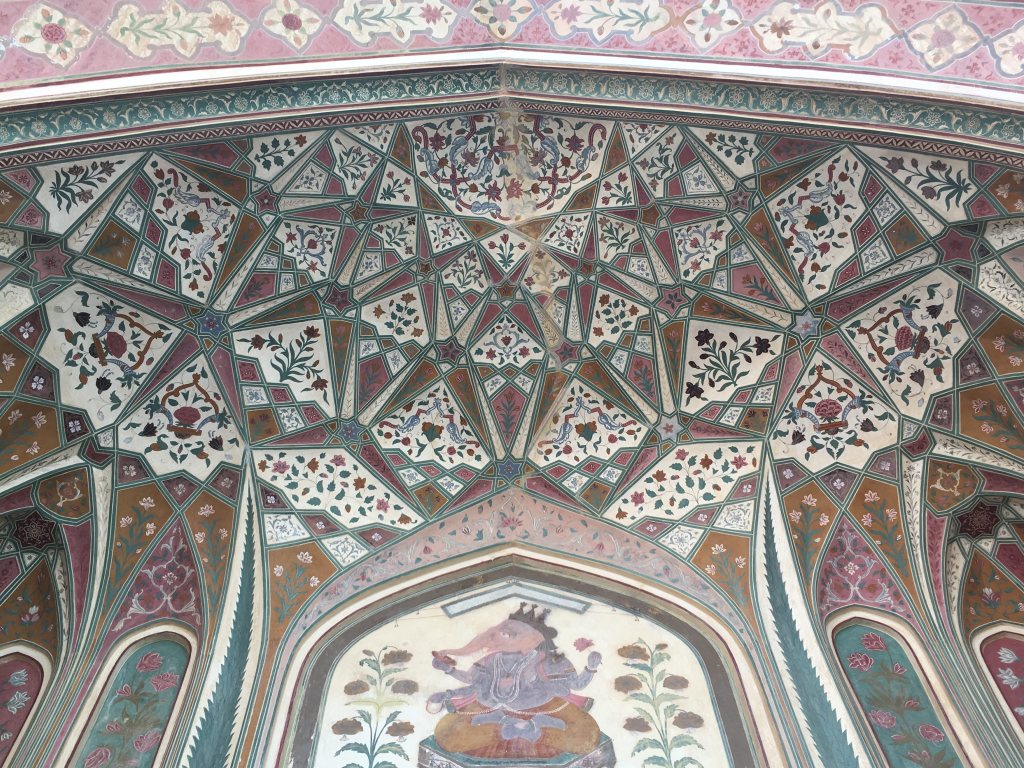
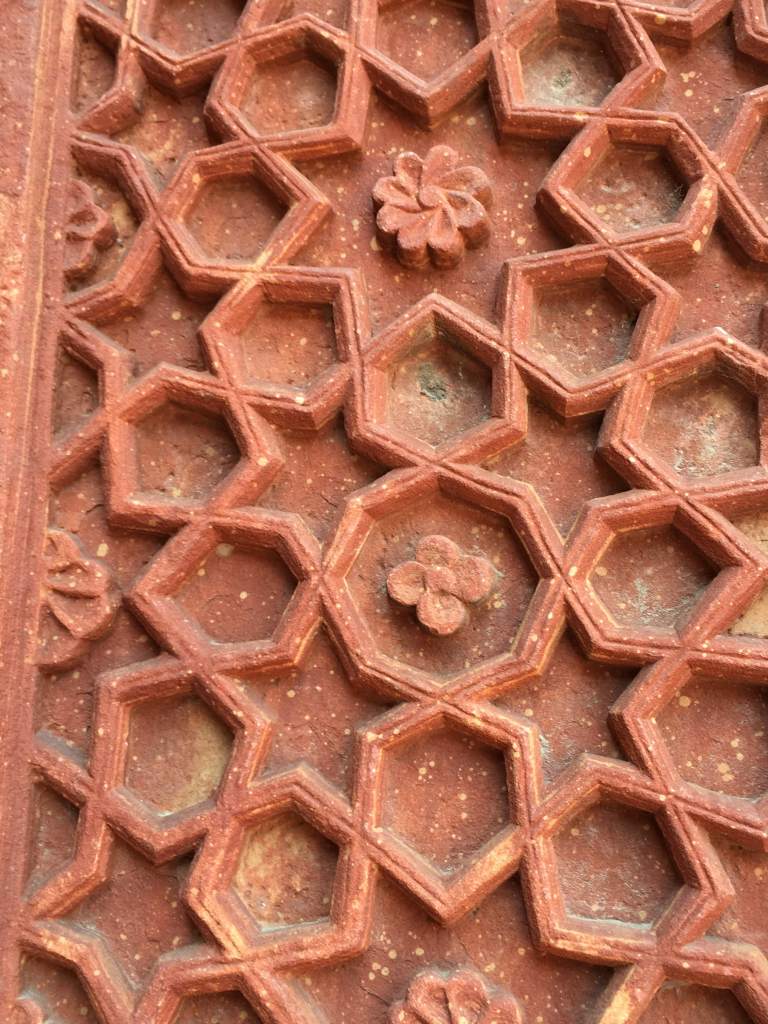
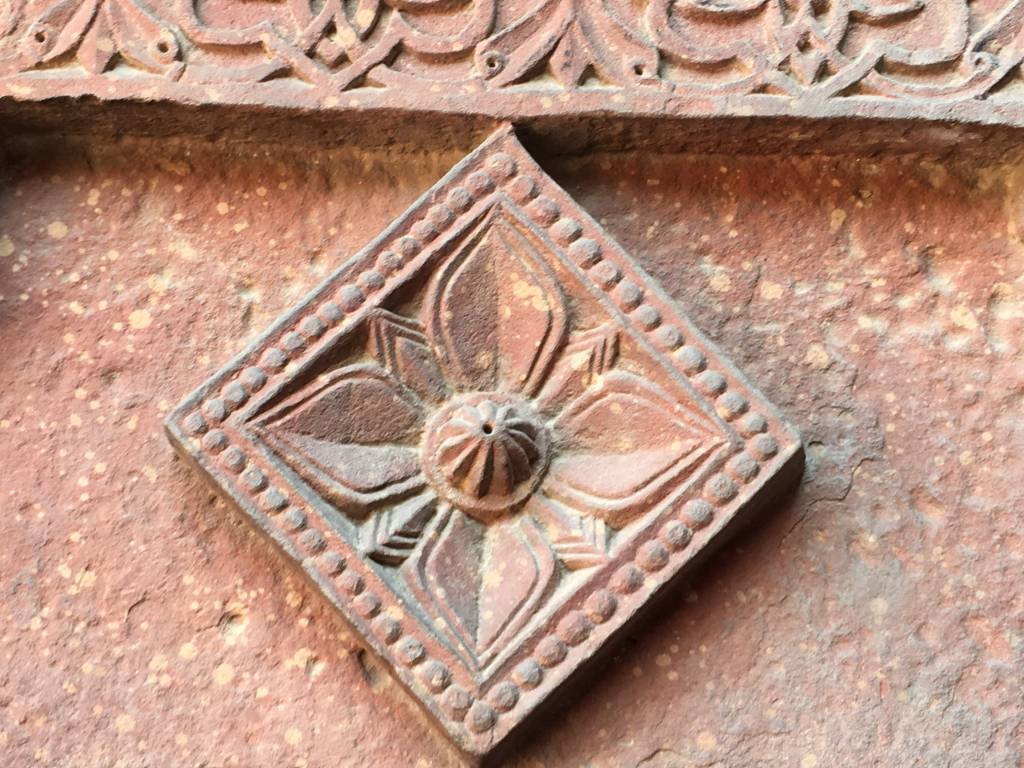
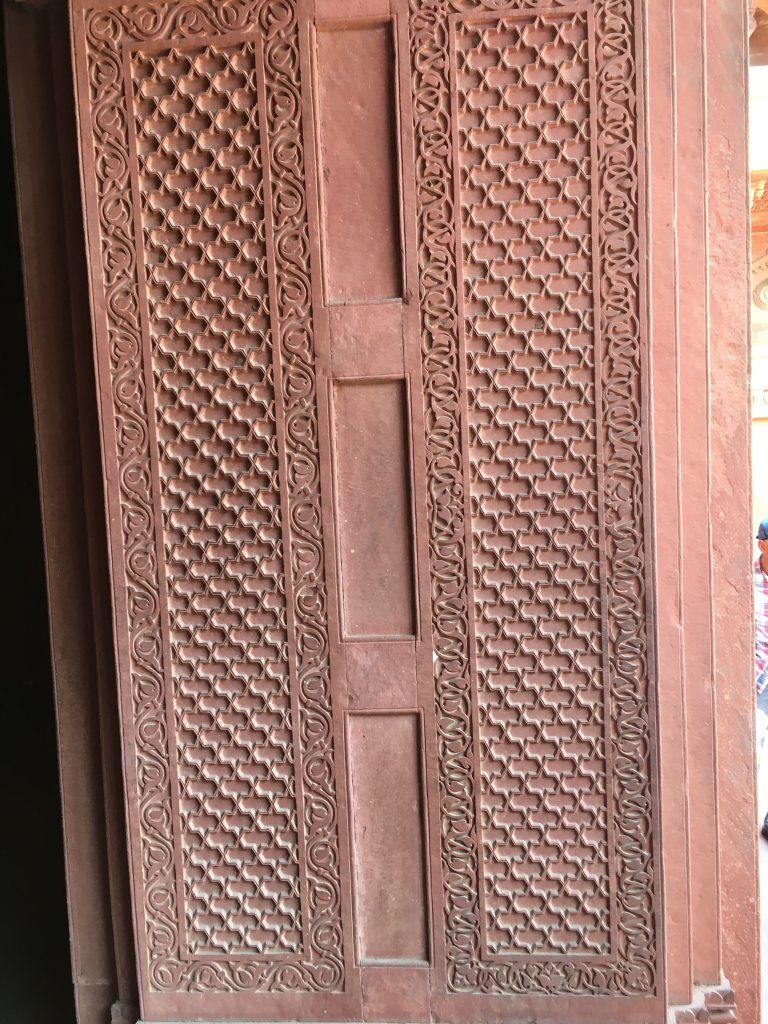
The architecture and detail were incredible

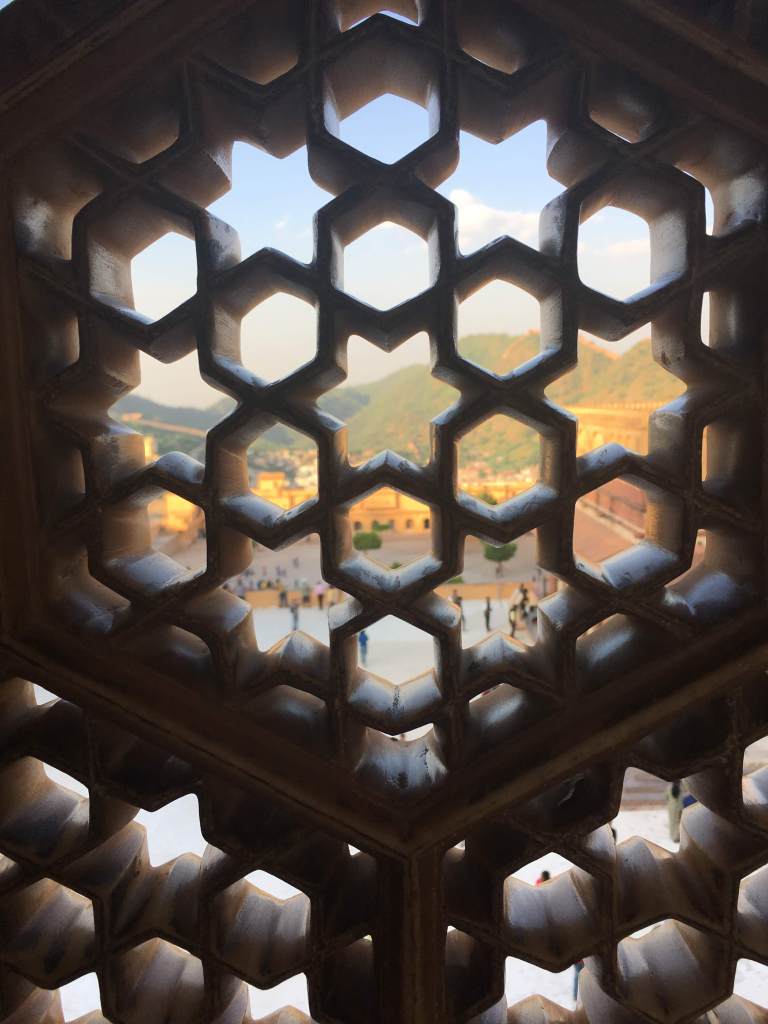
and the views were amazing.

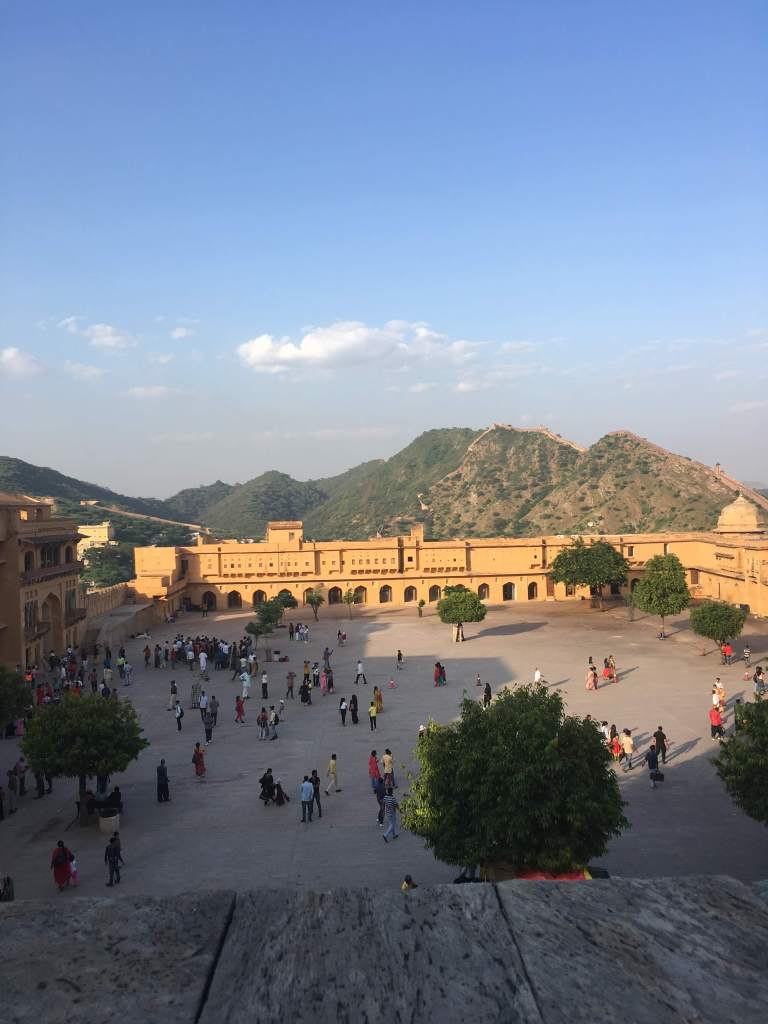
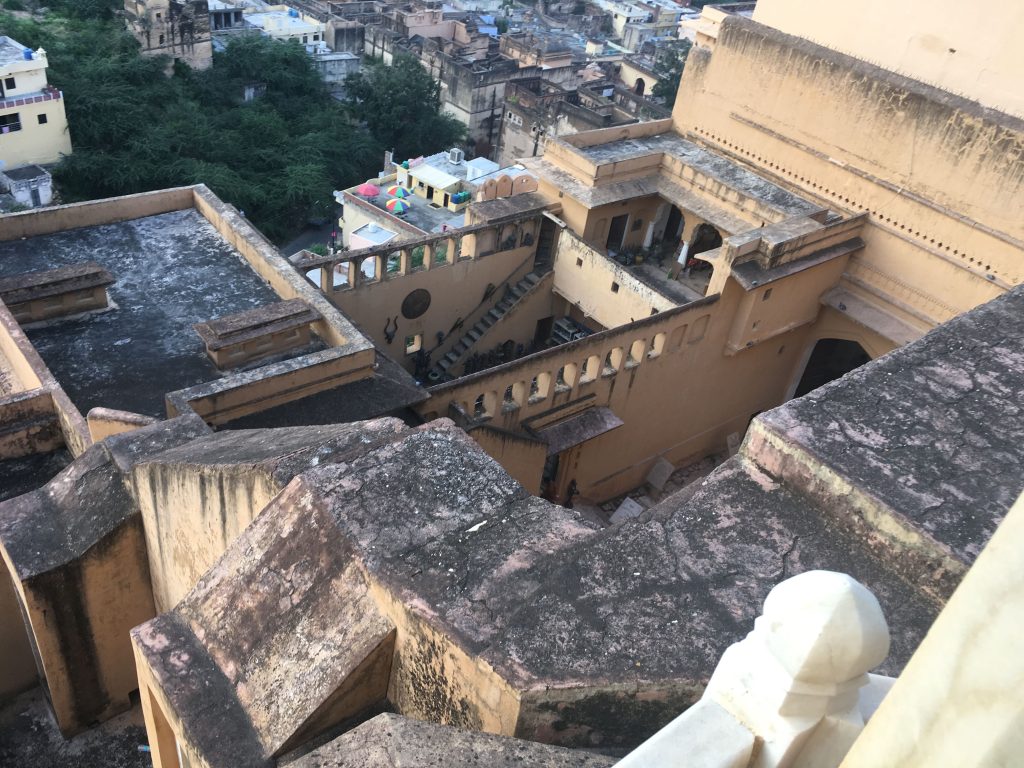
Of course if you have a palace, you’ll need lots of people to work in it! This is a (almost) bird’s-eye view of where many of the workers/servants lived with their families. Apparently there were about 400!

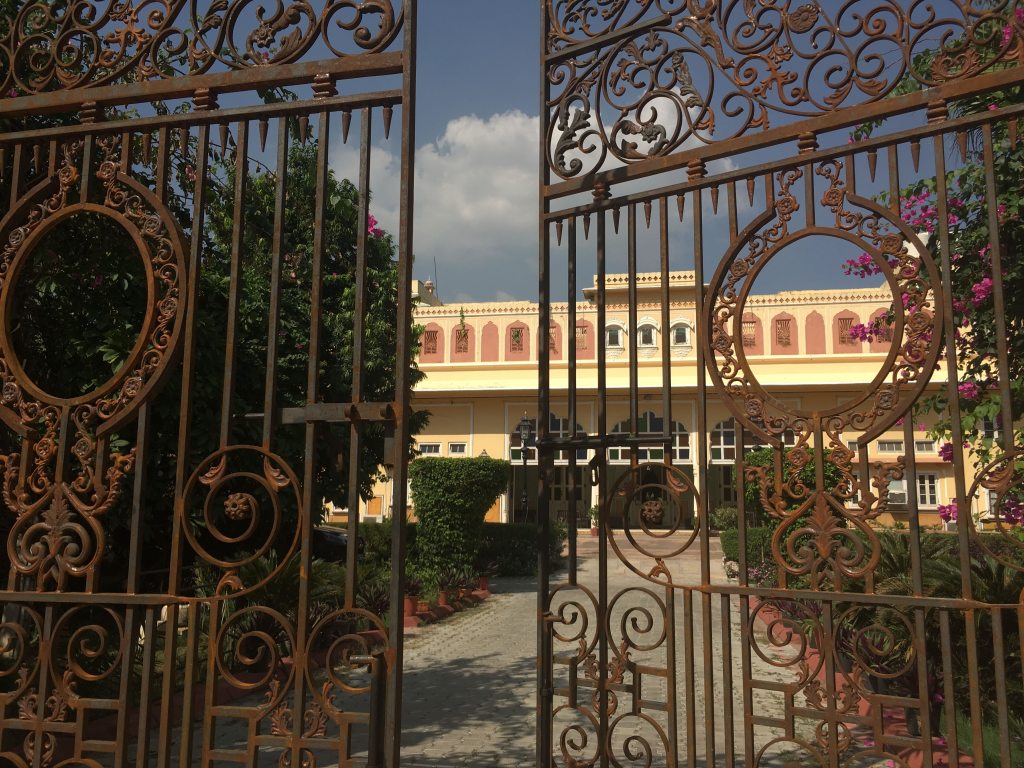
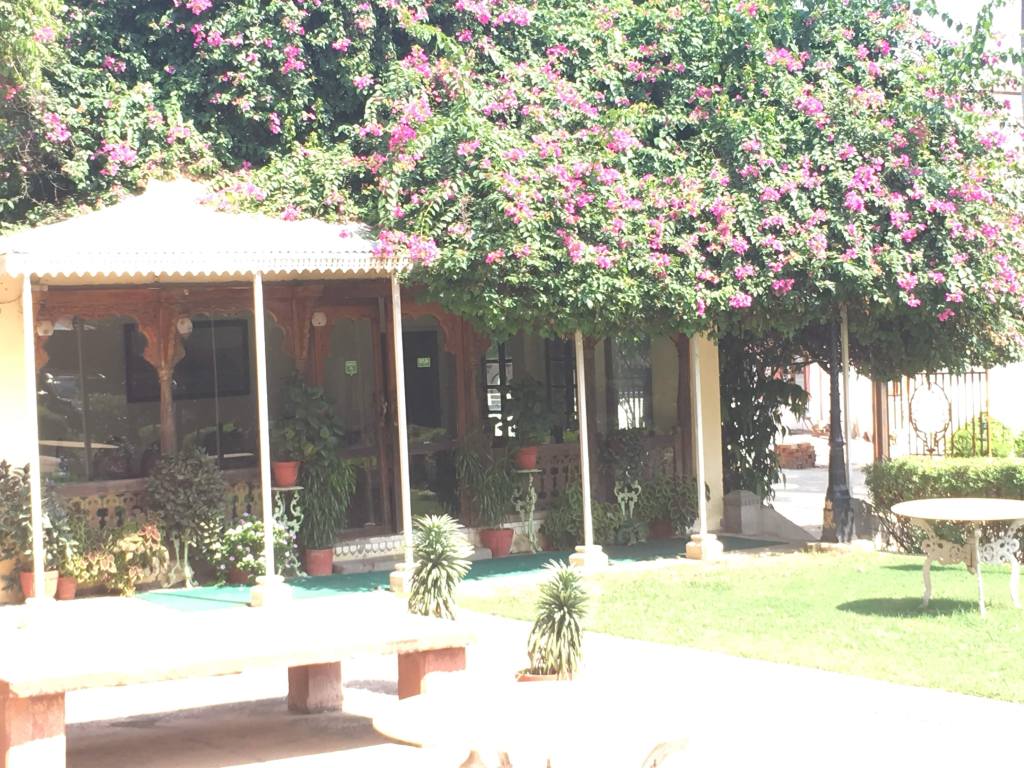
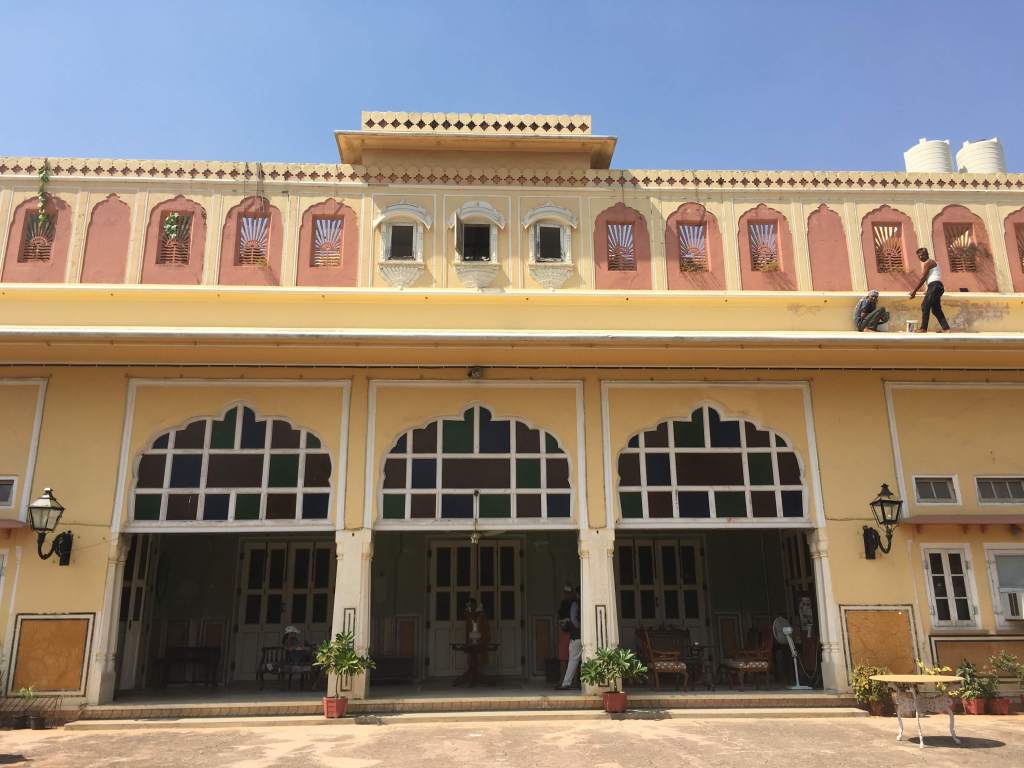
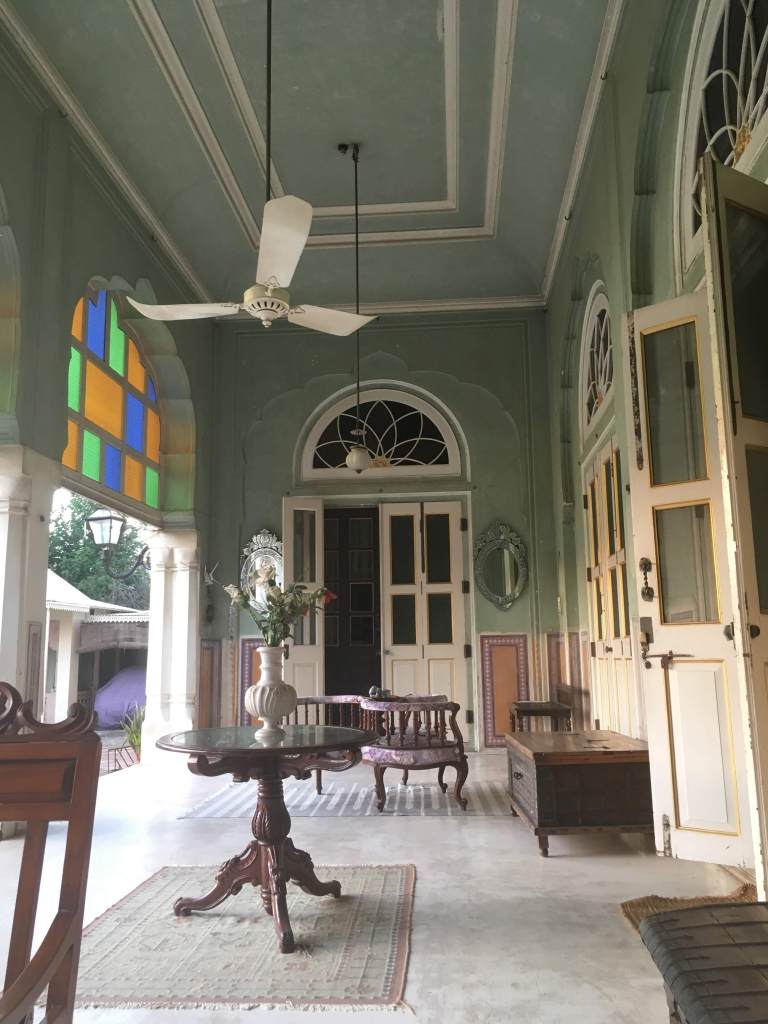
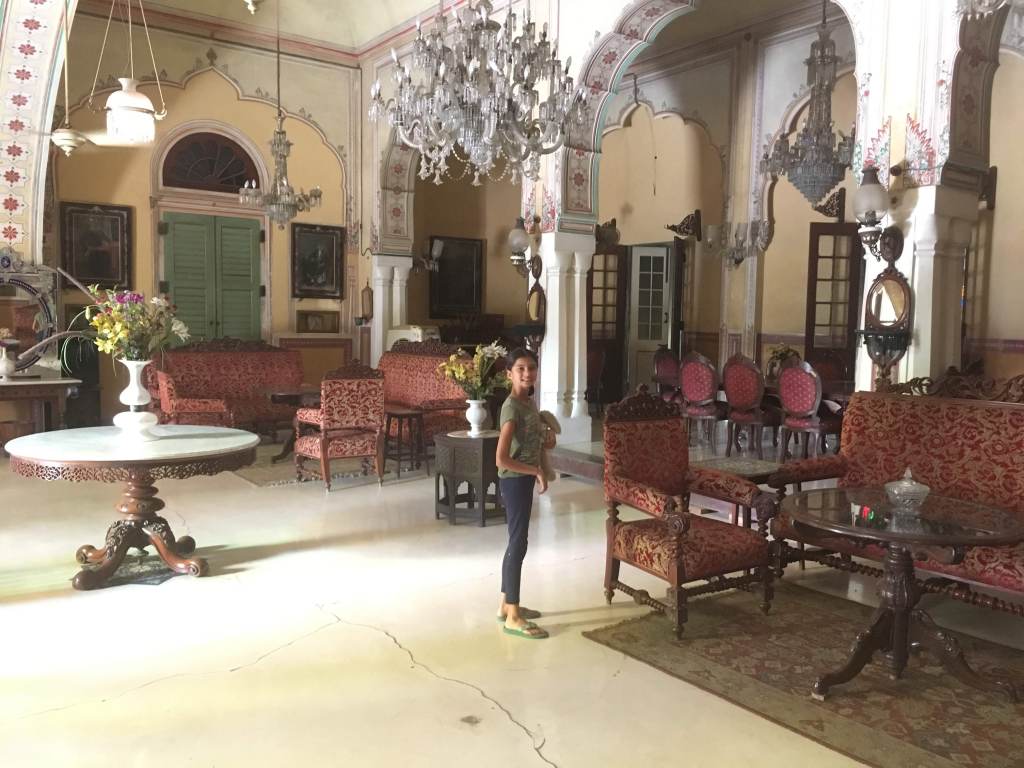
After, we headed back to our heritage hotel, called Nilah Bagh. Very cool space. We had a massive room – which I hope Parag will share some pictures of – and also got to meet and talk with the owner. She and her family live upstairs, and this is one of 3 heritage hotels in the city. The royal family lived here, and one of them then became the first prime minister of Jaipur.

Day 5 – Jaipur and the Elephant preserve!

Alex was the guest blogger for this post! (We actually are glad she came with us when we left. We thought she might find a way to stay behind…. )

We had another great adventure! (And in Jaipur!)

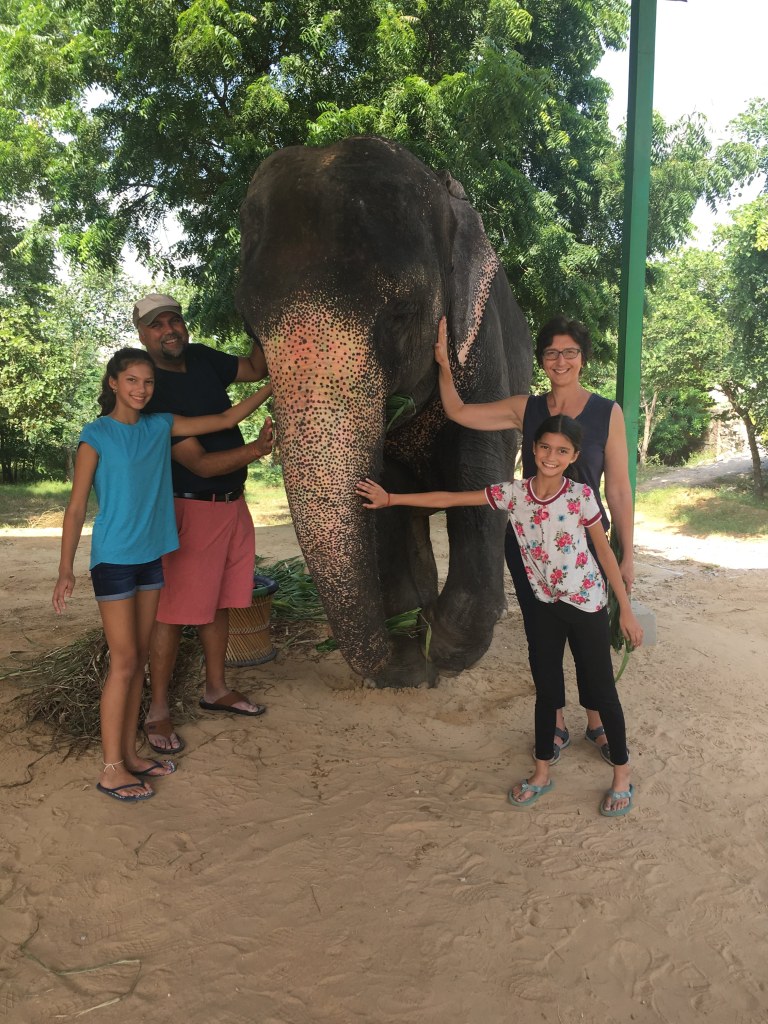
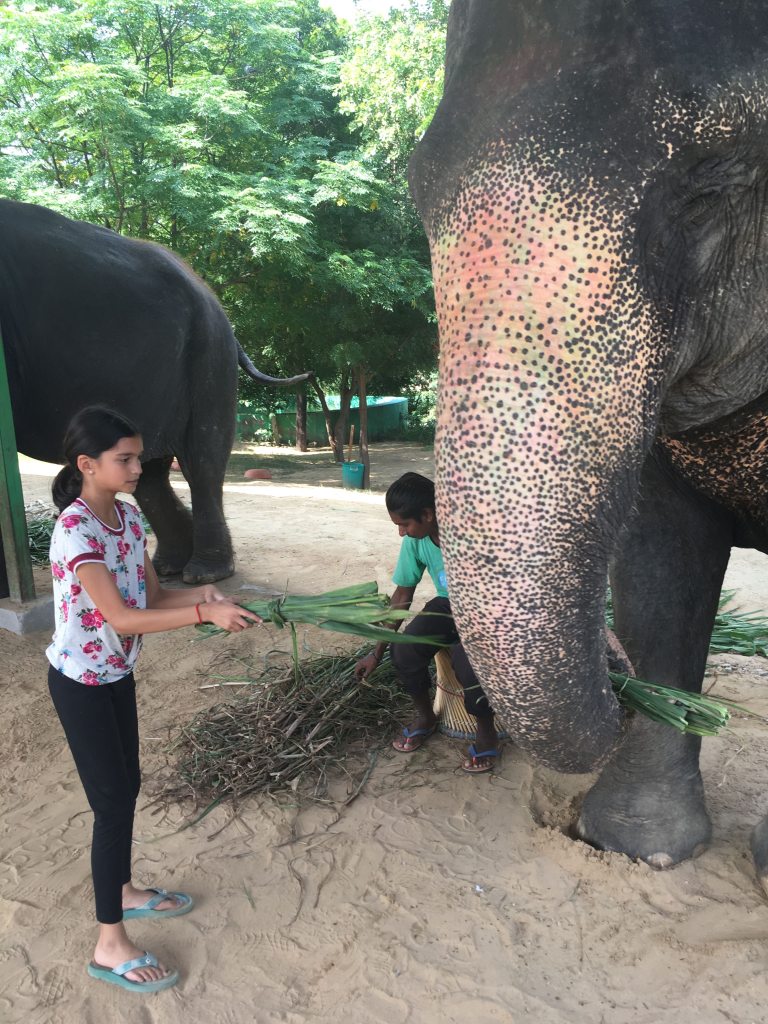
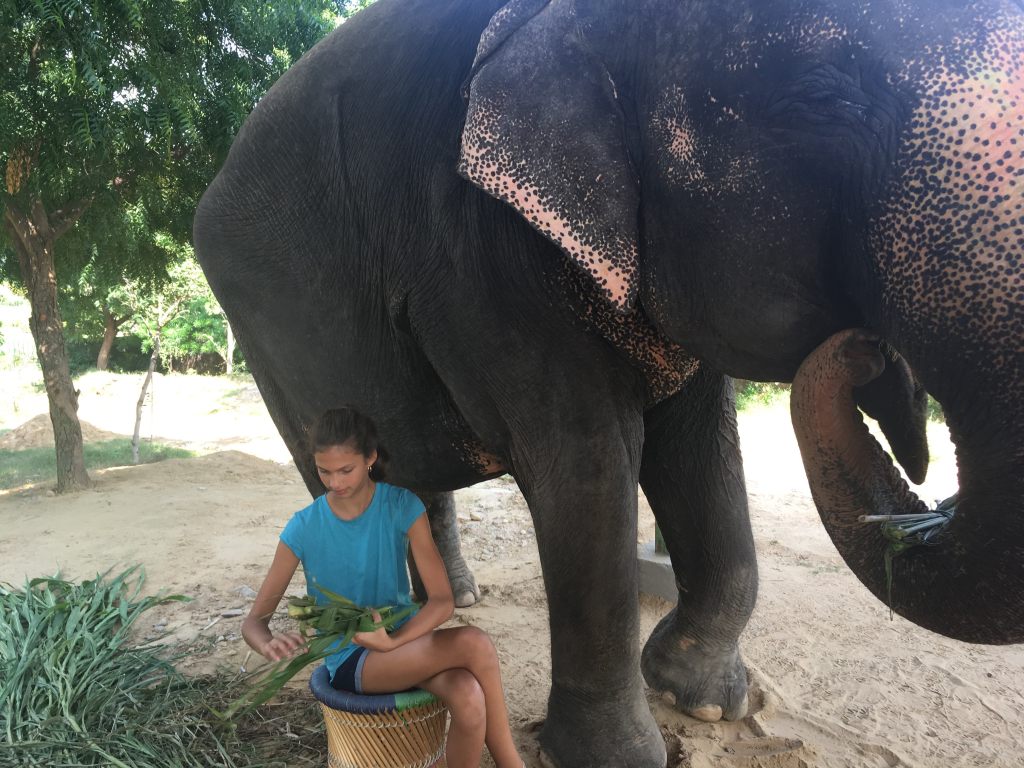
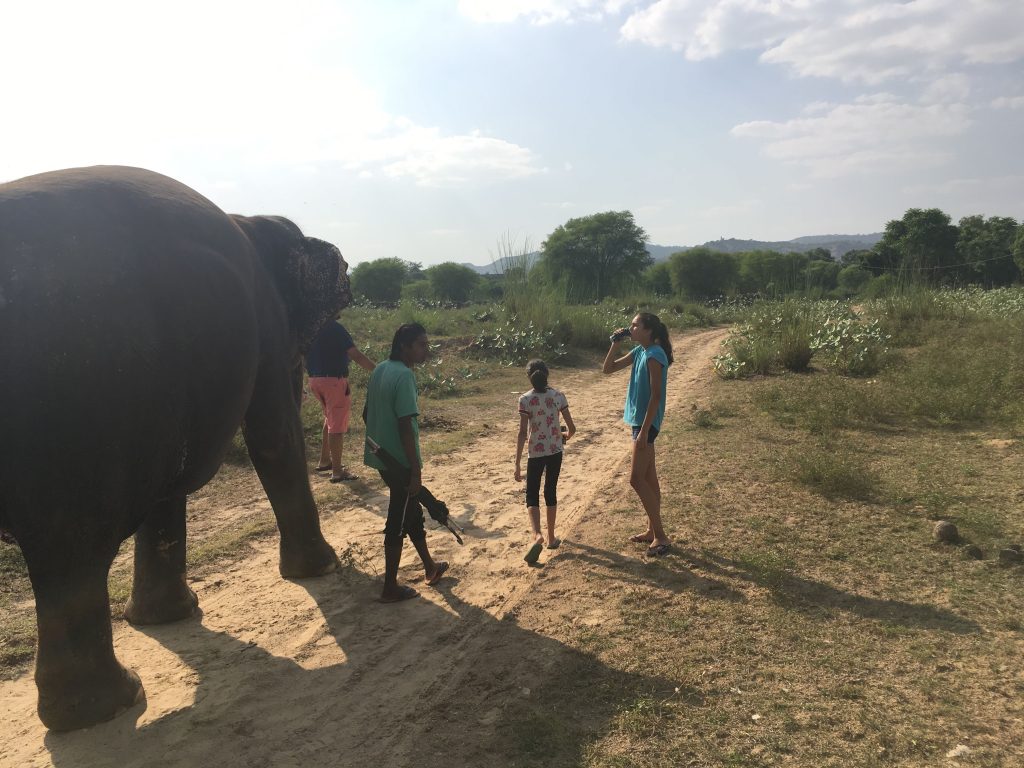
This is our elephant. Our elephant’s name was Chun-Chill which means naughty one! (And Chun-chills name is just right for her!)

We got to feed her…

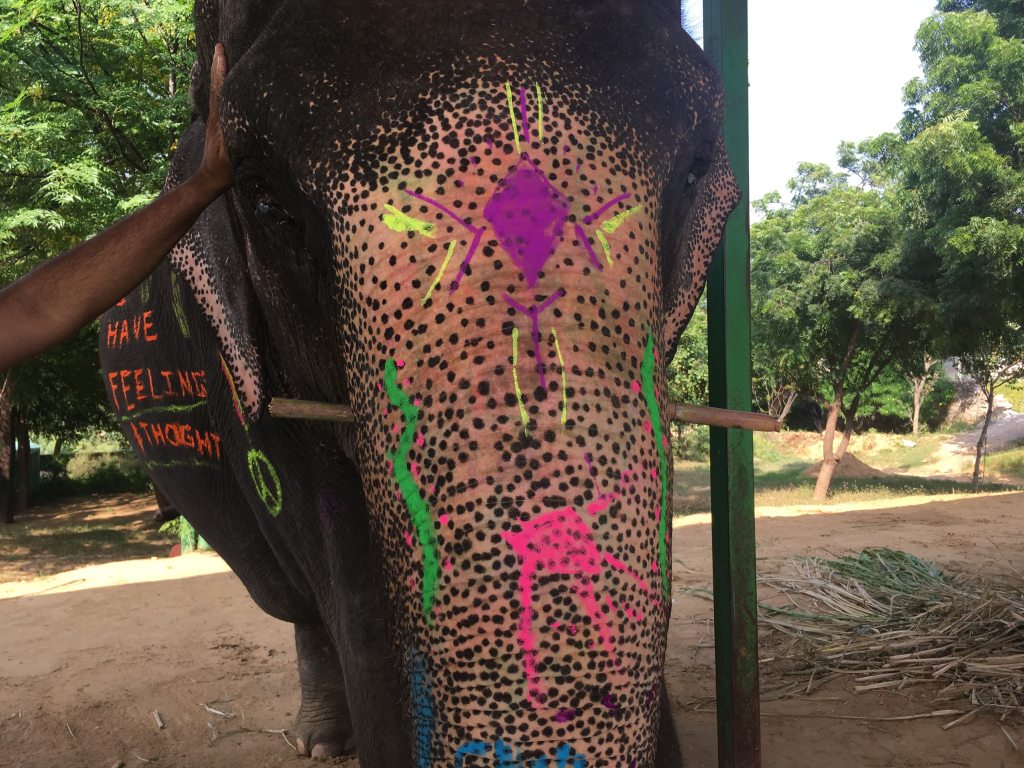
paint her…

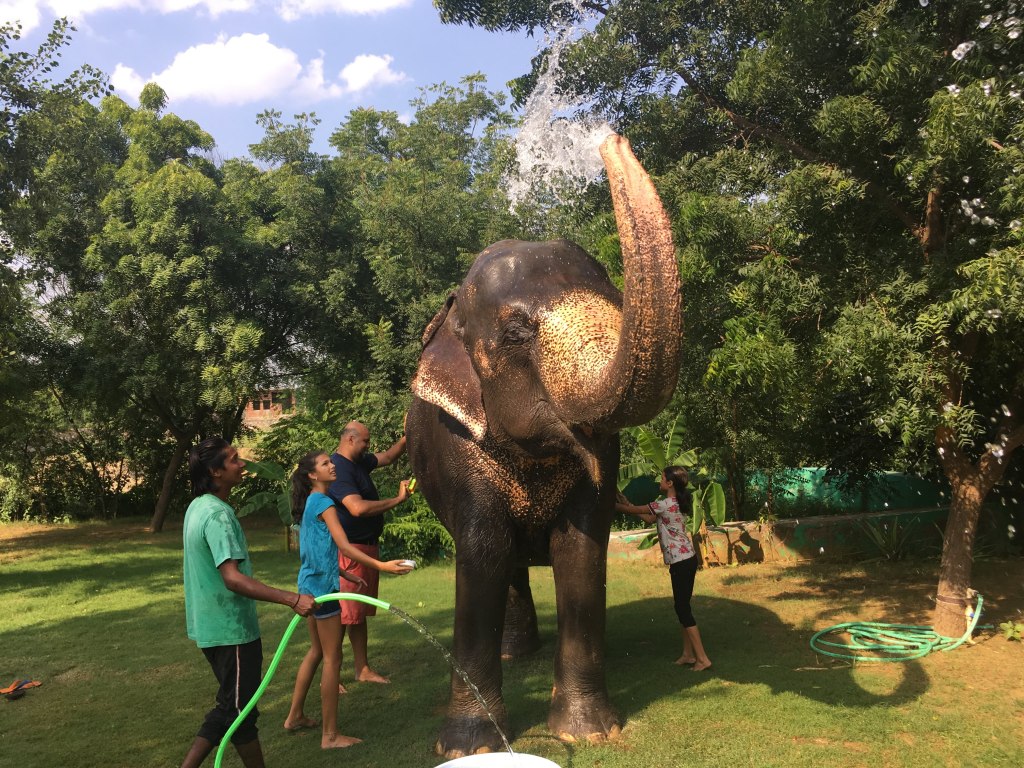
wash her-or the other way around, she washed us!

And walk her!

Days 4: Agra! (of the Dehli, Agra, Jaipur Trip)

Well, I’m/we’re way behind on posts! Parag nicely has filled in some less time-anchored posts, which is nice. I think I left off at Day 3 of our Delhi-Agra-Jaipur trip, so here’s a post on Day 4, which was our time in Agra (

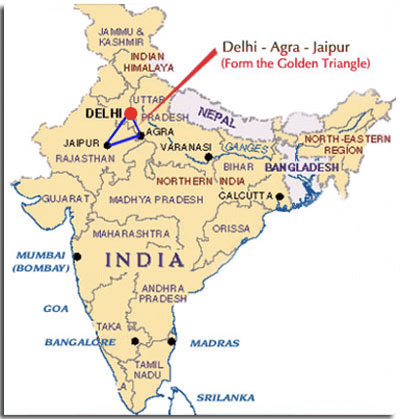
Maybe a map would help… . These three cities are known as the “Golden Triangle” – I think because a lot of tourist travel that route. Pune, where we are, is south of the triangle in Maharastra. You can see Mumbai on the map. We’re about 3 hours south and to the east.

Agra

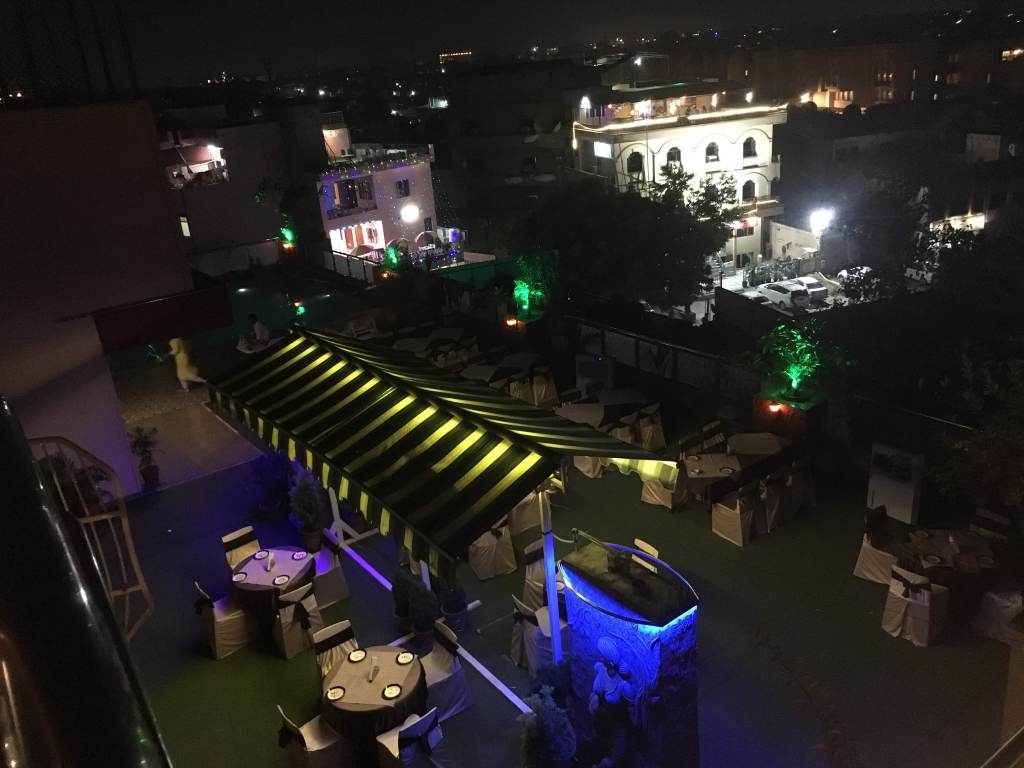
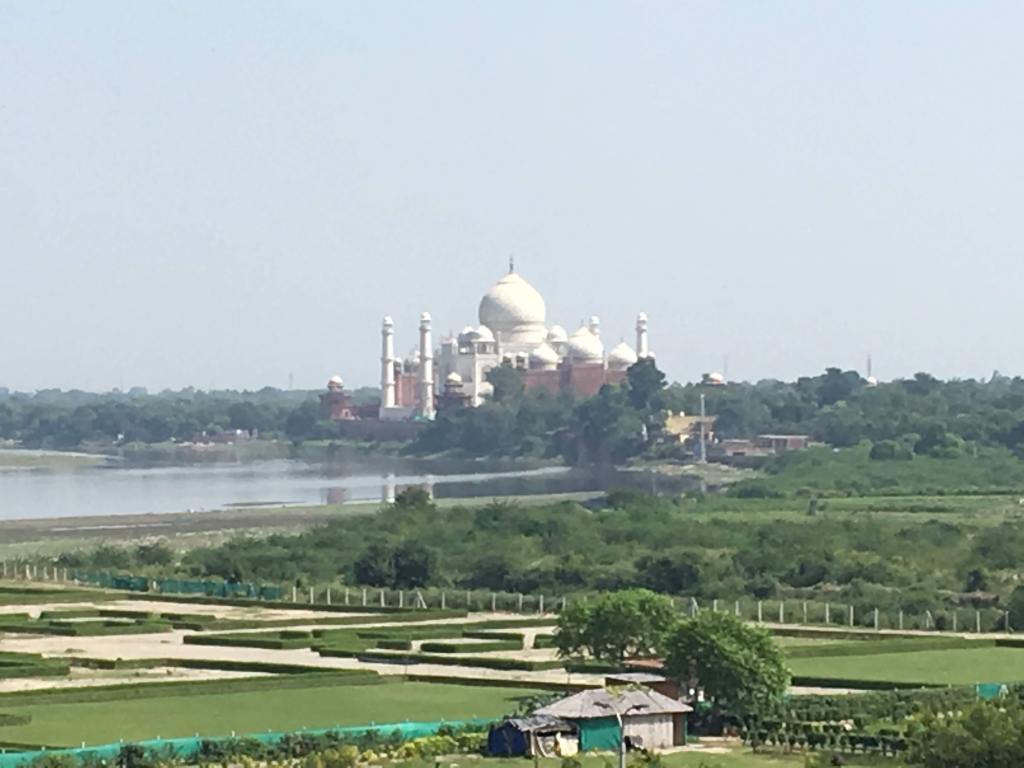
Agra is home of the Taj Mahal. We got there in the later afternoon, having gone by train from Delhi to Agra, and were met by our Agra guide at the station. From our hotel, there was a distant view of the Taj Mahal from the roof, which also had a restaurant and pool, so that’s where we had a nice dinner and quick swim (for Cadi and me).

The next morning, the goal was sunrise at the Taj Mahal. Yes, it was a bit early!

Nicely Kate and Mel (our awesome traveling friends from the train the day before) joined us for that. We left the hotel at about 5:30 and walked down to the ticket area. We’d goofed on the food thing, so that required buying the girls Oreos at a snack shop (which was open!) at 5:45.

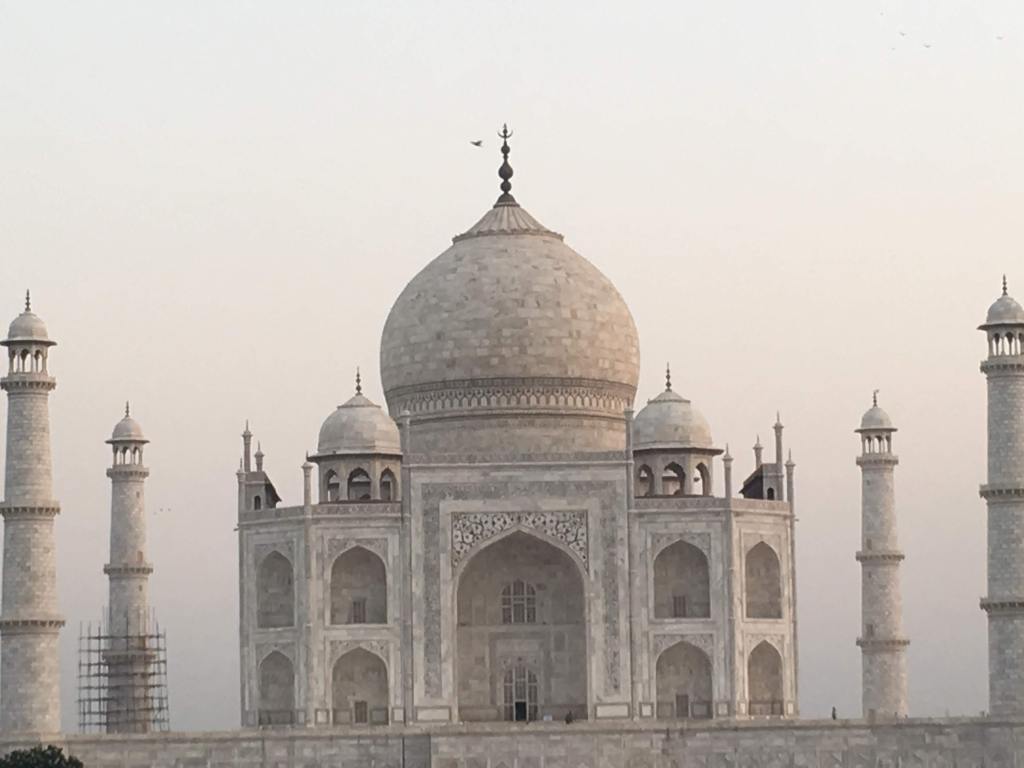
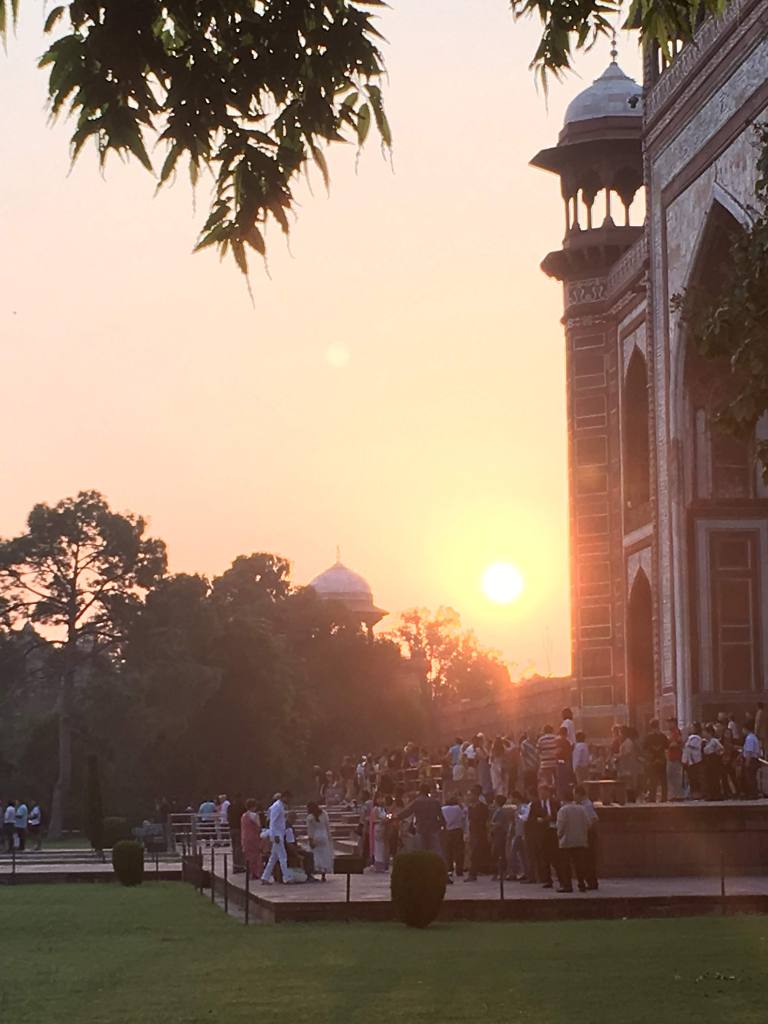
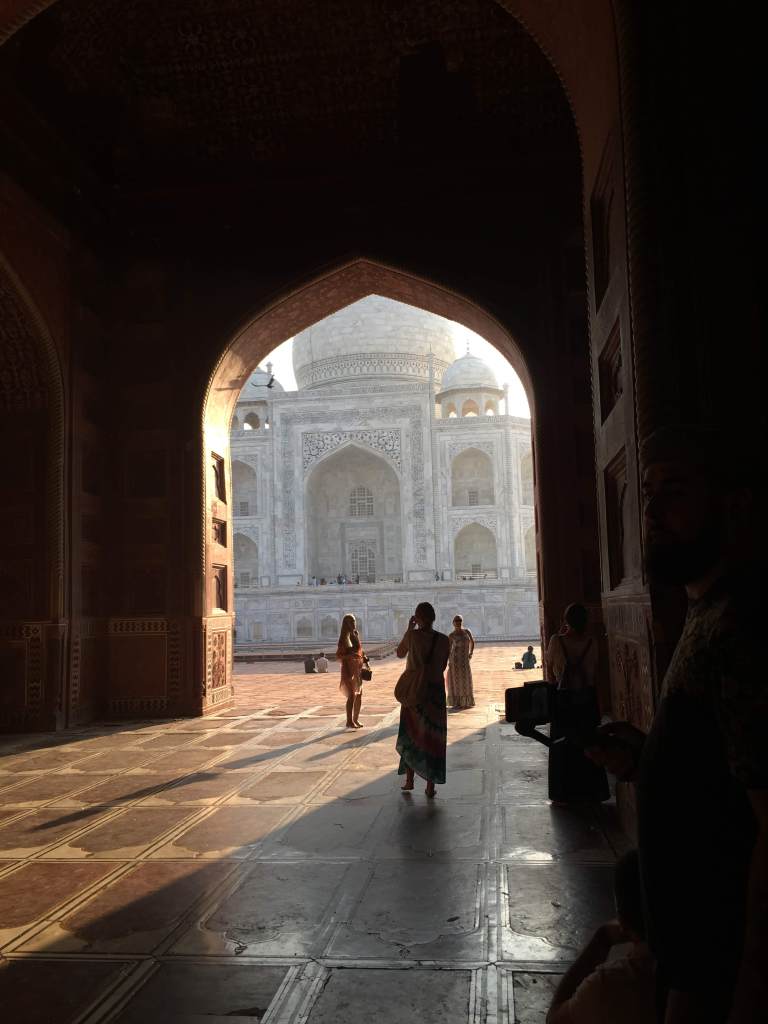
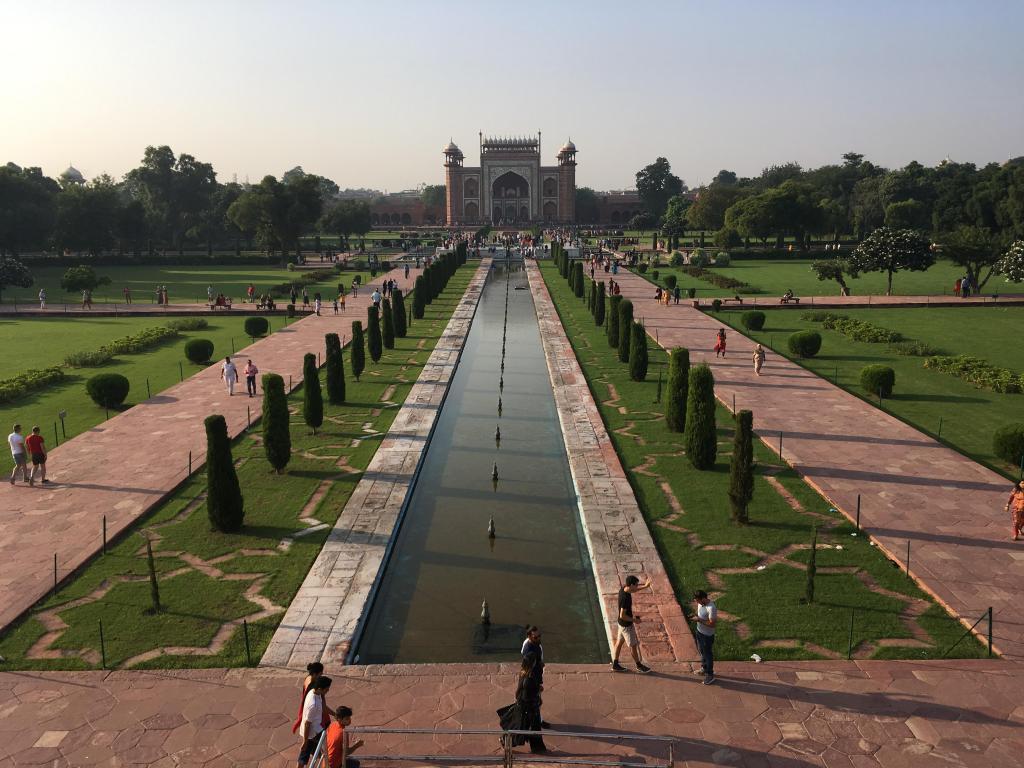
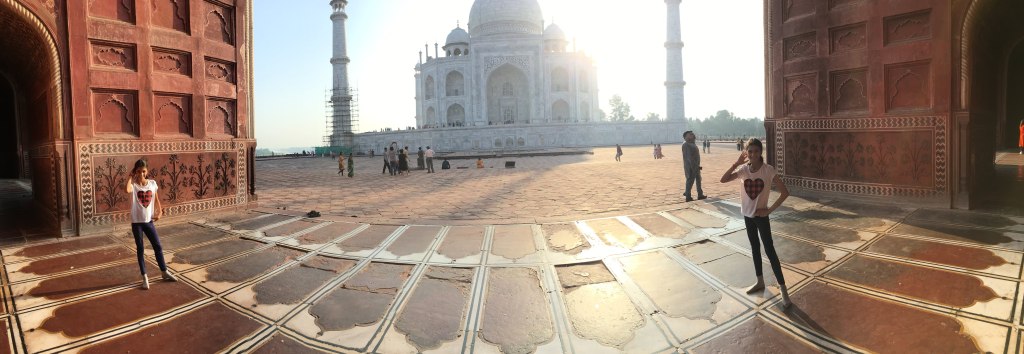
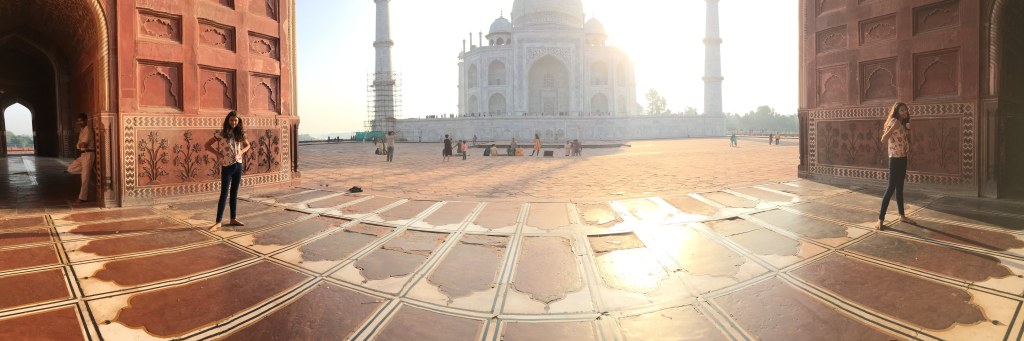
After that, for the next couple hours, we enjoyed the Taj, its gardens and water features, as well as the mosque that is just next to the Taj Mahal.

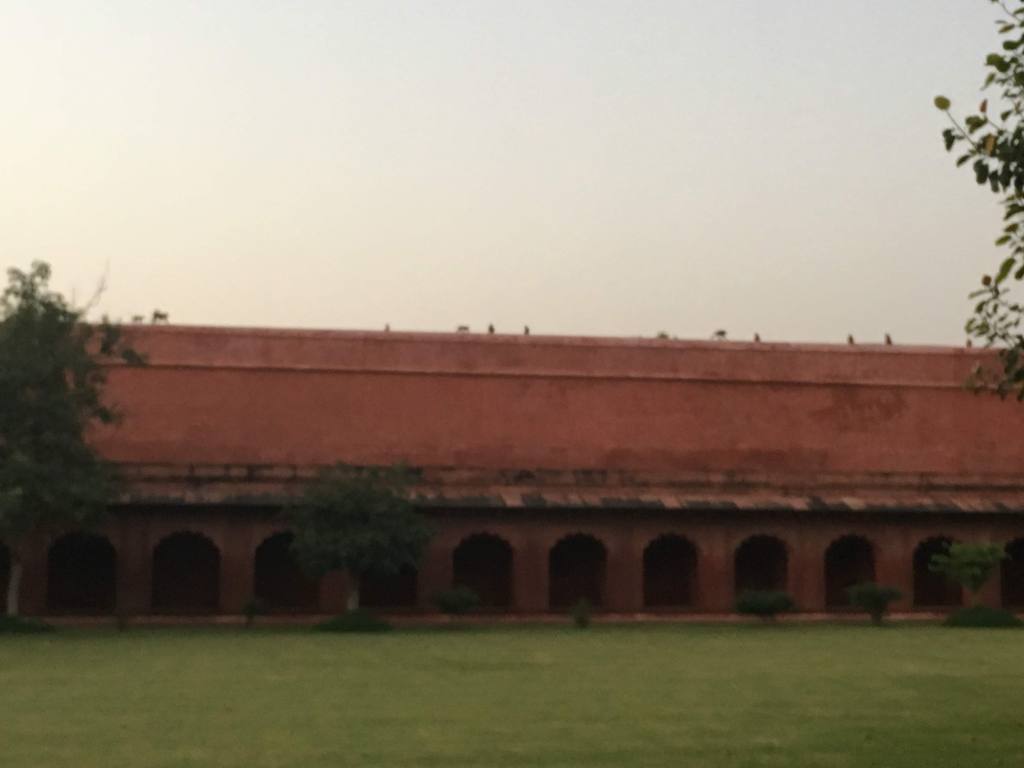
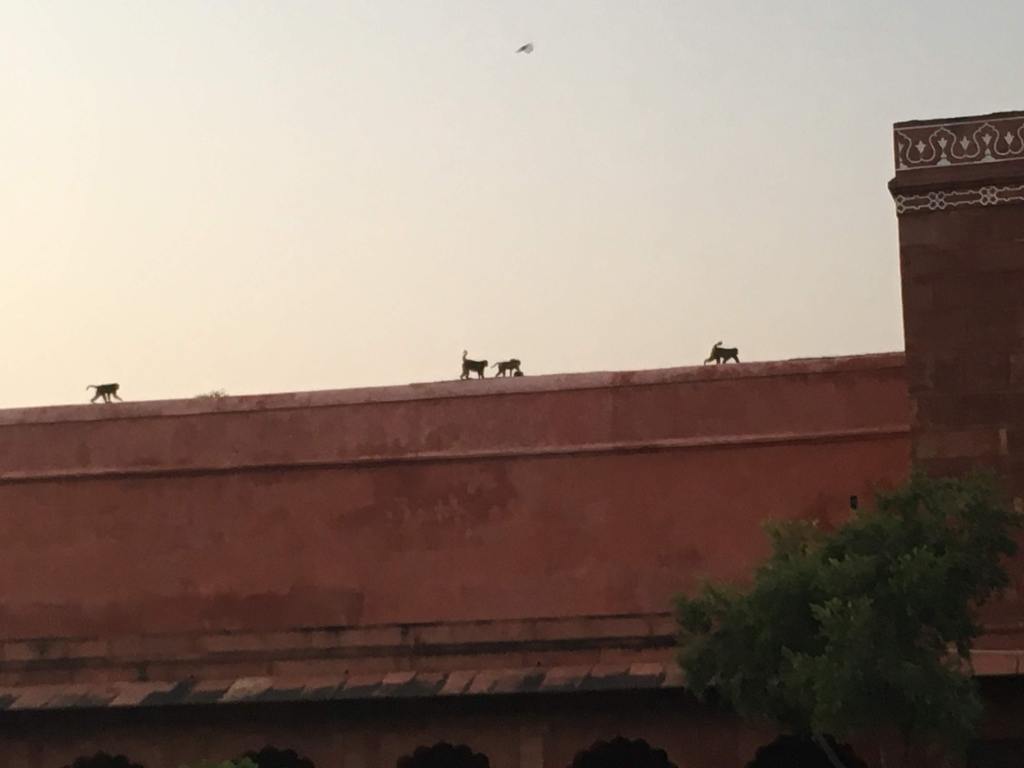
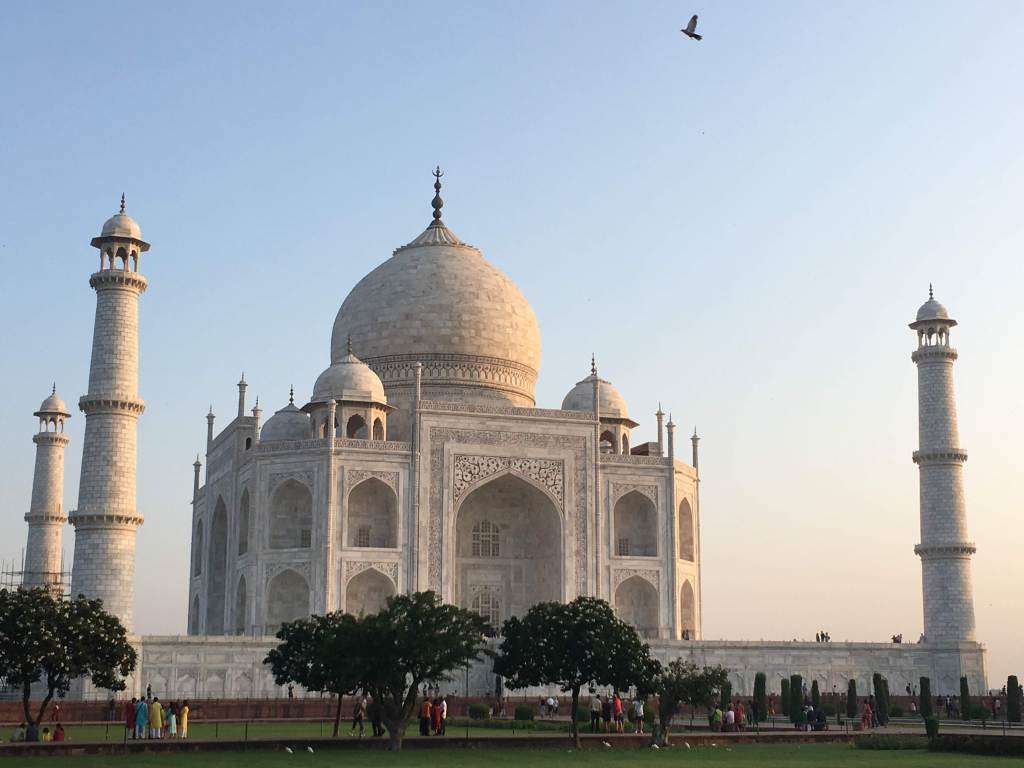
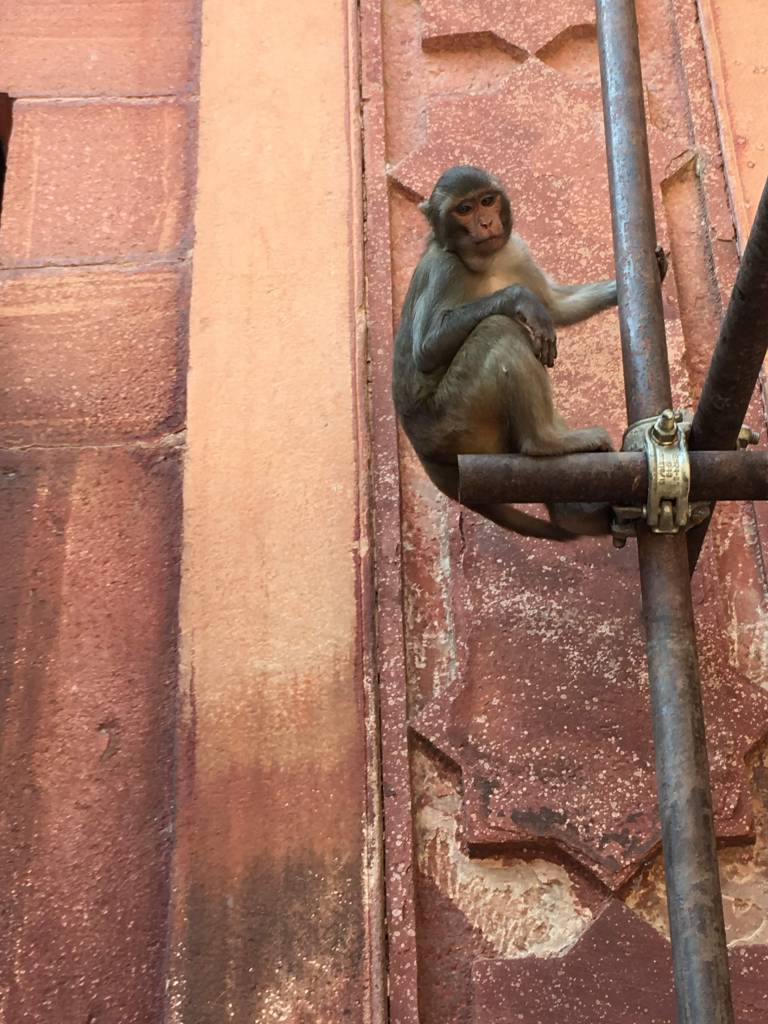
I’ll lead with one of the first pictures Cadi took on the way in – I was pretty sure this was the monkeys commuting to work.

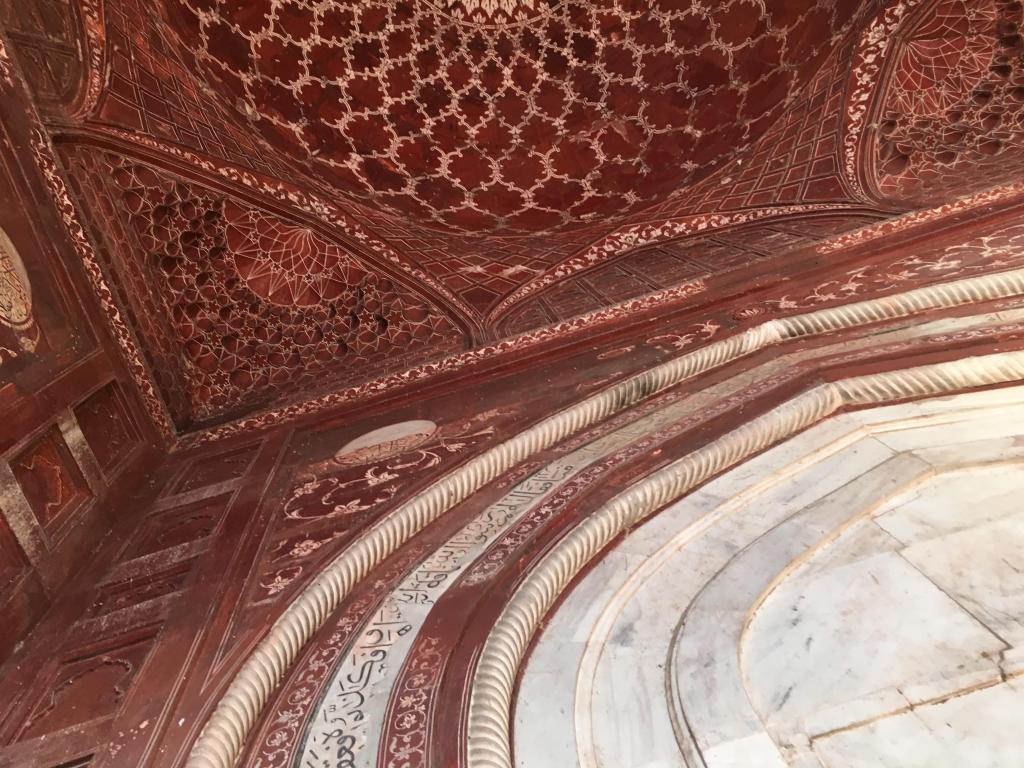
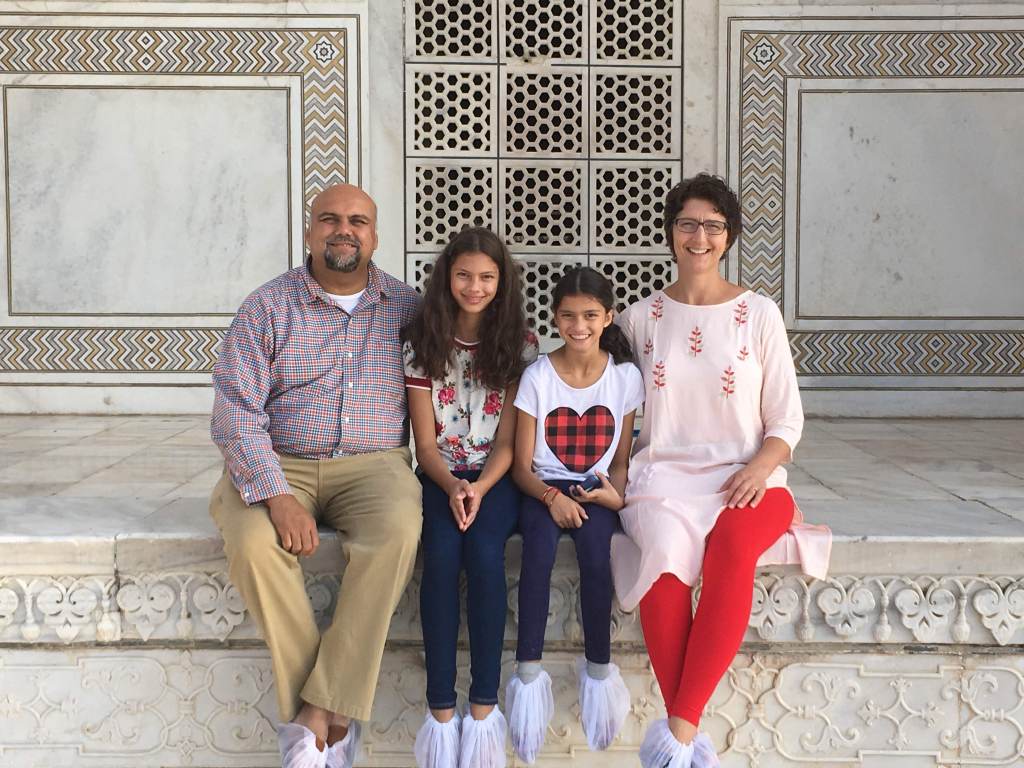
The pictures will of course not do the sights justice, but it is also true that my prose will be even worse at capturing the moments, so I’ll mostly let the pictures speak for themselves (thanks to Cadi for these great pics!)

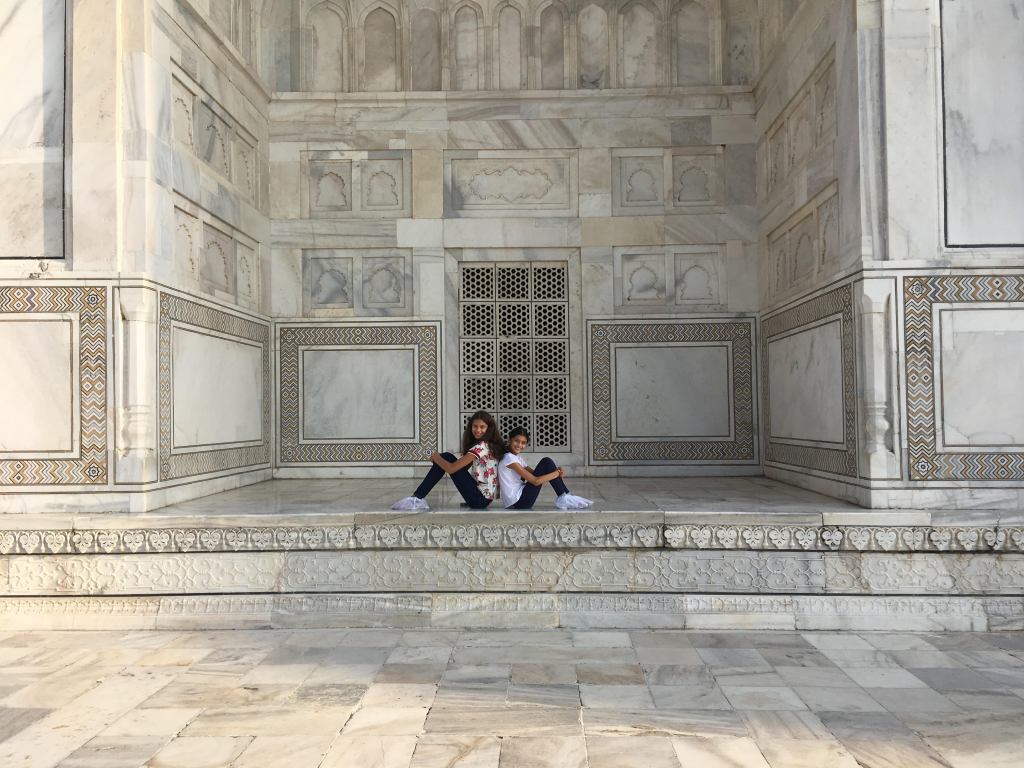
The girls also had fun with some “artistic” shots.

In a random, but interesting tidbit, Parag asked our tour guide what was something he’d learned more recently about the Taj Mahal that was surprising to him. The guide replied that the British had actually sold the Taj Mahal to a British entrepreneur, who wanted to use it for marble! It turns out, it was a challenge to get/use the marble, so thankfully the Taj Mahal was not taken apart! The audacity of it all! Quite remarkable, even for the times….

After that, it was back to the hotel for a great breakfast, check out, and then back with our guide for a tour of Agra Fort.

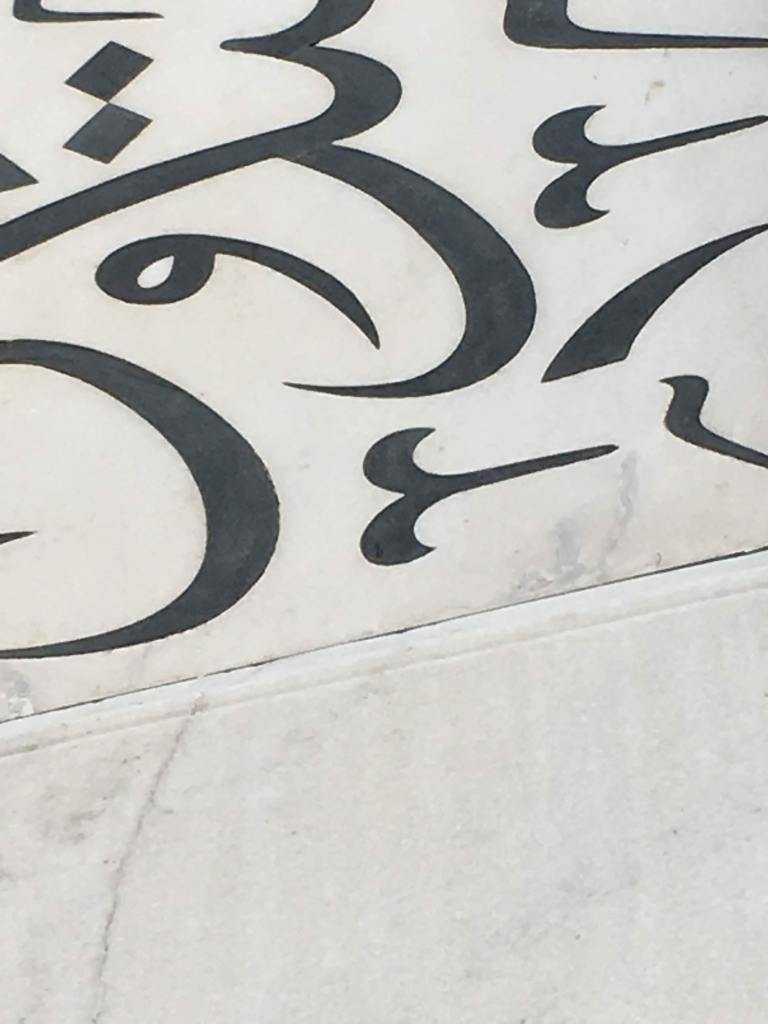
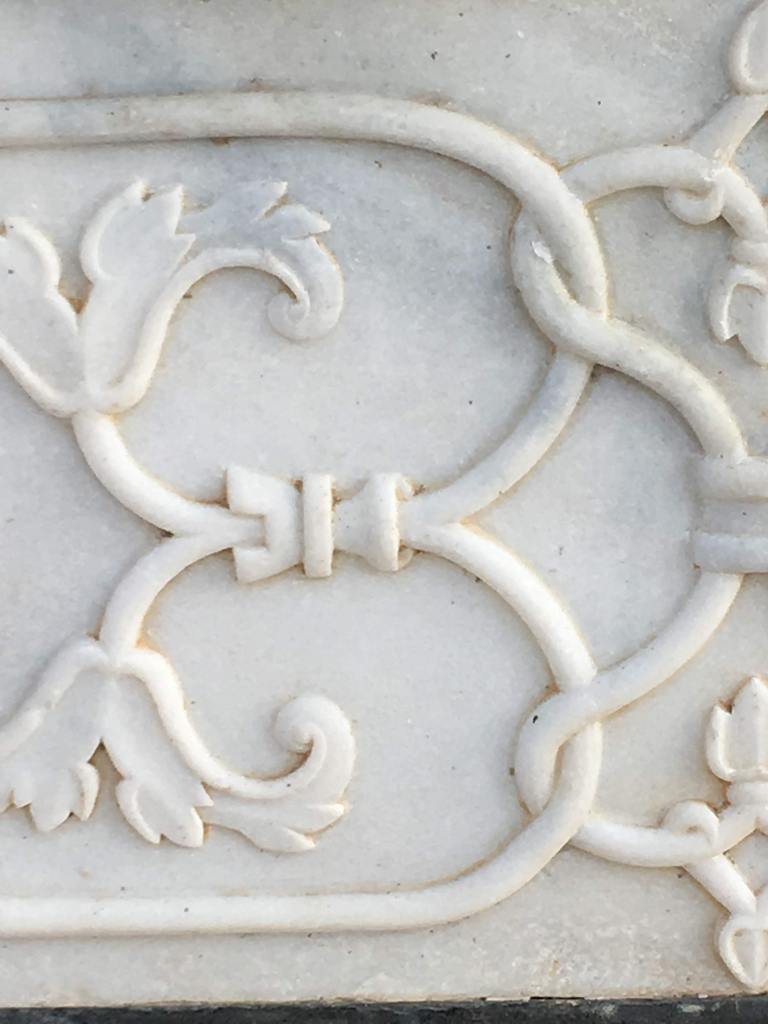
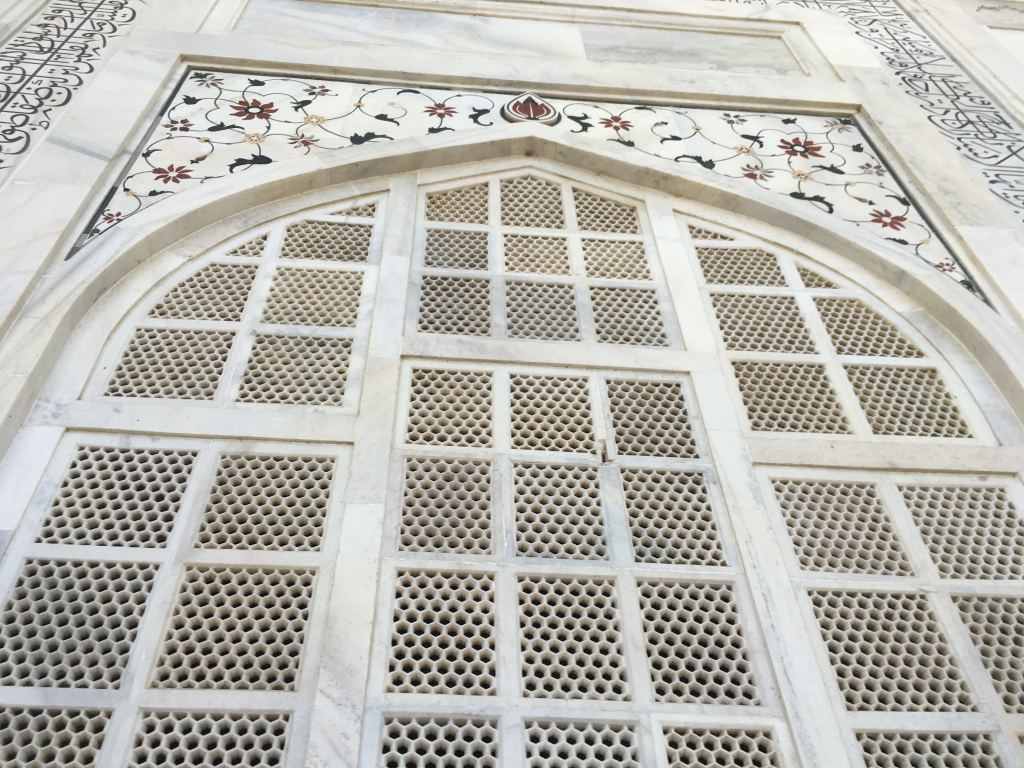
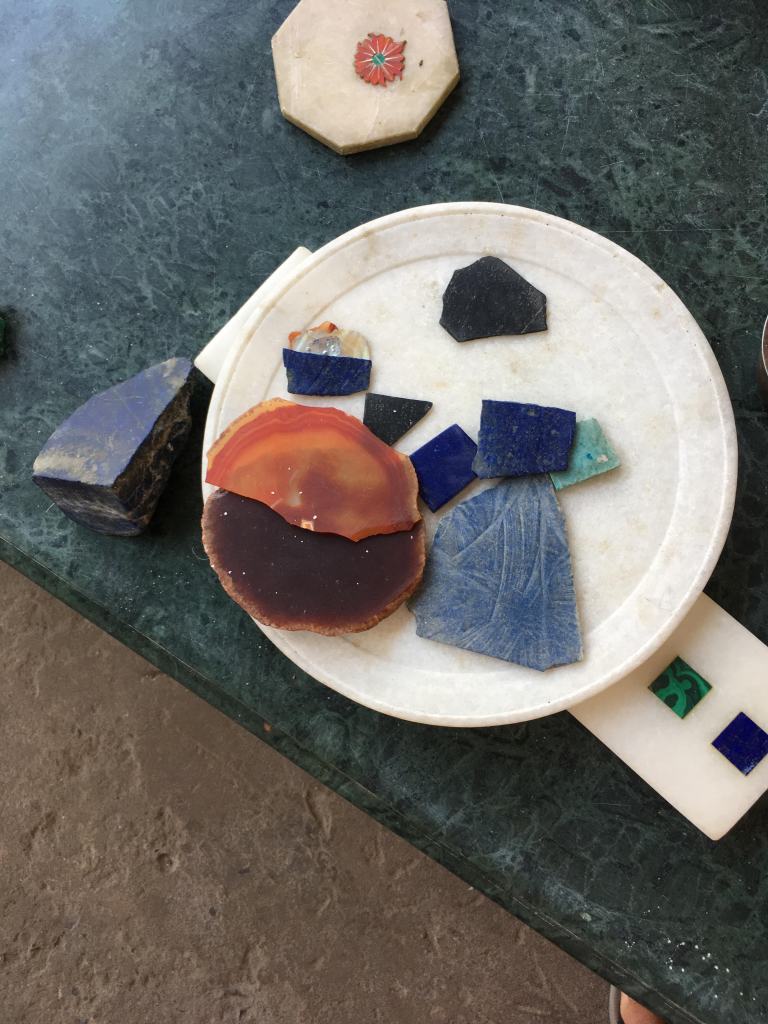
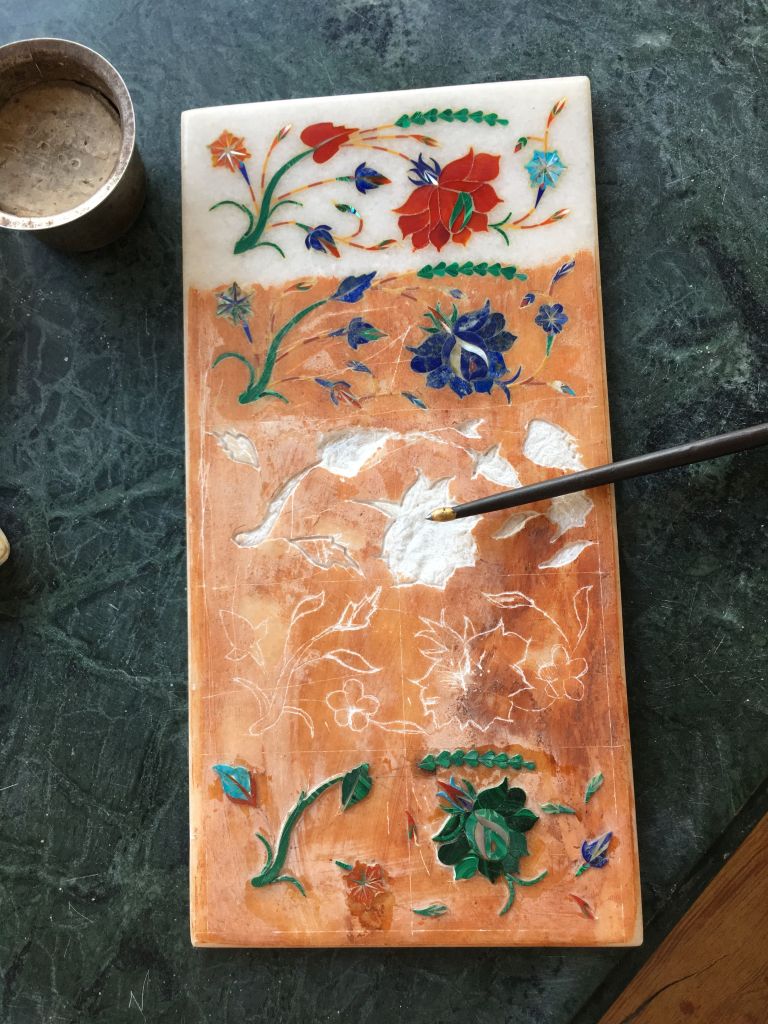
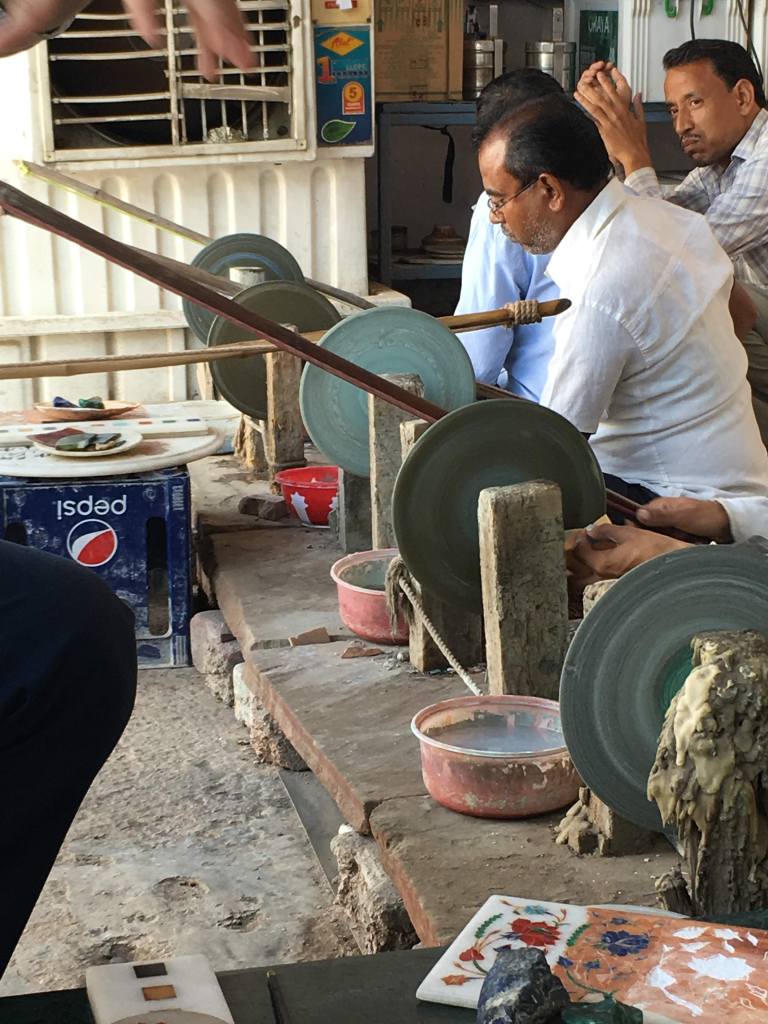
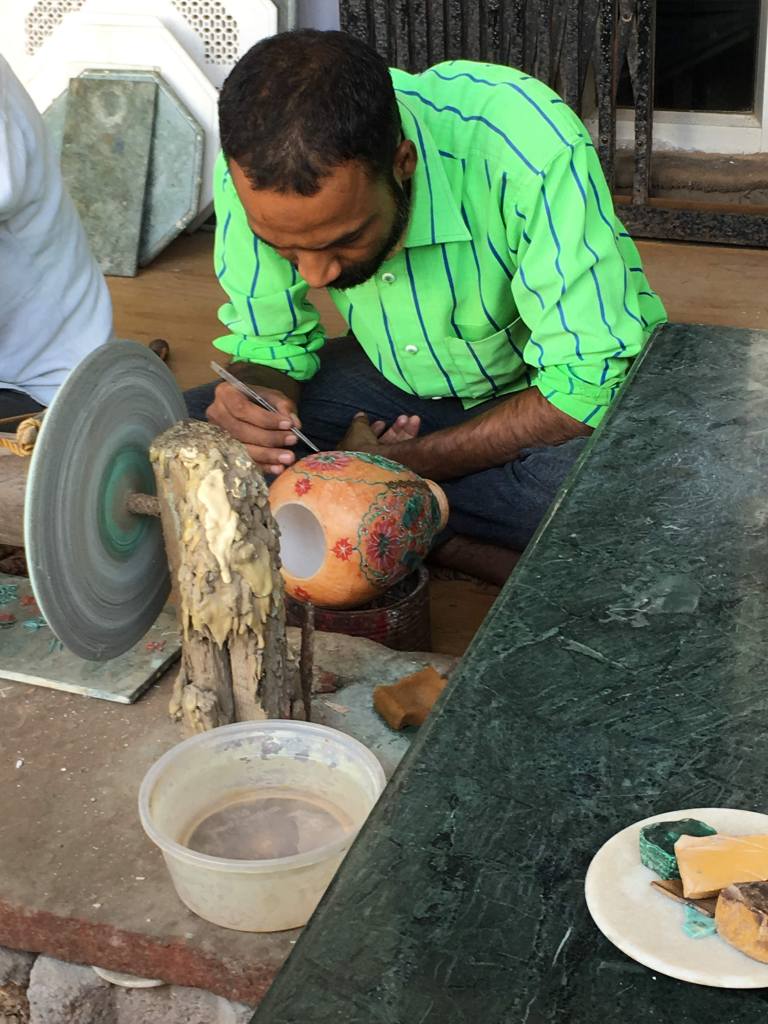
Before Agra Fort though, we did a quick stop at a cottage industry place where we learned about the artisanship behind making all the beautiful designs on the Taj Mahal. They figure out their design — shaping tiny pieces of semi-precious stone like onyx, agate, jade, and then also coral – and then carve into the marble. They lay in the design, and go through many steps of smoothing it.

They do this of course in this public way for tourists.

I found this webpost that seems to explain a lot of it, and has great pictures, so if you’re interested, you can check this out. https://www.core77.com/posts/25995/Ancient-Crafts-The-Stone-Inlays-of-the-Taj-Mahal

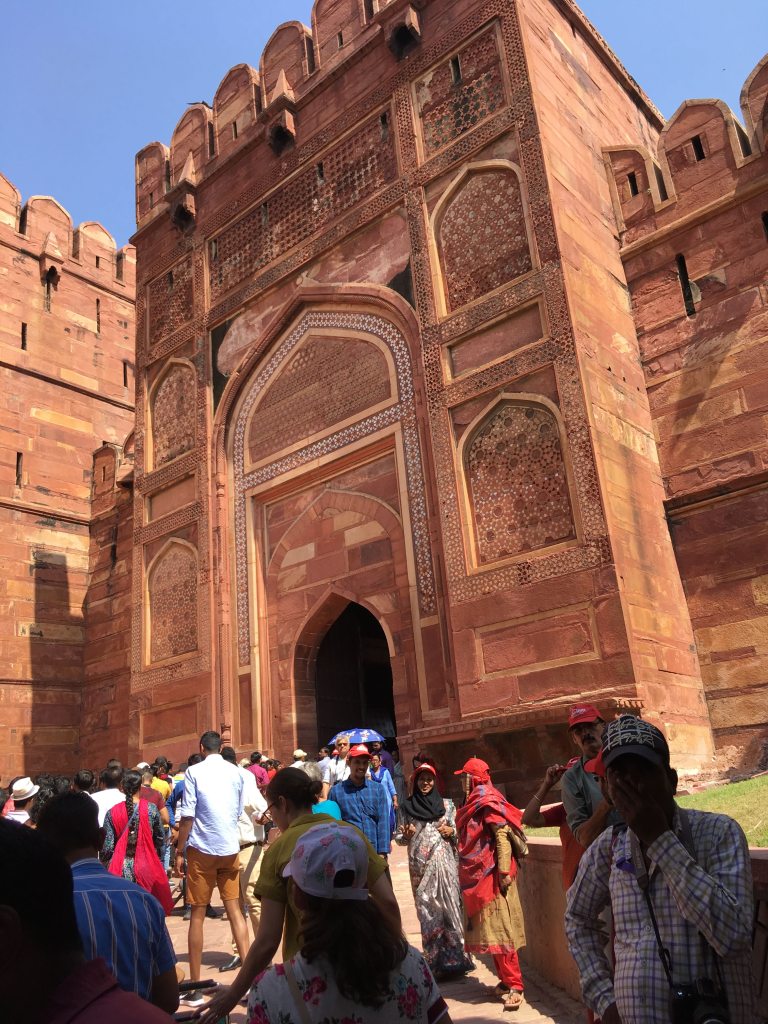
Agra Fort was really interesting. It was where the Mughals set up their capital when they were ruling the area. That is, until 1638, when they moved the capital to Dehli.

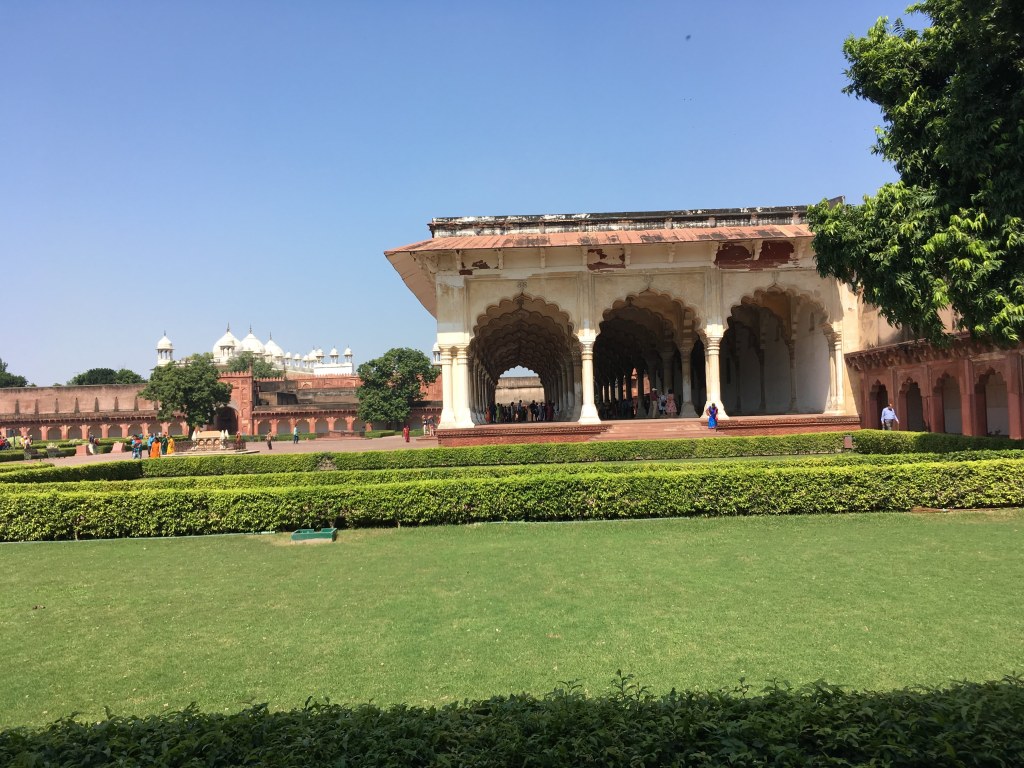
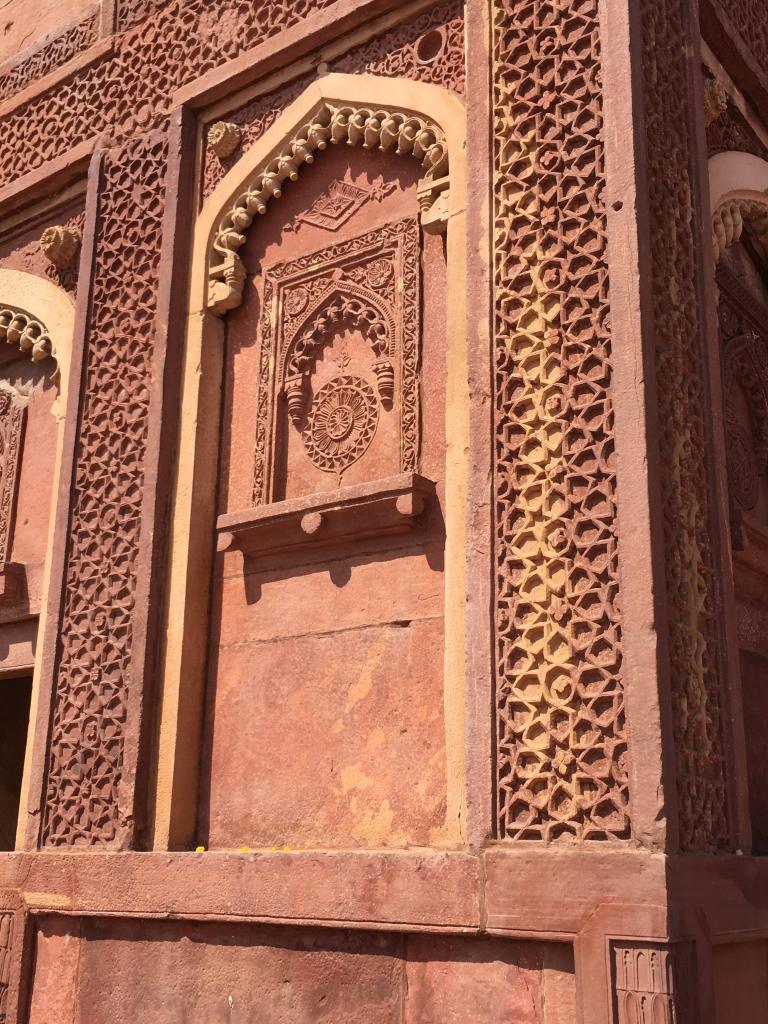
We got to learn about some of the ruling kings, and experience being inside essentially a walled city. Again, I’ll let the place speak for itself. The level of detail in creating the structure is amazing.

It was getting a little hot by then… And it was Dussehra, which is a Hindu holiday, particularly in that region, and maybe even a little more north and east. That meant the Fort was extra crowded. Dussehra is similar to the Ganapati festival that we experienced when we first arrived (see early posts!), but in celebration of good over evil.

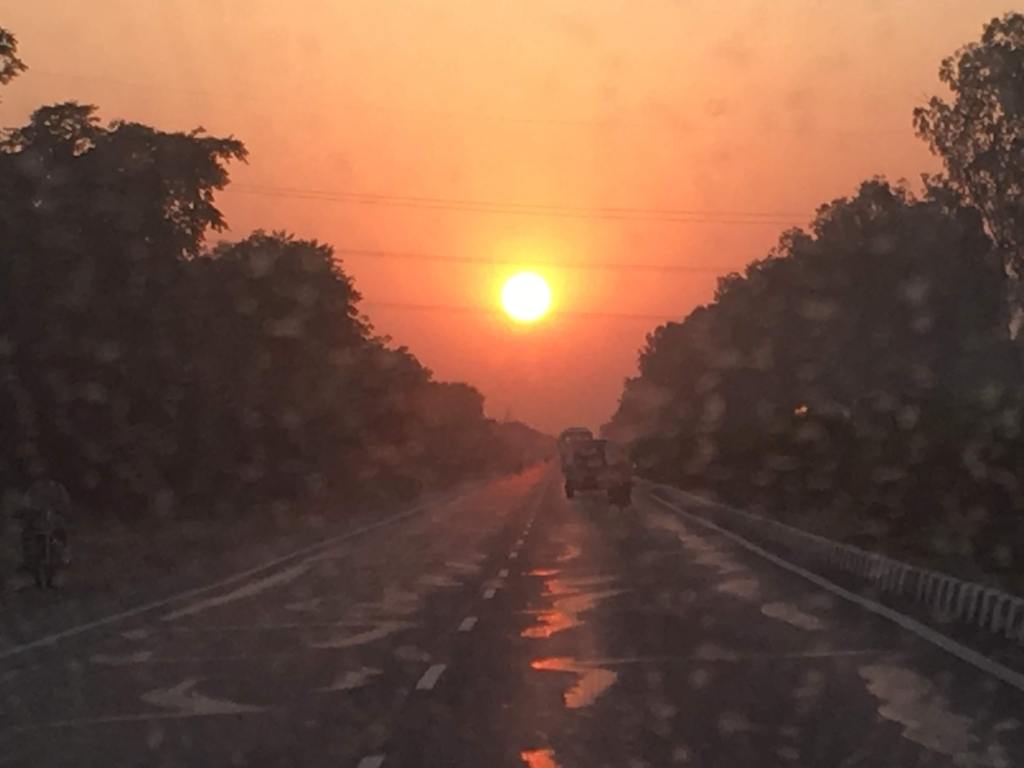
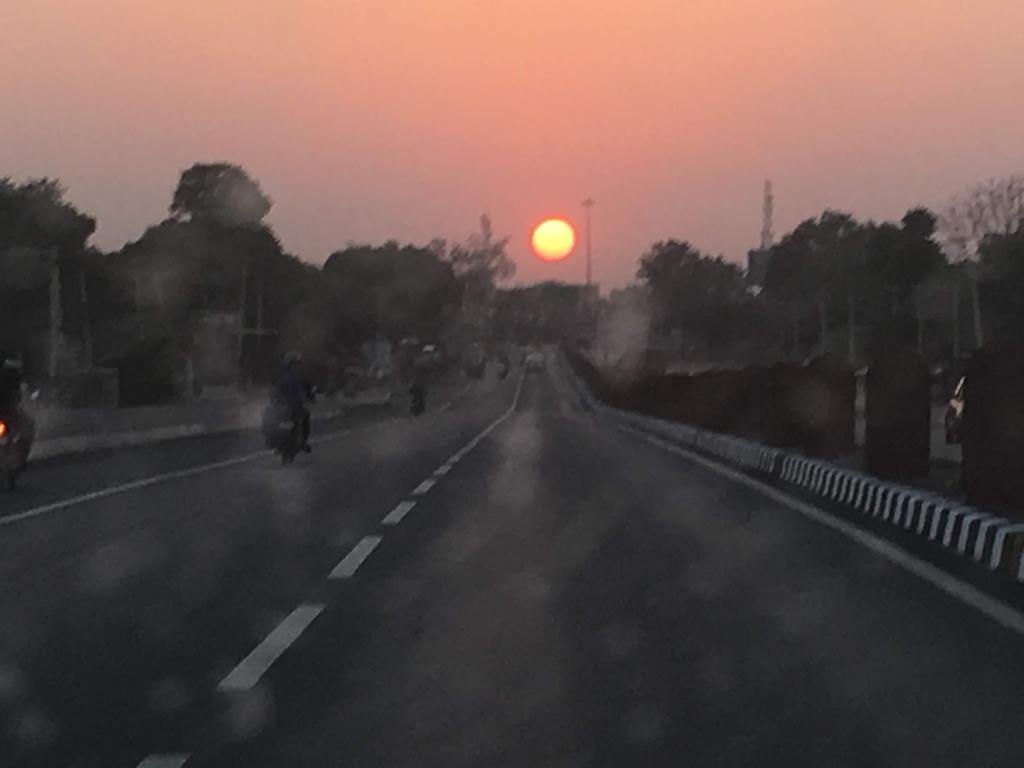
After, we headed, by car, to Jaipur. On the way, we saw several groups of people with their Dussehra processions. We also saw an amazing sunset.

Next post… Days 5 & 6 in Jaipur!

Going to School in India

We planned our India Adventure to try to live an everyday life in India and to immerse ourselves in the culture. Because Cadi and Alex have been attending a local school, they have had a much more immersive experience than Meg or myself!

So, what’s school like in India and how is it different or the same as in the U.S.? Well, this is a good place for a disclaimer since we’ve had experience with only ONE particular school here although the features that stand out there may in fact be quite common in many other Indian schools.

Here is what the girls told me about how their school is the same or different than the schooling they have experienced in the U.S.

Cadi: The teachers here are much more direct about what they want you to do and not do. One thing that is the same is that you still get homework. We have a dance class in school here and I wish we had a dance class in the U.S.

Alex: The teachers are much much more strict. One thing that is the same is that we have a lot of the same subjects as we do in America. I wish I could take Hindi classes in my school at home.

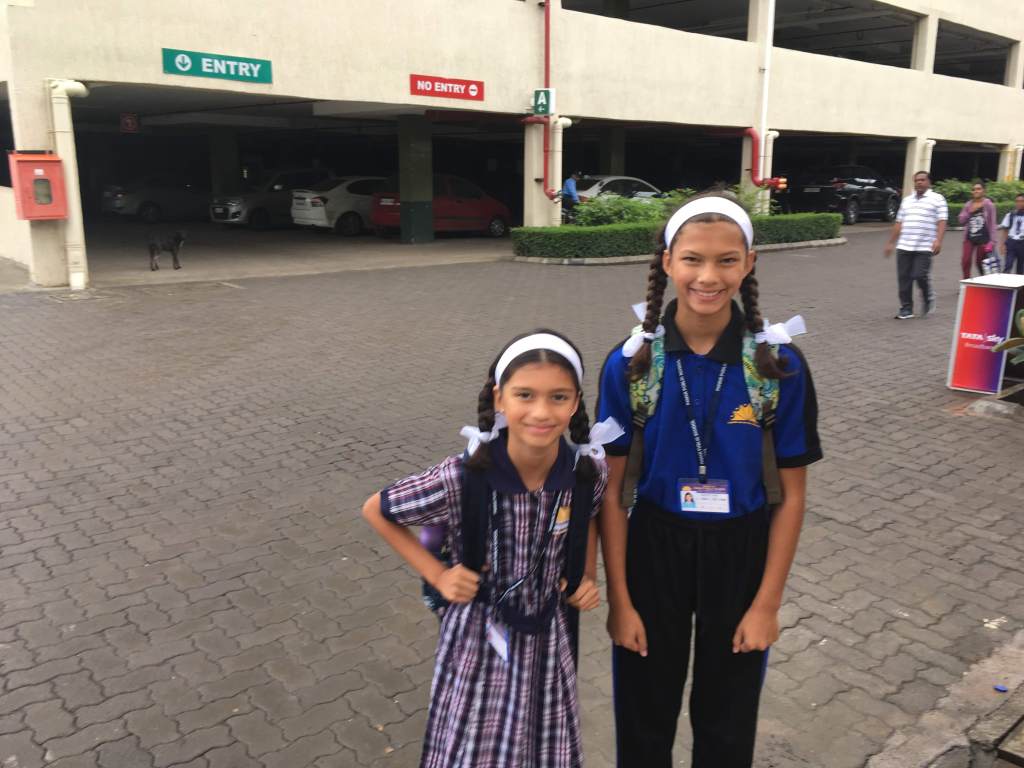
Alex in her regular school uniform and Cadi in her school team uniform. The photo was taken outside our apartment building.

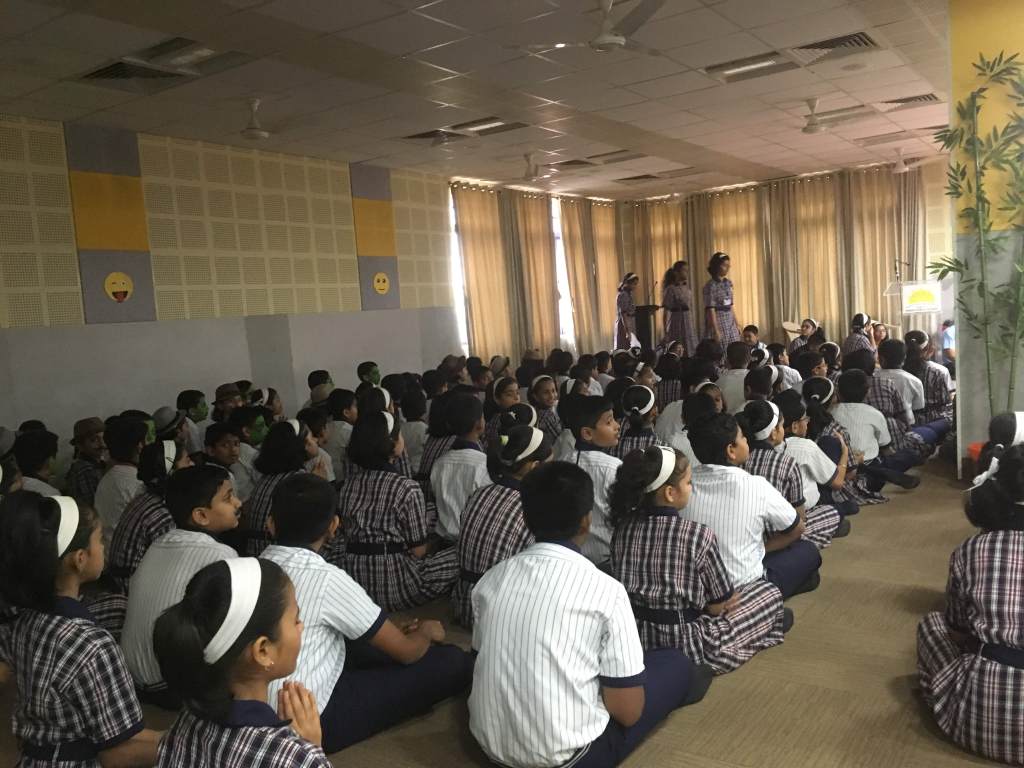
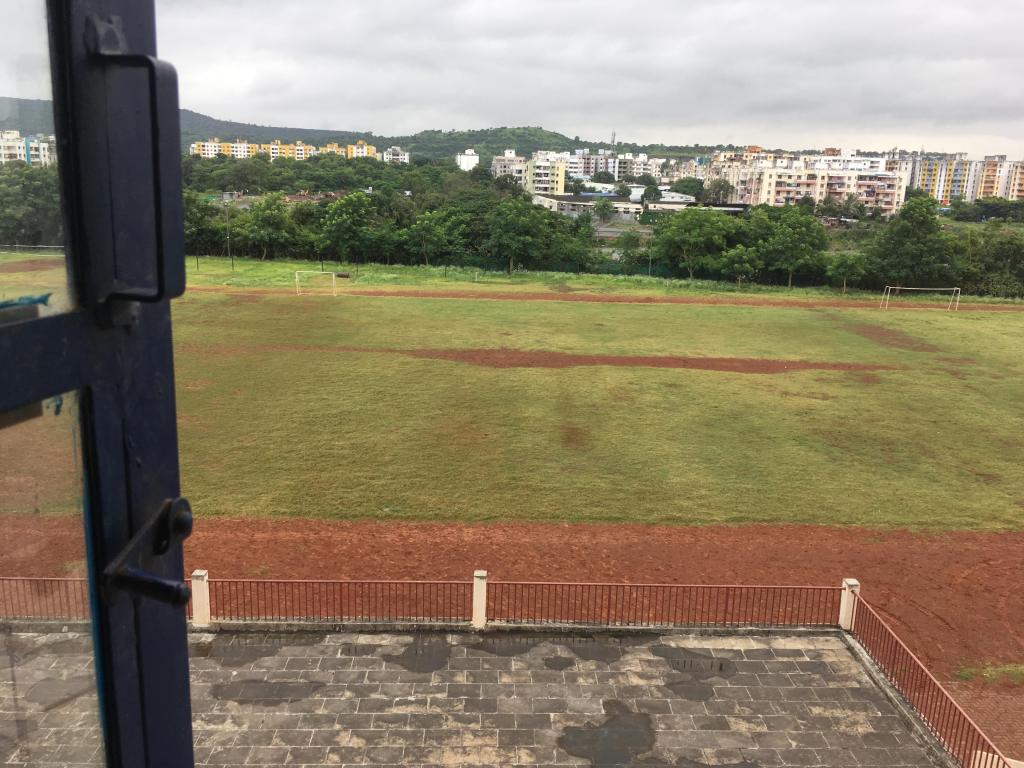
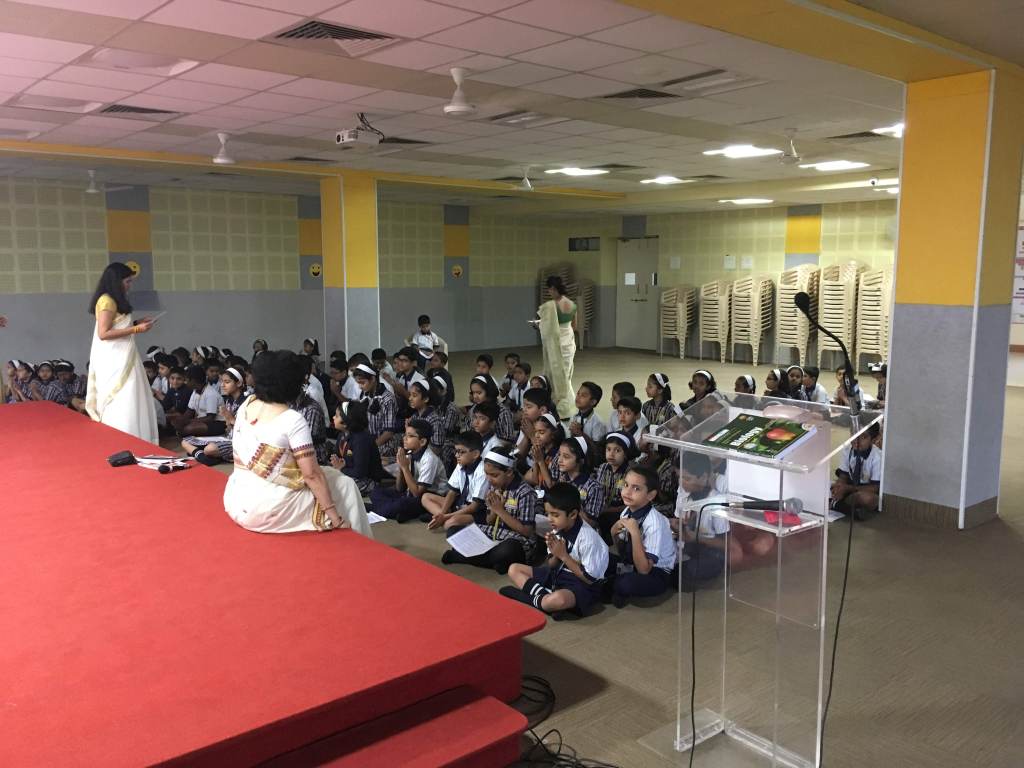
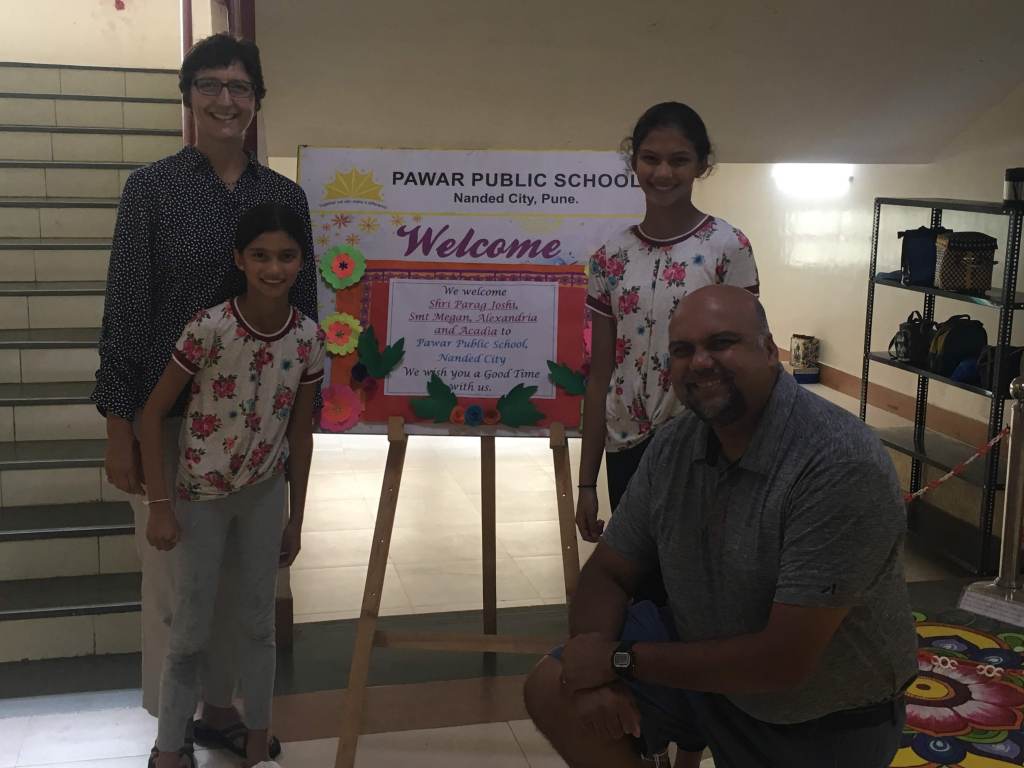
The gallery of photos below are from Pawar Public School, a private school that was established for the children of Nanded City, the residential community of 55,000 people where we live in Pune, India. It is a Pre-K to 10th grade school with over 2600 students. The school and its principal, Dr. Anjali Gurjar, have been AMAZINGLY welcoming and adaptable to us and needs. They have embraced our participation and have had Meg and myself into school many times to attend school functions and give presentations to students and teachers alike.

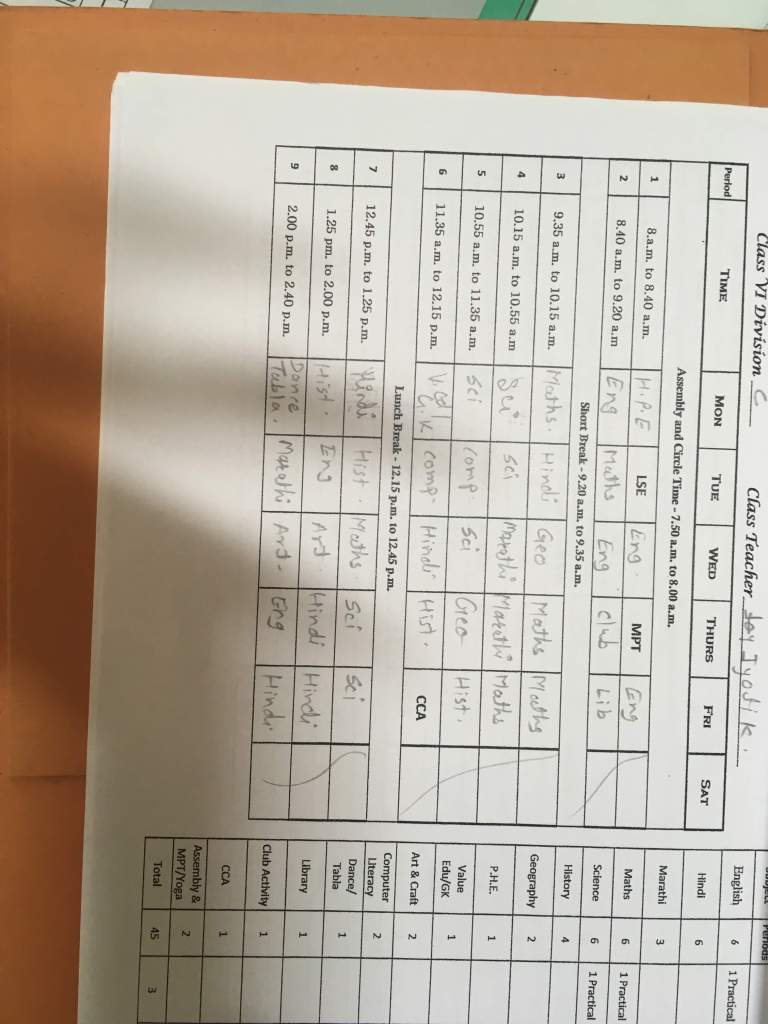
I would think that Americans would notice certain differences in schooling culture and practices in Indian schools. Here is a list of some of the differences:

  • All students wear uniforms and students are expected to conform to hairstyle expectations as well. For girls, they must wear pigtails or braids if their hair is sufficiently long.
  • Books and materials must be purchased by families and not supplied by the school. This includes art supplies.
  • Teachers use the imperative form as their dominant form when speaking with students. So, rather than a more SEEMINGLY PASSIVE “Can you please take you seat”, you’re much more likely to hear, “Sit down!”
  • Class sizes are commonly between 30 and 45 per class.
  • Students do not move classes between periods, teachers do. Thus, each class of students is together for the day. Students take their lunch in the classrooms as well, mostly from lunches packed from home.
  • Teachers are expected to maintain an emotional distance from their students. They would never wish to befriend students or talk to them about their personal lives very much. This is partly a function of the larger class sizes but also a part of the formal culture of Indian schools.
  • Many students, if their families can afford to do so, and especially in the higher grades, attend cram classes in which students go for 2-3 hours after school to get help and more practice.
  • While there is physical education class, there are no sports teams or sports leagues in school.
  • No phones are allowed to even be brought to school by students and school staff may not use their phones at any time in the school day.

Taken together, this makes school a more formal, more distant, more academic, and more British experience. Formal schools in India were modeled after English schools during British rule. Schools do not seem to exist to cater to what we might call in the U.S., “the whole child”. Rather, the non-academic dimensions of students’ development is seen as a family or community responsibility rather than a school one. To re-purpose an old Calvin Coolidge expression, “the purpose of school is schooling.”

So, having discussed some differences among schools in the U.S. and India, I want discuss the range of schooling WITHIN India. Like anywhere else, schools in any place are both a reflection and a cause of the wider culture in which it exists.

Given its history, given the nature of the caste system (which continues to exist, especially in rural India), and given the vast economic inequality of the society, Indian schools vary tremendously in terms of resources, orientation, and teaching quality. The big split is between government-funded schools and private schools. Unlike the U.S. context, where only about 10% of students attend private schools, 35% of students in India attend private schools. It is not a random 35%. Students who attend private schools are much more likely to come from middle and upper-middle class families. These schools are almost all English-medium, which means that the language of instruction in school is English. Families see English-medium schools as supplying an essential ingredient in a globalized economy: English fluency. These are the families that have relatives in the U.S. or other parts of the West, that live in cities, that come from higher castes, that work in higher-income fields such as IT or engineering, and that are grasping the opportunities of the “New India”.

The remaining 65%, more rural and more poor and much more likely to be from lower castes. Their schools are much more likely to have less-qualified teachers, inferior construction, and have the language of instruction be a local language. It may surprise you to learn that India has over 28 major languages. Students in these school have lower school attainment, meaning they don’t stay as long in school compared to their private school counterparts. As is the case for many poorer families, the opportunity cost of going to school goes up as children age since by going to school they are foregoing income they might have earned. That schooling would be an investment toward greater overall lifetime earnings may well be understood but the needs of today outweigh the benefits of tomorrow.

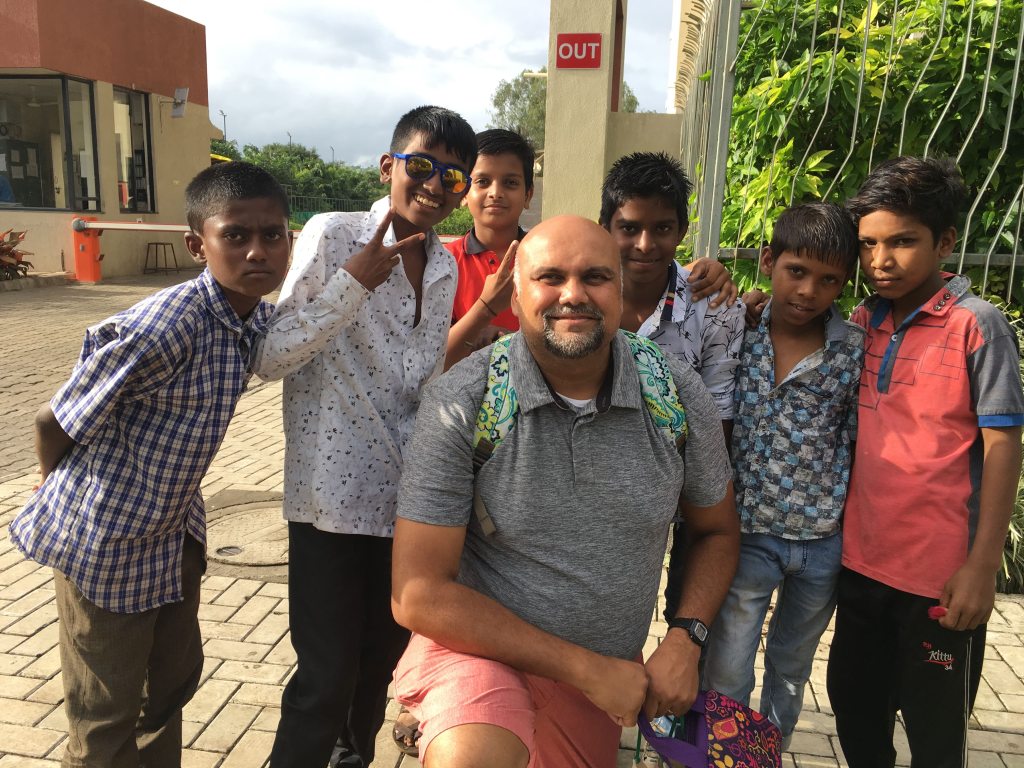
The students in this photo go to a local government-funded school and needed to walk six miles to get home from school after a bridge was washed out from flash floods. In my chance conversation with them, I learned that they seemed to think school was OK but largely because that is where they saw their friends and it was better than going to work. None of them knew anyone who lived in the U.S. but they were very interested in American pop culture, largely through watching Hollywood movies and TV shows.

“This seems quite unfair”, you might be thinking. Yes, it is. As in many societies including U.S. society, people live in stratas and the social networks of people is largely within their own socio-economic strata. This is merely magnified in India and schooling seems largely to be recreating theses strata of inequality rather than a countervailing force.

Design a site like this with WordPress.com
Get started